

-
Grating Series
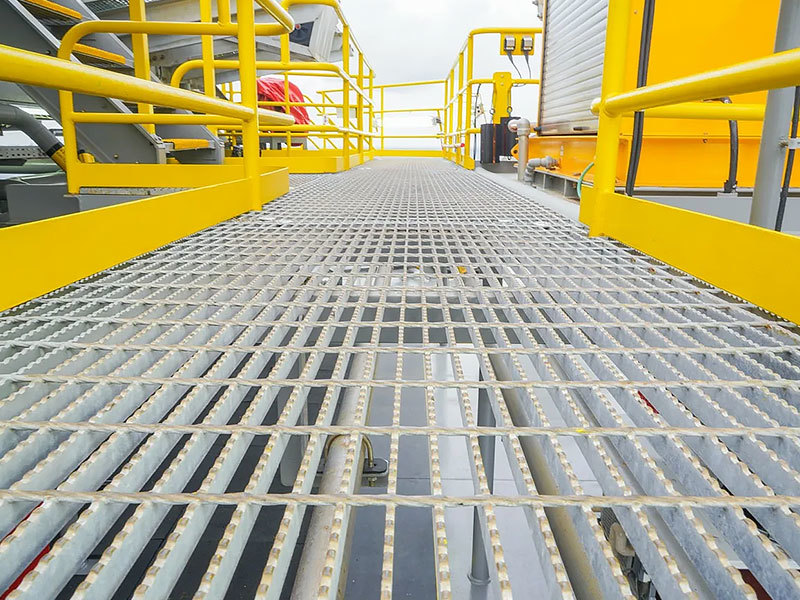
View Products
Wire Mesh Series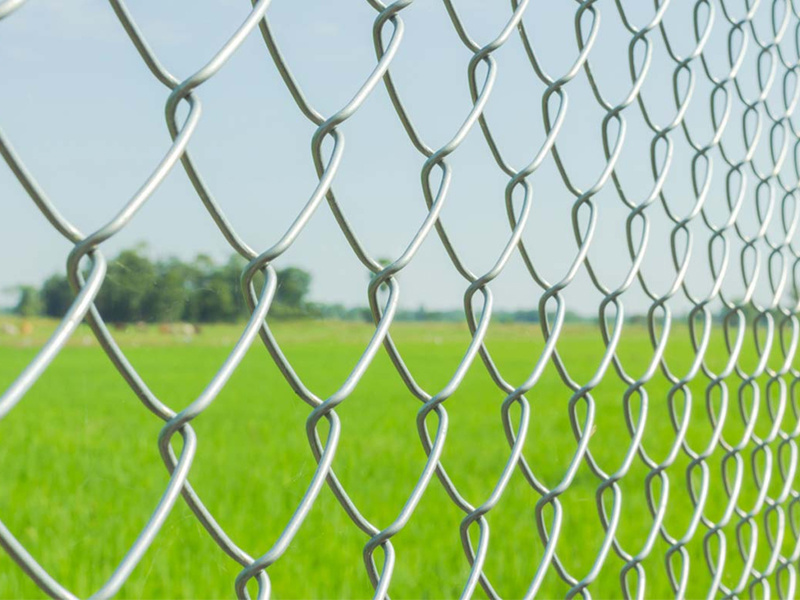
View Products
Wire Mesh Fence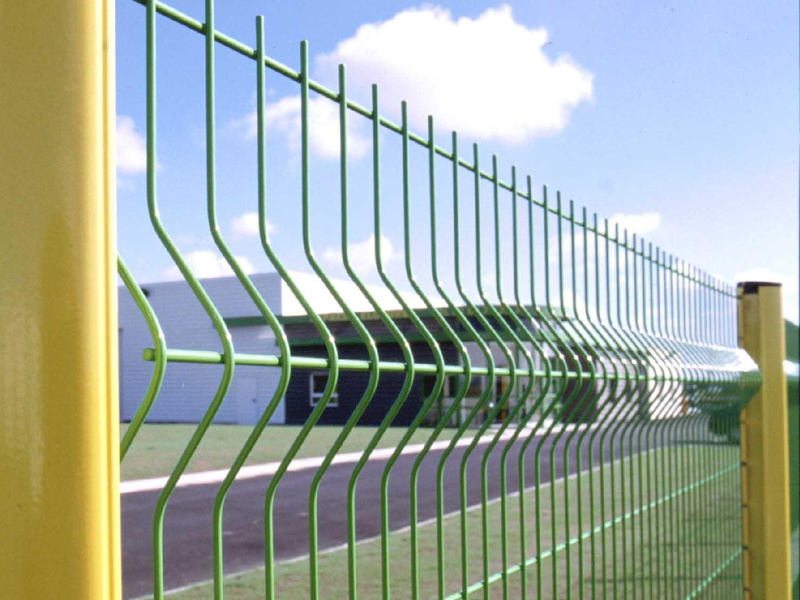
View Products
Barbed Wire Series
View Products
Gabion Basket Series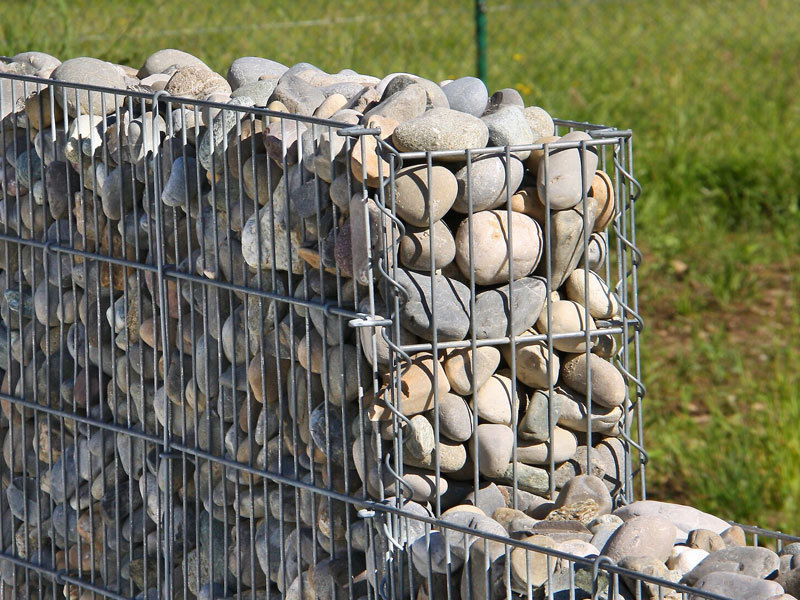
View Products
Steel Pipe Series
View Products
Steel Sheet Series
View Products
Steel Coil Series
View Products
-
-
-

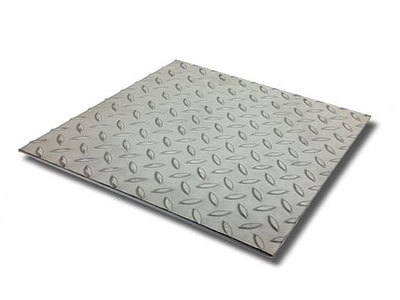
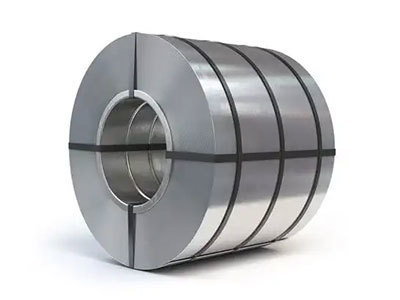
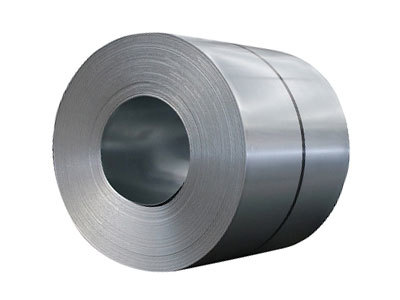
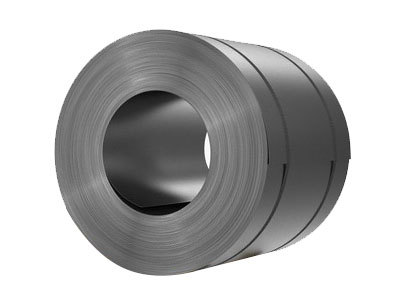
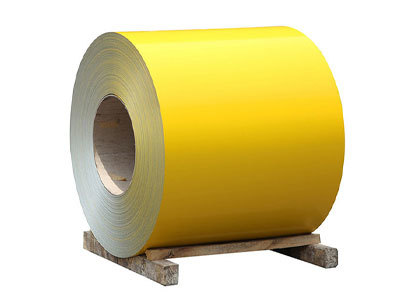

The Critical Role of Galvanized Steel Sheets in Building Earthquake-Resistant Structures
Jun 12,2026
The Critical Role of Galvanized Steel Sheets in Building Earthquake-Resistant Structures
Table of Contents
Introduction to Earthquake-Resistant Structures
The Significance of Galvanized Steel Sheets
Properties of Galvanized Steel Sheets
Applications of Galvanized Steel in Seismic Design
Benefits of Using Galvanized Steel Sheets in Construction
Best Practices for Installation of Galvanized Steel S
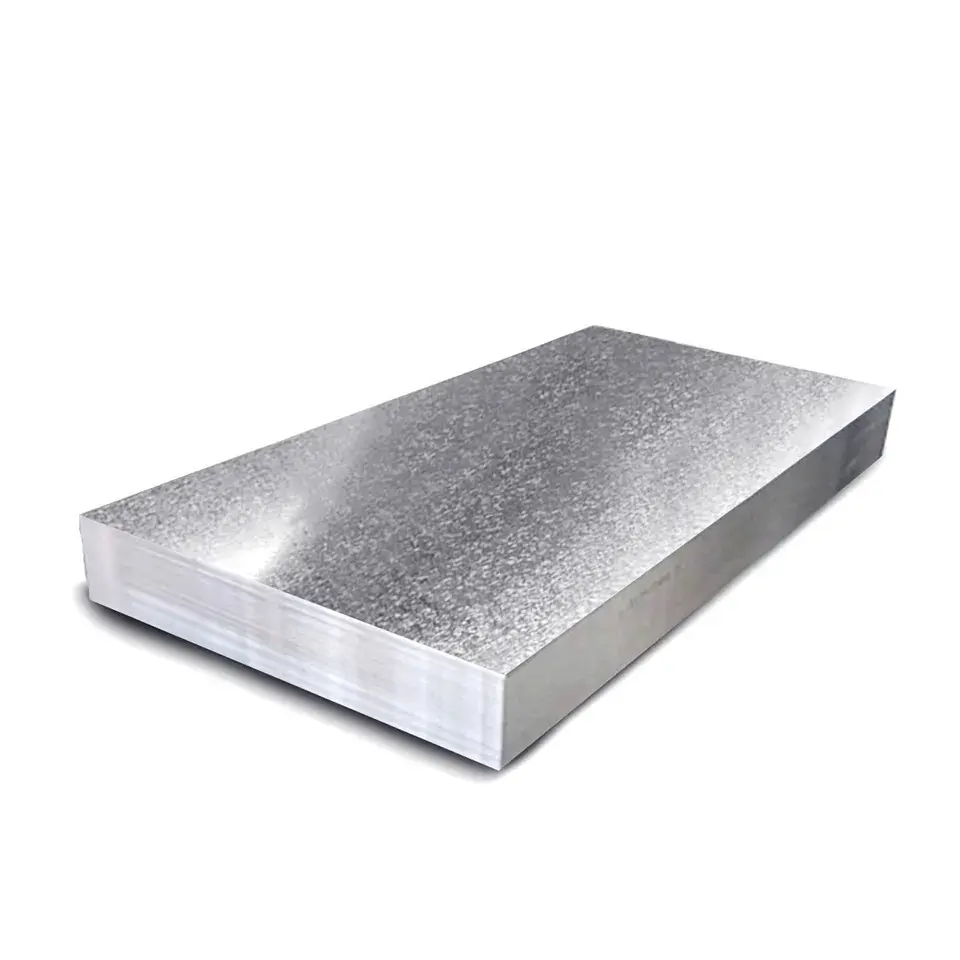
The Critical Role of Galvanized Steel Sheets in Building Earthquake-Resistant Structures
Table of Contents
- Introduction to Earthquake-Resistant Structures
- The Significance of Galvanized Steel Sheets
- Properties of Galvanized Steel Sheets
- Applications of Galvanized Steel in Seismic Design
- Benefits of Using Galvanized Steel Sheets in Construction
- Best Practices for Installation of Galvanized Steel Sheets
- Future Trends in Earthquake-Resistant Design
- Conclusion
- FAQs
Introduction to Earthquake-Resistant Structures
The increasing frequency and intensity of earthquakes have made it imperative for architects and engineers to focus on **earthquake-resistant structures**. These structures are designed to survive seismic events, minimizing damage and ensuring the safety of occupants. One crucial material in such designs is **galvanized steel sheet**, known for its strength, durability, and resistance to corrosion.
The Significance of Galvanized Steel Sheets
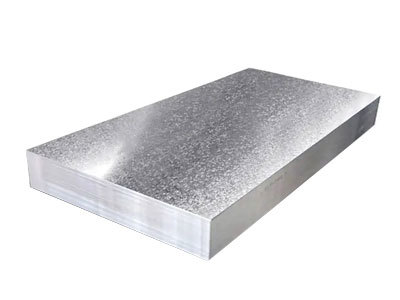
Galvanized steel sheets are steel sheets coated with a layer of zinc to prevent rusting and corrosion. Their significance in construction, particularly in **earthquake-resistant designs**, lies in their unique properties that enhance structural integrity. As buildings face lateral forces during an earthquake, the ability of galvanized steel sheets to maintain their strength makes them a preferred choice among builders.
Understanding the Composition of Galvanized Steel
Galvanized steel is produced through a process called hot-dip galvanization, where steel is submerged in molten zinc. This process ensures a robust bond between the zinc coating and the steel substrate, resulting in a strong, protective layer that enhances the longevity of the material.
Why Galvanization Matters in Earthquake Safety
During an earthquake, structures experience both vertical and lateral forces. Galvanized steel sheets provide the tensile strength necessary to withstand these forces, ensuring that buildings remain intact and safe. Their corrosion-resistant properties are crucial for maintaining structural strength over time, especially in regions prone to seismic activity.
Properties of Galvanized Steel Sheets
The properties of galvanized steel sheets make them ideal for use in earthquake-resistant structures. Here, we explore the key characteristics that set them apart:
Corrosion Resistance
One of the standout features of galvanized steel is its resistance to corrosion. The zinc coating acts as a barrier, protecting the underlying steel from moisture and environmental factors that could lead to rust.
Durability and Strength
Galvanized steel sheets exhibit high tensile strength, enabling them to bear significant loads without deformation. This strength is paramount in earthquake-resistant designs, where the structural framework must endure intense stress.
Lightweight Nature
Compared to other construction materials, galvanized steel sheets are relatively lightweight. This characteristic is beneficial during seismic events, as lighter structures can exhibit less inertia and are less likely to collapse under seismic forces.
Ease of Fabrication and Installation
Galvanized steel sheets are easy to cut, shape, and weld, allowing for quick and efficient installation. This ease of handling is advantageous on construction sites, especially when time is of the essence in building earthquake-resistant structures.
Applications of Galvanized Steel in Seismic Design
Galvanized steel sheets find a variety of applications in seismic design. Below are some key areas where these materials play a critical role:
Structural Frames
In earthquake-resistant buildings, galvanized steel sheets are commonly used in structural frames. They provide essential lateral support, ensuring that the framework can endure the side-to-side movements caused by seismic activity.
Shear Walls
Shear walls made of galvanized steel sheets are integral in resisting lateral forces. These walls enhance the overall stiffness of the building, acting as a countermeasure against shaking during an earthquake.
Roofing and Cladding
The use of galvanized steel sheets for roofing and cladding not only adds aesthetic appeal but also contributes to the structural integrity of buildings. This application helps protect the underlying structure from environmental damage while providing essential thermal insulation.
Bracing Systems
Bracing systems using galvanized steel sheets are essential for providing additional support to buildings in seismic zones. These systems help distribute forces evenly, reducing the risk of structural failure during an earthquake.
Benefits of Using Galvanized Steel Sheets in Construction
Utilizing galvanized steel sheets in construction offers numerous advantages:
Enhanced Safety
The primary benefit of using galvanized steel in earthquake-resistant structures is safety. Its superior strength and resilience reduce the risk of structural failure, protecting both occupants and investments.
Cost-Effectiveness
While the initial cost of galvanized steel sheets may vary, their durability leads to lower maintenance costs over time. This cost-effectiveness is especially critical in areas prone to seismic activity, where regular repairs could become financially burdensome.
Environmental Sustainability
Galvanized steel is a recyclable material, contributing to sustainable construction practices. By choosing galvanized steel sheets, builders can reduce their environmental impact while ensuring the longevity of their structures.
Adaptability to Various Designs
The versatility of galvanized steel sheets allows them to be incorporated into a wide range of architectural designs. Whether it’s a residential building or a large commercial space, these sheets can be tailored to meet specific design requirements without compromising structural integrity.
Best Practices for Installation of Galvanized Steel Sheets
To maximize the benefits of galvanized steel sheets, adhering to best practices during installation is crucial:
Preparation of Surfaces
Before installation, ensure that all surfaces are clean and free from contaminants. This preparation helps in achieving a strong bond and enhances the efficacy of the galvanized steel sheets.
Proper Fastening Techniques
Using appropriate fastening techniques is essential for maintaining the structural integrity of the sheets. Ensure that fasteners are made of compatible materials to prevent galvanic corrosion.
Regular Inspections
Conduct periodic inspections of structures incorporating galvanized steel sheets to identify any signs of wear or damage. Early detection of issues ensures that necessary repairs can be made before they escalate.
Future Trends in Earthquake-Resistant Design
As technology advances, the construction industry continues to evolve. Future trends in earthquake-resistant design may include:
Smart Materials
Integrating smart materials into construction may provide enhanced monitoring and response capabilities during seismic events. This innovation could result in even greater safety and resilience in buildings.
Advanced Structural Analysis
Utilizing advanced software for structural analysis can help architects and engineers design more effective earthquake-resistant structures by simulating various seismic scenarios.
Collaborative Approaches
Collaboration between engineers, architects, and material scientists can yield innovative solutions that further enhance the performance and safety of buildings in seismic regions.
Conclusion
In summary, galvanized steel sheets play a pivotal role in the construction of earthquake-resistant structures. Their remarkable properties—corrosion resistance, durability, and lightweight nature—make them an ideal choice for enhancing the safety and longevity of buildings in seismic zones. By adhering to best practices during installation and staying abreast of future trends, construction professionals can ensure that their designs are not only resilient but also sustainable.
FAQs
What are galvanized steel sheets?
Galvanized steel sheets are steel sheets coated with zinc to protect against corrosion and enhance durability.
Why are galvanized steel sheets important in earthquake-resistant design?
Their strength, lightweight nature, and resistance to corrosion make them ideal for withstanding seismic forces.
How long do galvanized steel sheets last?
With proper installation and maintenance, galvanized steel sheets can last for several decades, often exceeding 50 years.
Can galvanized steel be recycled?
Yes, galvanized steel is recyclable, making it an environmentally sustainable choice in construction.
What are the best practices for installing galvanized steel sheets?
Best practices include surface preparation, using appropriate fastening techniques, and conducting regular inspections to ensure structural integrity.
By leveraging the unique properties and benefits of galvanized steel sheets, we can create safer and more resilient structures capable of withstanding the challenges posed by earthquakes.
TAG:
PREVIOUS:
Contact Us
Phone/WhatsApp
Address
B1213 Global Centre, No.226 Zhonghua North Street, Shijiazhuang, China


WhatsApp / Wechat
TEL / FAX
Address
B1213 Global Centre, No.226 Zhonghua North Street, Shijiazhuang, China