

-
Grating Series
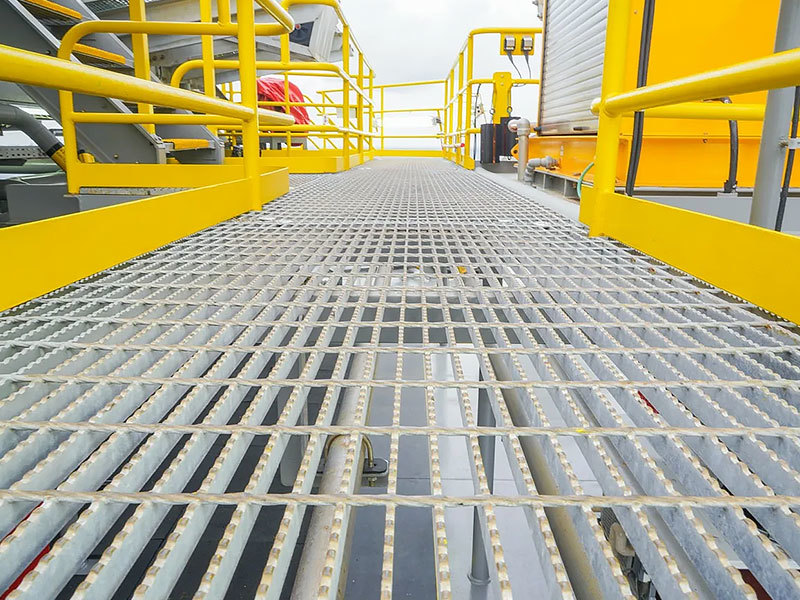
View Products
Wire Mesh Series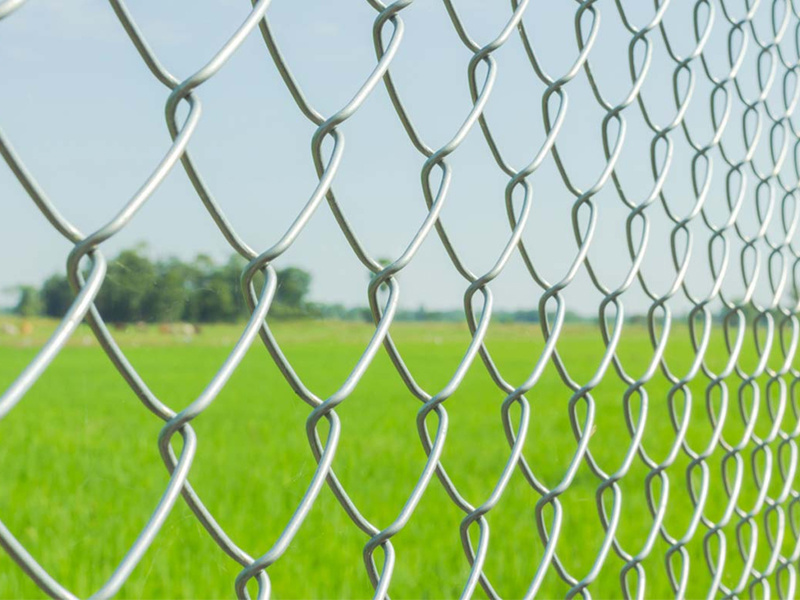
View Products
Wire Mesh Fence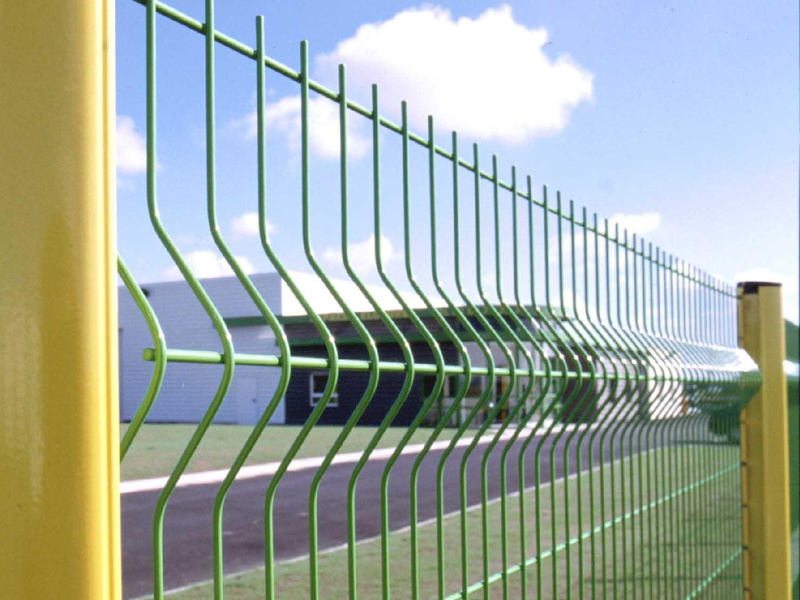
View Products
Barbed Wire Series
View Products
Gabion Basket Series
View Products
Steel Pipe Series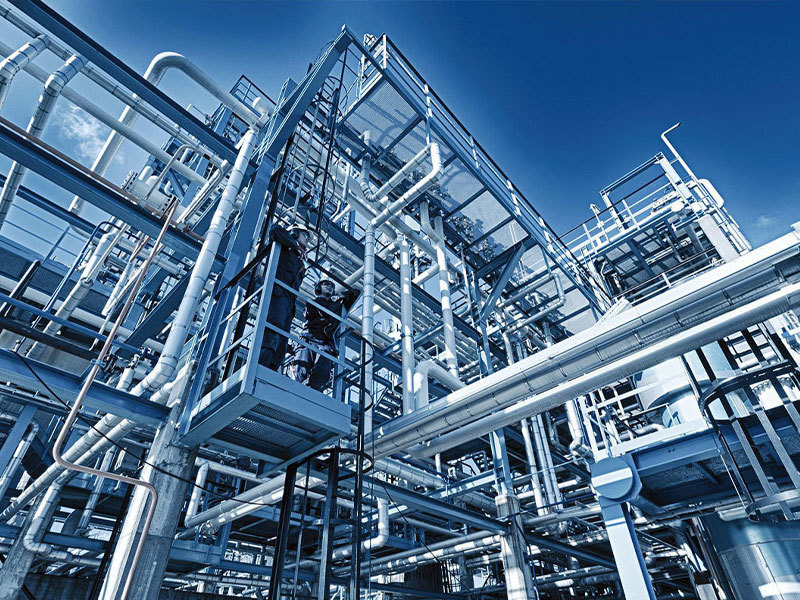
View Products
Steel Sheet Series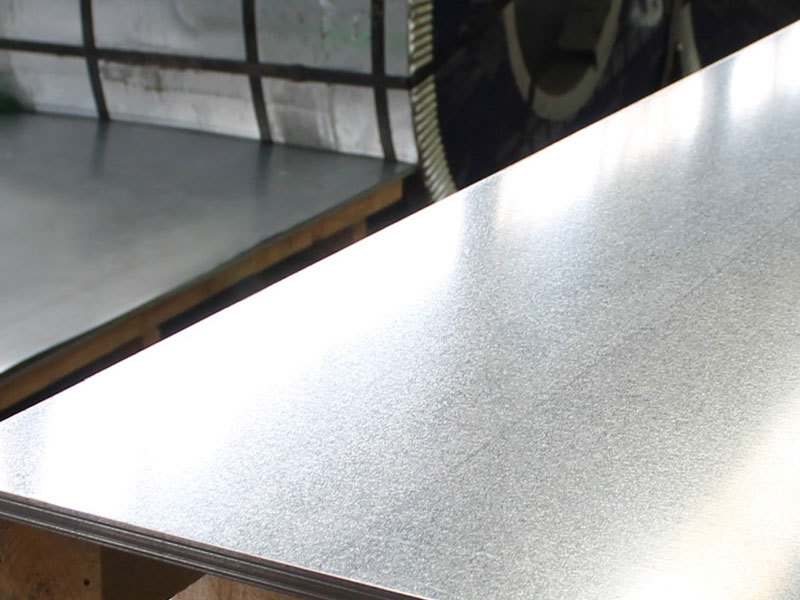
View Products
Steel Coil Series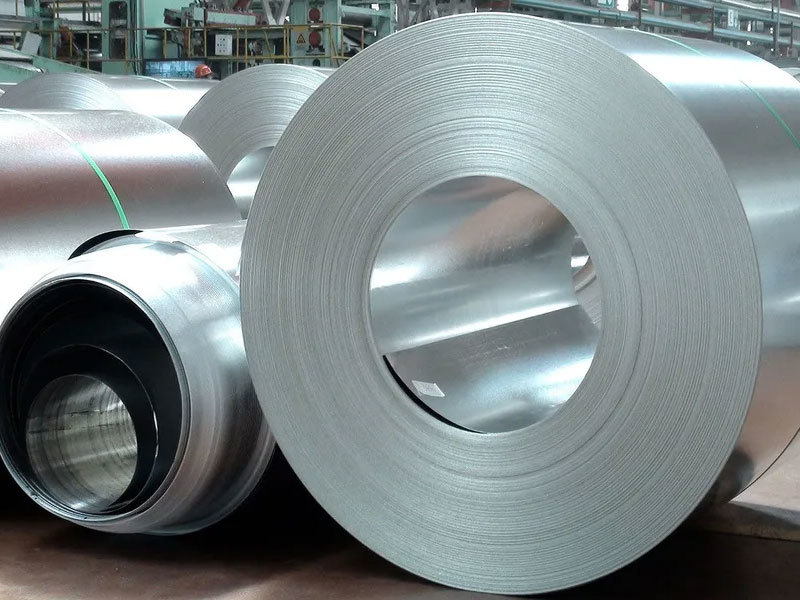
View Products
-
-
-
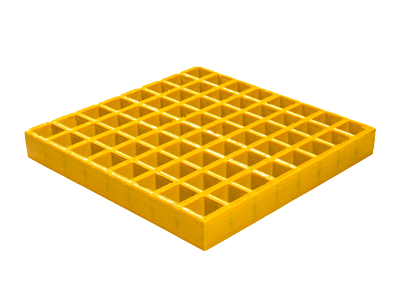


Understanding FRP Grating: Benefits and Applications in Construction
Jun 11,2026
FRP (Fiberglass Reinforced Plastic) grating is an innovative material that has garnered attention in the construction and decorating materials industry. Known for its exceptional strength-to-weight ratio, FRP grating provides a versatile solution across multiple applications. This article will explore the benefits, characteristics, and practical uses of FRP grating in construction.
One of the most

FRP (Fiberglass Reinforced Plastic) grating is an innovative material that has garnered attention in the construction and decorating materials industry. Known for its exceptional strength-to-weight ratio, FRP grating provides a versatile solution across multiple applications. This article will explore the benefits, characteristics, and practical uses of FRP grating in construction.
One of the most significant advantages of FRP grating is its corrosion resistance. Unlike traditional materials such as steel, FRP does not rust or corrode when exposed to moisture and harsh chemicals. This property makes it ideal for environments where other materials may deteriorate, such as waste treatment facilities, chemical processing plants, and coastal areas. The longevity of FRP grating reduces maintenance costs over time, providing a more sustainable option for building projects.
In addition to its corrosion resistance, FRP grating is lightweight yet incredibly strong. This combination allows for easier installation and reduces the load on structural supports. Construction teams can transport and handle FRP grating with less effort, ultimately leading to faster project completion times. Its strength also means that it can bear heavy loads, making it suitable for various applications, including walkways, platforms, and stairways.
Another noteworthy characteristic of FRP grating is its slip-resistant surface. The material can be manufactured with a textured surface that provides excellent traction, promoting safety in areas where wet or slippery conditions may exist. This feature is particularly beneficial in industrial settings, where worker safety is paramount.
Moreover, FRP grating is available in various colors and styles. This aesthetic flexibility allows architects and builders to choose designs that complement their projects while maintaining functional integrity. Whether for a modern aesthetic or a more traditional look, FRP grating can be tailored to meet specific design requirements.
Furthermore, FRP grating is non-conductive, making it a safe choice for electrical applications. This property is particularly advantageous in environments where electrical hazards may be present, as it reduces the risk of accidents during routine operations.
In summary, FRP grating stands out as a superior alternative to traditional building materials in the construction industry. Its unique properties, including corrosion resistance, lightweight strength, slip resistance, aesthetic versatility, and non-conductivity, make it an excellent choice for various applications. As the industry continues to evolve, the adoption of innovative materials like FRP grating will likely increase, paving the way for safer, more efficient, and aesthetically pleasing building solutions.
One of the most significant advantages of FRP grating is its corrosion resistance. Unlike traditional materials such as steel, FRP does not rust or corrode when exposed to moisture and harsh chemicals. This property makes it ideal for environments where other materials may deteriorate, such as waste treatment facilities, chemical processing plants, and coastal areas. The longevity of FRP grating reduces maintenance costs over time, providing a more sustainable option for building projects.
In addition to its corrosion resistance, FRP grating is lightweight yet incredibly strong. This combination allows for easier installation and reduces the load on structural supports. Construction teams can transport and handle FRP grating with less effort, ultimately leading to faster project completion times. Its strength also means that it can bear heavy loads, making it suitable for various applications, including walkways, platforms, and stairways.
Another noteworthy characteristic of FRP grating is its slip-resistant surface. The material can be manufactured with a textured surface that provides excellent traction, promoting safety in areas where wet or slippery conditions may exist. This feature is particularly beneficial in industrial settings, where worker safety is paramount.
Moreover, FRP grating is available in various colors and styles. This aesthetic flexibility allows architects and builders to choose designs that complement their projects while maintaining functional integrity. Whether for a modern aesthetic or a more traditional look, FRP grating can be tailored to meet specific design requirements.
Furthermore, FRP grating is non-conductive, making it a safe choice for electrical applications. This property is particularly advantageous in environments where electrical hazards may be present, as it reduces the risk of accidents during routine operations.
In summary, FRP grating stands out as a superior alternative to traditional building materials in the construction industry. Its unique properties, including corrosion resistance, lightweight strength, slip resistance, aesthetic versatility, and non-conductivity, make it an excellent choice for various applications. As the industry continues to evolve, the adoption of innovative materials like FRP grating will likely increase, paving the way for safer, more efficient, and aesthetically pleasing building solutions.
TAG:
Contact Us
Phone/WhatsApp
Address
B1213 Global Centre, No.226 Zhonghua North Street, Shijiazhuang, China


WhatsApp / Wechat
TEL / FAX
Address
B1213 Global Centre, No.226 Zhonghua North Street, Shijiazhuang, China