

-
Grating Series
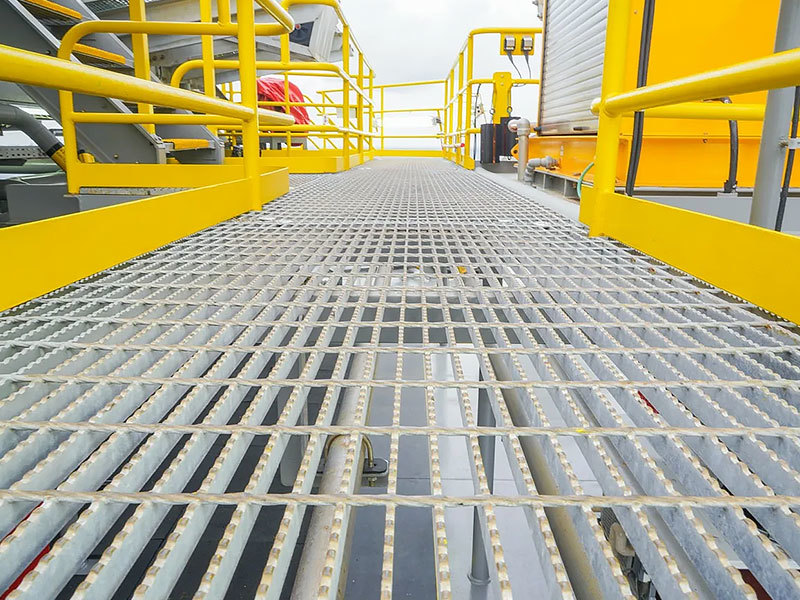
View Products
Wire Mesh Series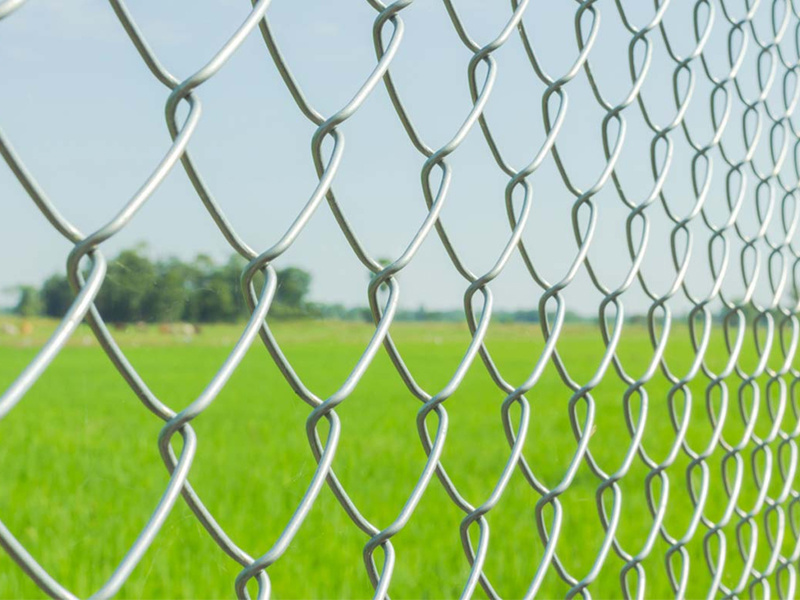
View Products
Wire Mesh Fence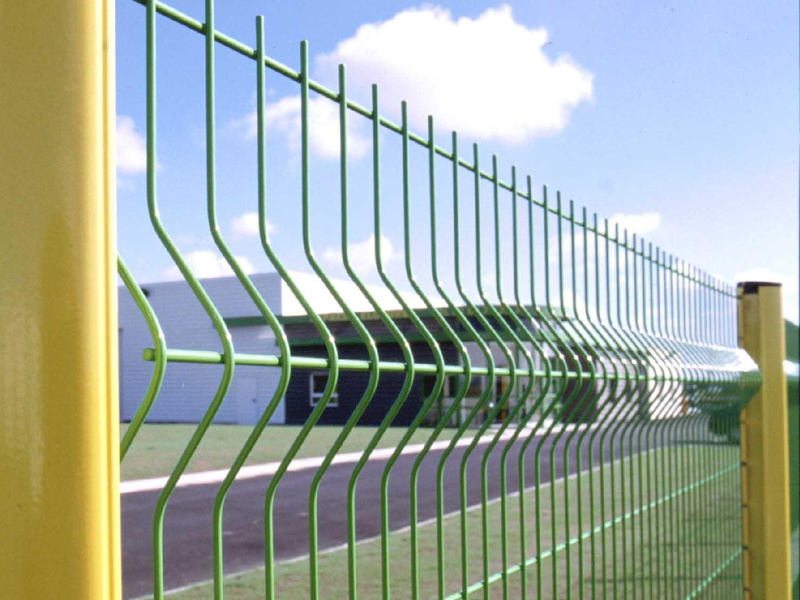
View Products
Barbed Wire Series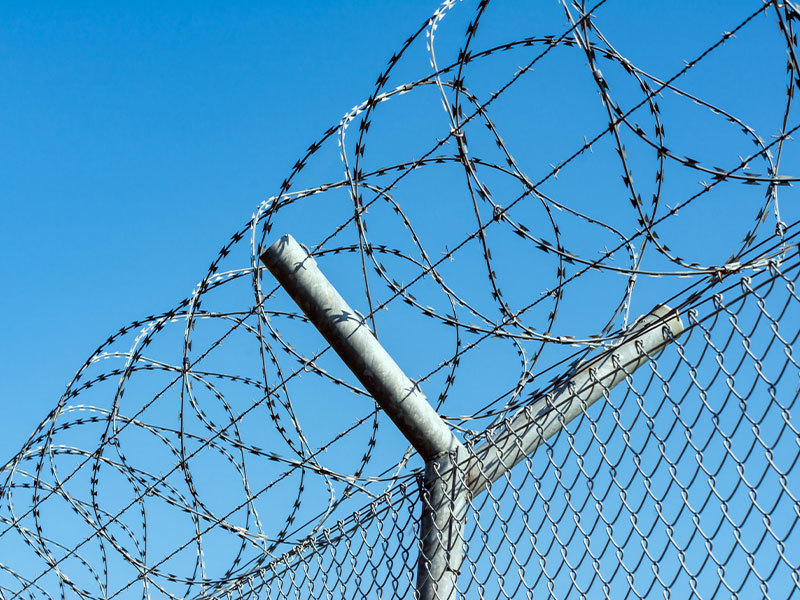
View Products
Gabion Basket Series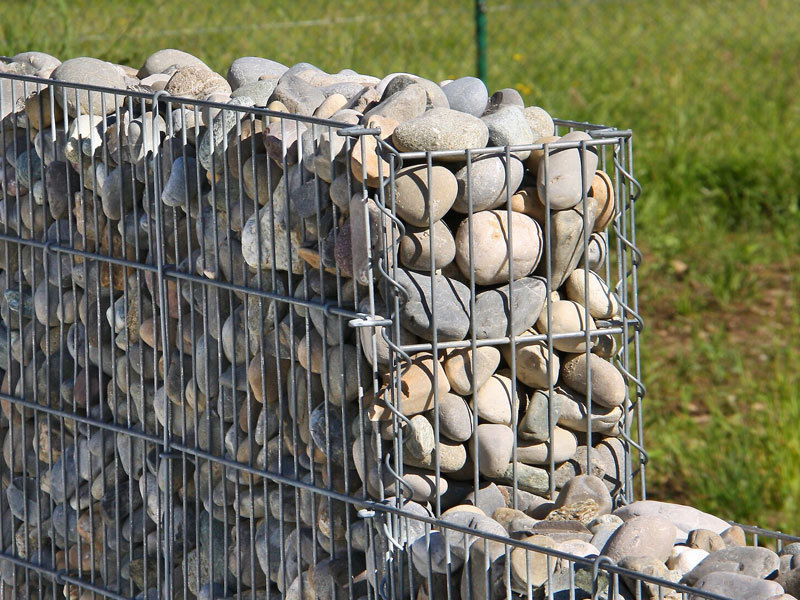
View Products
Steel Pipe Series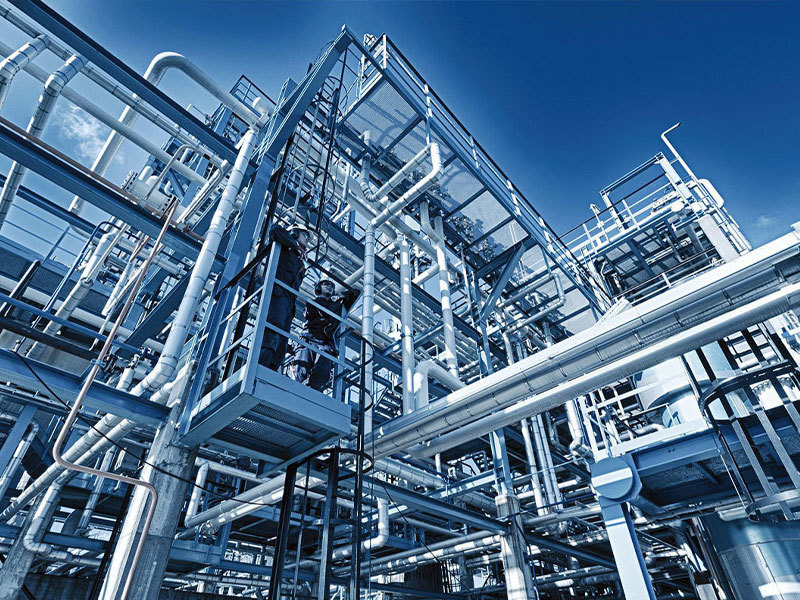
View Products
Steel Sheet Series
View Products
Steel Coil Series
View Products
-
-
-

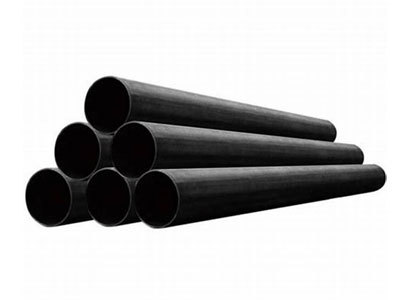

Seamless Steel Pipe: The Ideal Choice for Structural Integrity
Sep 08,2026
Introduction to Seamless Steel Pipes
Seamless steel pipes have emerged as a fundamental component in construction and structural applications. Known for their exceptional strength and durability, they are increasingly favored over their welded counterparts. In this article, we will explore the characteristics that make seamless steel pipes the ideal choice for ensuring structural integrity in vari
Introduction to Seamless Steel Pipes
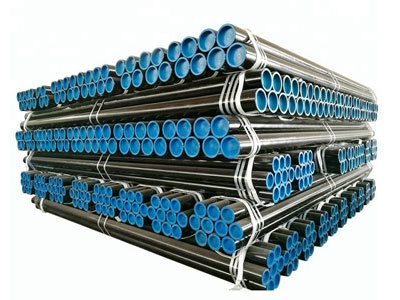
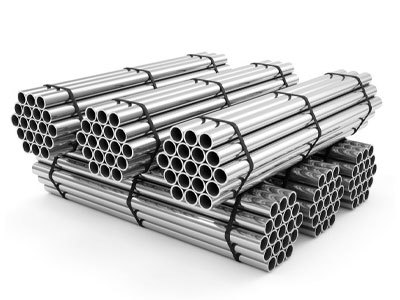
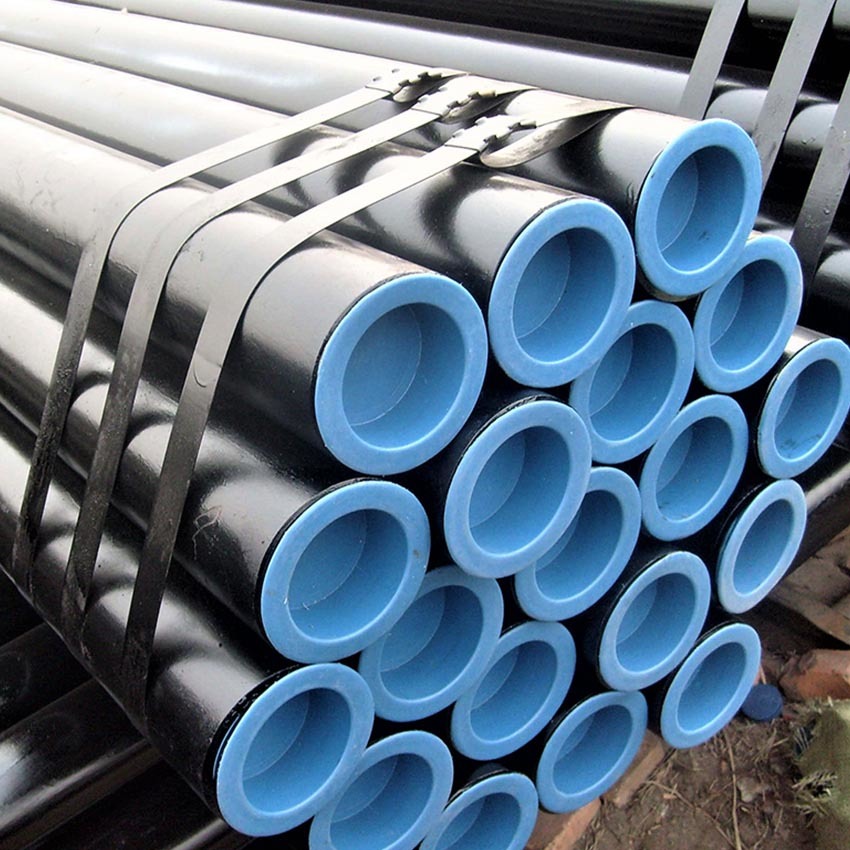
Seamless steel pipes have emerged as a fundamental component in construction and structural applications. Known for their exceptional strength and durability, they are increasingly favored over their welded counterparts. In this article, we will explore the characteristics that make seamless steel pipes the ideal choice for ensuring structural integrity in various industries.
Understanding Seamless Steel Pipes
Seamless steel pipes are manufactured without any welds, which significantly enhances their strength and resistance to pressure. Unlike welded pipes, which can be weak at the seams, seamless pipes are forged from solid steel billets. The manufacturing process involves heating the steel and then forming it into a pipe shape, which is drawn over a mandrel to create a hollow tube. This process eliminates the risk of weld failure and offers various advantages.
The Manufacturing Process of Seamless Steel Pipes
The production of seamless steel pipes involves several stages:
1. Material Selection
High-quality steel billets are chosen based on the desired specifications for the pipe. Factors such as tensile strength, corrosion resistance, and intended application play crucial roles in material selection.
2. Heating and Piercing
The selected steel billets are heated to high temperatures before being pierced with a tool that creates a hollow shaft. This is one of the most critical steps in the manufacturing process, ensuring the integrity of the pipe.
3. Elongation and Sizing
The hollow pipe is then elongated and sized on a mandrel. This step helps achieve the precise dimensions required for various applications.
4. Heat Treatment
After sizing, the pipes undergo heat treatment to enhance their mechanical properties, such as strength and ductility. This ensures that the final product can withstand various stresses and pressures.
5. Testing and Inspection
Each pipe is subjected to rigorous testing, including non-destructive tests, to ensure there are no defects. This quality assurance step is essential for guaranteeing the pipe's reliability in its intended application.
Advantages of Seamless Steel Pipes
Choosing seamless steel pipes offers numerous benefits that contribute to their growing popularity in construction and manufacturing:
1. Enhanced Strength and Durability
Without seams, seamless steel pipes exhibit superior strength, making them ideal for high-pressure applications. They can withstand extreme conditions, ensuring structural integrity over time.
2. Excellent Corrosion Resistance
Seamless steel pipes can be coated or treated to enhance their resistance to corrosive environments. This property is vital for applications in industries like oil and gas, where exposure to harsh chemicals is common.
3. Higher Reliability
The absence of welds eliminates weak points in the pipe, leading to a lower risk of failure. This reliability is crucial for ensuring safety in structural applications.
4. Versatility in Applications
Seamless steel pipes are used across various industries, including construction, automotive, aerospace, and oil and gas. Their adaptability makes them suitable for a wide range of structural applications.
5. Cost-Effectiveness in the Long Run
While the initial cost of seamless steel pipes may be higher than welded pipes, their durability and lower maintenance requirements make them a cost-effective choice over the long term.
Applications of Seamless Steel Pipes
Seamless steel pipes are utilized in numerous applications due to their strength and reliability:
1. Construction and Structural Frameworks
In the construction industry, seamless steel pipes are frequently used for structural frameworks, columns, and beams. Their strength makes them ideal for supporting heavy loads.
2. Oil and Gas Industry
These pipes are extensively used in the oil and gas sector for transporting fluids under high pressure. Their corrosion resistance is particularly beneficial for offshore drilling applications.
3. Automotive Industry
Seamless steel pipes are used in various automotive components, including exhaust systems and chassis, due to their strength and lightweight properties.
4. Aerospace Applications
In the aerospace industry, seamless steel pipes are critical for fuel lines and hydraulic systems. Their reliability is essential for ensuring safety in flight operations.
5. Manufacturing Equipment
Seamless pipes are also employed in manufacturing machinery and equipment, where high-pressure applications are prevalent.
Choosing the Right Seamless Steel Pipe
When selecting seamless steel pipes for your projects, several factors should be considered:
1. Material Specifications
Understand the specific material requirements based on your application. Different grades of steel offer varying levels of strength, corrosion resistance, and ductility.
2. Pipe Dimensions
Accurate dimensions are crucial for seamless steel pipes to fit correctly in your structural designs. Ensure you have the right measurements before placing an order.
3. Industry Standards
Familiarize yourself with the industry standards relevant to your application. Compliance with these standards ensures that the pipes meet necessary safety and quality requirements.
4. Supplier Reputation
Choose a reputable supplier with experience in providing seamless steel pipes. A trusted supplier will ensure high-quality products and reliable delivery schedules.
FAQs about Seamless Steel Pipes
1. What is the main difference between seamless and welded steel pipes?
Seamless steel pipes are manufactured without seams, providing greater strength and reliability, while welded pipes are formed by welding together two or more pieces of steel.
2. Are seamless steel pipes more expensive than welded pipes?
Yes, the manufacturing process of seamless pipes is typically more costly, but their durability and lower maintenance needs can make them more cost-effective in the long run.
3. What industries commonly use seamless steel pipes?
Seamless steel pipes are widely used in industries such as construction, oil and gas, automotive, aerospace, and manufacturing.
4. Can seamless steel pipes be coated for corrosion resistance?
Yes, seamless steel pipes can be coated with various materials to enhance their resistance to corrosion, making them suitable for harsh environments.
5. How do I ensure the quality of seamless steel pipes I purchase?
Choose a reputable supplier and request documentation of compliance with industry standards, along with inspection reports for quality assurance.
Conclusion
In summary, seamless steel pipes represent a pinnacle of engineering excellence in the construction and industrial sectors. Their unwavering strength, durability, and versatility make them the ideal choice for applications that demand structural integrity. By understanding the manufacturing process, advantages, and applications of seamless steel pipes, we can make informed decisions that enhance the safety and effectiveness of our projects. Embracing seamless steel pipes is not just a choice; it is a commitment to quality and reliability in construction.
TAG:
PREVIOUS:
Contact Us
Phone/WhatsApp
Address
B1213 Global Centre, No.226 Zhonghua North Street, Shijiazhuang, China


WhatsApp / Wechat
TEL / FAX
Address
B1213 Global Centre, No.226 Zhonghua North Street, Shijiazhuang, China