

-
Grating Series
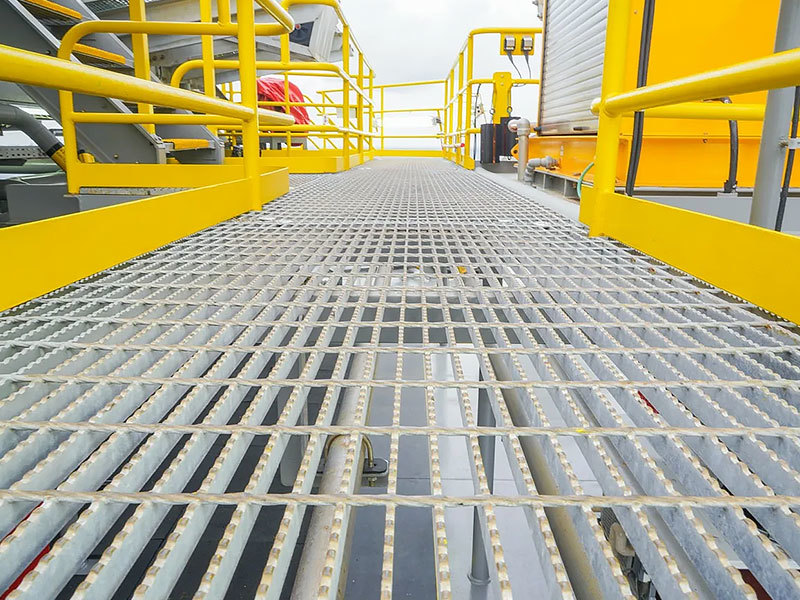
View Products
Wire Mesh Series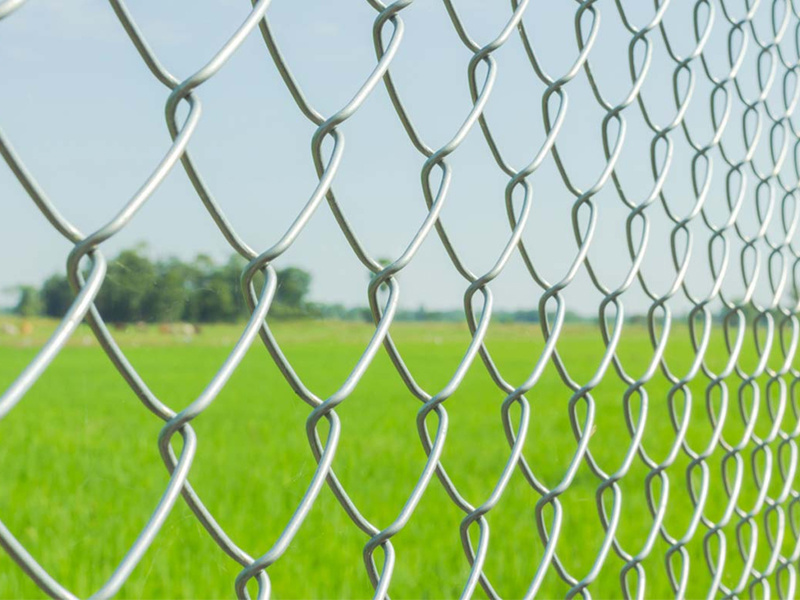
View Products
Wire Mesh Fence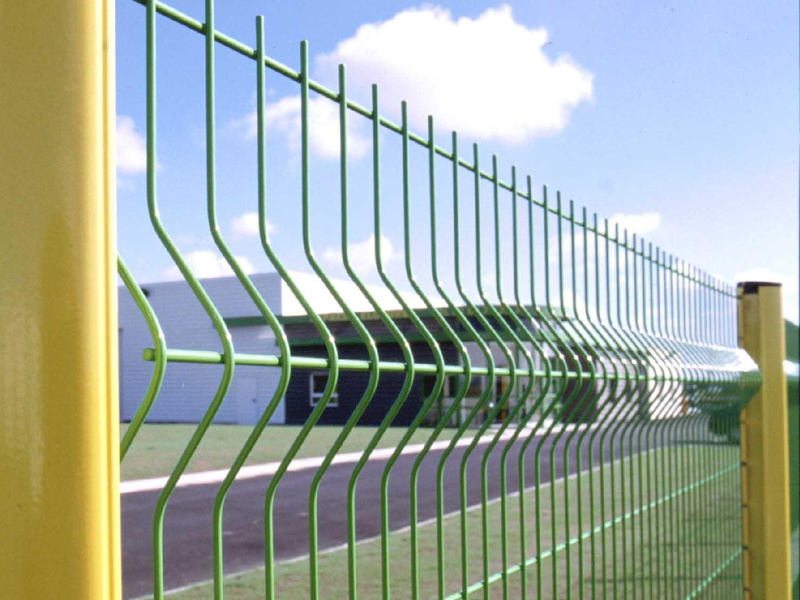
View Products
Barbed Wire Series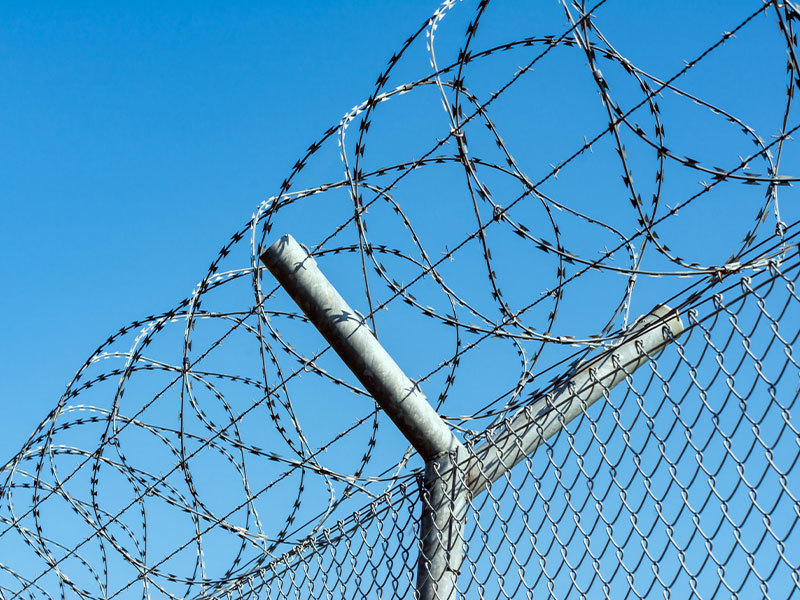
View Products
Gabion Basket Series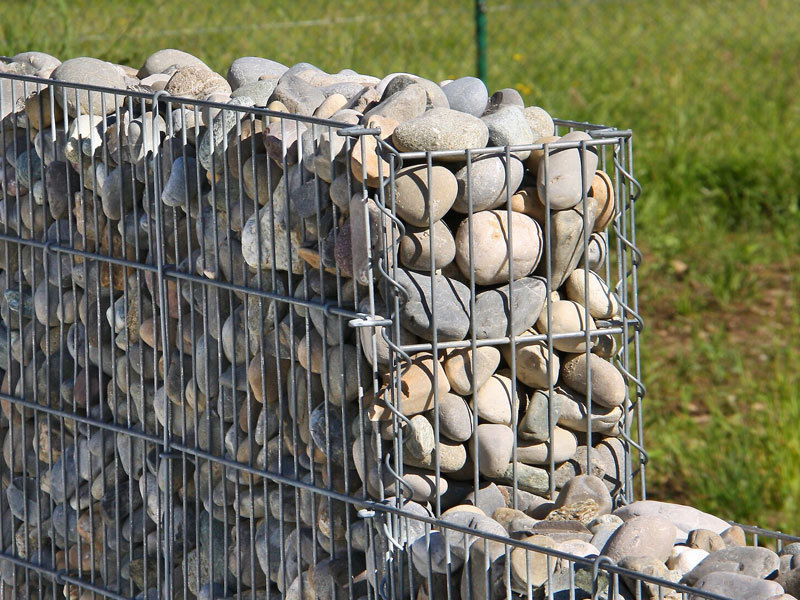
View Products
Steel Pipe Series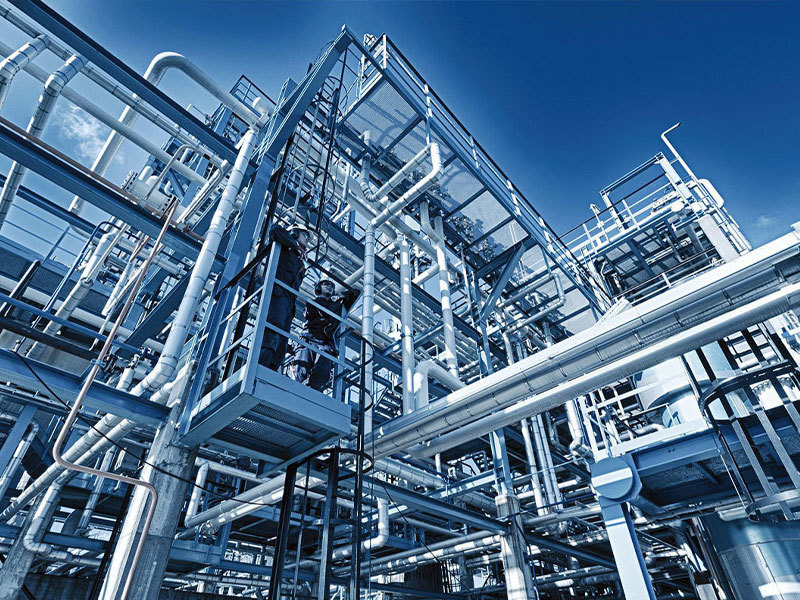
View Products
Steel Sheet Series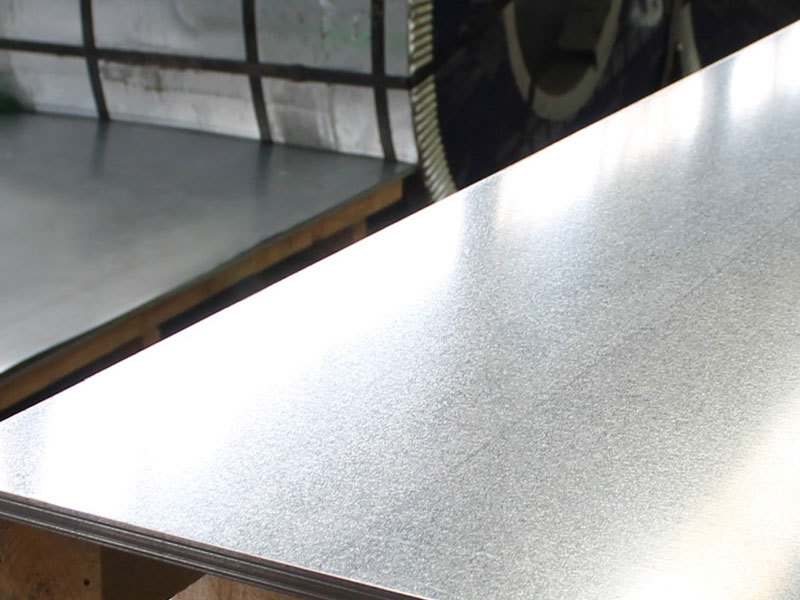
View Products
Steel Coil Series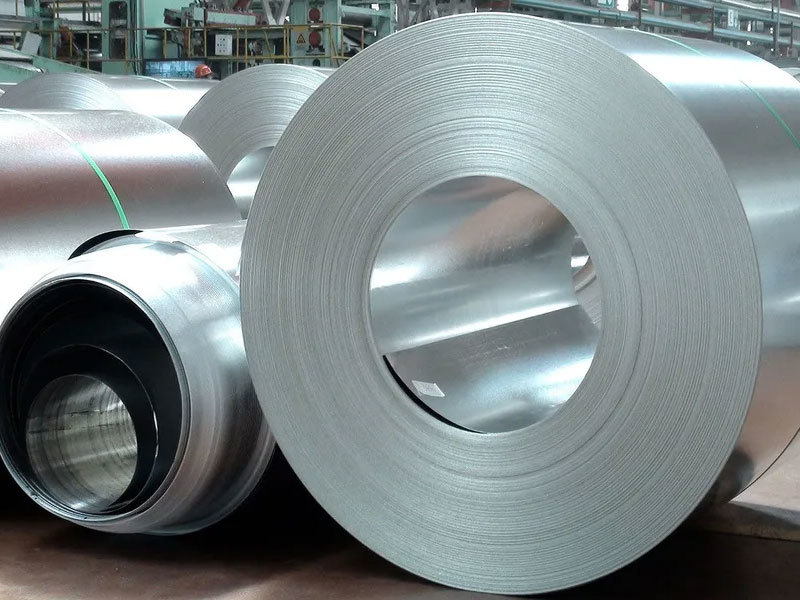
View Products
-
-
-


The Versatility and Benefits of FRP Grating in Construction
Jun 03,2026
Fiber Reinforced Plastic (FRP) grating is increasingly being recognized as a superior alternative to traditional materials in the construction and building industry. Composed of a polymer matrix reinforced with fibrous materials, FRP grating provides a range of benefits that enhance its usability in diverse applications, particularly in environments where corrosion resistance and lightweight chara

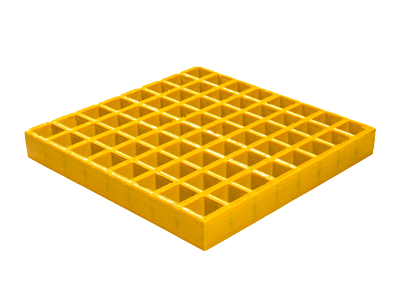
Fiber Reinforced Plastic (FRP) grating is increasingly being recognized as a superior alternative to traditional materials in the construction and building industry. Composed of a polymer matrix reinforced with fibrous materials, FRP grating provides a range of benefits that enhance its usability in diverse applications, particularly in environments where corrosion resistance and lightweight characteristics are essential.
One of the most notable advantages of FRP grating is its exceptional corrosion resistance. Unlike steel grating, which can deteriorate rapidly when exposed to harsh chemicals or adverse weather conditions, FRP grating remains unaffected by moisture, chemicals, and ultraviolet (UV) rays. This property makes it particularly suitable for use in industrial settings, wastewater treatment plants, and coastal areas where environmental factors can lead to accelerated wear and tear.
Moreover, the lightweight nature of FRP grating allows for easy installation and handling, which significantly reduces labor costs and project timelines. This feature is particularly advantageous in construction projects where quick turnaround and efficiency are paramount. The ease of installation is complemented by the material's slip-resistant surface, enhancing safety and ensuring compliance with safety standards in both industrial and commercial environments.
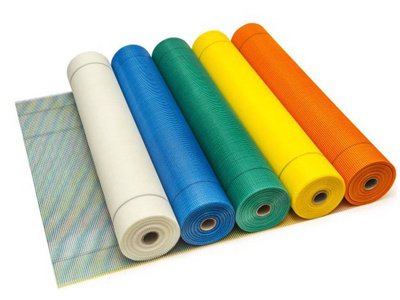
Another critical factor to consider is the design flexibility that FRP grating offers. It can be manufactured in various colors and shapes, allowing architects and designers to customize it to fit the aesthetic needs of a project while maintaining functional requirements. This versatility extends to its application across a broad range of sectors, including transportation, pharmaceuticals, and food processing, where hygiene and safety are of utmost importance.
In terms of sustainability, FRP grating is an environmentally friendly option due to its long lifespan and minimal maintenance requirements. The reduced need for frequent replacements not only lowers the material consumption over time but also minimizes waste disposal issues associated with traditional materials.
Additionally, FRP grating is non-conductive, making it an excellent choice for electrical installations and facilities where electrical safety is a concern. This characteristic reduces the risk of electrical hazards, ensuring a safer working environment.
In conclusion, FRP grating stands out as a robust, versatile, and sustainable choice for modern construction needs. Its unique properties offer significant benefits beyond those provided by traditional materials, positioning it as an innovative solution for architects, engineers, and builders aiming to enhance the performance and longevity of their projects.
One of the most notable advantages of FRP grating is its exceptional corrosion resistance. Unlike steel grating, which can deteriorate rapidly when exposed to harsh chemicals or adverse weather conditions, FRP grating remains unaffected by moisture, chemicals, and ultraviolet (UV) rays. This property makes it particularly suitable for use in industrial settings, wastewater treatment plants, and coastal areas where environmental factors can lead to accelerated wear and tear.
Moreover, the lightweight nature of FRP grating allows for easy installation and handling, which significantly reduces labor costs and project timelines. This feature is particularly advantageous in construction projects where quick turnaround and efficiency are paramount. The ease of installation is complemented by the material's slip-resistant surface, enhancing safety and ensuring compliance with safety standards in both industrial and commercial environments.
Another critical factor to consider is the design flexibility that FRP grating offers. It can be manufactured in various colors and shapes, allowing architects and designers to customize it to fit the aesthetic needs of a project while maintaining functional requirements. This versatility extends to its application across a broad range of sectors, including transportation, pharmaceuticals, and food processing, where hygiene and safety are of utmost importance.
In terms of sustainability, FRP grating is an environmentally friendly option due to its long lifespan and minimal maintenance requirements. The reduced need for frequent replacements not only lowers the material consumption over time but also minimizes waste disposal issues associated with traditional materials.
Additionally, FRP grating is non-conductive, making it an excellent choice for electrical installations and facilities where electrical safety is a concern. This characteristic reduces the risk of electrical hazards, ensuring a safer working environment.
In conclusion, FRP grating stands out as a robust, versatile, and sustainable choice for modern construction needs. Its unique properties offer significant benefits beyond those provided by traditional materials, positioning it as an innovative solution for architects, engineers, and builders aiming to enhance the performance and longevity of their projects.
TAG:
PREVIOUS:
Contact Us
Phone/WhatsApp
Address
B1213 Global Centre, No.226 Zhonghua North Street, Shijiazhuang, China


WhatsApp / Wechat
TEL / FAX
Address
B1213 Global Centre, No.226 Zhonghua North Street, Shijiazhuang, China