

-
Grating Series
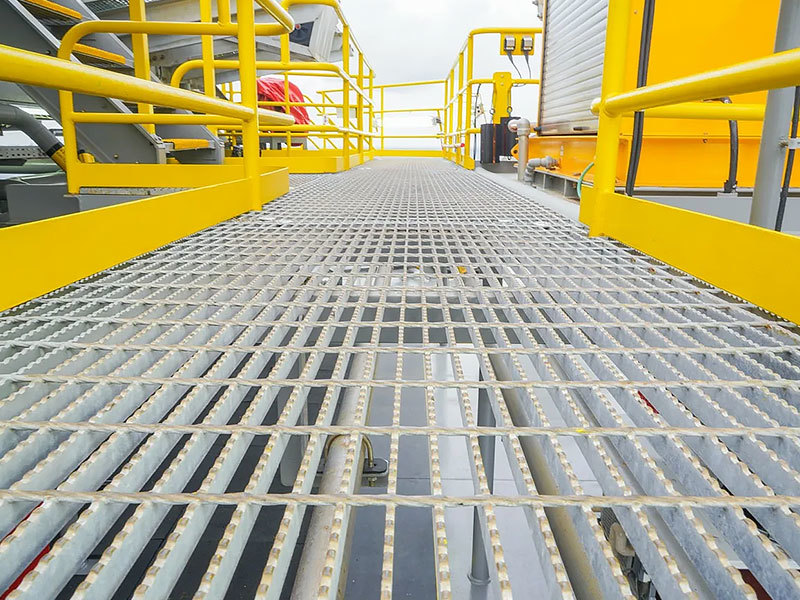
View Products
Wire Mesh Series
View Products
Wire Mesh Fence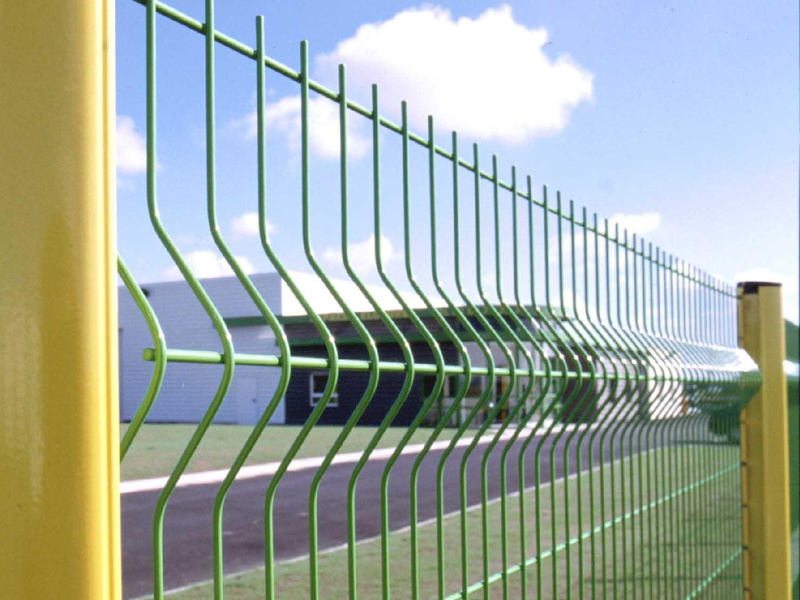
View Products
Barbed Wire Series
View Products
Gabion Basket Series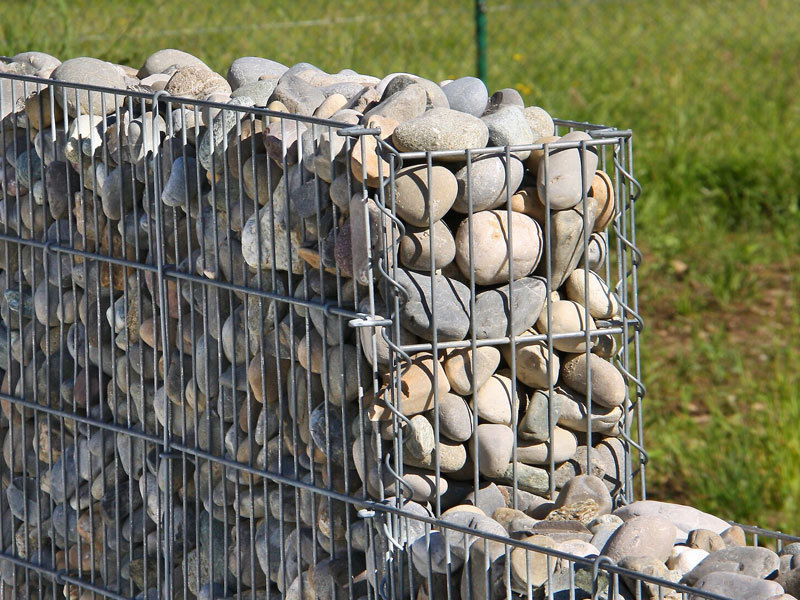
View Products
Steel Pipe Series
View Products
Steel Sheet Series
View Products
Steel Coil Series
View Products
-
-
-
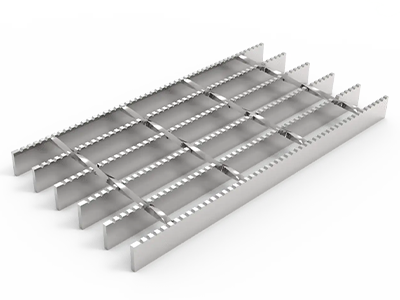
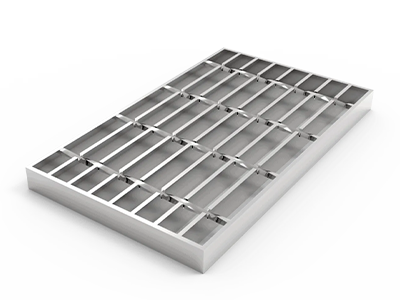

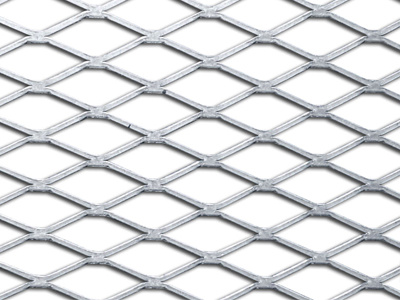

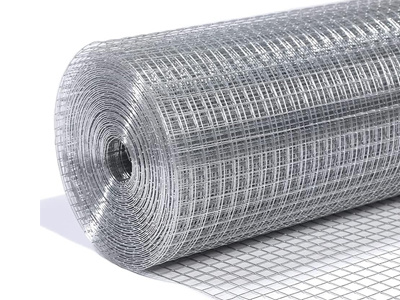


Future Trends: The Evolution of Stainless Steel Grating in Construction
Jun 02,2026
Future Trends: The Evolution of Stainless Steel Grating in Construction
Table of Contents
1. Introduction to Stainless Steel Grating in Construction
2. A Brief History of Stainless Steel Grating
3. Current Trends in Stainless Steel Grating
4. Technological Advancements in Stainless Steel Grating
5. Sustainability and Environmental Impact
6. Design Innovations in Stainless

Future Trends: The Evolution of Stainless Steel Grating in Construction
Table of Contents
- 1. Introduction to Stainless Steel Grating in Construction
- 2. A Brief History of Stainless Steel Grating
- 3. Current Trends in Stainless Steel Grating
- 4. Technological Advancements in Stainless Steel Grating
- 5. Sustainability and Environmental Impact
- 6. Design Innovations in Stainless Steel Grating
- 7. Applications of Stainless Steel Grating
- 8. Future Predictions for Stainless Steel Grating in Construction
- 9. Frequently Asked Questions (FAQs)
- 10. Conclusion
1. Introduction to Stainless Steel Grating in Construction
In the ever-evolving landscape of construction materials, **stainless steel grating** stands out as a versatile and durable option. It plays a crucial role in various applications, ranging from industrial flooring to architectural features. As construction methods and technologies advance, the evolution of stainless steel grating is becoming increasingly prominent. This article will explore the latest trends, innovations, and future directions in the use of stainless steel grating, ensuring that you remain informed about this essential material.
2. A Brief History of Stainless Steel Grating
Stainless steel was first developed in the early 20th century. Its corrosion resistance made it an ideal choice for various applications, including grating. Initially, stainless steel grating was primarily used in industrial settings due to its strength and ability to withstand harsh environments. Over the years, as architects and builders recognized its aesthetic appeal and functional benefits, the use of stainless steel grating expanded to commercial and residential projects.
3. Current Trends in Stainless Steel Grating
As we look at the current landscape, several trends are shaping the future of stainless steel grating in construction:
3.1 Increased Demand for Customization
More projects require **custom-designed grating** solutions tailored to specific needs. This demand for customization allows architects to create unique spaces while ensuring the functionality and safety of their designs.
3.2 Enhanced Aesthetic Appeal
Modern designs prioritize aesthetics alongside functionality. Stainless steel grating is available in various finishes, including polished, brushed, and painted, allowing for greater design flexibility.
3.3 Integration of Smart Technology
The integration of smart technologies in construction is on the rise. Stainless steel grating is evolving to accommodate these innovations, such as sensors that monitor foot traffic and environmental conditions.
4. Technological Advancements in Stainless Steel Grating
The construction industry is experiencing rapid technological advancements that significantly impact stainless steel grating.
4.1 Advanced Manufacturing Techniques
Techniques such as **laser cutting** and **CNC machining** allow for precision in grating design, reducing waste and increasing efficiency in production.
4.2 Improved Coating Technologies
Modern coatings enhance the durability and lifespan of stainless steel grating. These coatings provide additional protection against corrosion and wear, ensuring that grating maintains its functionality over time.
4.3 3D Printing
The advent of 3D printing technology is changing how stainless steel components are manufactured. This technology offers the potential for intricate designs that were previously challenging to create, pushing the boundaries of creativity in construction.
5. Sustainability and Environmental Impact
Sustainability is a significant concern in today's construction industry. Stainless steel grating scores high on the sustainability scale due to its recyclability and longevity.
5.1 Recyclability
Stainless steel is infinitely recyclable, making it an environmentally friendly option. Using recycled stainless steel in grating production reduces resource consumption and energy usage.
5.2 Longevity and Durability
The **durability** of stainless steel grating means that structures remain safe and functional for extended periods, minimizing the need for replacements and further resource use.
5.3 Low Maintenance Requirements
Stainless steel grating requires minimal maintenance compared to other materials, contributing to its sustainability by reducing the need for chemical cleaners and maintenance resources.
6. Design Innovations in Stainless Steel Grating
The design landscape for stainless steel grating is continually evolving. Innovations are driving creativity, resulting in more functional and visually appealing products.
6.1 Unique Patterns and Textures
Architects are experimenting with various patterns and textures to create visually striking installations. These innovations can significantly enhance the overall aesthetics of a project.
6.2 Integration with Other Materials
Combining stainless steel grating with materials like wood, glass, and concrete creates unique design elements that enhance the visual appeal of a space.
6.3 Modular Grating Solutions
Modular grating systems streamline installation and make it easier to adapt designs to different environments. These systems reduce labor costs and improve project timelines.
7. Applications of Stainless Steel Grating
Stainless steel grating's versatility allows for a wide range of applications in construction, including:
7.1 Industrial Applications
In industrial settings, stainless steel grating is often used for flooring, walkways, and drainage covers due to its strength and resistance to harsh chemicals.
7.2 Architectural Features
Stainless steel grating is increasingly used in architectural design, including **facades**, balconies, and staircases, where its aesthetic and functional qualities can shine.
7.3 Transportation Infrastructure
From bridges to airport terminals, stainless steel grating plays a vital role in transportation infrastructure, providing safety and durability.
8. Future Predictions for Stainless Steel Grating in Construction
As we look ahead, several predictions can be made regarding the future of stainless steel grating in the construction industry:
8.1 Enhanced Customization Options
The future will likely see increased demand for highly customized grating solutions, driven by the need for unique architectural designs and functional requirements.
8.2 Greater Focus on Sustainability
As environmental concerns grow, the focus on sustainable materials will continue to rise. Stainless steel grating's durability and recyclability will make it a preferred choice.
8.3 Integration of Smart Technologies
The use of smart technologies in construction is expected to expand further, with stainless steel grating incorporating sensors and monitoring systems to enhance its functionality.
9. Frequently Asked Questions (FAQs)
Q1: What is stainless steel grating?
A1: Stainless steel grating is a type of flooring or platform structure made from stainless steel, used in various applications for its durability and corrosion resistance.
Q2: How is stainless steel grating manufactured?
A2: Stainless steel grating is manufactured using techniques such as welding, laser cutting, and CNC machining, allowing for precise and efficient production.
Q3: What are the advantages of using stainless steel grating?
A3: Advantages include high strength, corrosion resistance, low maintenance, and aesthetic appeal, making it suitable for diverse applications.
Q4: Can stainless steel grating be customized?
A4: Yes, stainless steel grating can be customized in terms of size, shape, and design to meet specific project requirements.
Q5: What applications are best suited for stainless steel grating?
A5: Stainless steel grating is ideal for industrial flooring, architectural features, and transportation infrastructure, among other uses.
10. Conclusion
The future of stainless steel grating in construction is promising, marked by technological advancements, increased customization, and a strong emphasis on sustainability. As architects and builders continue to explore the benefits of this versatile material, we can expect to see innovative applications that enhance both functionality and design. Staying informed about these trends will not only help construction professionals make better material choices but also contribute to the development of safer, more sustainable structures for future generations.
TAG:
Contact Us
Phone/WhatsApp
Address
B1213 Global Centre, No.226 Zhonghua North Street, Shijiazhuang, China


WhatsApp / Wechat
TEL / FAX
Address
B1213 Global Centre, No.226 Zhonghua North Street, Shijiazhuang, China