

-
Grating Series
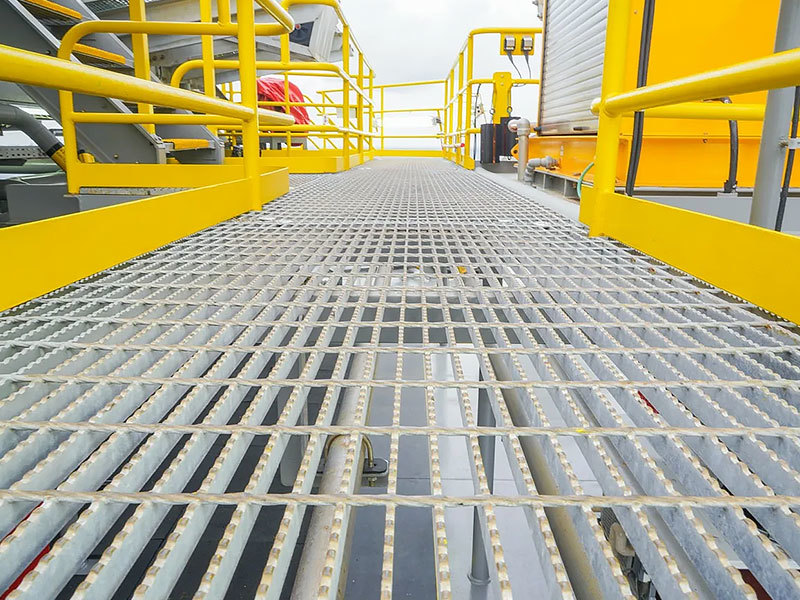
View Products
Wire Mesh Series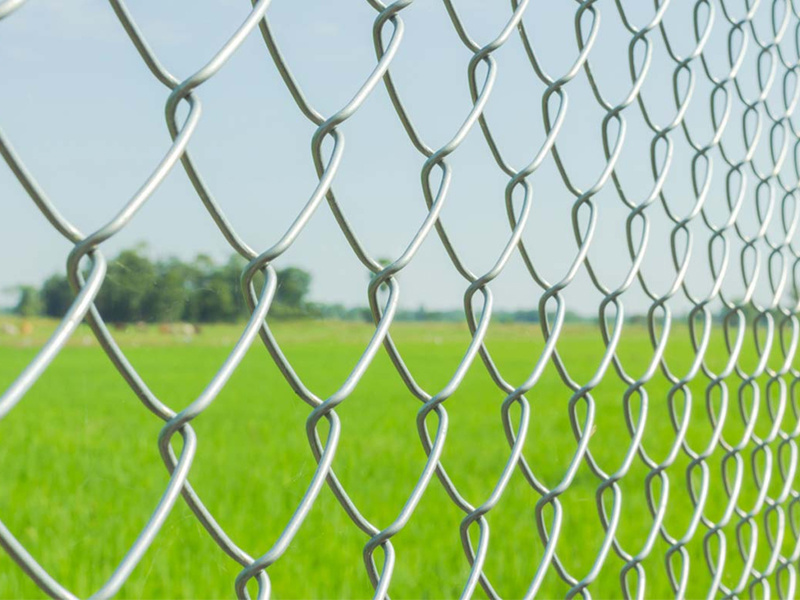
View Products
Wire Mesh Fence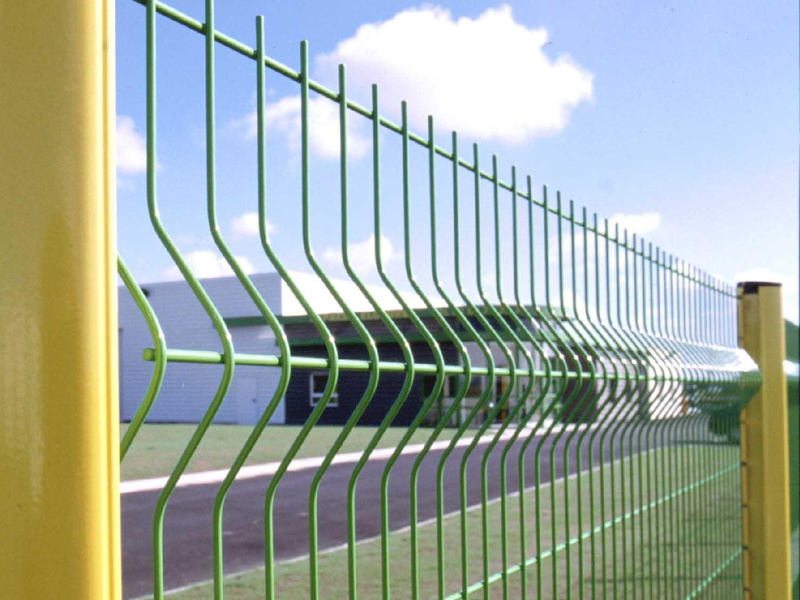
View Products
Barbed Wire Series
View Products
Gabion Basket Series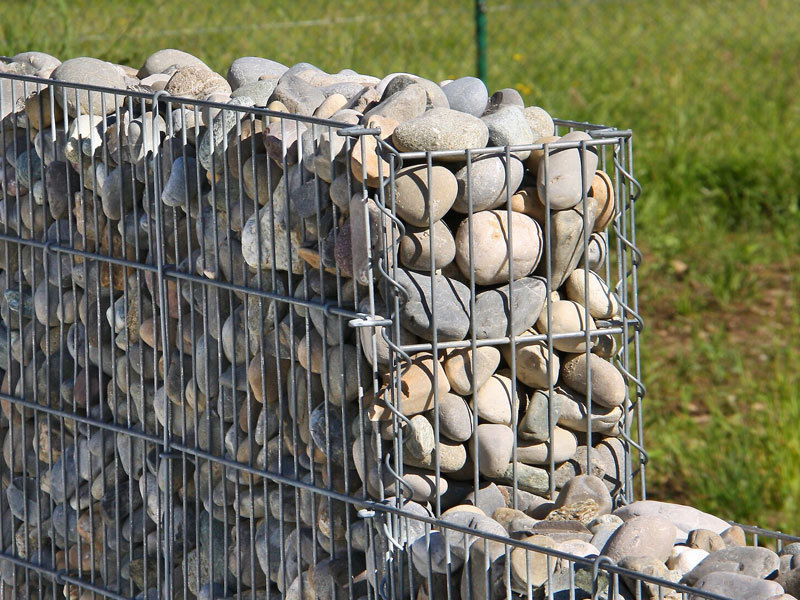
View Products
Steel Pipe Series
View Products
Steel Sheet Series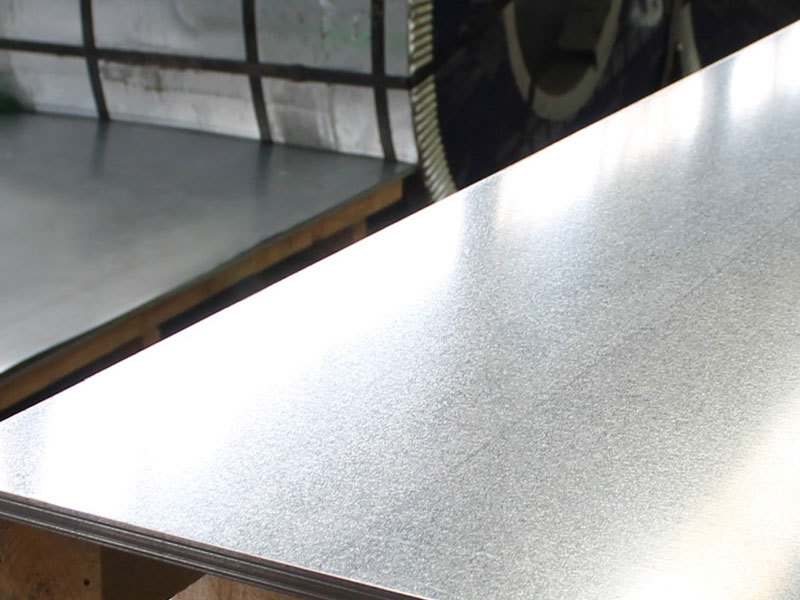
View Products
Steel Coil Series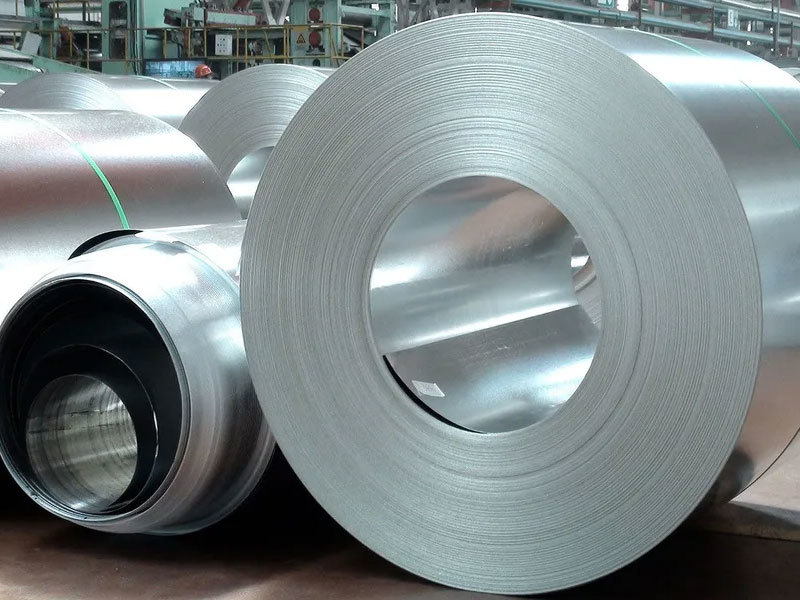
View Products
-
-
-
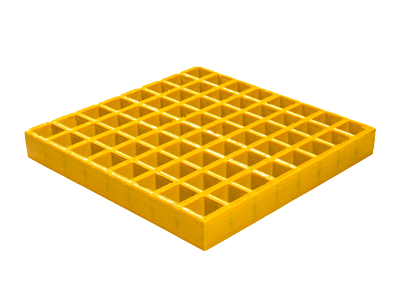


Understanding FRP Grating: The Future of Building Materials
May 26,2026
Fiber Reinforced Polymer (FRP) grating has emerged as a game-changing building material in the construction and decoration industry. Combining strength, durability, and lightweight properties, FRP grating is increasingly being recognized as a superior alternative to traditional steel grating. This article delves into the features and advantages of FRP grating, showcasing its applications and benef

Fiber Reinforced Polymer (FRP) grating has emerged as a game-changing building material in the construction and decoration industry. Combining strength, durability, and lightweight properties, FRP grating is increasingly being recognized as a superior alternative to traditional steel grating. This article delves into the features and advantages of FRP grating, showcasing its applications and benefits for various industries.
One of the most significant benefits of FRP grating is its corrosion resistance. Unlike steel, which can rust and degrade over time when exposed to moisture and chemicals, FRP grating is engineered to withstand harsh environments, making it ideal for industries such as wastewater treatment, chemical processing, and marine applications. This inherent resistance reduces maintenance costs and extends the lifespan of structures where FRP grating is utilized.
Moreover, FRP grating is lightweight, which significantly eases the transportation and installation processes. Its low weight does not compromise on strength; in fact, FRP grating can provide similar or superior load-bearing capacities compared to traditional materials. This lightweight characteristic translates to lower shipping costs and reduced labor expenses during installation, making it an economical choice for contractors and builders.
Another remarkable aspect of FRP grating is its design flexibility. Available in various colors, patterns, and thicknesses, it can be customized to fit the aesthetic and functional needs of any project. Architects and designers appreciate the ability to create visually appealing installations without sacrificing safety or performance. FRP grating is also available with slip-resistant surfaces, enhancing safety in environments where wet or slippery conditions may pose a risk.
Fire resistance is another essential feature of FRP grating. Many formulations of FRP are designed to meet stringent fire codes, providing an additional layer of safety in construction projects. This is particularly relevant in commercial and industrial settings where fire safety is paramount.
Furthermore, sustainability is becoming increasingly vital in construction practices. FRP grating is often made from recycled materials and can be recycled at the end of its life cycle, contributing to environmentally friendly building solutions. This aligns with the growing demand for sustainable construction practices in the modern building industry.
In conclusion, FRP grating stands out as a forward-thinking option within the realm of building and decorative materials. Its corrosion resistance, lightweight nature, design flexibility, fire resistance, and sustainability make it a preferred choice for modern construction projects. As industries continue to evolve towards innovative solutions, FRP grating is set to play a crucial role in shaping the future of building materials.
One of the most significant benefits of FRP grating is its corrosion resistance. Unlike steel, which can rust and degrade over time when exposed to moisture and chemicals, FRP grating is engineered to withstand harsh environments, making it ideal for industries such as wastewater treatment, chemical processing, and marine applications. This inherent resistance reduces maintenance costs and extends the lifespan of structures where FRP grating is utilized.
Moreover, FRP grating is lightweight, which significantly eases the transportation and installation processes. Its low weight does not compromise on strength; in fact, FRP grating can provide similar or superior load-bearing capacities compared to traditional materials. This lightweight characteristic translates to lower shipping costs and reduced labor expenses during installation, making it an economical choice for contractors and builders.
Another remarkable aspect of FRP grating is its design flexibility. Available in various colors, patterns, and thicknesses, it can be customized to fit the aesthetic and functional needs of any project. Architects and designers appreciate the ability to create visually appealing installations without sacrificing safety or performance. FRP grating is also available with slip-resistant surfaces, enhancing safety in environments where wet or slippery conditions may pose a risk.
Fire resistance is another essential feature of FRP grating. Many formulations of FRP are designed to meet stringent fire codes, providing an additional layer of safety in construction projects. This is particularly relevant in commercial and industrial settings where fire safety is paramount.
Furthermore, sustainability is becoming increasingly vital in construction practices. FRP grating is often made from recycled materials and can be recycled at the end of its life cycle, contributing to environmentally friendly building solutions. This aligns with the growing demand for sustainable construction practices in the modern building industry.
In conclusion, FRP grating stands out as a forward-thinking option within the realm of building and decorative materials. Its corrosion resistance, lightweight nature, design flexibility, fire resistance, and sustainability make it a preferred choice for modern construction projects. As industries continue to evolve towards innovative solutions, FRP grating is set to play a crucial role in shaping the future of building materials.
TAG:
PREVIOUS:
Contact Us
Phone/WhatsApp
Address
B1213 Global Centre, No.226 Zhonghua North Street, Shijiazhuang, China


WhatsApp / Wechat
TEL / FAX
Address
B1213 Global Centre, No.226 Zhonghua North Street, Shijiazhuang, China