

-
Grating Series
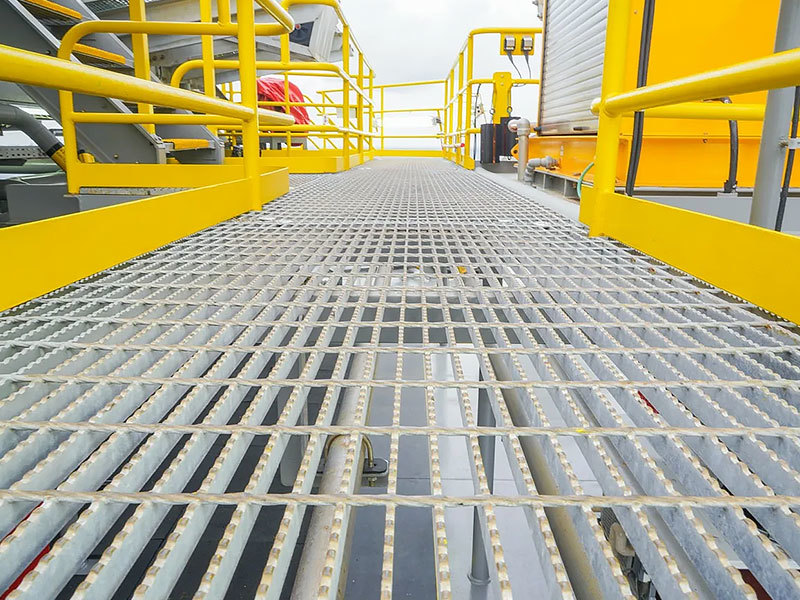
View Products
Wire Mesh Series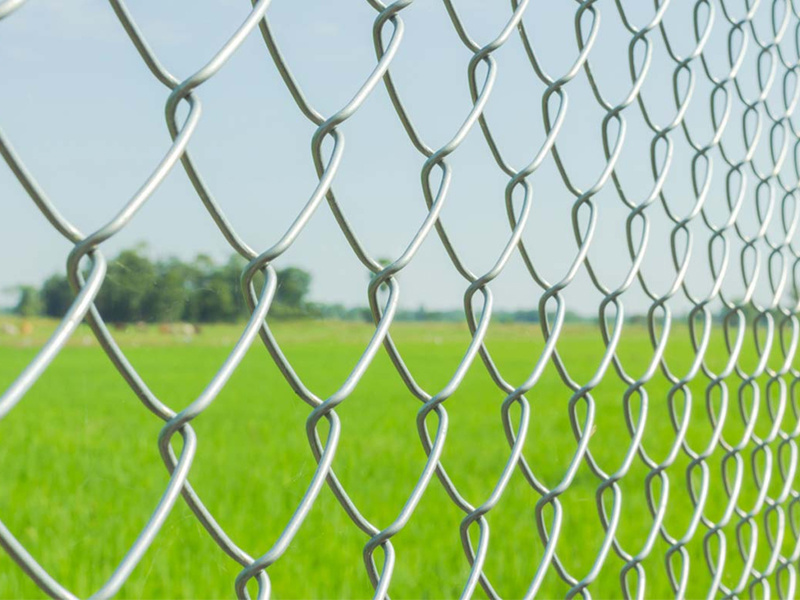
View Products
Wire Mesh Fence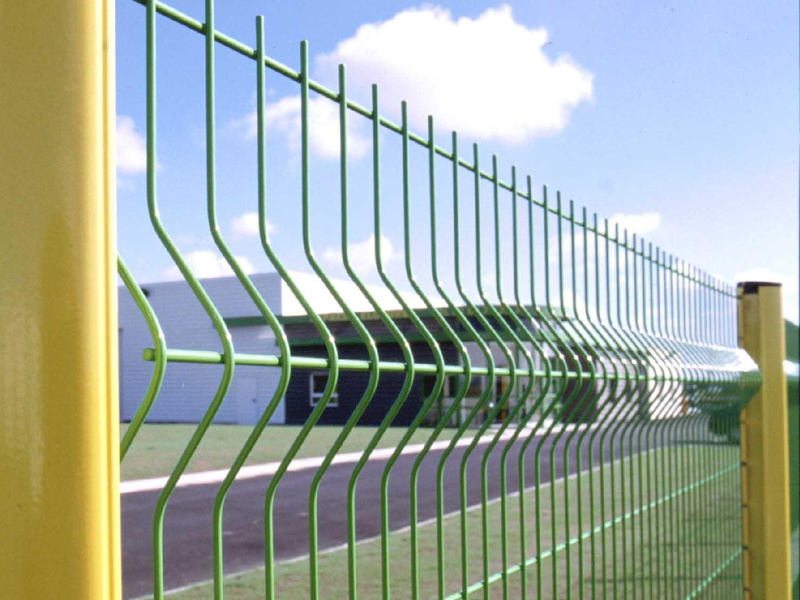
View Products
Barbed Wire Series
View Products
Gabion Basket Series
View Products
Steel Pipe Series
View Products
Steel Sheet Series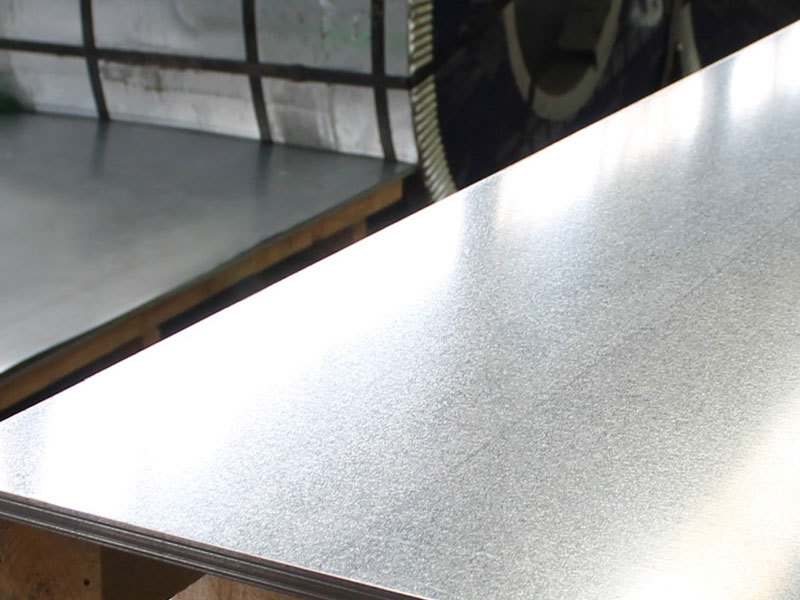
View Products
Steel Coil Series
View Products
-
-
-




How to Select the Right Type of Stainless Steel Grating for Your Needs
May 25,2026
How to Select the Right Type of Stainless Steel Grating for Your Needs
Table of Contents
Understanding Stainless Steel Grating
Types of Stainless Steel Grating
Key Factors to Consider When Selecting Grating
Load-Bearing Capacity
Environmental Considerations
Maintenance Requirements
Applications of Stainless Steel Grating

How to Select the Right Type of Stainless Steel Grating for Your Needs
Table of Contents
- Understanding Stainless Steel Grating
- Types of Stainless Steel Grating
- Key Factors to Consider When Selecting Grating
- Applications of Stainless Steel Grating
- Installation Guidelines for Stainless Steel Grating
- Safety Considerations When Using Stainless Steel Grating
- Cost Factors for Stainless Steel Grating
- Frequently Asked Questions
- Conclusion
Understanding Stainless Steel Grating
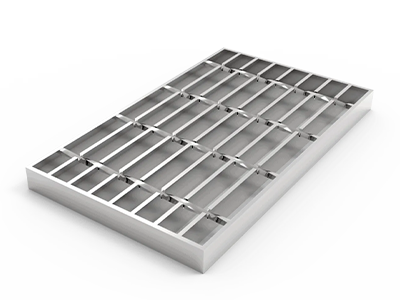
Stainless steel grating is a versatile and durable material widely used in construction and various industrial applications. Its primary function is to provide a safe walking surface, allow for drainage, and support weight in various environments, from commercial buildings to industrial sites. **The unique properties of stainless steel**, including corrosion resistance, strength, and aesthetic appeal, make it an ideal choice for numerous applications.
Types of Stainless Steel Grating
Selecting the right type of stainless steel grating can be challenging due to the multitude of options available. Below are the most common types:
1. Welded Steel Grating
Welded steel grating is constructed by welding intersecting steel bars together. This method creates a strong and stable grating suitable for heavy-duty applications. Its inherent strength allows it to support significant loads, making it ideal for industrial environments.
2. Swaged Steel Grating
Swaged steel grating is manufactured by inserting round bars into the load-bearing bars and then swaging them together, creating a robust structure. This type is often lighter than welded grating, which can be beneficial for certain applications.
3. Press-locked Grating
Press-locked grating is formed by pressing the load-bearing bars and cross bars together, resulting in a grating that is both lightweight and strong. It is commonly used in areas where weight reduction is essential without compromising strength.
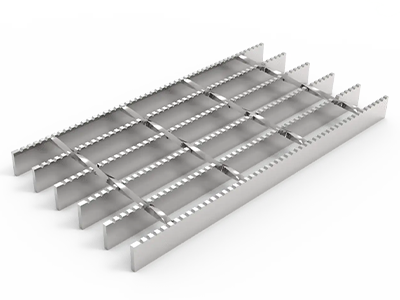
4. Serrated Grating
Serrated grating features a pattern of notches on the surface that provides additional slip resistance. This type is particularly useful in wet or oily environments where traction is crucial for safety.
5. Heavy-Duty Grating
For projects requiring maximum strength and load-bearing capacity, heavy-duty grating is the solution. This type is designed to withstand significant weights and is often used in industrial settings such as factories and warehouses.
Key Factors to Consider When Selecting Grating
When selecting the appropriate stainless steel grating for your needs, several key factors should be taken into consideration:
Load-Bearing Capacity
Understanding the load requirements is crucial. The grating must support the weight of people, equipment, and any materials that will be placed on it. **Refer to the manufacturer's specifications** to determine the load-bearing capacity of different grating types.
Environmental Considerations
It’s essential to evaluate the environment in which the grating will be installed. Will it be exposed to chemicals, saltwater, or extreme temperatures? **Selecting a grade of stainless steel** that withstands specific environmental challenges will enhance the longevity and performance of your grating.
Maintenance Requirements
Different types of grating may require varying levels of maintenance. For instance, while stainless steel is generally low-maintenance, **consider the environmental factors** that may necessitate cleaning or protective coatings to ensure it remains in optimal condition.
Applications of Stainless Steel Grating
Stainless steel grating is used in a variety of applications, including:
1. Walkways and Platforms
In commercial and industrial settings, stainless steel grating provides safe, slip-resistant walkways and platforms that can withstand heavy foot traffic.
2. Drainage Systems
Grating is often utilized in drainage systems, allowing for efficient water runoff while providing a stable surface for foot traffic.
3. Industrial Flooring
In factories and warehouses, stainless steel grating can serve as flooring that offers both strength and drainage capabilities, ensuring safety and cleanliness.
4. Embankments and Bridges
Stainless steel grating is also used in the construction of embankments and bridges, where durability and weight-bearing capacity are paramount.
Installation Guidelines for Stainless Steel Grating
Proper installation of stainless steel grating is essential for its effectiveness and longevity. Here are some guidelines to follow:
1. Prepare the Substrate
Ensure that the substrate is clean, level, and free of debris before installation. Any imperfections can affect the stability of the grating.
2. Cut to Size
If necessary, stainless steel grating can be cut to fit specific measurements. Use appropriate tools and safety gear during this process to ensure precision and safety.
3. Secure the Grating
Depending on the type of grating, secure it using appropriate fasteners, brackets, or clips. **Follow the manufacturer's instructions** for proper installation to ensure safety and compliance with local building codes.
Safety Considerations When Using Stainless Steel Grating
Safety is a paramount concern when using stainless steel grating. Consider the following:
1. Slip Resistance
When selecting grating, consider options with slip-resistant surfaces, especially in areas prone to moisture or spills.
2. Regular Inspections
Conduct regular inspections of the grating to identify any signs of wear, damage, or corrosion. Early intervention can prevent accidents and prolong the life of the grating.
3. Load Limits
Always adhere to the manufacturer's recommended load limits. Overloading grating can lead to structural failure, posing safety risks.
Cost Factors for Stainless Steel Grating
The cost of stainless steel grating can vary widely depending on several factors:
1. Type of Grating
Different types of stainless steel grating come with varying price points. Heavy-duty options tend to be more expensive due to their robust construction.
2. Material Grade
The grade of stainless steel used can significantly affect the cost. Higher grades with better corrosion resistance will typically be more expensive.
3. Size and Customization
The size of the grating and any customization needed will also influence the overall cost. Larger and custom pieces will generally incur additional manufacturing costs.
Frequently Asked Questions
1. What is the best type of stainless steel grating for outdoor use?
Stainless steel grating with a serrated surface is recommended for outdoor use as it provides enhanced slip resistance in wet conditions.
2. How do I maintain stainless steel grating?
Regular cleaning with mild detergent and water is usually sufficient to maintain stainless steel grating. For heavy-duty applications, additional protective coatings may be necessary.
3. Can stainless steel grating be used in corrosive environments?
Yes, high-grade stainless steel grating, such as 316 stainless steel, is specifically designed for corrosive environments and offers superior resistance.
4. Is stainless steel grating easy to install?
While installation can be straightforward, it’s important to follow manufacturer guidelines and ensure the substrate is properly prepared for optimal performance.
5. What are the load limits for stainless steel grating?
Load limits vary by type and manufacturer. Always refer to the manufacturer's specifications to determine the appropriate load capacity for your application.
Conclusion
Selecting the right type of stainless steel grating is crucial for ensuring safety, durability, and functionality in your projects. By understanding the various types of grating, considering essential factors such as load-bearing capacity and environmental conditions, and following proper installation and maintenance guidelines, you can make an informed choice that meets your specific needs. Whether for commercial, industrial, or residential applications, stainless steel grating offers a reliable solution that stands the test of time. Make your selection with confidence, and enjoy the benefits of this versatile material.
TAG:
PREVIOUS:
Contact Us
Phone/WhatsApp
Address
B1213 Global Centre, No.226 Zhonghua North Street, Shijiazhuang, China


WhatsApp / Wechat
TEL / FAX
Address
B1213 Global Centre, No.226 Zhonghua North Street, Shijiazhuang, China