

-
Grating Series
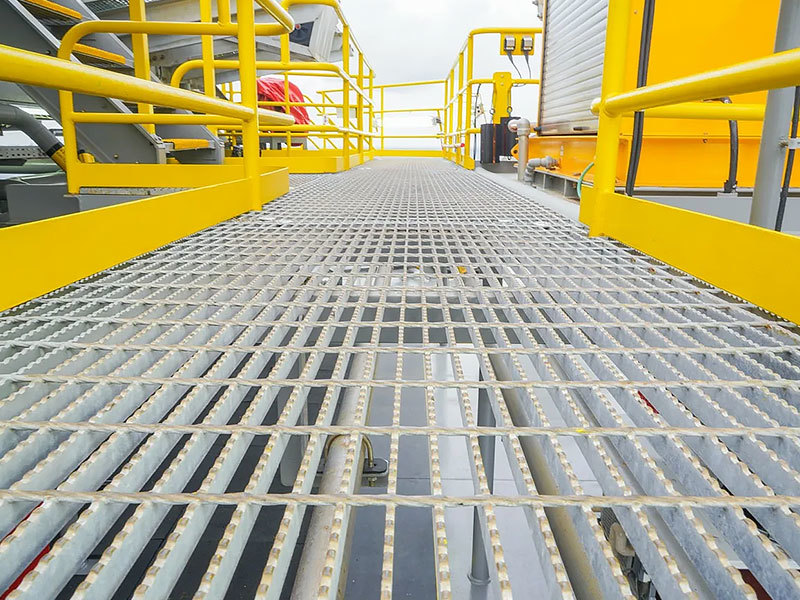
View Products
Wire Mesh Series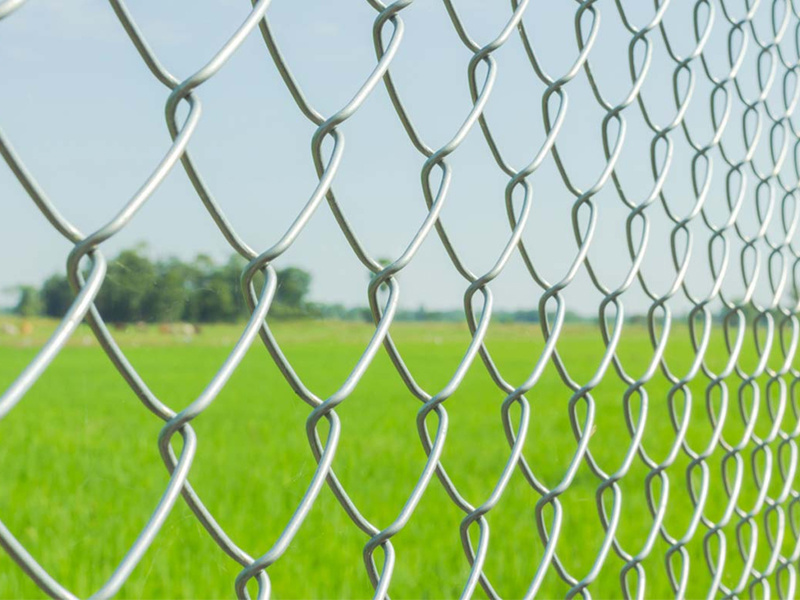
View Products
Wire Mesh Fence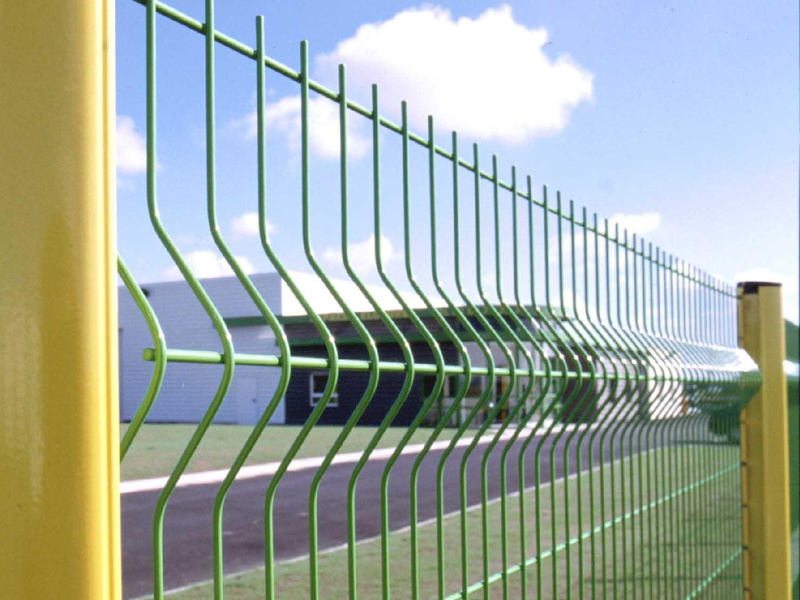
View Products
Barbed Wire Series
View Products
Gabion Basket Series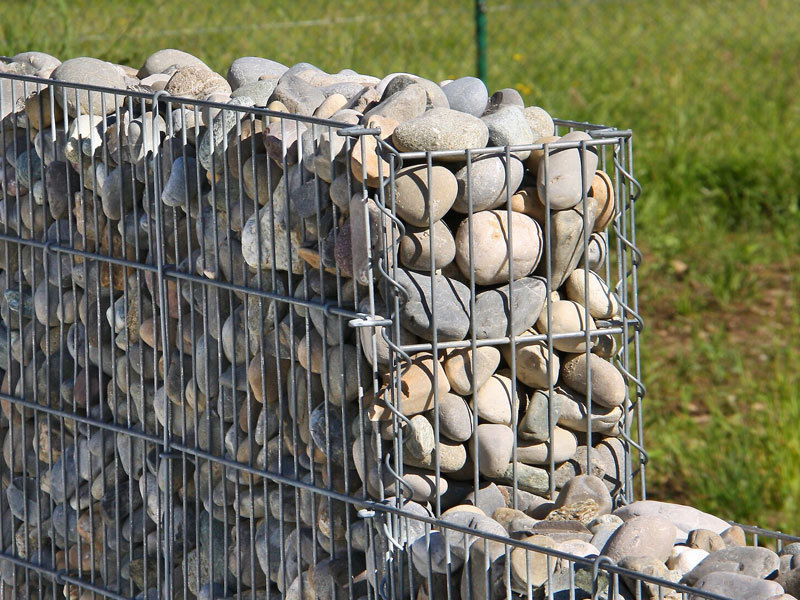
View Products
Steel Pipe Series
View Products
Steel Sheet Series
View Products
Steel Coil Series
View Products
-
-
-

Innovative Design Trends Featuring Chequered Sheets in Architecture
May 14,2026
Innovative Design Trends Featuring Chequered Sheets in Architecture
Chequered sheets have emerged as a significant design element in contemporary architecture. Their unique patterns and robust properties make them versatile for various applications, from residential to commercial and industrial spaces. This article delves into the latest design trends that incorporate chequered sheets, highlightin

Innovative Design Trends Featuring Chequered Sheets in Architecture
Chequered sheets have emerged as a significant design element in contemporary architecture. Their unique patterns and robust properties make them versatile for various applications, from residential to commercial and industrial spaces. This article delves into the latest design trends that incorporate chequered sheets, highlighting their benefits, applications, and aesthetic appeal.
Understanding Chequered Sheets: A Quick Overview
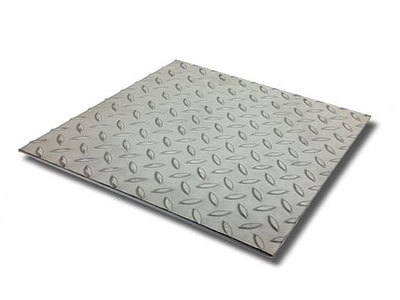
Chequered sheets, also known as checker plates or diamond plates, are materials characterized by a series of raised patterns that create a distinctive look. Typically made from steel or aluminum, these sheets are not only visually appealing but also provide excellent grip and durability. They are widely used in flooring, wall cladding, and architectural facades, offering numerous advantages that extend beyond mere aesthetics.
The Evolution of Chequered Sheets in Architecture
Historically, chequered sheets have been employed in industrial applications due to their anti-slip properties. However, their adoption in architectural design has gained momentum in recent years. Architects and designers are increasingly recognizing the potential of these materials to enhance both functionality and visual identity in various projects. The evolution reflects a broader trend in architecture that embraces materials that combine form and function.
Key Characteristics of Chequered Sheets
- **Durability**: Chequered sheets are made from robust materials, allowing them to withstand the rigors of both indoor and outdoor environments.
- **Slip Resistance**: The textured surface of chequered sheets provides excellent traction, making them ideal for use in areas prone to wet conditions.
- **Aesthetic Versatility**: Available in various colors, finishes, and sizes, chequered sheets can be tailored to suit different architectural styles and preferences.
- **Sustainability**: Many chequered sheets are manufactured from recycled materials, making them an eco-friendly choice for sustainable architecture.
Current Design Trends Incorporating Chequered Sheets
As architects and designers strive to create innovative and sustainable spaces, chequered sheets play a pivotal role in several emerging design trends.
1. Industrial Chic Aesthetic
The industrial chic trend celebrates raw materials and utilitarian designs. Chequered sheets fit seamlessly into this aesthetic, providing an edgy yet refined look. Whether used as wall cladding or flooring, they contribute to the overall industrial vibe while maintaining a sense of sophistication.
2. Biophilic Design
Biophilic design focuses on connecting occupants with nature. Chequered sheets can be integrated with natural materials like wood and stone, creating a harmonious blend that promotes well-being. For instance, using chequered sheets in outdoor spaces can enhance the natural environment while providing functional surfaces for pathways and patios.
3. Sustainable and Eco-Friendly Architecture
Sustainability is at the forefront of modern architecture. Chequered sheets made from recycled metals offer an environmentally conscious choice for architects concerned with reducing their carbon footprint. These materials can be repurposed creatively, showcasing innovative design while promoting ecological responsibility.
4. Dynamic Facades
Architects are increasingly experimenting with dynamic facades that change appearance based on viewer perspective. Chequered sheets can be utilized in this context to create visually striking patterns that shift as one moves around the building. This trend not only enhances the building’s aesthetic but also engages passersby, making architecture an interactive experience.
Applications of Chequered Sheets in Architectural Projects
Chequered sheets are versatile and can be applied in various architectural contexts. Below are some of the most popular applications.
1. Flooring Solutions
One of the most common uses of chequered sheets is in flooring. Their slip-resistant surface makes them ideal for high-traffic areas, such as commercial spaces, warehouses, and workshops. Additionally, their durability ensures longevity, reducing maintenance costs over time.
2. Wall Cladding and Facades
Chequered sheets can be employed as wall cladding or facade materials, adding texture and visual interest to buildings. This application also serves a functional purpose, providing protection from external elements while enhancing thermal insulation.
3. Outdoor Spaces
In outdoor settings, chequered sheets can be used for pathways, patios, and even landscaping features. Their ability to withstand the elements makes them suitable for various climates, ensuring functionality without compromising aesthetics.
4. Furniture Design
Innovative designers are increasingly incorporating chequered sheets into furniture design. From coffee tables to shelving units, the unique texture and strength of these materials create functional yet stylish pieces that stand out.
Case Studies: Successful Implementations of Chequered Sheets
Real-world examples can provide insight into how chequered sheets are effectively integrated into architectural projects.
1. The Urban Warehouse Conversion
In a recent urban warehouse conversion, architects used chequered sheets for flooring and wall cladding, preserving the building's industrial heritage while creating a modern workspace. This project exemplifies how chequered sheets can enhance both form and function in repurposed structures.
2. Outdoor Community Spaces
A public park renovation featured chequered sheets in the design of pathways and seating areas. The materials not only provided safety and durability but also contributed to the park’s aesthetic appeal, blending seamlessly with surrounding natural elements.
Choosing the Right Chequered Sheets for Your Project
Selecting appropriate chequered sheets involves considering various factors:
1. Material Type
The choice between steel, aluminum, or composite materials will depend on the specific requirements of your project. Steel offers strength and durability, while aluminum provides a lighter alternative with corrosion resistance.
2. Finish and Color
Chequered sheets come in various finishes and colors. Consider the overall design scheme of your project when selecting the right hue and texture. A polished finish can create a modern look, while a matte finish may suit a more rustic design.
3. Thickness and Size
The thickness and size of chequered sheets will impact their suitability for different applications. For flooring, opt for thicker sheets to ensure durability, while thinner sheets might be ideal for decorative wall applications.
Maintenance of Chequered Sheets
Proper maintenance of chequered sheets is essential for ensuring their longevity. Regular cleaning, especially in outdoor applications, will help prevent the buildup of dirt and grime. Additionally, periodic inspections can identify any signs of wear or damage early, allowing for timely repairs.
1. Cleaning Techniques
For routine maintenance, a simple wash with soap and water is usually sufficient. For tougher stains, consider using a gentle abrasive cleaner that won't damage the surface.
2. Protective Coatings
Applying a protective coating can enhance the durability of chequered sheets, particularly in outdoor applications. These coatings help resist corrosion and fading, ensuring that the materials maintain their aesthetic appeal over time.
Cost Considerations When Using Chequered Sheets
When planning a project, it’s important to consider the financial implications of incorporating chequered sheets. While initial costs may vary depending on material type and customization, their durability often leads to lower long-term expenses.
1. Budgeting for Materials
Evaluate your budget to determine how much you can allocate for chequered sheets. Consider both the material costs and the associated installation expenses.
2. Long-Term Value
While chequered sheets may require a higher upfront investment, their durability and low maintenance needs often translate to long-term savings. Factor in these benefits when evaluating overall project costs.
FAQs About Chequered Sheets in Architecture
1. What are chequered sheets made of?
Chequered sheets are typically made from steel or aluminum, providing strength and durability for various applications in architecture.
2. How do chequered sheets enhance safety?
The textured surface of chequered sheets offers excellent grip, reducing the risk of slips and falls, particularly in high-traffic areas.
3. Can chequered sheets be used outdoors?
Yes, chequered sheets are suitable for outdoor applications due to their durability and resistance to weathering.
4. What are the design advantages of using chequered sheets?
Chequered sheets add visual interest and texture to architectural projects, making them a versatile choice for both functional and decorative purposes.
5. Are chequered sheets eco-friendly?
Many chequered sheets are made from recycled materials, making them an environmentally friendly option for sustainable architecture.
Conclusion
Chequered sheets represent a dynamic and innovative material choice in modern architecture. Their unique aesthetic, combined with their durability and functionality, makes them an ideal solution for various applications—from flooring to facades. As design trends continue to evolve, incorporating chequered sheets into architectural projects offers endless possibilities for creativity and sustainability. Embracing these materials not only enhances the visual appeal of structures but also contributes to building a more responsible and innovative architectural landscape.
TAG:
PREVIOUS:
Contact Us
Phone/WhatsApp
Address
B1213 Global Centre, No.226 Zhonghua North Street, Shijiazhuang, China


WhatsApp / Wechat
TEL / FAX
Address
B1213 Global Centre, No.226 Zhonghua North Street, Shijiazhuang, China