

-
Grating Series
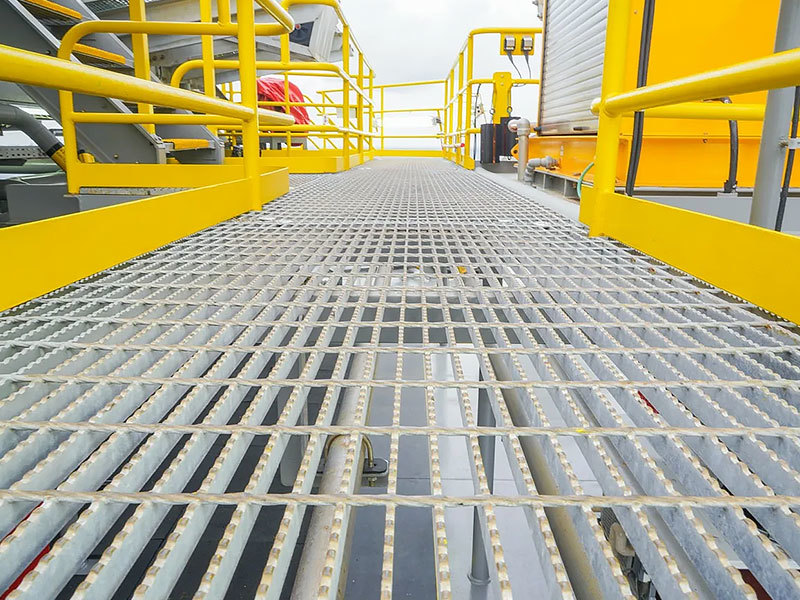
View Products
Wire Mesh Series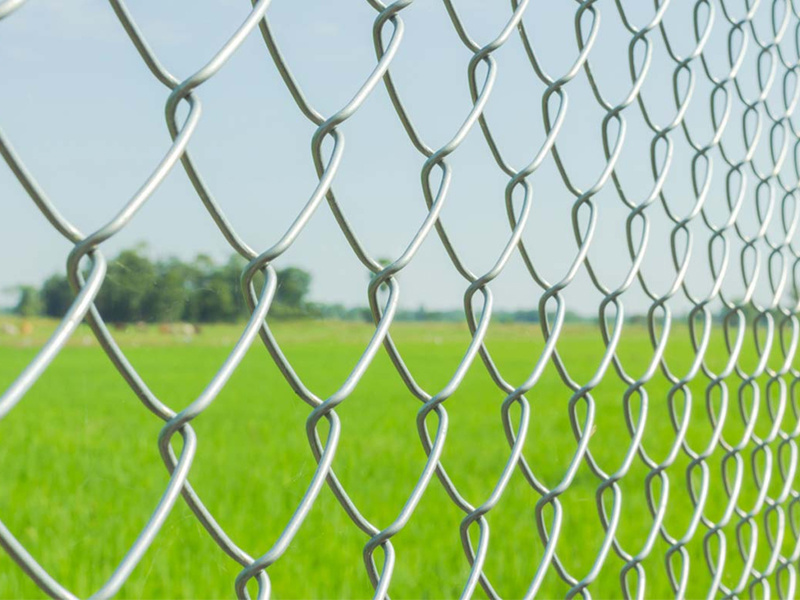
View Products
Wire Mesh Fence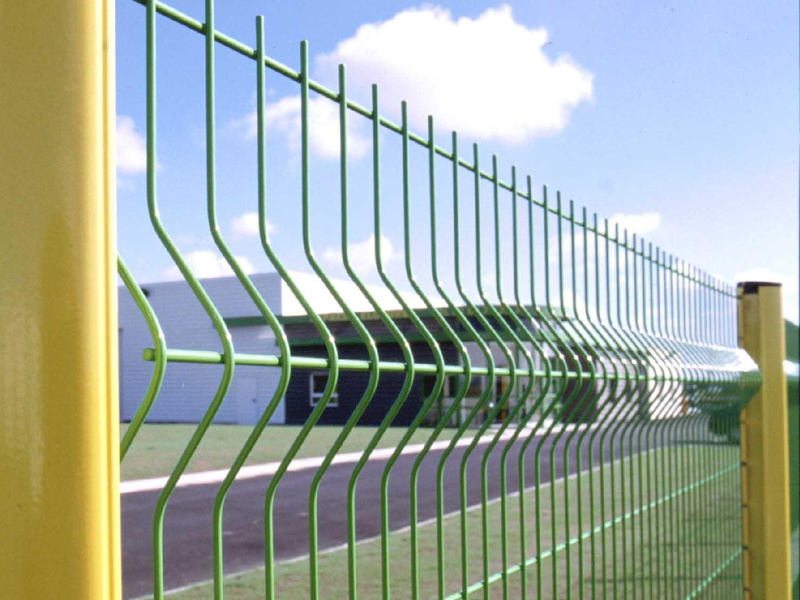
View Products
Barbed Wire Series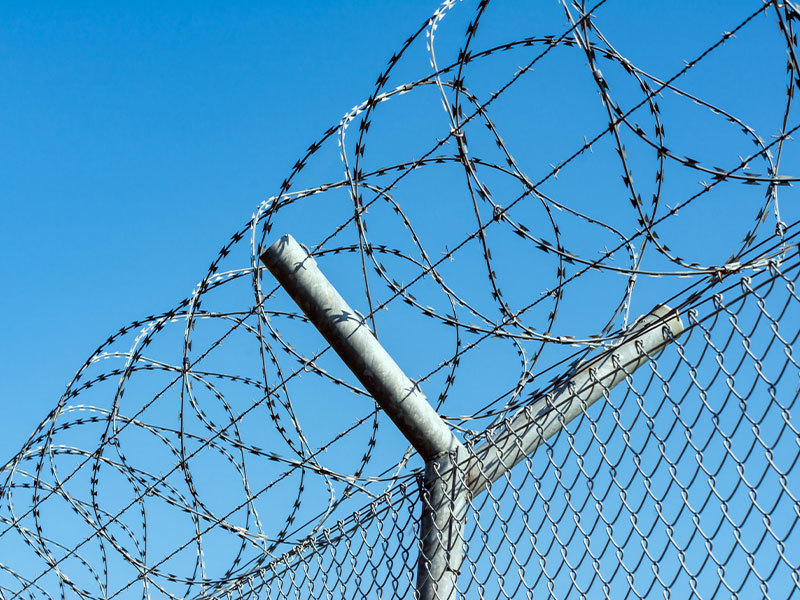
View Products
Gabion Basket Series
View Products
Steel Pipe Series
View Products
Steel Sheet Series
View Products
Steel Coil Series
View Products
-
-
-
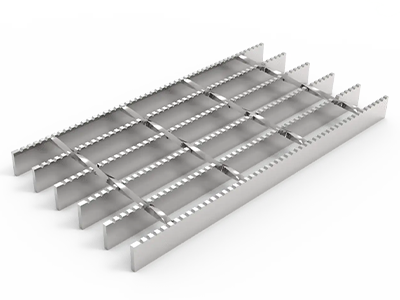



Top 5 Installation Mistakes to Avoid When Using Steel Grating
May 14,2026
Top 5 Installation Mistakes to Avoid When Using Steel Grating
When it comes to construction and architectural projects, **steel grating** offers a robust and versatile solution for flooring, walkways, and various industrial applications. However, improper installation can lead to significant issues, including safety hazards and increased maintenance costs. In this article, we will explore the **to
Top 5 Installation Mistakes to Avoid When Using Steel Grating
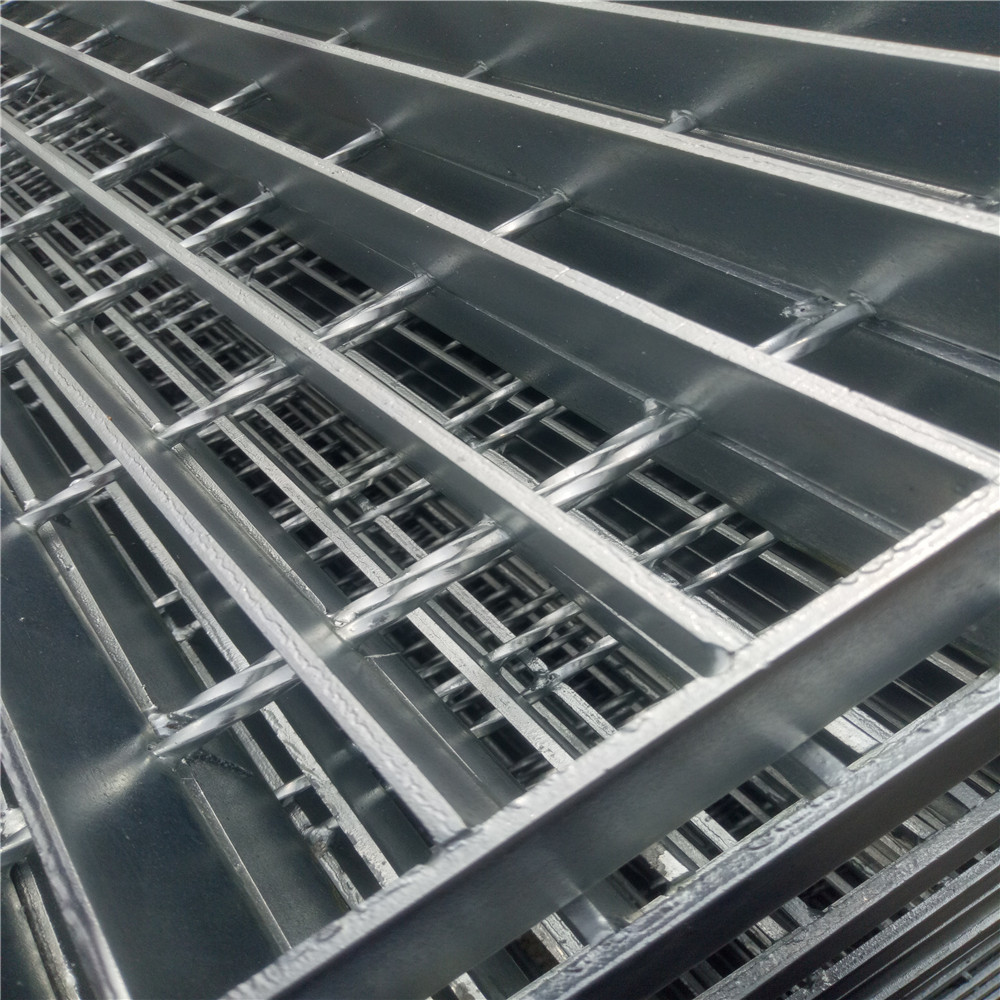
When it comes to construction and architectural projects, **steel grating** offers a robust and versatile solution for flooring, walkways, and various industrial applications. However, improper installation can lead to significant issues, including safety hazards and increased maintenance costs. In this article, we will explore the **top five installation mistakes to avoid when using steel grating**, ensuring that your projects run smoothly and effectively.
Table of Contents
- 1. Neglecting Proper Measurements
- 2. Choosing the Wrong Type of Steel Grating
- 3. Inadequate Support and Load-Bearing Concerns
- 4. Overlooking Safety Protocols
- 5. Failing to Secure Grating Properly
- Frequently Asked Questions
1. Neglecting Proper Measurements
One of the most common mistakes made during the installation of steel grating is **neglecting proper measurements**. Accurate measurements are crucial for ensuring that the grating fits seamlessly into the designated area.
The Importance of Accurate Measurements
Incorrect measurements can lead to gaps, misalignments, and even structural failures. To avoid this mistake, take the following steps:
- Use precise measuring tools such as laser levels, tape measures, and marking tools.
- Double-check all measurements before cutting or ordering grating materials.
- Consider the expansion and contraction of materials based on temperature fluctuations.
By investing time in accurate measurements, you will save yourself from costly rework and potential safety hazards.
2. Choosing the Wrong Type of Steel Grating
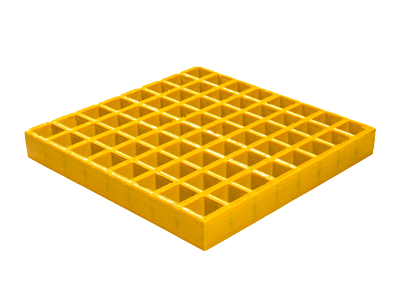
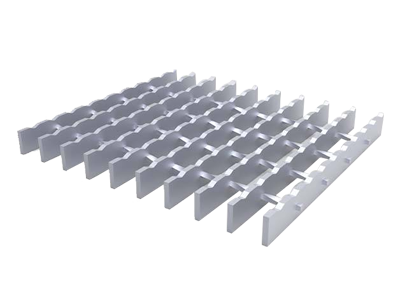
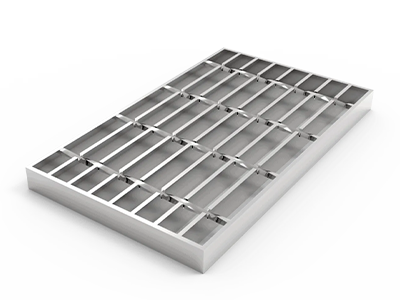
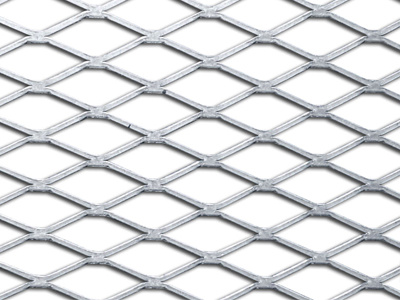
Selecting the appropriate type of steel grating for your specific application is crucial. There are various types of steel grating available, including **bar grating, welded grating**, and **expanded metal grating**.
Factors to Consider When Choosing Steel Grating
When selecting the type of steel grating, consider the following factors:
- **Load capacity**: Ensure the grating can support the intended load without bending or breaking.
- **Environmental conditions**: Choose materials that resist corrosion if the grating will be exposed to harsh elements.
- **Slip resistance**: Look for grating with anti-slip features for safety, especially in high-traffic areas.
By selecting the right type of grating, you can enhance both the safety and longevity of your installation.
3. Inadequate Support and Load-Bearing Concerns
A significant installation error is the lack of adequate support for the steel grating. Without proper support, the grating can sag or collapse under pressure, leading to serious safety risks.
Ensuring Proper Support
To ensure that your steel grating is adequately supported, follow these guidelines:
- Use a strong framework made from steel or other durable materials to provide sufficient support.
- Install supports at recommended intervals based on the type of grating and expected load.
- Consult manufacturer specifications for load ratings and support requirements.
Proper support not only prolongs the life of the grating but also maintains safety for users.
4. Overlooking Safety Protocols
Safety should never be compromised during the installation of steel grating. Overlooking safety protocols can lead to accidents and injuries on the job site.
Implementing Safety Measures
To uphold safety standards during installation, consider these measures:
- Provide proper training for all personnel involved in the installation process.
- Utilize personal protective equipment (PPE) such as helmets, gloves, and safety glasses.
- Clearly mark hazardous areas and ensure that the working environment is well-lit and organized.
By prioritizing safety, you can create a secure work environment and minimize risks for all individuals involved.
5. Failing to Secure Grating Properly
One of the most critical mistakes in steel grating installation is failing to secure the grating properly. Loose grating can shift, leading to potential accidents and increased maintenance.
Best Practices for Securing Steel Grating
To ensure that your steel grating is securely fastened, follow these best practices:
- Utilize appropriate fasteners such as bolts, clips, or welds, depending on the application.
- Regularly inspect fastening points for signs of wear and tear.
- Follow manufacturer guidelines for proper installation techniques.
By securing the grating correctly, you can enhance its stability and ensure the safety of users.
Frequently Asked Questions
1. What is the best way to choose the right steel grating?
Selecting the right steel grating involves assessing the load capacity, environmental conditions, and slip resistance. Ensure the grating matches the specific requirements of your project.
2. How often should steel grating be inspected?
Steel grating should be inspected regularly, ideally every six months, to check for signs of wear, corrosion, or loose fasteners. Regular maintenance helps prolong its lifespan.
3. Can I install steel grating without professional help?
While it's possible to install steel grating without professional assistance, it’s recommended to consult with experts, especially for complex installations, to ensure safety and compliance with regulations.
4. What types of environments is steel grating suitable for?
Steel grating is suitable for a variety of environments, including industrial, commercial, and outdoor settings. However, it is crucial to choose the right type of grating for corrosive or heavily trafficked areas.
5. How can I improve the slip resistance of steel grating?
To enhance slip resistance, consider using grating with an anti-slip surface or applying slip-resistant coatings. Additionally, regular maintenance helps keep the grating clean and safe.
Conclusion
Avoiding installation mistakes when using steel grating is essential for ensuring a safe and durable outcome. By paying attention to measurements, selecting the appropriate type of grating, ensuring adequate support, prioritizing safety protocols, and securing the grating properly, you can significantly enhance the integrity of your installation. Implementing these strategies will not only minimize risks but also ensure that your steel grating performs optimally for years to come.
TAG:
Contact Us
Phone/WhatsApp
Address
B1213 Global Centre, No.226 Zhonghua North Street, Shijiazhuang, China


WhatsApp / Wechat
TEL / FAX
Address
B1213 Global Centre, No.226 Zhonghua North Street, Shijiazhuang, China