

-
Grating Series
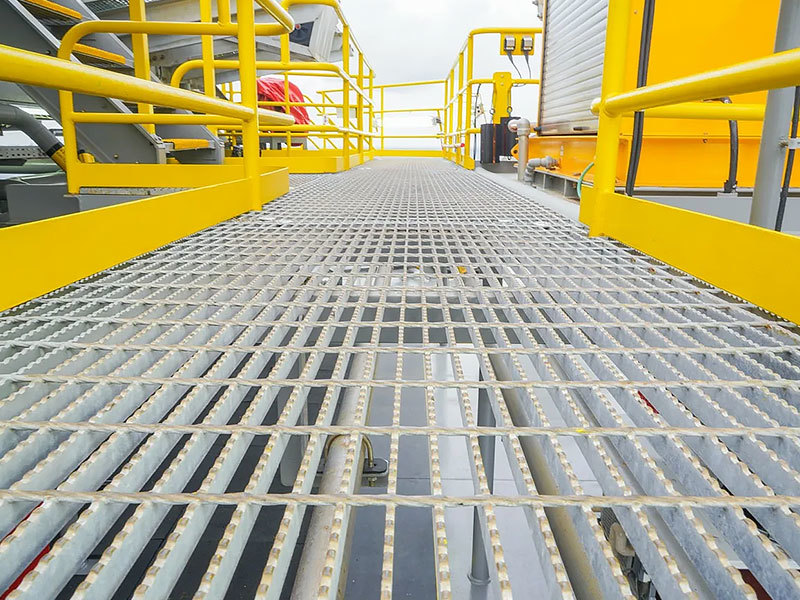
View Products
Wire Mesh Series
View Products
Wire Mesh Fence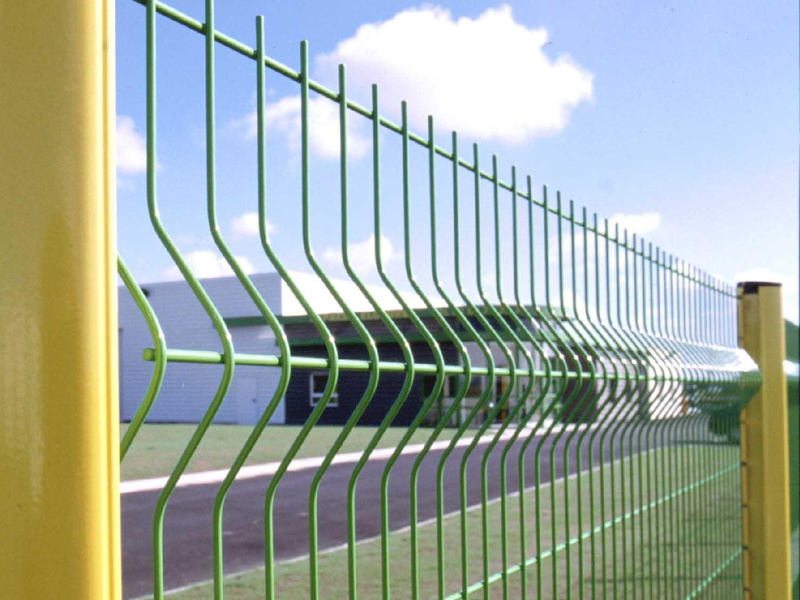
View Products
Barbed Wire Series
View Products
Gabion Basket Series
View Products
Steel Pipe Series
View Products
Steel Sheet Series
View Products
Steel Coil Series
View Products
-
-
-











Top Factors to Consider When Choosing Stainless Steel Grating for Your Project
May 13,2026
Introduction to Stainless Steel Grating
Stainless steel grating has become an essential component in various industries, offering structural integrity and aesthetic appeal. Its versatility makes it suitable for applications ranging from industrial flooring to decorative elements in architectural design. Understanding the key factors to consider when choosing stainless steel grating is vital for en

Introduction to Stainless Steel Grating
Stainless steel grating has become an essential component in various industries, offering structural integrity and aesthetic appeal. Its versatility makes it suitable for applications ranging from industrial flooring to decorative elements in architectural design. Understanding the key factors to consider when choosing stainless steel grating is vital for ensuring that your project meets safety, functionality, and aesthetic requirements.
Understanding Stainless Steel Grating
Stainless steel grating is a type of flooring material made from stainless steel bars and rods, designed to provide a strong, durable surface while allowing for the passage of light, air, and water. It is commonly used in environments where heavy loads, corrosive substances, and high traffic levels are present. The selection of stainless steel grating involves several considerations, including material properties, design specifications, and intended applications.
Key Factors to Consider When Choosing Stainless Steel Grating
1. Material Composition
The composition of stainless steel is a primary factor influencing its performance and durability. The most commonly used grades are 304 and 316 stainless steel.
- **Grade 304** is versatile and cost-effective, suited for most indoor applications. It has good corrosion resistance but may not be ideal for highly corrosive environments.
- **Grade 316** contains molybdenum, enhancing its resistance to corrosion, particularly in marine and chemical environments. Choosing the right grade based on your application’s specific needs is crucial.
2. Load Capacity and Performance Requirements
When selecting stainless steel grating, assessing the load capacity is essential. The type of application—whether it’s flooring, walkways, or platforms—will dictate the required load-bearing capacity.
- **Consider the maximum load** the grating will support, including static and dynamic loads.
- **Check the grating's design**, including the spacing between bars, to ensure compliance with safety standards.
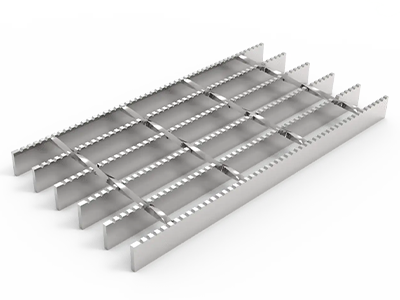
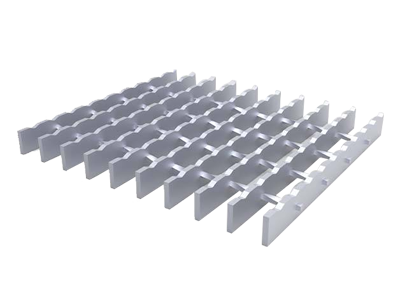
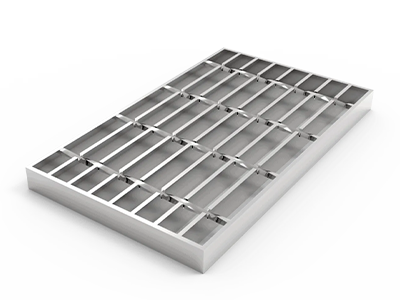
3. Grating Types and Designs
Stainless steel grating comes in various designs, each suited for specific applications:
- **Bar Grating**: Offers strength and versatility, commonly found in industrial environments.
- **Safety Grating**: Features a slip-resistant surface, ideal for areas where foot traffic is high.
- **Architectural Grating**: Designed for aesthetic appeal, used in decorative applications without compromising functionality.
Understanding the distinctions between these types will help you select the most appropriate grating for your project.
4. Surface Finish and Treatment
The surface finish of stainless steel grating affects its appearance, corrosion resistance, and maintenance. Common finishes include:
- **Mill Finish**: The basic finish, generally the least expensive and suitable for less corrosive environments.
- **Electropolished**: Provides a smooth, shiny surface that enhances corrosion resistance and is easier to clean.
- **Powder Coated**: Offers a wide range of colors and additional protection against corrosion, making it suitable for decorative projects.
Choose a finish that aligns with your project’s aesthetic and functional requirements.
5. Installation Considerations
Proper installation of stainless steel grating is critical for safety and performance. Factors to consider include:
- **Compatibility with Existing Structures**: Ensure that the grating fits well with the surrounding frameworks.
- **Installation Method**: Different types of grating may require specific installation techniques, such as welding or bolting.
- **Support Structures**: Verify that the underlying support can accommodate the weight and load requirements of the grating.
Consulting with an expert during the installation process can help prevent potential issues.
6. Maintenance and Longevity
The maintenance of stainless steel grating is generally minimal, but regular inspections are necessary to ensure longevity.
- **Routine Cleaning**: Depending on the environment, regular cleaning can prevent buildup that may cause corrosion over time.
- **Inspection for Damage**: Periodically check for signs of wear or damage, especially in high-traffic areas.
Choosing high-quality stainless steel grating can significantly reduce maintenance efforts and extend its lifespan.
7. Cost Considerations
Budget plays a significant role in selecting stainless steel grating. While it’s tempting to choose the least expensive option, consider the total cost of ownership:
- **Initial Cost vs. Longevity**: A higher upfront investment in durable grating can lead to savings over time through reduced maintenance and replacement costs.
- **Value vs. Price**: Assess the quality of the grating in relation to its price to ensure you are making a sound investment.
Applications of Stainless Steel Grating
1. Industrial Use
Stainless steel grating is prevalent in industrial settings due to its strength and resistance to harsh environments. It is widely used in manufacturing plants, refineries, and food processing facilities.
2. Commercial Spaces
In commercial applications, such as shopping malls and office buildings, stainless steel grating serves both functional and aesthetic purposes. It enhances safety while contributing to the overall design of the space.
3. Architectural Features
More recently, stainless steel grating has found its way into architectural designs, used in decorative facades, bridges, and outdoor structures, proving that functionality and aesthetics can coexist.
Frequently Asked Questions (FAQs)
1. What is the difference between 304 and 316 stainless steel grating?
Grade 304 is more cost-effective and suitable for less corrosive environments, while Grade 316 offers superior corrosion resistance, making it ideal for marine and chemical applications.
2. How do I determine the load capacity needed for my stainless steel grating?
Consider both static and dynamic loads that will be applied to the grating, as well as local building codes that may dictate specific requirements.
3. Can stainless steel grating be used outdoors?
Yes, stainless steel grating is often used outdoors, especially Grade 316, which is particularly resistant to corrosion from environmental factors.
4. How often should I clean and maintain stainless steel grating?
Regular cleaning is recommended to prevent buildup, and inspections should be conducted periodically to check for wear or other issues.
5. Is stainless steel grating customizable?
Yes, stainless steel grating can be customized in various sizes, shapes, and finishes to meet specific project requirements.
Conclusion
Choosing the right stainless steel grating involves careful consideration of various factors, including material composition, load capacity, design types, surface finishes, installation methods, maintenance needs, and cost. By understanding these elements, you can make an informed decision that meets the demands of your project while ensuring safety, durability, and aesthetic appeal. Whether for industrial, commercial, or architectural applications, the right selection of stainless steel grating will contribute significantly to the success and longevity of your project.
TAG:
Contact Us
Phone/WhatsApp
Address
B1213 Global Centre, No.226 Zhonghua North Street, Shijiazhuang, China


WhatsApp / Wechat
TEL / FAX
Address
B1213 Global Centre, No.226 Zhonghua North Street, Shijiazhuang, China