

-
Grating Series
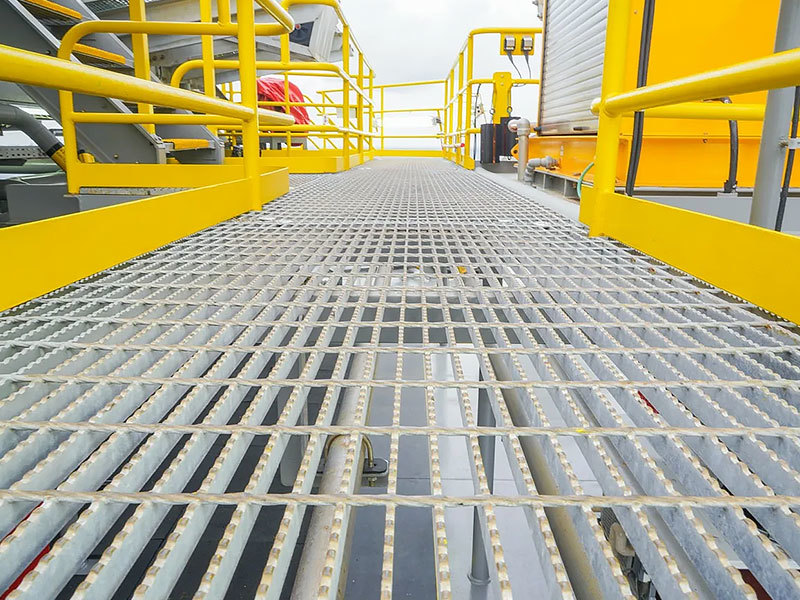
View Products
Wire Mesh Series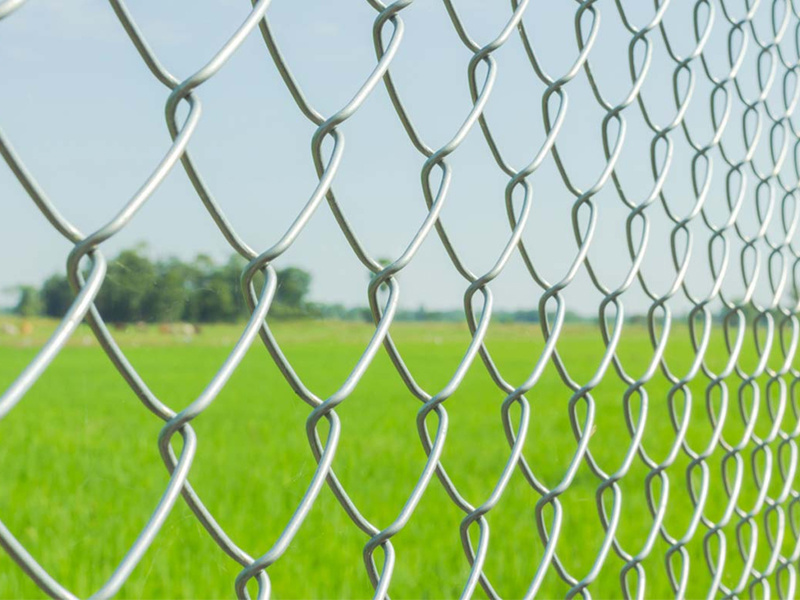
View Products
Wire Mesh Fence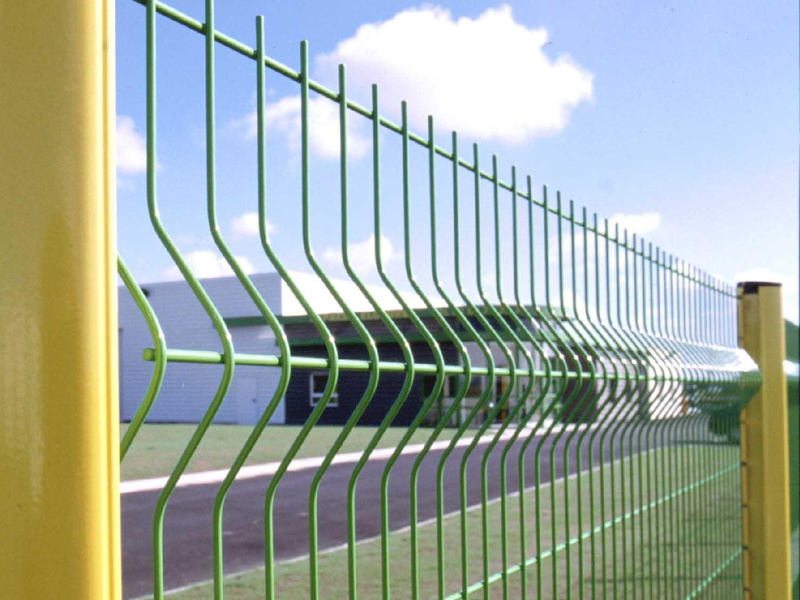
View Products
Barbed Wire Series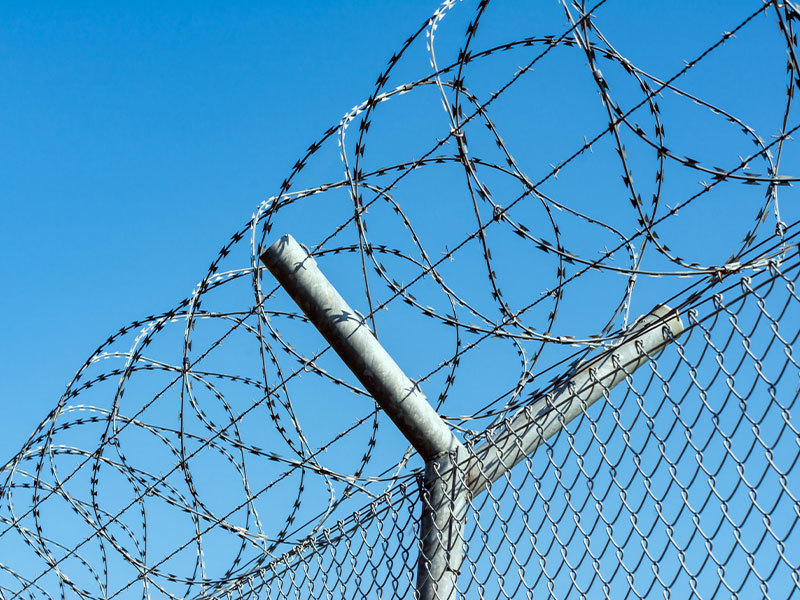
View Products
Gabion Basket Series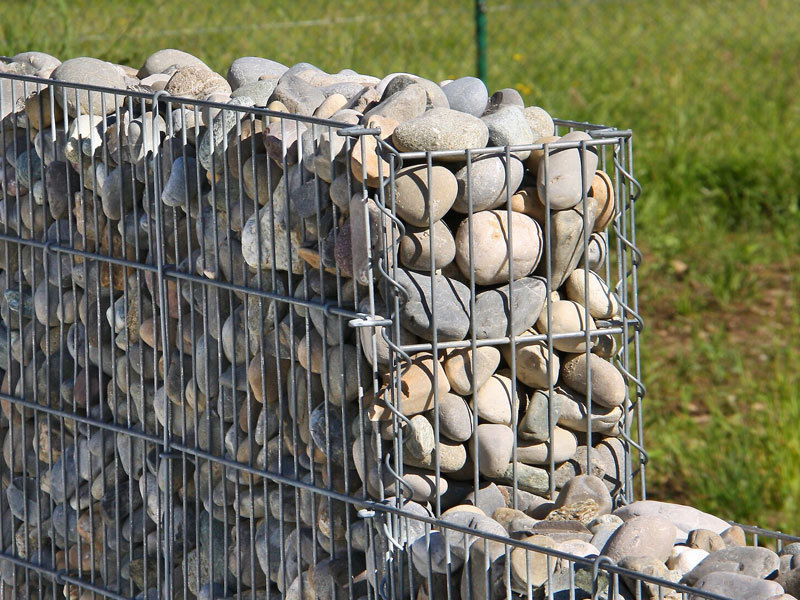
View Products
Steel Pipe Series
View Products
Steel Sheet Series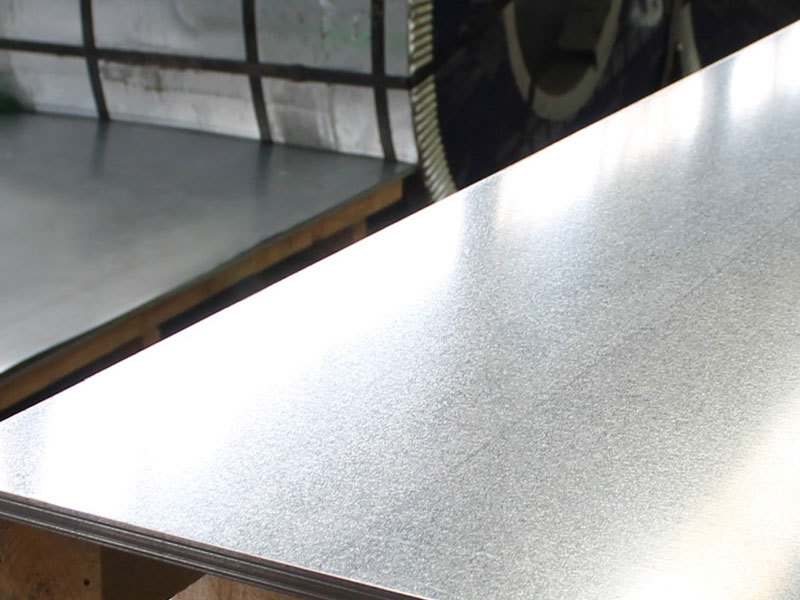
View Products
Steel Coil Series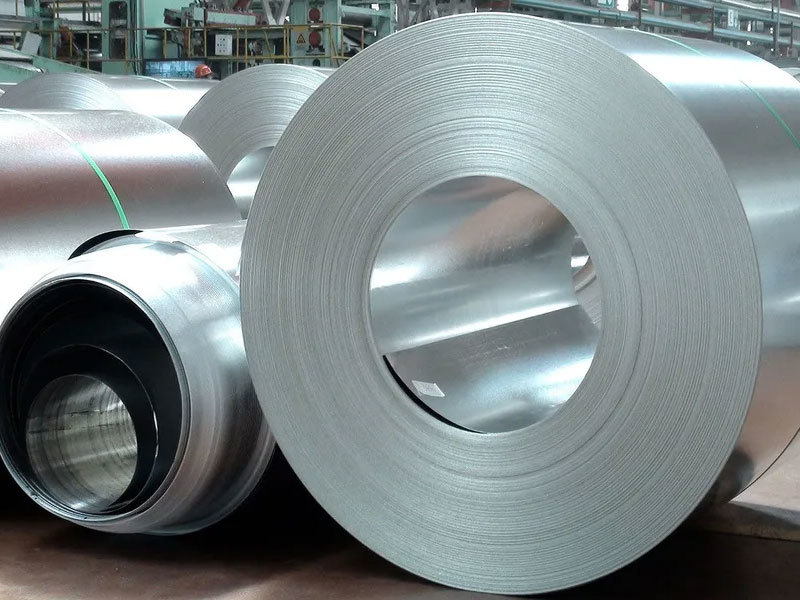
View Products
-
-
-





Welded Wire Mesh: Enhancing Safety in Construction Zones
Jul 22,2026
Welded Wire Mesh: Enhancing Safety in Construction Zones
Table of Contents
Introduction to Welded Wire Mesh
Key Benefits of Welded Wire Mesh in Construction
Applications of Welded Wire Mesh in Construction Zones
Design Considerations for Effective Use
Installation Best Practices for Welded Wire Mesh
Maintenance and Inspection of Welded Wire Mesh
Safety Regulations and

Welded Wire Mesh: Enhancing Safety in Construction Zones
Table of Contents
- Introduction to Welded Wire Mesh
- Key Benefits of Welded Wire Mesh in Construction
- Applications of Welded Wire Mesh in Construction Zones
- Design Considerations for Effective Use
- Installation Best Practices for Welded Wire Mesh
- Maintenance and Inspection of Welded Wire Mesh
- Safety Regulations and Standards
- Conclusion: The Future of Safety in Construction
- FAQs about Welded Wire Mesh
Introduction to Welded Wire Mesh
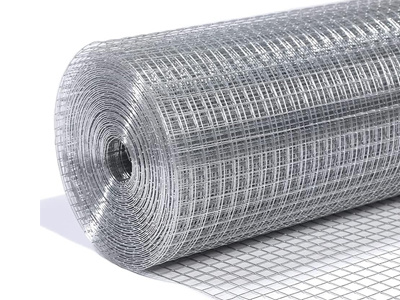
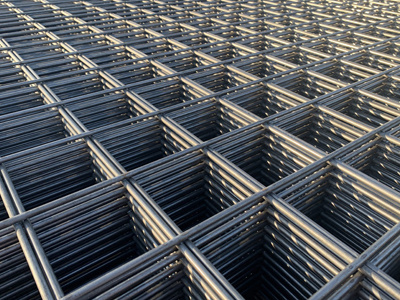
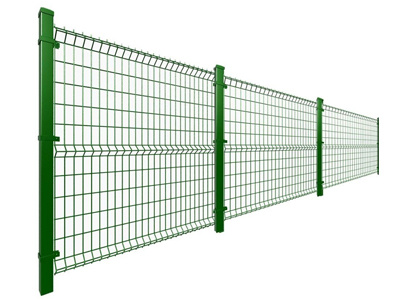
Welded wire mesh has emerged as a crucial component in enhancing safety within construction zones. This versatile material, composed of intersecting steel wires welded together, offers robust structural integrity and various applications. Its ability to withstand significant stress makes it an invaluable asset in maintaining safety standards on construction sites. As we delve into the benefits and applications of welded wire mesh, it becomes evident that this material is not merely a construction accessory, but a vital safety enhancement tool.
Key Benefits of Welded Wire Mesh in Construction
Welded wire mesh presents numerous advantages that contribute to safety in construction zones. These benefits include:
1. Strength and Durability
Welded wire mesh is engineered to provide exceptional strength and durability. The fusion of wires creates a rigid structure capable of withstanding heavy loads and harsh weather conditions. This resilience ensures that safety barriers remain intact, preventing accidents and injuries.
2. Versatility in Application
From temporary fencing to permanent structures, welded wire mesh serves a myriad of purposes. Its adaptability allows it to be utilized in various construction applications, providing a cohesive safety solution tailored to specific site needs.
3. Cost-Effectiveness
In comparison to alternative safety solutions, welded wire mesh is a cost-effective option. Its longevity reduces the need for frequent replacements, while its easy installation can lead to substantial labor savings.
4. Visibility and Security
The open design of welded wire mesh offers excellent visibility, allowing workers and passersby to maintain awareness of construction activities. This transparency reduces the likelihood of accidents, ensuring that everyone remains informed of potential hazards.
5. Enhanced Worker Safety
By providing a secure barrier, welded wire mesh helps protect workers from falling debris and equipment. This safety measure fosters a safer working environment, ultimately leading to increased productivity and morale.
Applications of Welded Wire Mesh in Construction Zones
Welded wire mesh finds extensive applications in construction zones, further underscoring its significance in enhancing safety.
1. Site Fencing and Enclosures
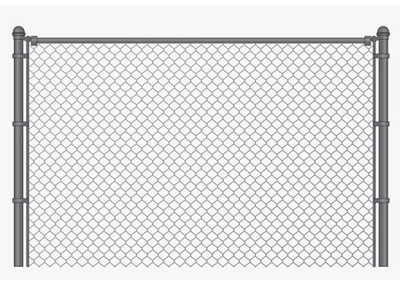
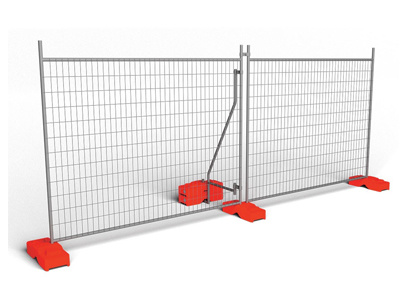
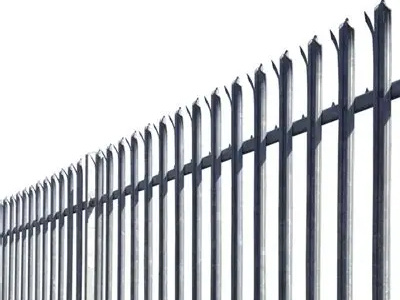
One of the primary uses of welded wire mesh is for site fencing and enclosures. These barriers delineate the construction area, preventing unauthorized access and protecting the public from potential hazards.
2. Reinforcement in Concrete Structures
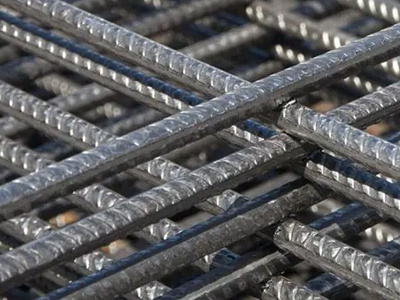
Welded wire mesh is often embedded within concrete during construction. This reinforcement enhances the structural integrity of walls, slabs, and foundations, providing additional safety against collapses and structural failures.
3. Safety Barriers for Heavy Equipment
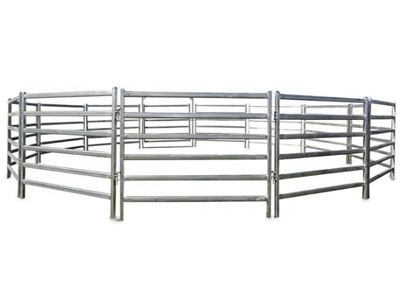
In construction zones where heavy machinery operates, welded wire mesh can serve as safety barriers. These barriers protect workers from moving equipment and create designated areas for machinery operation.
4. Temporary Walkways and Platforms
Welded wire mesh can be employed to create temporary walkways and platforms, providing stable surfaces for workers. This application minimizes the risk of slips and falls, ensuring that workers can navigate the site safely.
5. Environmental Control
Welded wire mesh can also assist in controlling environmental factors, such as erosion and sediment runoff. By stabilizing soil and preventing debris from spreading, it contributes to the overall safety of the construction site.
Design Considerations for Effective Use
To maximize the benefits of welded wire mesh, several design considerations must be taken into account.
1. Material Specifications
Selecting the appropriate wire gauge and spacing is crucial for ensuring the mesh's effectiveness. Factors like load-bearing requirements and environmental conditions should guide these specifications.
2. Height and Length of Barriers
The height and length of welded wire mesh barriers should align with site safety regulations. Taller barriers may be necessary in high-risk areas to deter unauthorized access and guard against falling objects.
3. Compatibility with Other Safety Measures
Welded wire mesh should complement other safety measures in place on the construction site. Integrating it with signage, lighting, and additional barriers can enhance overall safety.
4. Aesthetic Considerations
In urban environments, the visual impact of welded wire mesh should not be overlooked. Options for coatings or finishes can be explored to ensure that safety measures do not detract from the surrounding landscape.
Installation Best Practices for Welded Wire Mesh
Proper installation is essential for maximizing the safety and efficacy of welded wire mesh.
1. Site Preparation
Before installation, the site should be cleared and leveled. Any obstacles that may impede the placement of welded wire mesh should be addressed to ensure a smooth installation process.
2. Secure Anchoring
Using appropriate anchoring methods is critical for the stability of welded wire mesh barriers. Options include concrete footings, ground stakes, or attaching to existing structures.
3. Regular Spacing and Alignment
Maintaining consistent spacing and alignment during installation ensures that the mesh serves its intended purpose. This attention to detail is vital for the overall effectiveness of safety measures.
4. Quality Control
Conducting quality checks during and after installation helps identify any issues that may compromise safety. Addressing these concerns promptly ensures that barriers remain secure and reliable.
Maintenance and Inspection of Welded Wire Mesh
To sustain the integrity of welded wire mesh installations, ongoing maintenance and inspection are essential.
1. Regular Inspections
Routine inspections should be scheduled to assess the condition of welded wire mesh barriers. Look for signs of wear, rust, or damage that may require repairs or replacements.
2. Cleaning and Maintenance
Keeping welded wire mesh clean is important for its longevity. Removing debris, dirt, and corrosion can help prevent deterioration and maintain its structural integrity.
3. Addressing Damage Promptly
Any identified damage should be addressed immediately to prevent further deterioration. Timely repairs can enhance safety and prolong the lifespan of the mesh.
Safety Regulations and Standards
Adhering to safety regulations and standards is paramount in construction zones. Various organizations and authorities provide guidelines for the use of welded wire mesh, ensuring that installations meet safety requirements.
1. OSHA Guidelines
The Occupational Safety and Health Administration (OSHA) sets forth regulations regarding the use of barriers and safety measures in construction. Familiarizing oneself with these guidelines can help ensure compliance and protect workers.
2. Local Building Codes
It is essential to consider local building codes when implementing welded wire mesh. These codes may dictate specific requirements for installation, material specifications, and safety measures.
3. Best Practices for Compliance
Implementing best practices for compliance includes regular training for workers, ongoing safety audits, and maintaining open communication about safety protocols.
Conclusion: The Future of Safety in Construction
In conclusion, welded wire mesh plays a pivotal role in enhancing safety in construction zones. Its strength, versatility, and cost-effectiveness make it an indispensable tool for protecting workers and the public. By adhering to proper design considerations, installation best practices, and ongoing maintenance, we can maximize the benefits of welded wire mesh and create safer construction environments. As the industry evolves, continued innovation and adherence to safety standards will ensure that welded wire mesh remains at the forefront of construction safety measures.
FAQs about Welded Wire Mesh
1. What is welded wire mesh used for in construction?
Welded wire mesh is primarily used for site fencing, concrete reinforcement, safety barriers, and creating temporary walkways or platforms.
2. How does welded wire mesh enhance safety on construction sites?
It provides secure barriers that protect workers from falling debris and equipment, delineates hazardous areas, and improves visibility.
3. What materials are used in welded wire mesh?
Welded wire mesh is typically made from high-quality steel wires, which are welded together to create a stable and durable structure.
4. How do I maintain welded wire mesh?
Regular inspections, cleaning, and prompt repairs are essential for maintaining the integrity and effectiveness of welded wire mesh installations.
5. Are there specific regulations for using welded wire mesh?
Yes, OSHA guidelines and local building codes govern the use of welded wire mesh in construction. Adhering to these regulations ensures compliance and promotes safety.
TAG:
PREVIOUS:
Contact Us
Phone/WhatsApp
Address
B1213 Global Centre, No.226 Zhonghua North Street, Shijiazhuang, China


WhatsApp / Wechat
TEL / FAX
Address
B1213 Global Centre, No.226 Zhonghua North Street, Shijiazhuang, China