

-
Grating Series
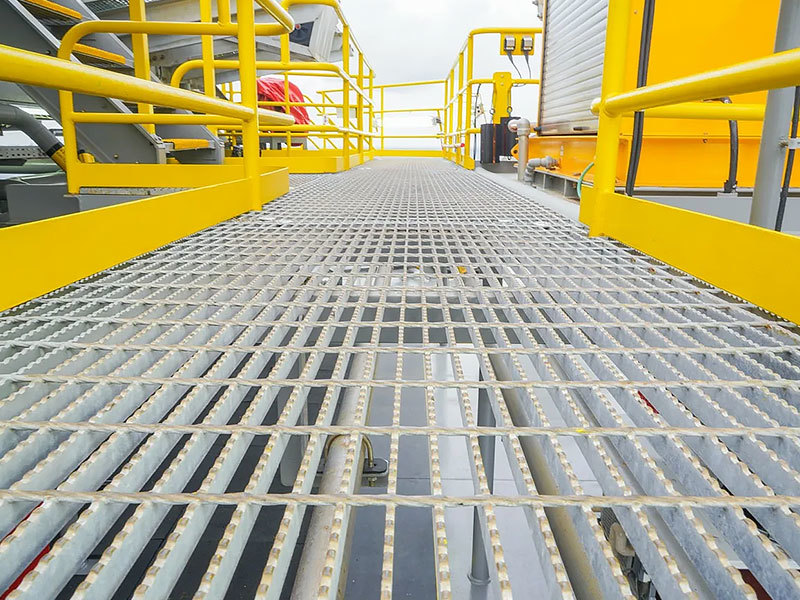
View Products
Wire Mesh Series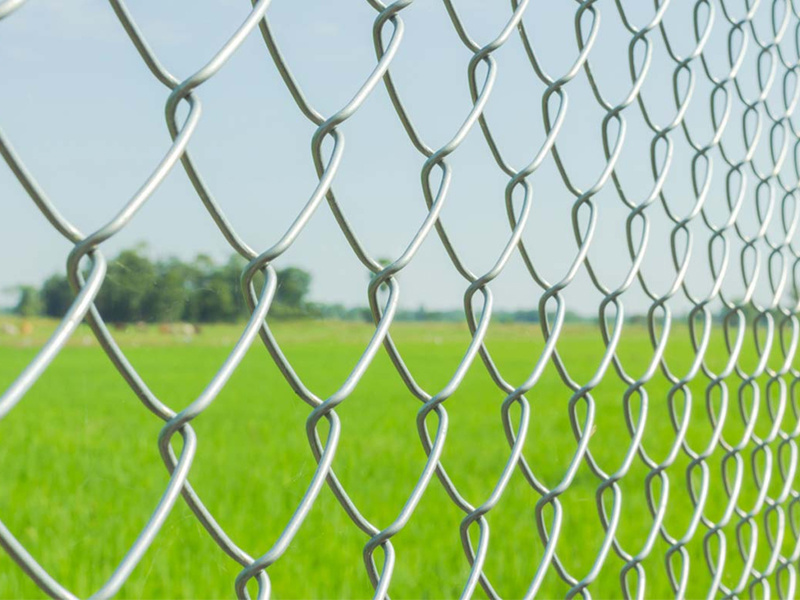
View Products
Wire Mesh Fence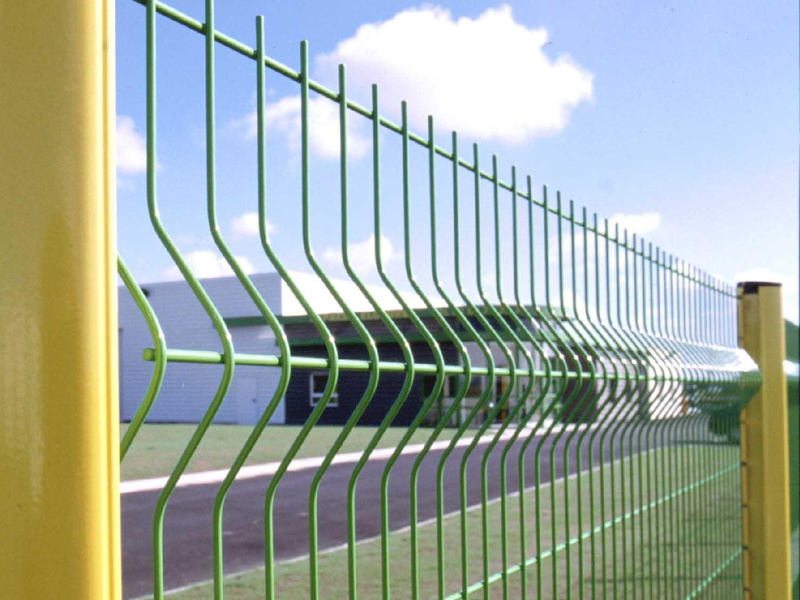
View Products
Barbed Wire Series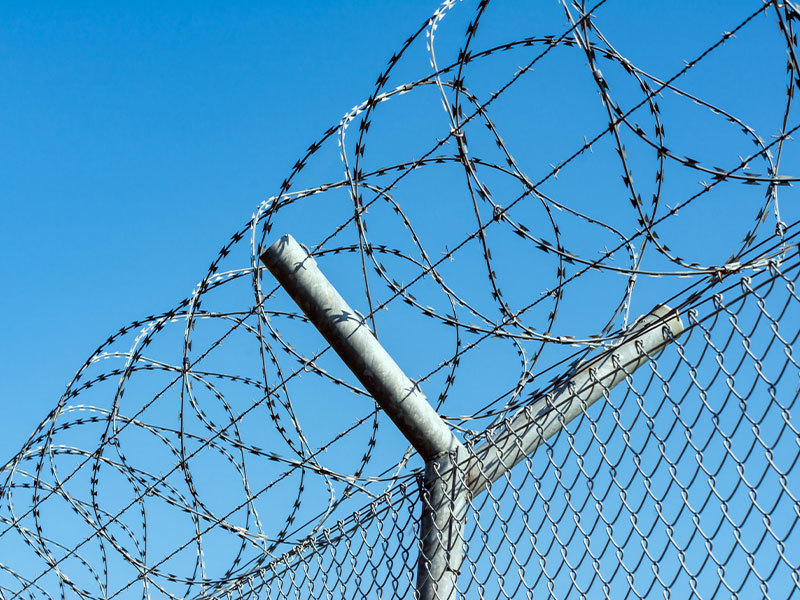
View Products
Gabion Basket Series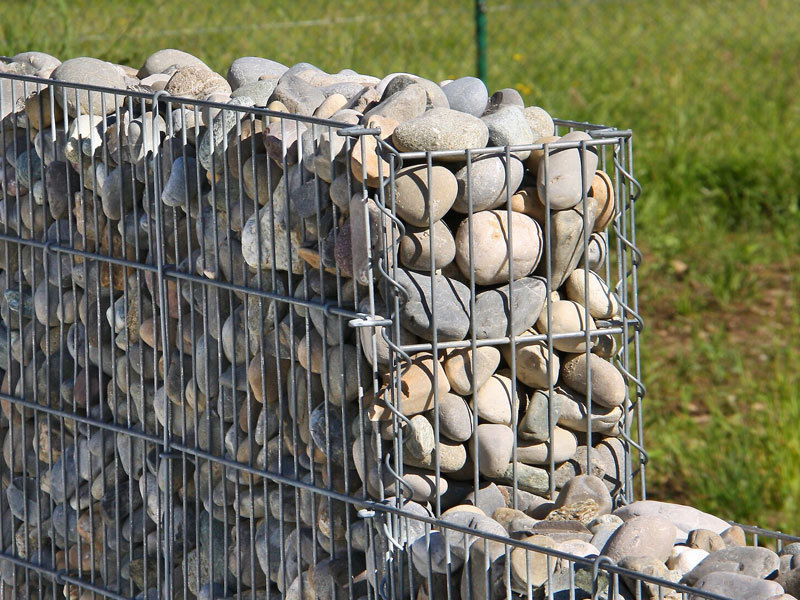
View Products
Steel Pipe Series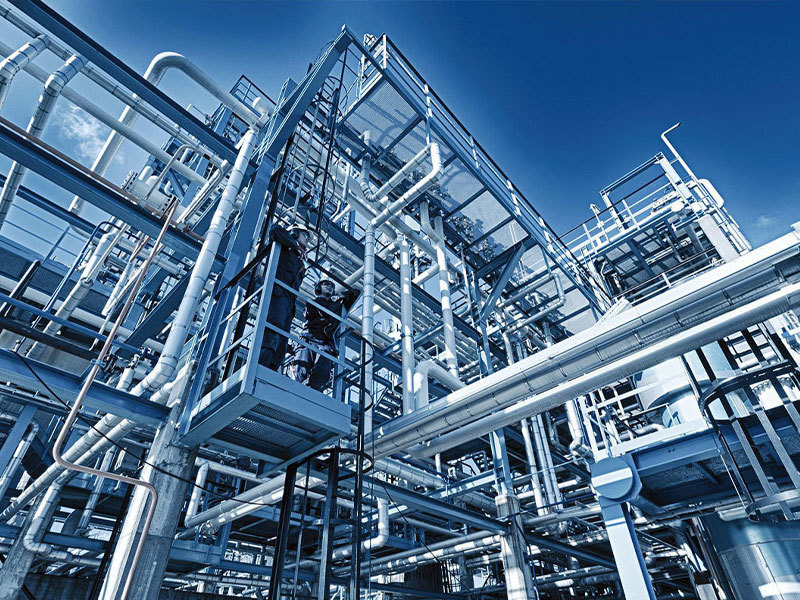
View Products
Steel Sheet Series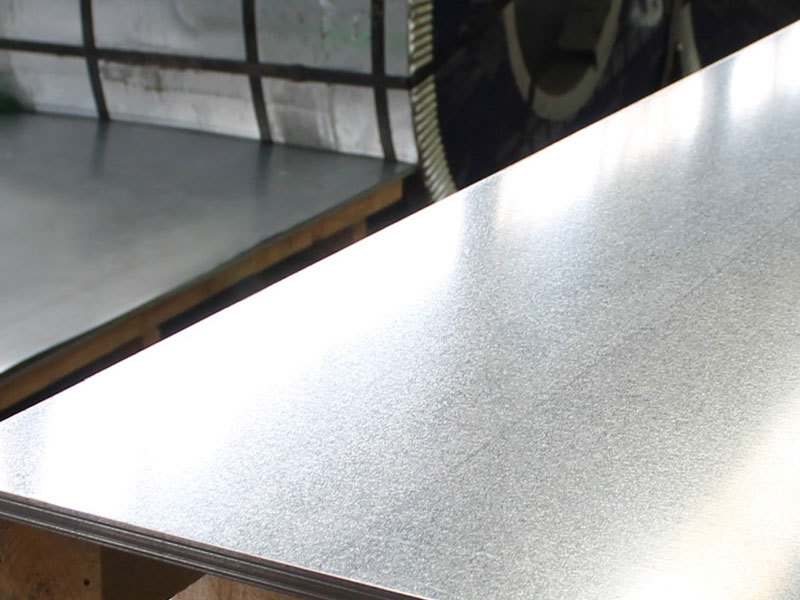
View Products
Steel Coil Series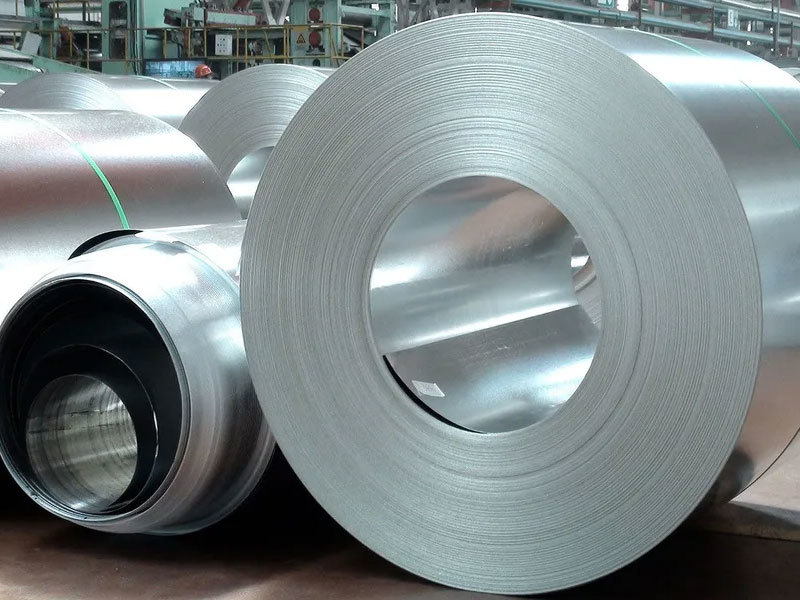
View Products
-
-
-



Why Steel Grating is Essential for Efficient Drainage Systems
Jun 19,2026
Why Steel Grating is Essential for Efficient Drainage Systems
Introduction to Steel Grating and Drainage Systems
Steel grating has emerged as a vital component in the construction and maintenance of efficient drainage systems. It provides not only structural support but also enhances the effectiveness of water management in various applications. Understanding the significance of steel grating he
Why Steel Grating is Essential for Efficient Drainage Systems
Introduction to Steel Grating and Drainage Systems
Steel grating has emerged as a vital component in the construction and maintenance of efficient drainage systems. It provides not only structural support but also enhances the effectiveness of water management in various applications. Understanding the significance of steel grating helps in making informed choices about drainage solutions, ensuring long-term functionality and reliability.
The Importance of Effective Drainage Systems
In any construction or landscaping project, the drainage system plays a crucial role in managing stormwater, preventing flooding, and protecting the structural integrity of buildings. Inefficient drainage can lead to a host of problems, including erosion, water pooling, and damage to foundations. Therefore, implementing robust solutions like steel grating is essential for maintaining an effective drainage system.
What is Steel Grating?
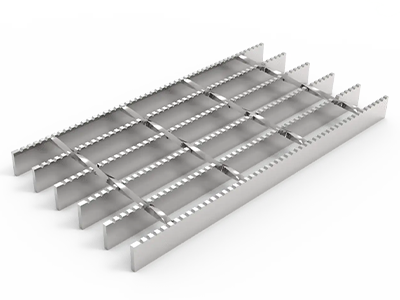
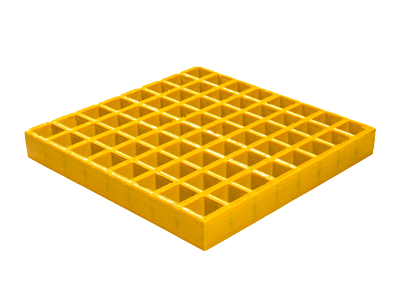
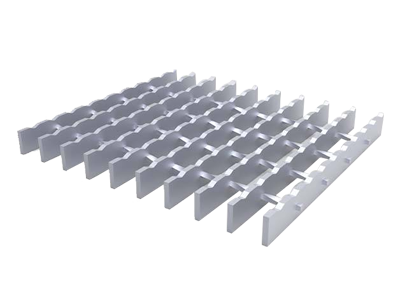
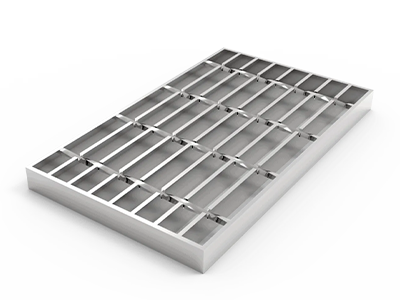
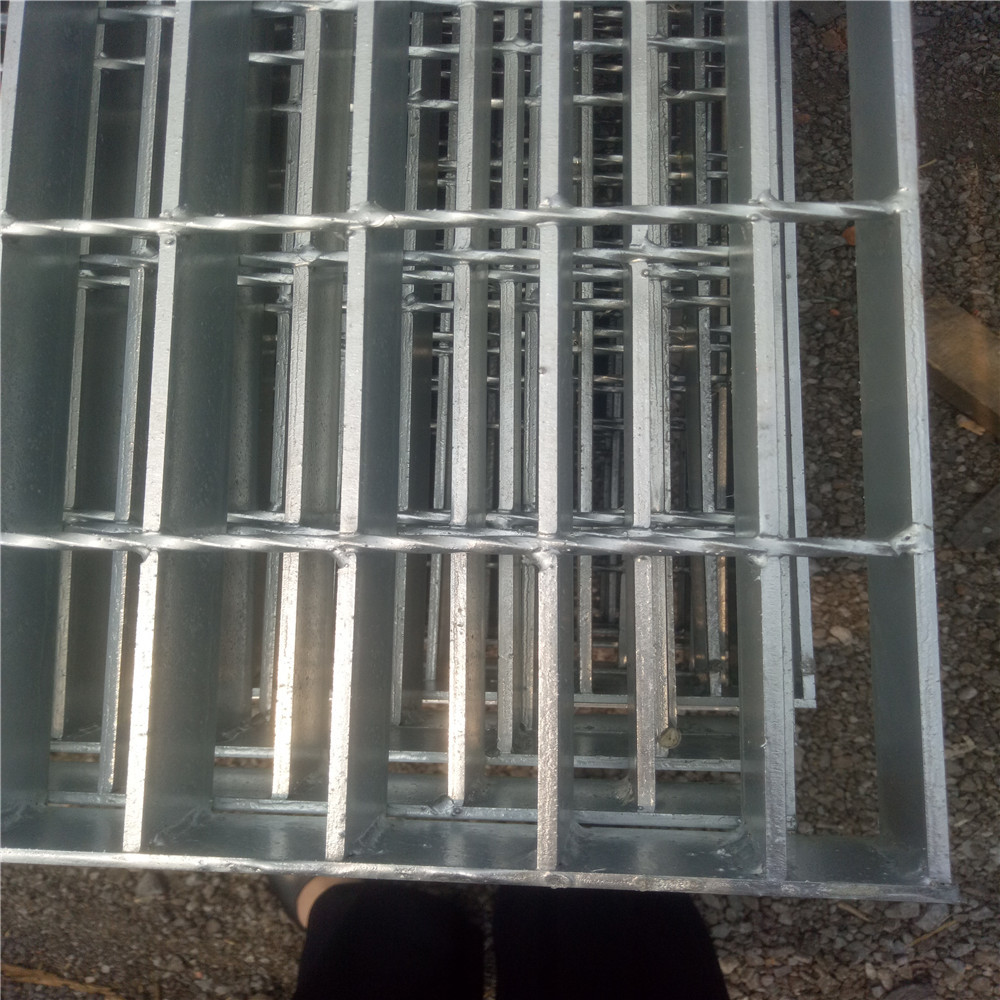
Steel grating is a type of flooring or covering made from steel bars or plates, designed in a grid pattern. It provides a sturdy surface while allowing water and debris to flow through easily. Available in various designs, including welded, pressed, and swage-locked grating, it is widely used in industrial, commercial, and municipal applications.
Key Benefits of Using Steel Grating in Drainage Systems
The integration of steel grating in drainage systems offers numerous advantages:
1. **Enhanced Water Flow**
Steel grating allows for optimal water flow, minimizing the risk of clogs and backups in drainage systems. Its open design facilitates the easy passage of water while filtering out debris, ensuring a clear and efficient drainage pathway.
2. **Durability and Longevity**
Constructed from high-quality steel, steel grating is exceptionally durable and resistant to heavy loads, harsh weather conditions, and corrosion. This longevity reduces the frequency of repairs and replacements, making it a cost-effective solution in the long run.
3. **Versatility in Applications**
Steel grating can be utilized in various settings, from urban drainage systems to agricultural fields. Its adaptability makes it suitable for different environments, whether dealing with surface water in cities or managing runoff in rural areas.
4. **Safety Features**
Many steel grates come with anti-slip surfaces, which enhance safety for pedestrians and vehicles. This is particularly important in public spaces where slip hazards could lead to accidents.
5. **Aesthetic Appeal**
In addition to its functional benefits, steel grating can be designed to complement the aesthetic of an area. Available in various finishes and styles, it can enhance the visual appeal of drainage installations.
Applications of Steel Grating in Drainage Systems
Steel grating finds application in a multitude of drainage scenarios, each with unique requirements.
Municipal Drainage Solutions
In urban environments, steel grating is commonly used in stormwater drainage systems, including catch basins, stormwater inlets, and trench drains. These installations help manage the flow of rainwater, preventing urban flooding and erosion.
Industrial Applications
Industrial facilities often require robust drainage solutions to handle heavy machinery and equipment. Steel grating is ideal for creating durable drainage channels and platforms in environments such as factories, warehouses, and processing plants. Its strength and durability allow it to withstand the rigors of industrial use.
Agricultural Drainage Systems
In agriculture, proper drainage is essential for crop health. Steel grating can be used in farm fields to manage excess water, ensuring optimal growing conditions. Its ability to handle varying soil types and water levels makes it a reliable choice for farmers.
Transportation Infrastructure
Steel grating is often incorporated into transportation infrastructure, such as highways and railways, to manage water runoff efficiently. Grated drainage systems ensure that roadways remain safe and navigable during heavy rainfall.
Understanding Different Types of Steel Grating
When selecting steel grating for drainage systems, it is essential to consider the various types available.
Welded Steel Grating
Welded steel grating consists of cross bars welded to bearing bars, providing excellent strength and load-bearing capabilities. It is commonly used in heavy-duty applications, making it ideal for industrial drainage systems.
Pressed Steel Grating
Pressed steel grating is manufactured by pressing the cross bars into the bearing bars, creating a strong and lightweight product. This type is often used in pedestrian areas and light-duty applications, ensuring effective water drainage while maintaining safety.
Swage-Locked Steel Grating
Swage-locked steel grating features a unique locking mechanism that provides additional strength without the need for welding. It is perfect for applications requiring high load capacities, such as industrial and municipal drainage projects.
Installation Considerations for Steel Grating in Drainage Systems
Proper installation of steel grating is crucial for optimal performance in drainage systems.
Site Assessment
Conducting a thorough site assessment is essential to determine the appropriate type of steel grating and its configuration. Factors such as water flow patterns, soil conditions, and load requirements should be evaluated before installation.
Preparation and Placement
Before placing steel grating, ensure that the drainage channel is adequately prepared. This includes clearing debris, leveling the base, and ensuring proper alignment. Proper placement will enhance the longevity and functionality of the drainage system.
Maintenance and Inspection
Regular maintenance is key to ensuring the efficiency of steel grating in drainage systems. Routine inspections should be conducted to check for clogs, structural integrity, and signs of wear. Timely maintenance can prevent significant issues down the road.
Cost Implications of Steel Grating in Drainage Systems
Understanding the cost implications associated with steel grating can help in budget planning for drainage projects.
Initial Investment vs. Long-Term Savings
While the initial investment in steel grating may be higher compared to other materials, its durability and resistance to wear can lead to substantial long-term savings. Reduced maintenance costs, fewer replacements, and enhanced performance make steel grating a wise financial choice.
Factors Influencing Cost
Several factors influence the cost of steel grating, including the type of grating selected, the complexity of the installation, and the specific site requirements. Additionally, local market conditions and material prices can impact overall expenses.
FAQs about Steel Grating and Drainage Systems
1. What materials are used to manufacture steel grating?
Steel grating is primarily made from carbon steel, although stainless steel and aluminum options are also available for specific applications requiring corrosion resistance.
2. How do I choose the right type of steel grating for my drainage system?
Choosing the right type depends on factors such as load requirements, environmental conditions, and aesthetic considerations. Consulting with a construction or engineering professional can provide valuable insights.
3. How often should steel grating be inspected and maintained?
Regular inspections should be conducted at least twice a year or after significant rainfall events. Maintenance should be performed as needed to ensure optimal performance.
4. Can steel grating be customized for specific applications?
Yes, steel grating can be custom-designed to meet specific dimensions, load capacities, and aesthetic preferences, making it suitable for a wide range of applications.
5. What are the environmental benefits of using steel grating in drainage systems?
Steel grating supports sustainable drainage practices by promoting effective water management, reducing runoff, and minimizing the risk of flooding, contributing to overall environmental protection.
Conclusion
Steel grating plays an indispensable role in the design and functionality of efficient drainage systems. Its numerous advantages, including enhanced water flow, durability, and versatility, make it a preferred choice across various applications. By understanding its importance and implementing best practices in installation and maintenance, stakeholders can ensure long-lasting and effective drainage solutions. Investing in steel grating not only optimizes water management but also contributes to the safety and sustainability of the environment.
TAG:
PREVIOUS:
Contact Us
Phone/WhatsApp
Address
B1213 Global Centre, No.226 Zhonghua North Street, Shijiazhuang, China


WhatsApp / Wechat
TEL / FAX
Address
B1213 Global Centre, No.226 Zhonghua North Street, Shijiazhuang, China