

-
Grating Series
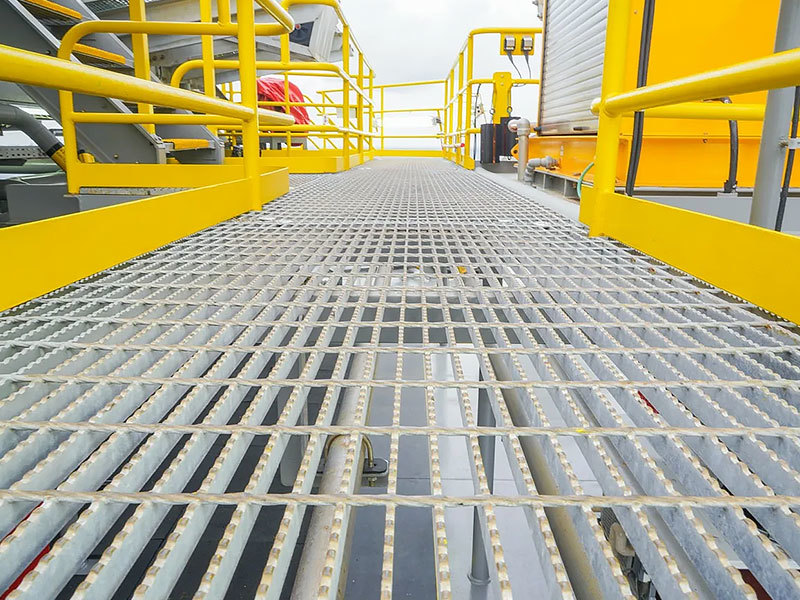
View Products
Wire Mesh Series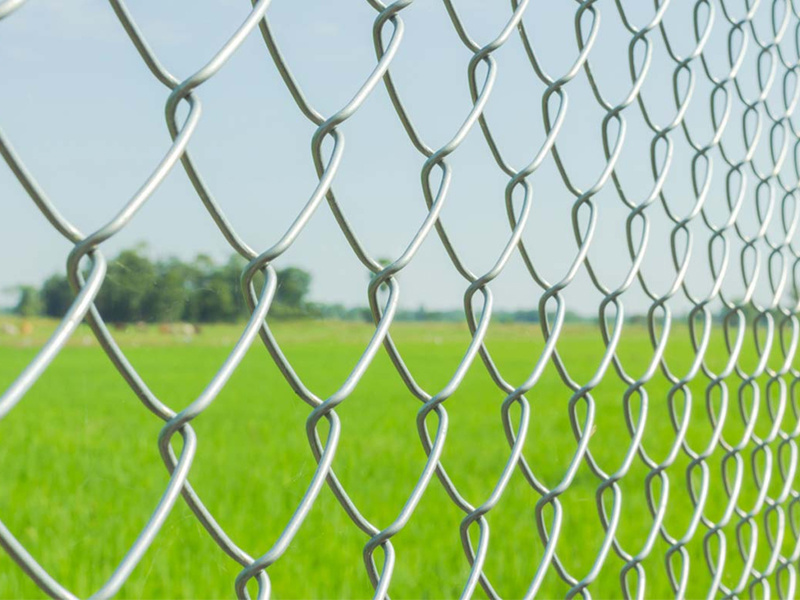
View Products
Wire Mesh Fence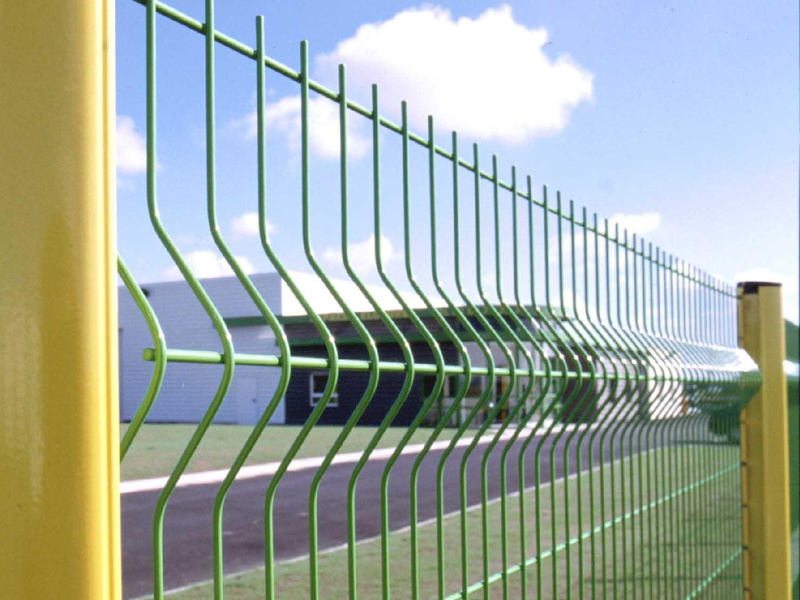
View Products
Barbed Wire Series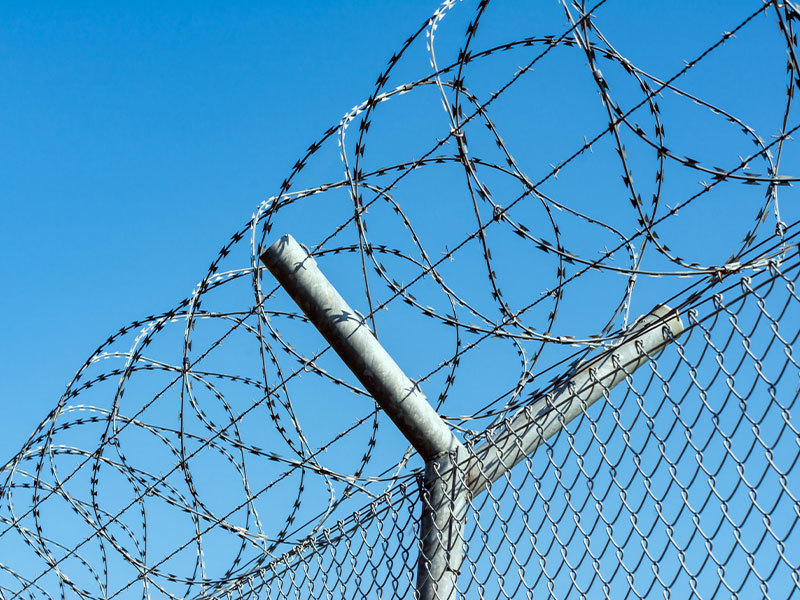
View Products
Gabion Basket Series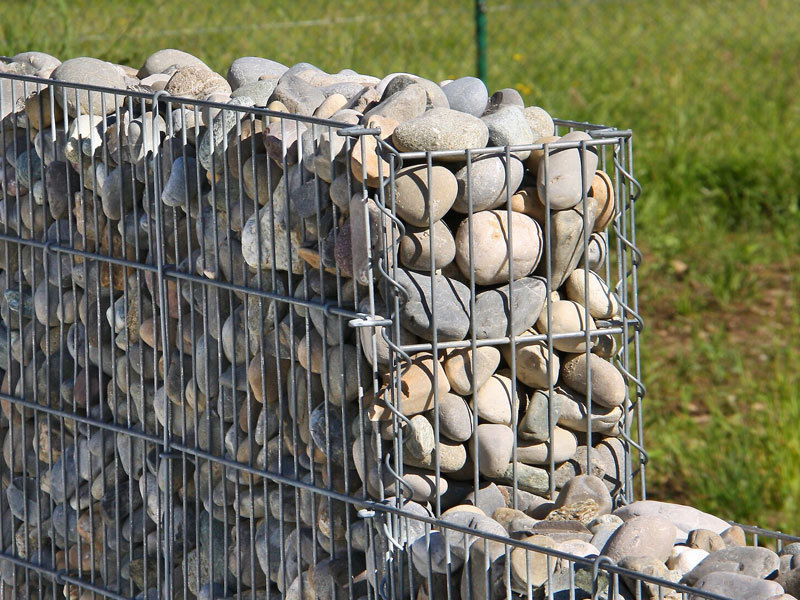
View Products
Steel Pipe Series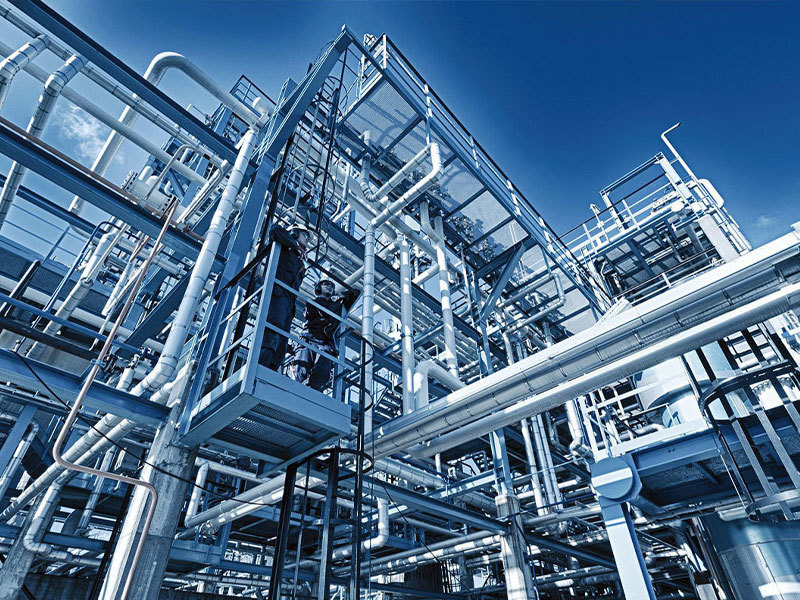
View Products
Steel Sheet Series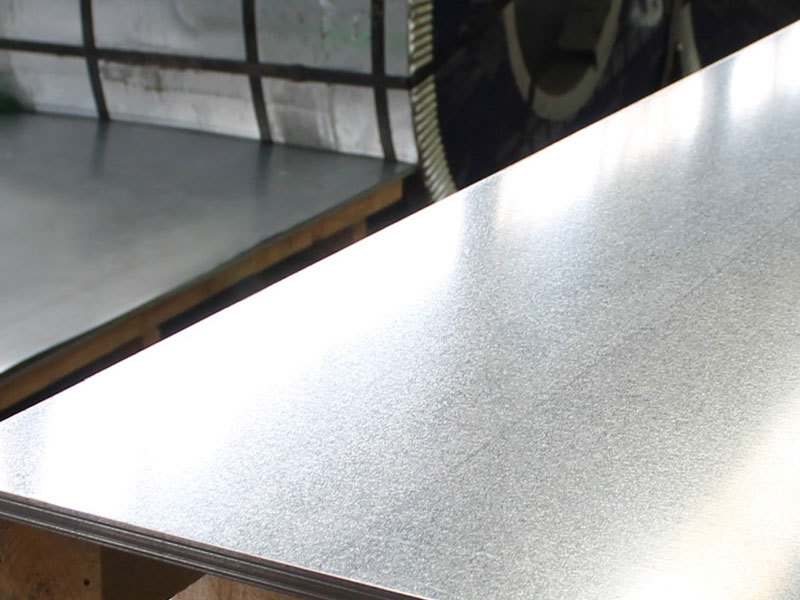
View Products
Steel Coil Series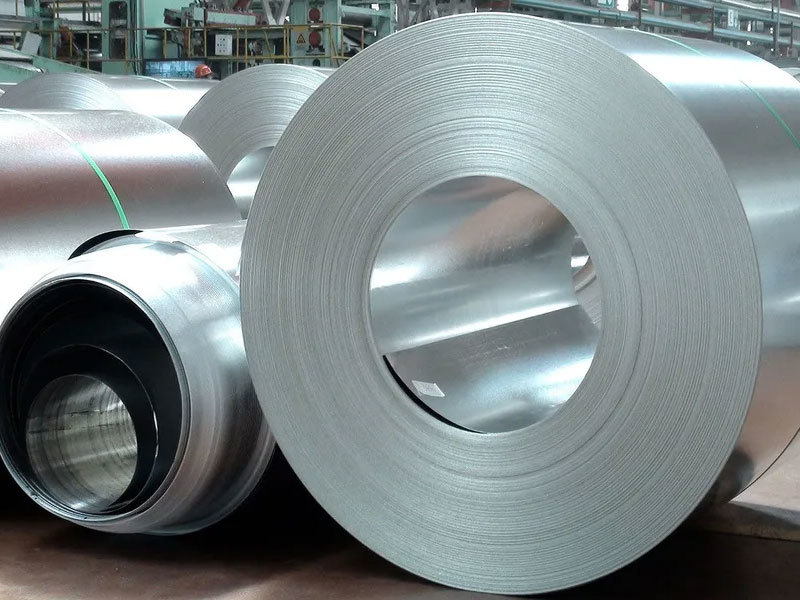
View Products
-
-
-


Understanding the Benefits and Applications of FRP Grating in Construction
Apr 24,2026
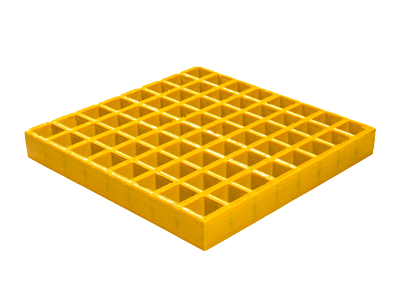
Fiber Reinforced Polymer (FRP) grating is a composite material that has emerged as a game-changer in various construction applications, particularly in the steel materials sector. Known for its lightweight and durable nature, FRP grating offers a range of benefits that make it an ideal choice for many projects.
One of the primary advantages of FRP grating is its resistance to corrosion. Unlike tra

Fiber Reinforced Polymer (FRP) grating is a composite material that has emerged as a game-changer in various construction applications, particularly in the steel materials sector. Known for its lightweight and durable nature, FRP grating offers a range of benefits that make it an ideal choice for many projects.
One of the primary advantages of FRP grating is its resistance to corrosion. Unlike traditional steel grating, which can suffer from rust and degradation when exposed to harsh environmental conditions, FRP grating is impervious to moisture and chemicals. This property makes it highly suitable for use in industrial settings, wastewater treatment plants, and coastal environments where corrosion is a major concern.
Another significant benefit of FRP grating is its lightweight composition. This feature enables easier installation and reduces labor costs, as it requires less manpower and equipment to handle compared to heavier materials. Additionally, the reduced weight can lead to lower transportation costs, making FRP grating a cost-effective option for many construction projects.
FRP grating also boasts excellent load-bearing capabilities, which can be tailored to meet specific project requirements. It can effectively support heavy loads while maintaining structural integrity over time. This adaptability makes it a versatile option for applications ranging from walkways and platforms to support structures in industrial and commercial settings.
The non-slip surface of FRP grating is another key advantage, ensuring safety for pedestrians and workers. This feature is particularly vital in environments where slip hazards are prevalent, such as in wet or oily conditions. Furthermore, FRP grating can be manufactured in a variety of colors and finishes, allowing for aesthetic customization to suit the design needs of a project.
In terms of maintenance, FRP grating stands out as a low-maintenance option. Its resistance to environmental factors means that it does not require regular coatings or treatments, allowing for long-term savings and minimal upkeep.
When considering the use of FRP grating in construction projects, it is essential to evaluate the specific needs and conditions of the application. Factors such as load requirements, environmental exposure, and safety considerations should be taken into account to ensure optimal performance.
In conclusion, FRP grating is a highly beneficial material for the construction and decoration industry, particularly in the realm of steel materials. Its corrosion resistance, lightweight nature, load-bearing capabilities, safety features, and low maintenance requirements make it an excellent choice for a wide range of applications. As the industry continues to evolve, incorporating innovative materials like FRP grating will be crucial for enhancing construction practices and ensuring durability and safety in projects.
One of the primary advantages of FRP grating is its resistance to corrosion. Unlike traditional steel grating, which can suffer from rust and degradation when exposed to harsh environmental conditions, FRP grating is impervious to moisture and chemicals. This property makes it highly suitable for use in industrial settings, wastewater treatment plants, and coastal environments where corrosion is a major concern.
Another significant benefit of FRP grating is its lightweight composition. This feature enables easier installation and reduces labor costs, as it requires less manpower and equipment to handle compared to heavier materials. Additionally, the reduced weight can lead to lower transportation costs, making FRP grating a cost-effective option for many construction projects.
FRP grating also boasts excellent load-bearing capabilities, which can be tailored to meet specific project requirements. It can effectively support heavy loads while maintaining structural integrity over time. This adaptability makes it a versatile option for applications ranging from walkways and platforms to support structures in industrial and commercial settings.
The non-slip surface of FRP grating is another key advantage, ensuring safety for pedestrians and workers. This feature is particularly vital in environments where slip hazards are prevalent, such as in wet or oily conditions. Furthermore, FRP grating can be manufactured in a variety of colors and finishes, allowing for aesthetic customization to suit the design needs of a project.
In terms of maintenance, FRP grating stands out as a low-maintenance option. Its resistance to environmental factors means that it does not require regular coatings or treatments, allowing for long-term savings and minimal upkeep.
When considering the use of FRP grating in construction projects, it is essential to evaluate the specific needs and conditions of the application. Factors such as load requirements, environmental exposure, and safety considerations should be taken into account to ensure optimal performance.
In conclusion, FRP grating is a highly beneficial material for the construction and decoration industry, particularly in the realm of steel materials. Its corrosion resistance, lightweight nature, load-bearing capabilities, safety features, and low maintenance requirements make it an excellent choice for a wide range of applications. As the industry continues to evolve, incorporating innovative materials like FRP grating will be crucial for enhancing construction practices and ensuring durability and safety in projects.
TAG:
Contact Us
Phone/WhatsApp
Address
B1213 Global Centre, No.226 Zhonghua North Street, Shijiazhuang, China


WhatsApp / Wechat
TEL / FAX
Address
B1213 Global Centre, No.226 Zhonghua North Street, Shijiazhuang, China