

-
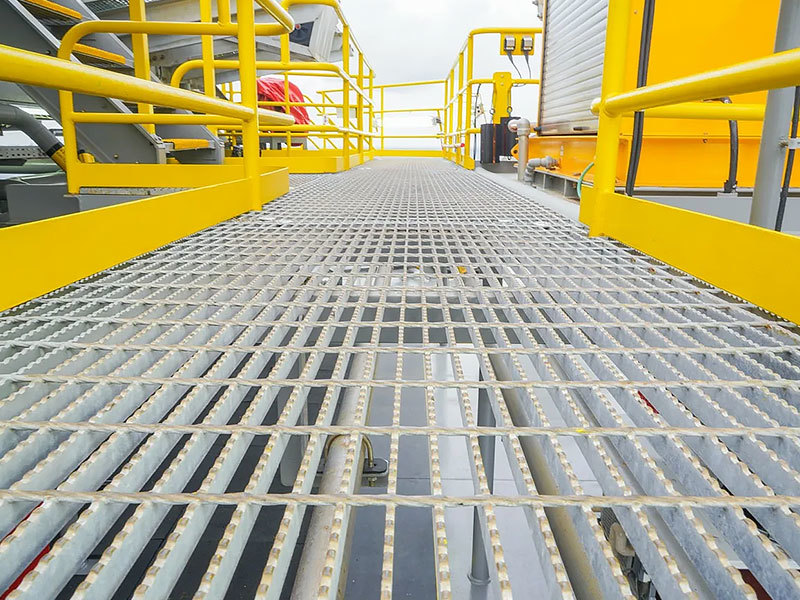
Grating Series
View Products
Wire Mesh Series
View Products
Wire Mesh Fence
View Products
Barbed Wire Series
View Products
Gabion Basket Series
View Products
Steel Pipe Series
View Products
Steel Sheet Series
View Products
Steel Coil Series
View Products
-
-
-
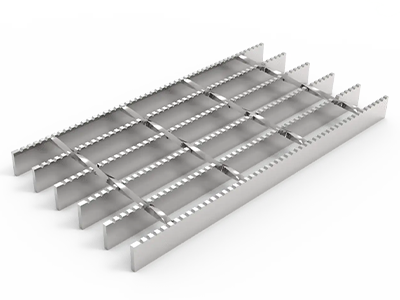

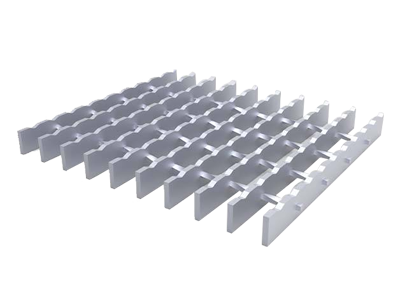
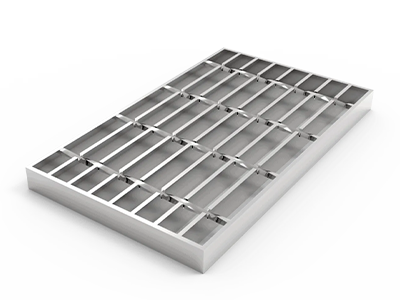









The Role of Stainless Steel Grating in Sustainable Building Practices
Apr 23,2026
The Role of Stainless Steel Grating in Sustainable Building Practices
Table of Contents
Introduction to Stainless Steel Grating
Understanding Sustainable Building Practices
Benefits of Stainless Steel Grating in Construction
Applications of Stainless Steel Grating in Building Projects
Environmental Impact of Stainless Steel Grating
Durability and Lifespan of Stainless Steel Grating

The Role of Stainless Steel Grating in Sustainable Building Practices
Table of Contents
- Introduction to Stainless Steel Grating
- Understanding Sustainable Building Practices
- Benefits of Stainless Steel Grating in Construction
- Applications of Stainless Steel Grating in Building Projects
- Environmental Impact of Stainless Steel Grating
- Durability and Lifespan of Stainless Steel Grating
- Cost-Effectiveness of Using Stainless Steel Grating
- Future Trends in Sustainable Building Materials
- FAQs
- Conclusion
Introduction to Stainless Steel Grating
Stainless steel grating has emerged as a pivotal element in modern construction, especially within the framework of sustainable building practices. This material is not only durable and strong but also offers numerous benefits that align with the principles of sustainability. As urbanization continues to grow, the demand for materials that can withstand harsh environments while minimizing ecological footprints is on the rise.
Understanding Sustainable Building Practices
Sustainable building practices focus on creating structures that are environmentally responsible and resource-efficient throughout their life cycles. This includes design, construction, operation, maintenance, and demolition. Key components of sustainable construction include:
- **Energy Efficiency**: Reducing energy consumption through smart design and material choices.
- **Resource Management**: Using renewable resources and minimizing waste.
- **Environmental Impact**: Understanding and mitigating the ecological footprint of buildings.
In this context, stainless steel grating plays a significant role in achieving these goals.
Benefits of Stainless Steel Grating in Construction
Stainless steel grating offers an array of advantages that make it an ideal choice for sustainable construction:
1. Corrosion Resistance
Stainless steel is inherently resistant to corrosion, which enhances its lifespan and reduces the need for replacements. This durability translates to less resource consumption over time.
2. Low Maintenance
The maintenance requirements for stainless steel grating are minimal. This not only saves labor costs but also reduces the amount of cleaning and repair materials needed, which contributes to sustainability.
3. Recyclability
Stainless steel is 100% recyclable, allowing for a circular economy where materials can be repurposed rather than discarded. This feature significantly reduces landfill waste and energy consumption associated with new material production.
Applications of Stainless Steel Grating in Building Projects
Stainless steel grating can be utilized in various applications across different types of buildings:
1. Walkways and Platforms
Stainless steel grating is commonly used in walkways and platforms in commercial and industrial settings, providing safe and durable surfaces that withstand heavy foot and vehicle traffic.
2. Drainage Systems
In sustainable buildings, effective drainage systems are crucial. Stainless steel grating allows for optimal water drainage, preventing pooling and enhancing outdoor space usability.
3. Architectural Features
Stainless steel grating can also serve as a design element in architecture, offering aesthetic appeal while maintaining functionality. Its sleek appearance can enhance the visual aspect of modern buildings.
Environmental Impact of Stainless Steel Grating
The environmental benefits of stainless steel grating are profound:
1. Energy Efficiency
The production of stainless steel requires less energy compared to other materials like aluminum or carbon steel. This efficiency contributes to lower carbon emissions during manufacturing.
2. Longevity
Due to its durability, stainless steel grating has a longer lifespan than many other materials, leading to less frequent replacements and reduced consumption of resources over time.
Durability and Lifespan of Stainless Steel Grating
One of the standout features of stainless steel grating is its ability to endure extreme conditions. Factors that contribute to its durability include:
- **Resistance to Chemicals**: Unlike other materials, stainless steel does not corrode when exposed to harsh chemicals.
- **Weather Resistance**: Stainless steel can withstand temperature fluctuations, heavy rainfall, and other environmental stresses, making it suitable for outdoor applications.
With proper installation and care, stainless steel grating can last for decades, providing a sustainable solution for construction projects.
Cost-Effectiveness of Using Stainless Steel Grating
While the initial cost of stainless steel grating may be higher than that of other materials, its long-term savings make it an economically viable option. Factors influencing its cost-effectiveness include:
- **Reduced Maintenance Costs**: Its low maintenance requirements lead to lower ongoing costs.
- **Longevity**: The longer lifespan of stainless steel reduces replacement frequency, saving money over time.
Investing in stainless steel grating is a financially sound decision for sustainable building practices.
Future Trends in Sustainable Building Materials
As the construction industry evolves, so do the materials used. Future trends for stainless steel grating include:
- **Innovative Designs**: Designers are increasingly experimenting with the aesthetics of stainless steel grating, integrating it into more architectural elements.
- **Smart Materials**: The integration of technology with building materials, including stainless steel grating, is expected to grow, leading to even more efficient and sustainable structures.
Sustainable construction practices will continue to prioritize materials like stainless steel grating that offer both functionality and ecological benefits.
FAQs
1. What is stainless steel grating made of?
Stainless steel grating is primarily made from stainless steel alloys, which provide its characteristic strength and corrosion resistance.
2. How is stainless steel grating different from other types of grating?
Stainless steel grating offers superior corrosion resistance and durability compared to materials like aluminum and carbon steel, making it ideal for outdoor and industrial applications.
3. Is stainless steel grating environmentally friendly?
Yes, stainless steel grating is environmentally friendly due to its recyclability, energy-efficient production, and long lifespan, which reduce waste and resource consumption.
4. Can stainless steel grating be used in residential buildings?
Absolutely! Stainless steel grating can be used in residential applications, including walkways, balconies, and decorative features.
5. What are the maintenance requirements for stainless steel grating?
Stainless steel grating requires minimal maintenance. Regular cleaning and inspection are typically sufficient to maintain its appearance and functionality.
Conclusion
In conclusion, stainless steel grating plays an essential role in sustainable building practices, offering a myriad of benefits that align with the principles of environmental responsibility and resource efficiency. Its durability, low maintenance needs, and recyclability make it a superior choice for modern construction. As we strive towards more sustainable architecture, the integration of stainless steel grating will undoubtedly contribute to creating resilient, eco-friendly buildings that meet the demands of the future. By choosing stainless steel grating, we are not only investing in quality but also supporting a sustainable future for our built environment.
TAG:
PREVIOUS:
Contact Us
Phone/WhatsApp
Address
B1213 Global Centre, No.226 Zhonghua North Street, Shijiazhuang, China


WhatsApp / Wechat
TEL / FAX
Address
B1213 Global Centre, No.226 Zhonghua North Street, Shijiazhuang, China