

-
Grating Series
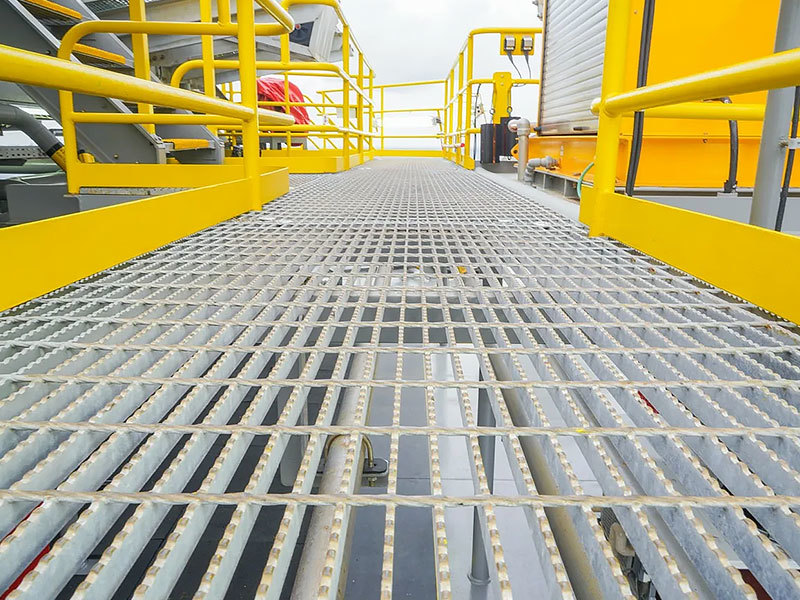
View Products
Wire Mesh Series
View Products
Wire Mesh Fence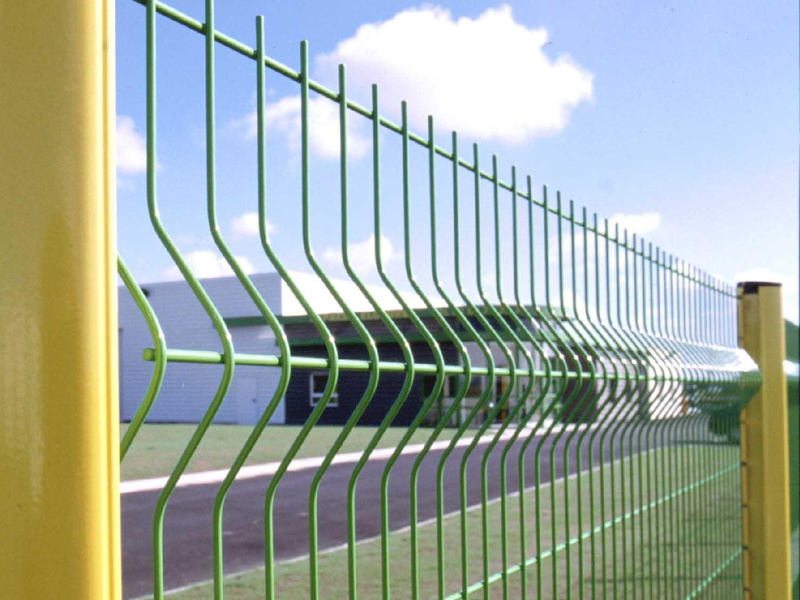
View Products
Barbed Wire Series
View Products
Gabion Basket Series
View Products
Steel Pipe Series
View Products
Steel Sheet Series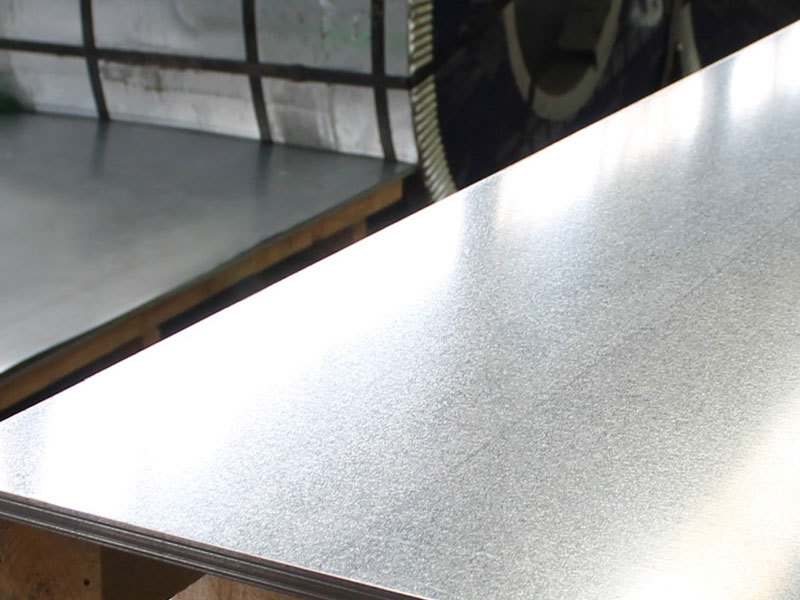
View Products
Steel Coil Series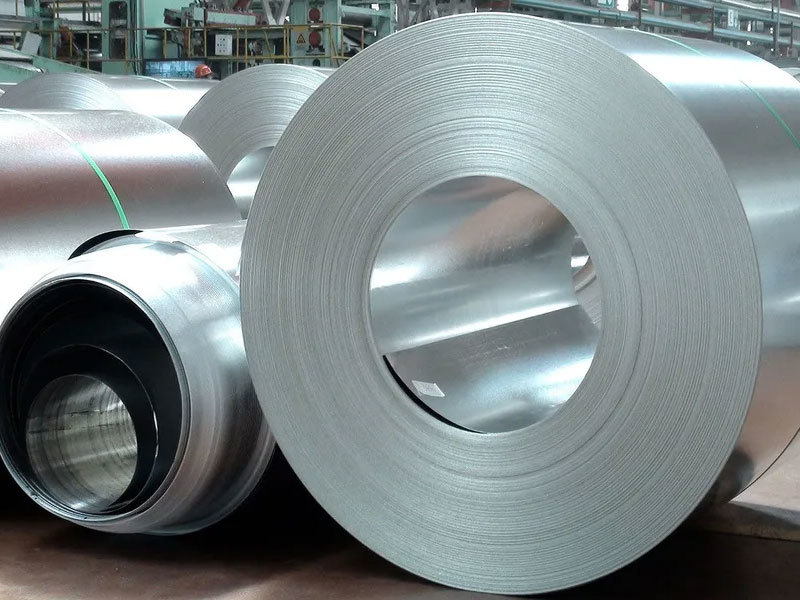
View Products
-
-
-



Comparing Steel Grating to Plastic Grating: Pros and Cons for Construction and Design
Apr 21,2026
Comparing Steel Grating to Plastic Grating: Pros and Cons for Construction and Design
Introduction to Grating Materials
Grating materials are essential in various construction and design applications, acting as support structures, safety barriers, and ventilation systems. Among the most commonly used materials are **steel grating** and **plastic grating**. Each material offers unique benefits and
Comparing Steel Grating to Plastic Grating: Pros and Cons for Construction and Design
Introduction to Grating Materials
Grating materials are essential in various construction and design applications, acting as support structures, safety barriers, and ventilation systems. Among the most commonly used materials are **steel grating** and **plastic grating**. Each material offers unique benefits and drawbacks depending on the requirements of a project. This article delves deep into the **pros and cons of steel versus plastic grating**, enabling you to make an informed choice for your construction needs.
What is Steel Grating?
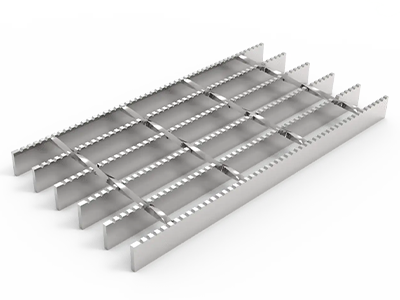
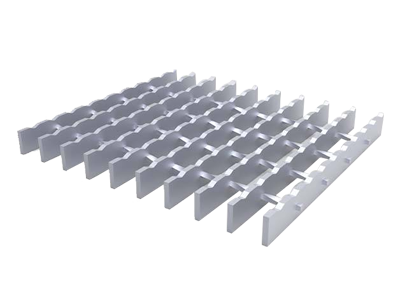
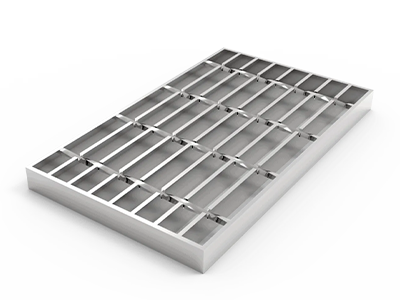
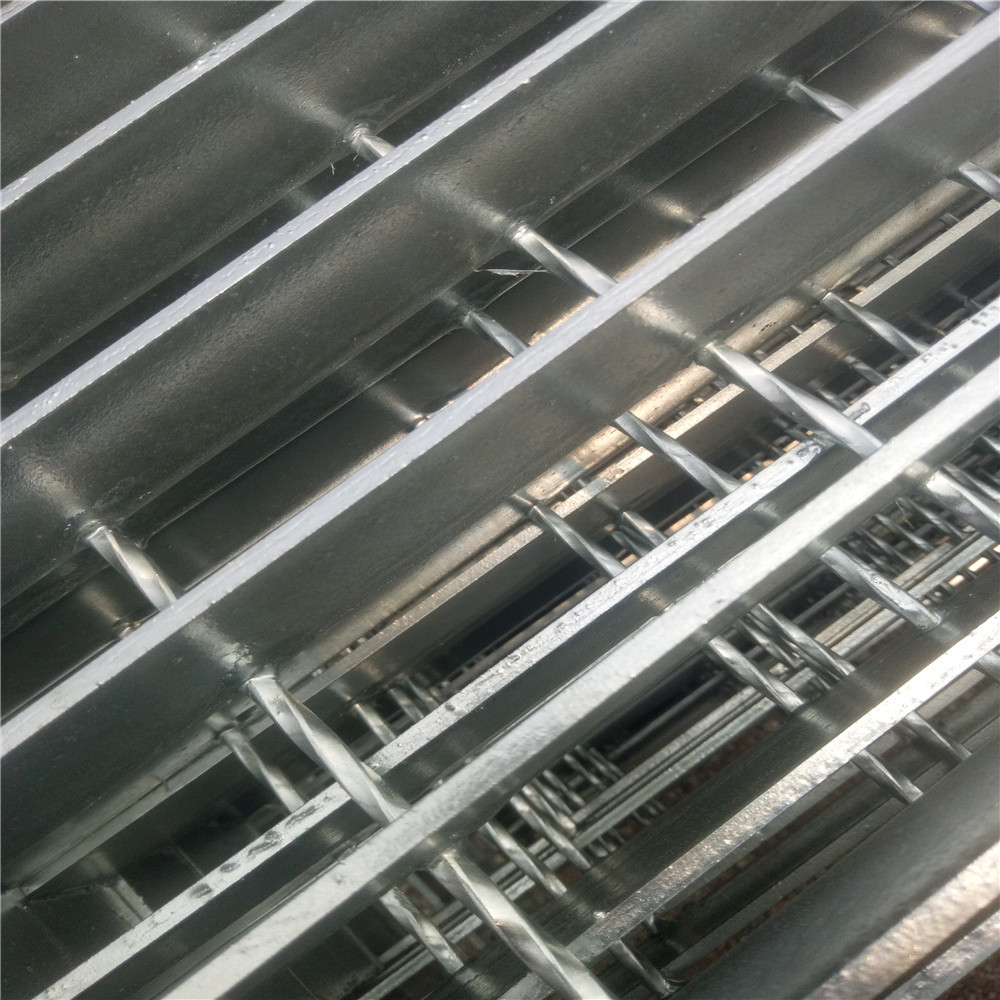
Steel grating is a construction material made from a series of parallel bars or rods, typically arranged in a grid pattern. This type of grating is known for its strength and durability. It is primarily utilized in heavy-duty environments such as industrial flooring, walkways, and drainage systems.
Key Characteristics of Steel Grating
- **Durability:** Steel grating can withstand heavy loads and impacts, making it ideal for industrial settings.
- **Corrosion Resistance:** Many steel gratings come with protective coatings to resist rust and corrosion.
- **Versatility:** Steel grating is adaptable and can be manufactured in various sizes and designs to meet specific project needs.
Understanding Plastic Grating
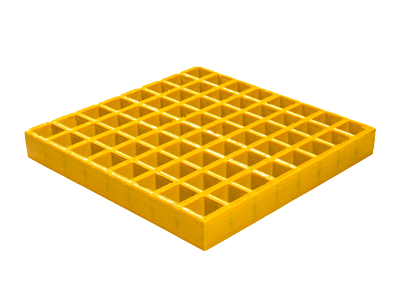
Plastic grating, often made from fiberglass or other synthetic materials, is a lighter alternative to steel grating. Its applications range from residential uses to light commercial installations.
Key Characteristics of Plastic Grating
- **Lightweight:** Plastic grating is significantly lighter than steel, making it easier to handle and install.
- **Corrosion Resistance:** Unlike steel, plastic materials do not rust, which can be advantageous in moist environments.
- **Design Flexibility:** Plastic grating can be produced in various colors and textures, allowing for aesthetic customization.
Pros and Cons of Steel Grating
To assist in your decision-making, we will outline the **pros and cons of steel grating**.
Advantages of Steel Grating
1. **High Load-Bearing Capacity:** Steel grating is designed to support heavy machinery and foot traffic without bending or breaking.
2. **Longevity:** Steel structures generally have a long lifespan, especially when properly maintained and coated.
3. **Low Maintenance:** Once installed, steel grating requires minimal upkeep, especially when treated to resist corrosion.
Disadvantages of Steel Grating
1. **Weight:** Steel grating's heavier nature makes transportation and installation more labor-intensive.
2. **Cost:** Generally, steel grating involves higher upfront costs compared to plastic grating, including both material and installation expenses.
3. **Corrosion Risk:** If protective coatings wear off, steel may rust, particularly in humid or wet environments.
Pros and Cons of Plastic Grating
Now, let’s analyze the **pros and cons of plastic grating**.
Advantages of Plastic Grating
1. **Easy to Install:** The lightweight nature of plastic makes it easier for workers to handle and install, reducing labor costs.
2. **Cost-Effective:** Generally lower in price, plastic grating can provide a budget-friendly option for light-duty applications.
3. **Chemical Resistance:** Plastic grating is impervious to many chemicals, making it suitable for environments where exposure to harsh substances is expected.
Disadvantages of Plastic Grating
1. **Lower Load Capacity:** While suitable for light to moderate loads, plastic grating may not hold up under heavy machinery or foot traffic as effectively as steel.
2. **Environmental Sensitivity:** High temperatures or UV exposure can lead to degradation over time, affecting the material's integrity.
3. **Limited Aesthetic Options:** While some colored options exist, the aesthetic range for plastic grating is narrower compared to steel's industrial finishes.
Applications of Steel Grating vs. Plastic Grating
When selecting between steel and plastic grating, it is crucial to consider their respective applications.
Common Applications of Steel Grating
- **Industrial Flooring:** Used in factories and warehouses where heavy equipment operates.
- **Safety Barriers:** Effective at preventing falls in high-risk environments.
- **Drainage Systems:** Ideal for covering trenches and channels, allowing water to drain while supporting weight.
Common Applications of Plastic Grating
- **Walkways and Patios:** Often used in residential settings where aesthetics matter but heavy loading is not a concern.
- **Pool Decks:** Suitable for wet areas, providing a slip-resistant surface.
- **Chemical Processing:** Because of its resistance to chemicals, plastic grating is often found in laboratories and manufacturing plants.
Cost Considerations for Steel and Plastic Grating
Understanding the **cost implications** of both materials is essential for project budgeting.
Price Comparison
- **Steel Grating Costs:** The initial investment is typically higher due to materials and installation. However, the longevity and durability can justify the costs in commercial settings.
- **Plastic Grating Costs:** Generally more affordable upfront, but the overall value depends on the specific application and longevity requirements.
Environmental Impact of Steel vs. Plastic Grating
Considering the **environmental implications** of your material choice is increasingly important today.
Steel Grating Environmental Impact
Steel can be recycled, reducing its environmental footprint. However, the production process can generate significant emissions.
Plastic Grating Environmental Impact
While plastic grating offers lightweight benefits, the environmental cost of plastic production and its non-biodegradability can be concerns. Consideration should be given to end-of-life disposal methods.
Future Trends in Grating Materials
As technology evolves, both steel and plastic grating are likely to undergo innovations. Emerging materials and composite options could offer enhanced properties, such as increased load capacity and reduced environmental impact.
Conclusion
When selecting between steel grating and plastic grating, understanding the unique advantages and disadvantages of each material is paramount. Steel grating offers unmatched strength and durability, making it ideal for heavy-duty applications, while plastic grating provides a lightweight and cost-effective solution for lighter uses. Ultimately, the right choice depends on the specific needs of your project, weighing factors such as load capacity, environmental conditions, aesthetic preferences, and budget constraints.
FAQs
1. How do I determine the right type of grating for my project?
Evaluate the load requirements, environmental conditions, and aesthetic preferences to make an informed decision.
2. Can steel grating be used in residential applications?
Yes, steel grating can be used in residential projects, especially for heavy-duty applications or outdoor walkways.
3. Is plastic grating more cost-effective than steel grating?
Generally, plastic grating has a lower initial cost, but long-term value depends on the application and exposure conditions.
4. How long does plastic grating last compared to steel grating?
Plastic grating can last many years but may be less durable under heavy loads compared to steel, which can last decades with proper maintenance.
5. Are there hybrid options available for grating materials?
Yes, composite gratings that combine materials can provide the benefits of both steel and plastic, often used in specialized applications.
TAG:
PREVIOUS:
Contact Us
Phone/WhatsApp
Address
B1213 Global Centre, No.226 Zhonghua North Street, Shijiazhuang, China


WhatsApp / Wechat
TEL / FAX
Address
B1213 Global Centre, No.226 Zhonghua North Street, Shijiazhuang, China