

-
Grating Series
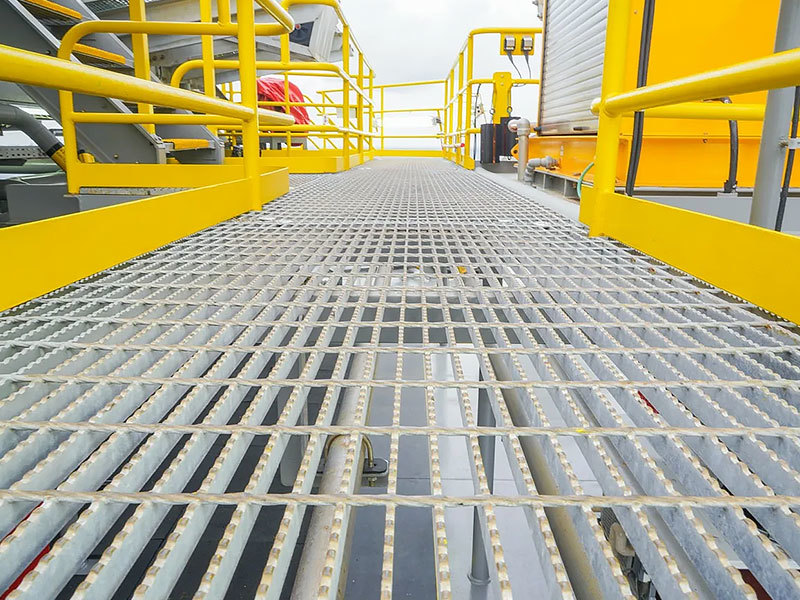
View Products
Wire Mesh Series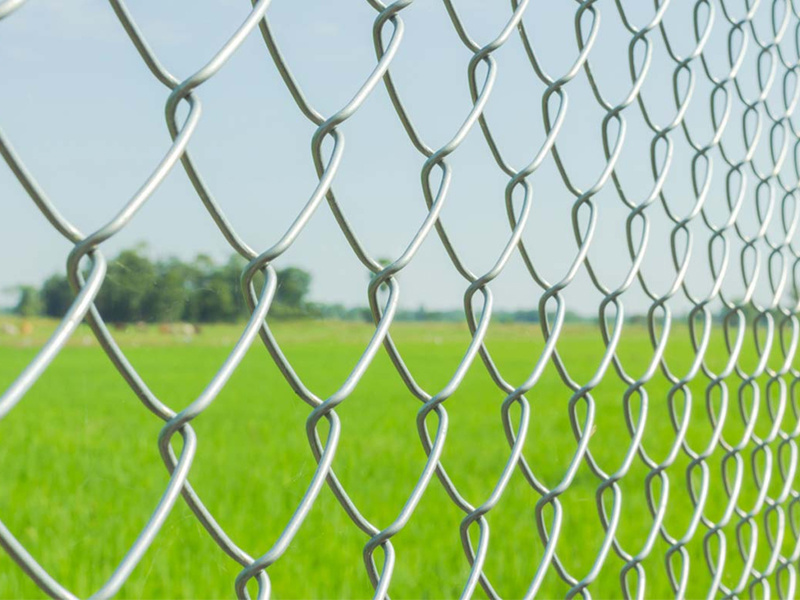
View Products
Wire Mesh Fence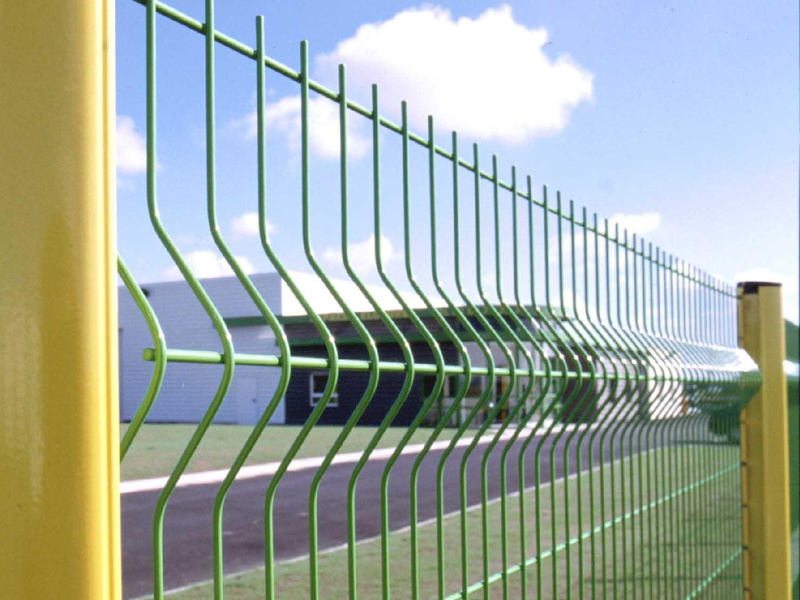
View Products
Barbed Wire Series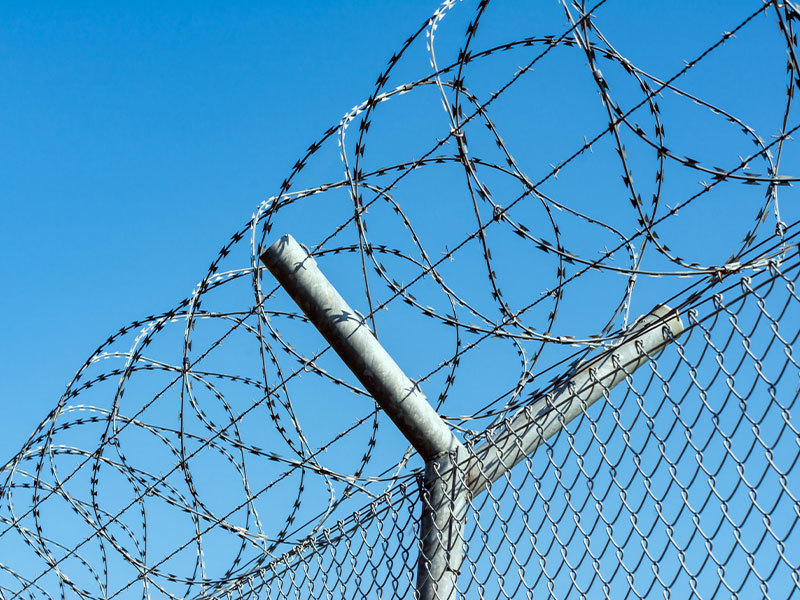
View Products
Gabion Basket Series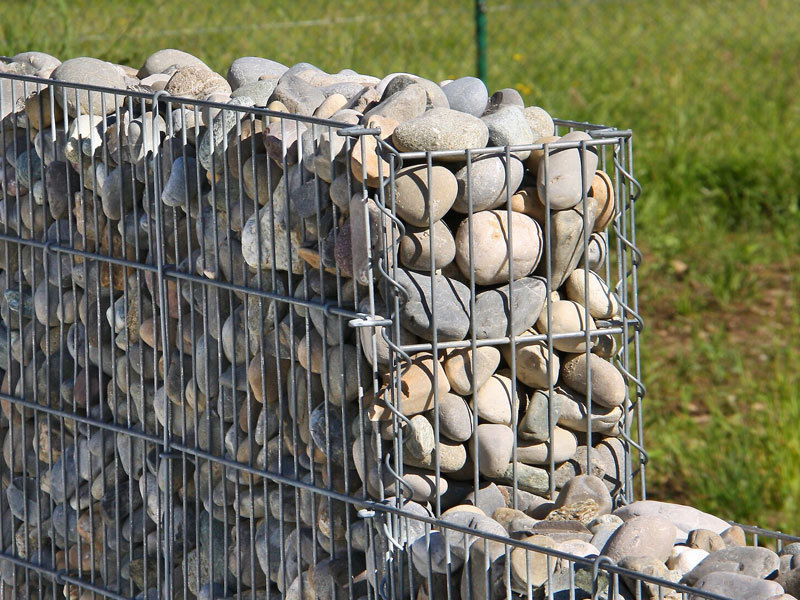
View Products
Steel Pipe Series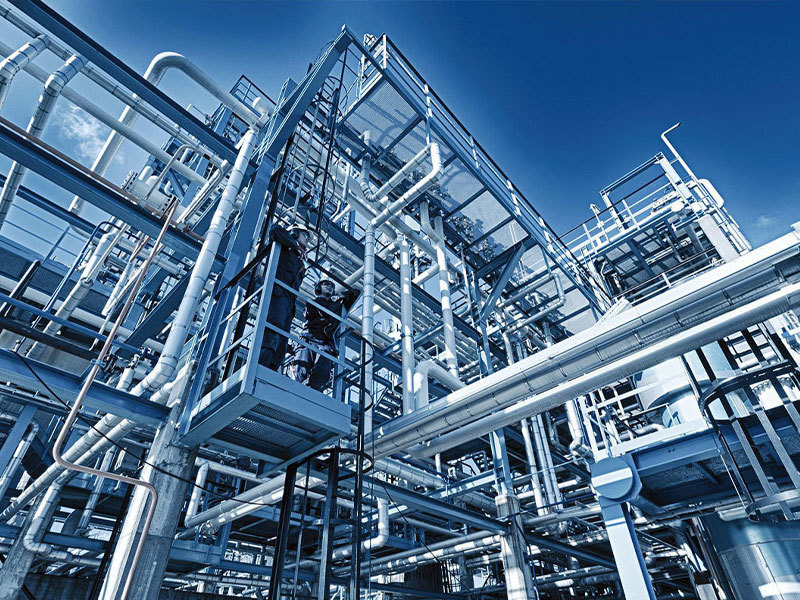
View Products
Steel Sheet Series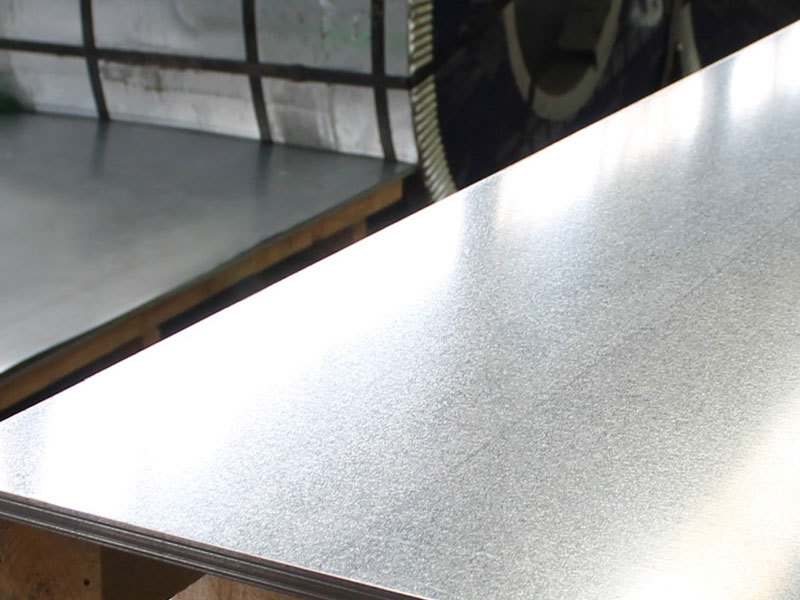
View Products
Steel Coil Series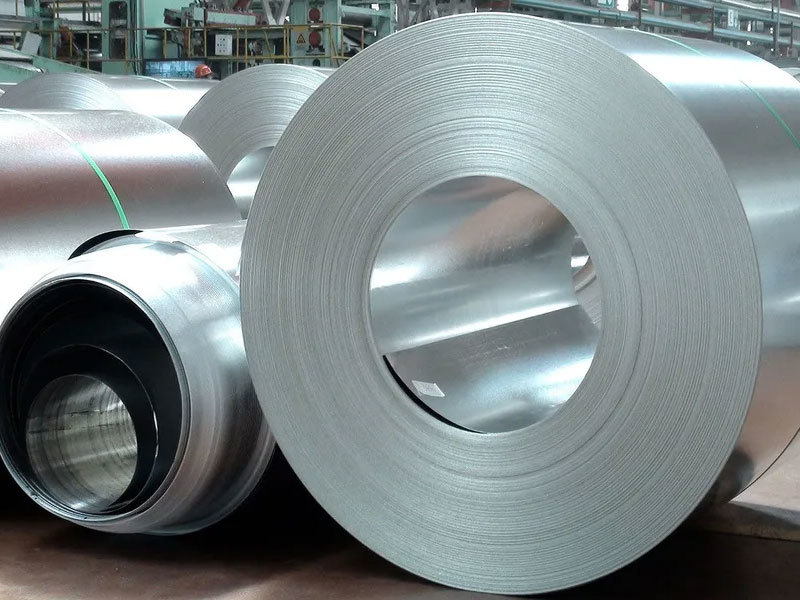
View Products
-
-
-




Why Stainless Steel Grating is Essential for Efficient Drainage Systems
Apr 15,2026
Why Stainless Steel Grating is Essential for Efficient Drainage Systems
Introduction to Stainless Steel Grating in Drainage Systems
Stainless steel grating has become an integral component in modern drainage systems due to its remarkable durability, resistance to corrosion, and aesthetic appeal. As urban landscapes grow and the need for effective water management increases, understanding the impor

Why Stainless Steel Grating is Essential for Efficient Drainage Systems
Introduction to Stainless Steel Grating in Drainage Systems
Stainless steel grating has become an integral component in modern drainage systems due to its remarkable durability, resistance to corrosion, and aesthetic appeal. As urban landscapes grow and the need for effective water management increases, understanding the importance of stainless steel grating becomes essential. In this article, we will delve into the various reasons why stainless steel grating is indispensable for drainage systems, exploring its benefits, applications, and the factors that make it a superior choice compared to other materials.
Understanding Stainless Steel Grating
What is Stainless Steel Grating?
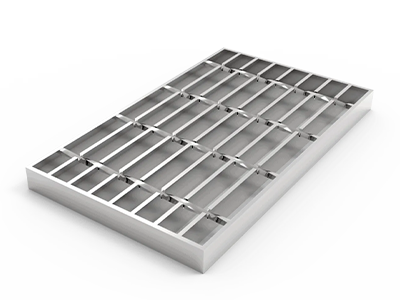
Stainless steel grating is a type of flooring or cover system made from stainless steel bars that are welded or pressed together to create a durable and strong surface. It is designed to allow the flow of water while providing a sturdy platform for pedestrian and vehicular traffic. This innovative solution is widely used in various applications ranging from commercial buildings to industrial facilities.
Types of Stainless Steel Grating
Stainless steel grating comes in several types, each offering unique advantages tailored to specific needs:
1. **Heavy-Duty Grating**: Suitable for high-load areas, often featuring thicker bars and closer spacing.
2. **Light-Duty Grating**: Ideal for pedestrian areas where heavy loads are not a concern.
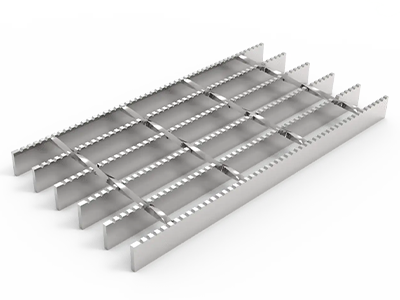
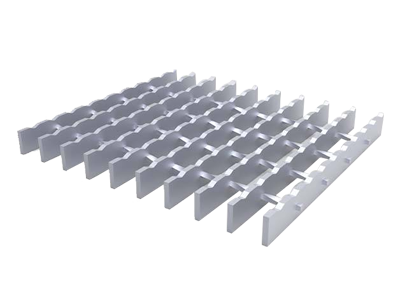
3. **Bar Grating**: Offers excellent drainage while allowing for maximum airflow, making it suitable for a variety of environments.
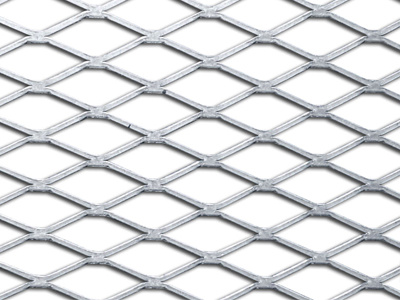
4. **Expanded Metal Grating**: Provides additional slip resistance and is often used in areas requiring high traction.
The Role of Stainless Steel Grating in Drainage Systems
Effective Water Management
One of the primary functions of stainless steel grating in drainage systems is to facilitate **effective water management**. Proper drainage is crucial in preventing water accumulation, which can lead to flooding and damage to infrastructure. Stainless steel grating allows for efficient water flow while preventing debris and other materials from clogging the drainage system.
Corrosion Resistance and Longevity
Stainless steel, by nature, is highly resistant to corrosion, making it ideal for environments exposed to moisture and harsh chemicals. Unlike other materials such as plastic or mild steel, stainless steel grating maintains its integrity over time, resulting in **long-lasting performance**. This durability translates into lower maintenance costs and the need for fewer replacements, offering cost savings in the long run.
Safety Features of Stainless Steel Grating
Safety is paramount in any drainage system, especially in high-traffic areas. Stainless steel grating provides a slip-resistant surface, reducing the risk of accidents in wet conditions. The open design of grating ensures that water drains away quickly, minimizing standing water that can create hazards.
Applications of Stainless Steel Grating in Drainage Systems
Commercial and Industrial Facilities
In commercial and industrial settings, stainless steel grating plays a vital role in managing wastewater and stormwater. It is commonly used in:
- **Parking Lots**: Grating allows for efficient drainage while providing a durable surface for vehicles.
- **Loading Docks**: Heavy-duty grating supports substantial loads while ensuring water drains promptly.
- **Manufacturing Plants**: Helps manage industrial runoff, preventing contamination and ensuring compliance with environmental regulations.
Residential Areas
Stainless steel grating is also beneficial in residential settings. Homeowners can utilize grating in:
- **Driveways and Patios**: Enhances the aesthetic appeal of outdoor spaces while providing effective drainage solutions.
- **Swimming Pools**: Grating ensures that water drains away from the pool area, reducing the risk of slips and falls.
- **Gardens and Landscapes**: Allows for proper drainage in landscaping projects, promoting healthy plant growth.
Public Infrastructure
Public infrastructure, including sidewalks, parks, and roadways, benefits significantly from stainless steel grating. Its strength and durability support heavy pedestrian traffic while effectively managing stormwater runoff. The use of stainless steel grating in public areas also contributes to the overall safety and accessibility of urban environments.
Benefits of Using Stainless Steel Grating
1. Durability and Strength
Stainless steel grating is engineered to withstand heavy loads and harsh conditions. Its robust design ensures that it will not warp, bend, or break under pressure. This durability makes it a reliable component in any drainage system.
2. Aesthetic Appeal
The sleek and modern look of stainless steel grating adds a touch of elegance to any environment. It can be seamlessly integrated into various architectural styles, enhancing the overall aesthetic of the space while serving its functional purpose.
3. Low Maintenance Requirements
Due to its corrosion-resistant properties, stainless steel grating requires minimal maintenance compared to other materials. Regular cleaning is often sufficient to maintain its appearance and functionality, making it a practical choice for busy environments.
4. Environmentally Friendly Option
Stainless steel is 100% recyclable, making it an environmentally friendly choice for drainage systems. By opting for stainless steel grating, one contributes to sustainable practices and reduces the environmental impact of construction projects.
5. Customization and Versatility
Stainless steel grating can be customized to meet specific project requirements. It comes in various sizes, shapes, and finishes, allowing for versatile applications in a wide range of environments.
Installation Considerations for Stainless Steel Grating
Site Assessment
Before installation, a thorough site assessment is essential to understand the specific drainage needs and environmental conditions. Factors such as load requirements, water flow patterns, and potential debris types must be evaluated.
Proper Sizing and Spacing
Selecting the appropriate size and spacing for the grating bars is crucial for optimal performance. This ensures that the grating can handle the expected load while allowing for adequate water flow.
Expert Installation
Engaging professionals for installation is recommended to ensure that the grating is positioned correctly and securely. Proper installation minimizes the risk of future issues and maximizes the system's efficiency.
Cost-Effectiveness of Stainless Steel Grating
While the initial cost of stainless steel grating may be higher than alternative materials, its long-term benefits far outweigh the upfront investment. The durability, low maintenance requirements, and reduced replacement frequency contribute to overall cost savings. Additionally, avoiding water damage and potential liabilities due to accidents further enhances its value.
Frequently Asked Questions (FAQs)
1. Why choose stainless steel grating over other materials?
Stainless steel grating offers superior durability, corrosion resistance, and aesthetic appeal compared to alternatives like plastic or mild steel. It provides a longer lifespan and lower maintenance needs.
2. Can stainless steel grating be customized?
Yes, stainless steel grating can be customized in terms of size, shape, and finish to meet specific project requirements.
3. How does stainless steel grating enhance safety?
The slip-resistant surface of stainless steel grating reduces the risk of accidents in wet conditions, making it a safer option for high-traffic areas.
4. Is stainless steel grating environmentally friendly?
Yes, stainless steel is 100% recyclable, making it an environmentally friendly choice that supports sustainable practices.
5. What maintenance is required for stainless steel grating?
Regular cleaning is typically sufficient to maintain the appearance and performance of stainless steel grating, making it low-maintenance compared to other materials.
Conclusion
In summary, stainless steel grating is an essential component in modern drainage systems, offering effective water management, durability, and safety. Its versatility makes it suitable for a wide range of applications, from commercial and industrial facilities to residential and public infrastructure. By choosing stainless steel grating, one invests in a long-lasting, aesthetically pleasing solution that promotes efficient drainage while contributing to environmental sustainability. As the need for effective drainage solutions continues to grow, the value of stainless steel grating in ensuring a safe and functional environment cannot be overstated.
TAG:
PREVIOUS:
Contact Us
Phone/WhatsApp
Address
B1213 Global Centre, No.226 Zhonghua North Street, Shijiazhuang, China


WhatsApp / Wechat
TEL / FAX
Address
B1213 Global Centre, No.226 Zhonghua North Street, Shijiazhuang, China