

-
Grating Series
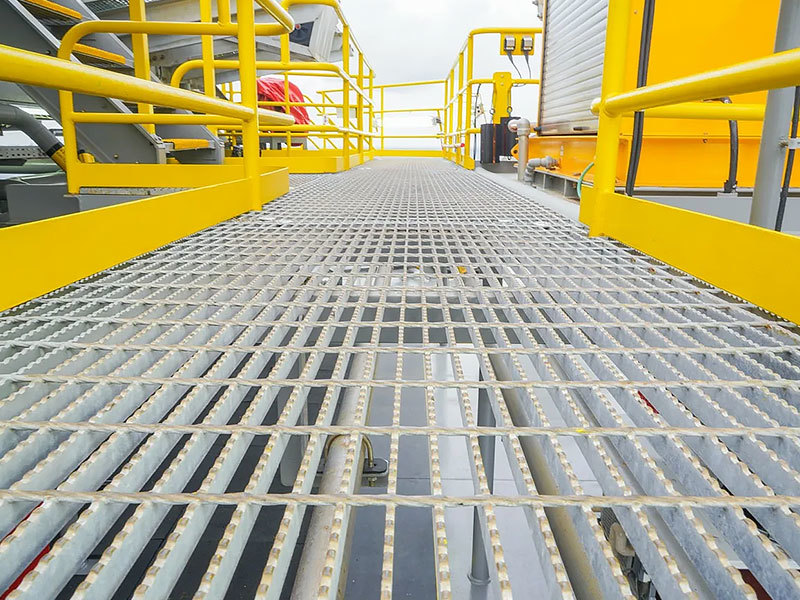
View Products
Wire Mesh Series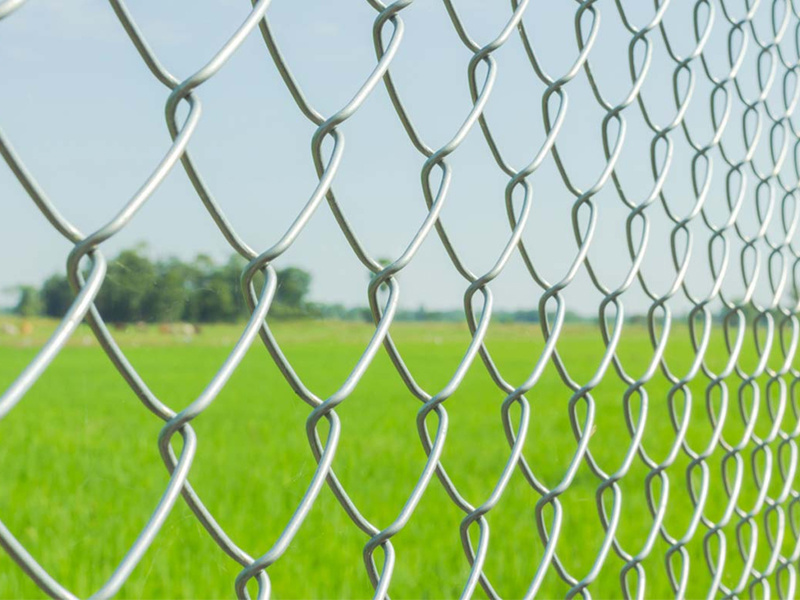
View Products
Wire Mesh Fence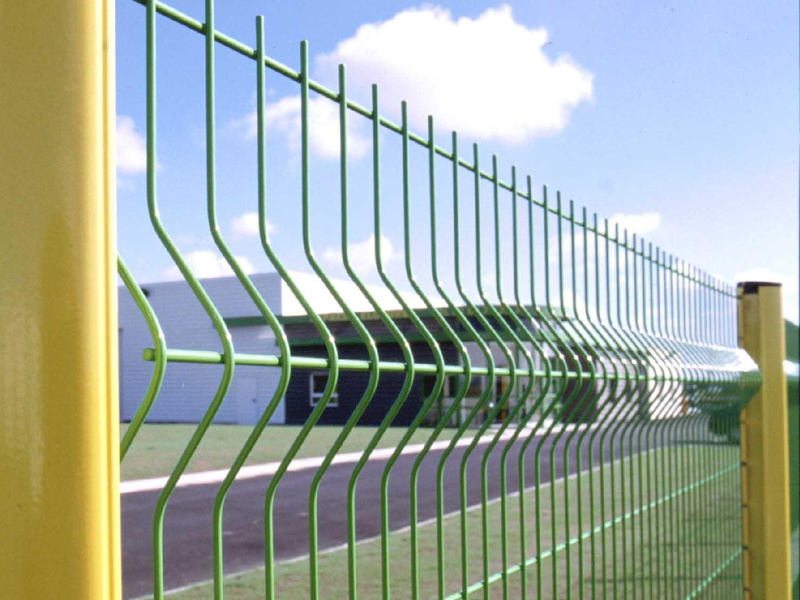
View Products
Barbed Wire Series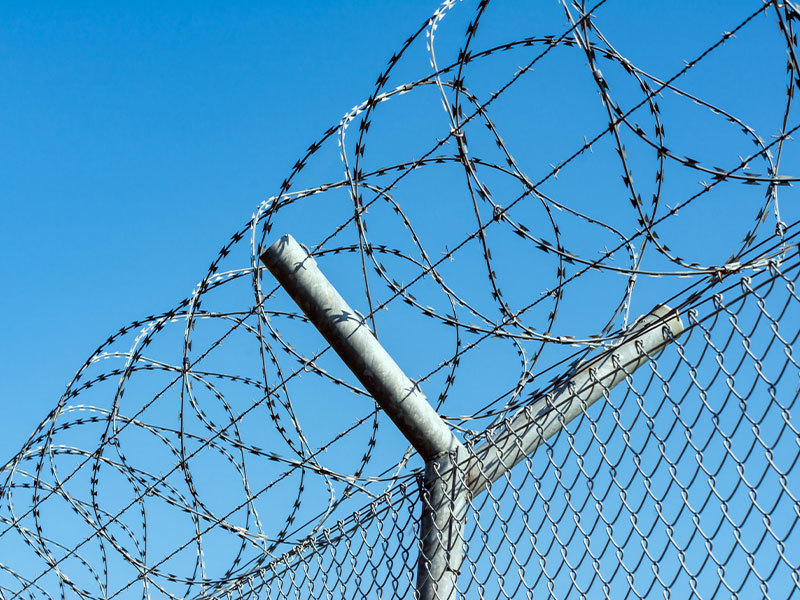
View Products
Gabion Basket Series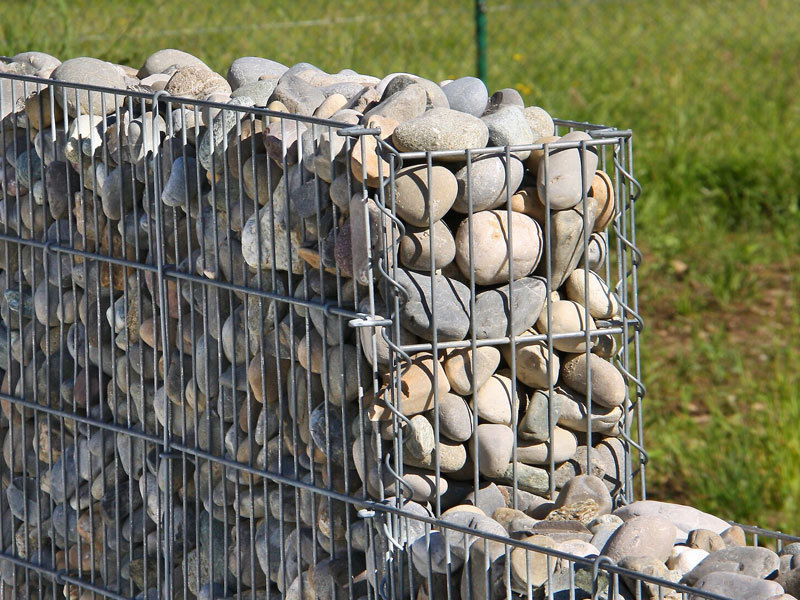
View Products
Steel Pipe Series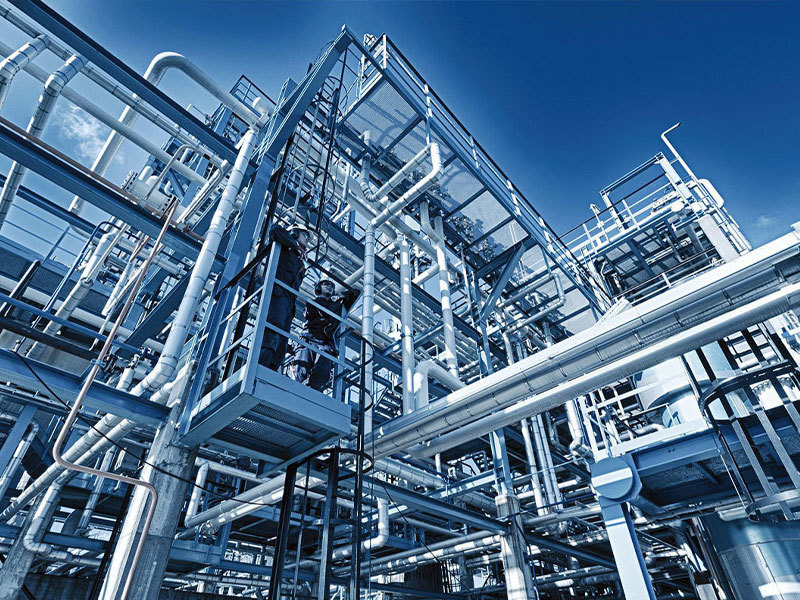
View Products
Steel Sheet Series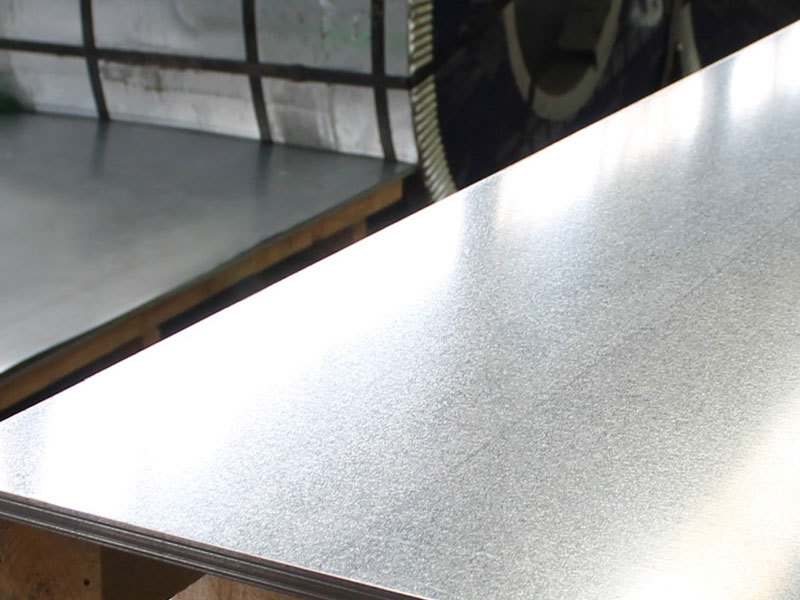
View Products
Steel Coil Series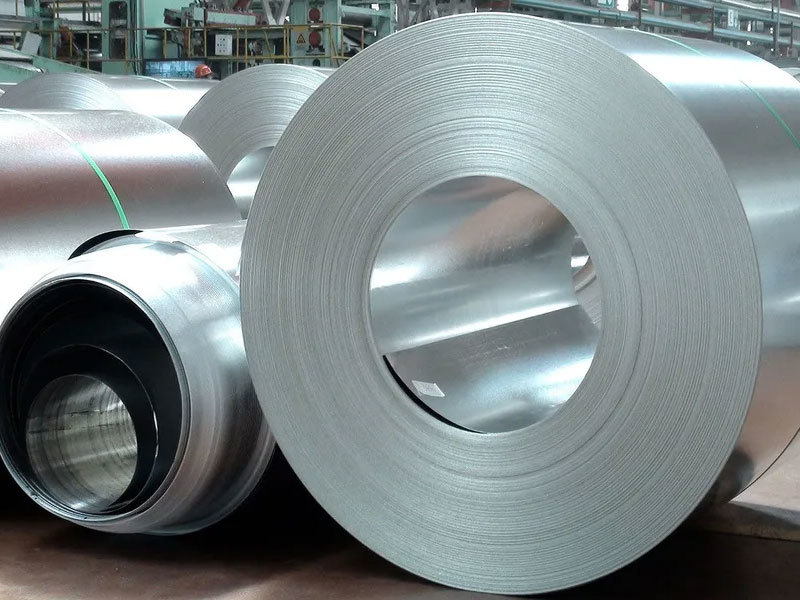
View Products
-
-
-




Maximizing Efficiency with Stainless Steel Grating in Industrial Settings
Mar 14,2026
Maximizing Efficiency with Stainless Steel Grating in Industrial Settings
Table of Contents
Introduction to Stainless Steel Grating
Key Benefits of Stainless Steel Grating
Applications of Stainless Steel Grating in Various Industries
Best Practices for Installing Stainless Steel Grating
Maintenance Tips for Longevity
Case Studies: Success Stories with Stainless Steel Grating
Cost-Ef

Maximizing Efficiency with Stainless Steel Grating in Industrial Settings
Table of Contents
- Introduction to Stainless Steel Grating
- Key Benefits of Stainless Steel Grating
- Applications of Stainless Steel Grating in Various Industries
- Best Practices for Installing Stainless Steel Grating
- Maintenance Tips for Longevity
- Case Studies: Success Stories with Stainless Steel Grating
- Cost-Effectiveness of Stainless Steel Grating
- Frequently Asked Questions
- Conclusion
Introduction to Stainless Steel Grating
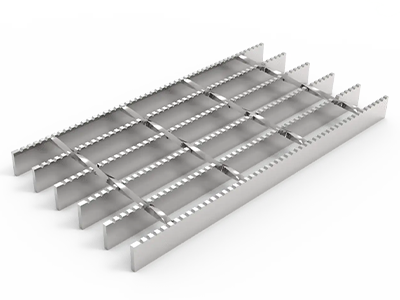
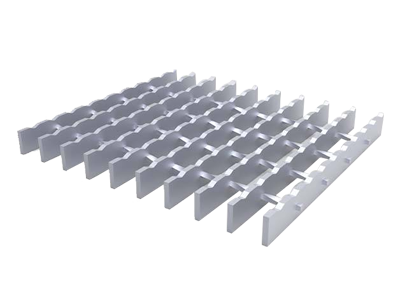
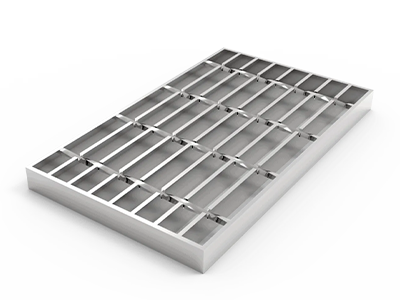
Stainless steel grating is an essential component in many industrial settings, offering superior durability and resilience compared to traditional materials. Its popularity stems from its ability to withstand harsh environments, making it an ideal choice for sectors such as manufacturing, food processing, and wastewater management. By maximizing efficiency with stainless steel grating, industries can enhance productivity while ensuring safety and compliance with regulations.
Key Benefits of Stainless Steel Grating
1. Durability and Strength
Stainless steel grating is known for its high tensile strength and resistance to corrosion, ensuring longevity even in the most demanding conditions. It can withstand heavy loads and extreme temperatures, making it suitable for various industrial applications.
2. Safety and Compliance
Safety is paramount in industrial settings. Stainless steel grating provides excellent slip resistance, reducing the risk of accidents. Additionally, its non-combustible nature meets fire safety regulations, assuring compliance with industry standards.
3. Easy Maintenance
One of the significant advantages of stainless steel grating is its low maintenance requirements. Unlike other materials, it does not require painting or extensive upkeep, reducing operational costs and downtime.
4. Aesthetic Appeal
While functionality is critical, aesthetic appeal should not be overlooked. Stainless steel grating offers a sleek, modern look that can enhance the visual appeal of industrial spaces without compromising performance.
5. Eco-Friendly Option
Stainless steel is 100% recyclable, making it an environmentally friendly choice. By opting for stainless steel grating, businesses can contribute to sustainability efforts while benefiting from its superior properties.
Applications of Stainless Steel Grating in Various Industries
1. Manufacturing Facilities
In manufacturing plants, stainless steel grating is widely used for walkways, platforms, and machine covers. Its strength allows for the safe passage of heavy machinery and workers alike.
2. Food Processing
The food industry requires materials that can withstand sanitation protocols. Stainless steel grating is the go-to choice for food processing plants, as it is easy to clean and resistant to bacteria and contamination.
3. Wastewater Treatment
In wastewater treatment facilities, stainless steel grating is used for catwalks and platforms due to its corrosion resistance. It can withstand exposure to harsh chemicals and provides stability for maintenance personnel.
4. Petrochemical Industry
Stainless steel grating is essential in the petrochemical industry, where it is used in refineries and chemical plants. Its ability to resist corrosive substances ensures the safety of workers and equipment.
5. Marine Applications
In marine environments, stainless steel grating stands up to saltwater corrosion, making it a preferred choice for docks, piers, and shipbuilding facilities.
Best Practices for Installing Stainless Steel Grating
1. Planning the Layout
Before installation, it's crucial to plan the layout carefully. Consider load requirements, spacing, and accessibility to create an efficient and safe environment.
2. Proper Support Systems
Ensure that the grating is installed on a robust support system to prevent sagging or bending under heavy loads. Use stainless steel support beams or channels for optimal performance.
3. Secure Fastening Methods
Utilize appropriate fastening methods, such as clips or bolts, to secure the grating in place. This will prevent movement and ensure safety during operation.
4. Regular Inspections
Conduct regular inspections post-installation to identify any signs of wear or damage. Addressing issues promptly can prolong the life of the grating.
Maintenance Tips for Longevity
1. Routine Cleaning
Although stainless steel grating is low maintenance, regular cleaning is essential. Use mild detergents and brushes to remove dirt and debris without damaging the surface.
2. Inspections for Damage
Routine inspections should include checks for any corrosion, loose fasteners, or structural issues. Early detection of problems can prevent costly repairs in the future.
3. Addressing Corrosion
In cases where corrosion is detected, use appropriate stainless steel cleaners to restore the grating's appearance and protective properties.
Case Studies: Success Stories with Stainless Steel Grating
1. Food Processing Plant Upgrade
A food processing plant faced contamination issues with their existing flooring. By switching to stainless steel grating, they significantly improved sanitation and reduced downtime due to cleaning.
2. Wastewater Management Efficiency
A wastewater treatment facility implemented stainless steel grating for its catwalks and platforms. The result was a decrease in maintenance costs and an overall increase in employee safety.
3. Petrochemical Safety Improvements
In a petrochemical plant, the installation of stainless steel grating around hazardous areas enhanced safety and compliance with regulations, ultimately leading to fewer accidents.
Cost-Effectiveness of Stainless Steel Grating
While the initial investment in stainless steel grating may be higher than alternatives, the long-term savings in maintenance, safety, and durability make it a cost-effective solution. Businesses can expect reduced downtime and lower replacement costs, resulting in a positive return on investment.
Frequently Asked Questions
1. What are the advantages of stainless steel grating compared to other materials?
Stainless steel grating offers superior strength, corrosion resistance, and low maintenance, making it ideal for harsh industrial environments.
2. How do I determine the right type of stainless steel grating for my application?
Consider factors such as load requirements, environmental conditions, and specific industry standards to choose the appropriate grating.
3. Is stainless steel grating more expensive than other materials?
Yes, the initial cost may be higher, but the long-term savings in maintenance and durability make it a worthwhile investment.
4. Can stainless steel grating be customized?
Absolutely. Stainless steel grating can be manufactured to various sizes, load capacities, and designs to meet specific application needs.
5. How often should I inspect my stainless steel grating?
Regular inspections should be conducted at least once a year, or more frequently in high-traffic or corrosive environments.
Conclusion
In conclusion, stainless steel grating is a vital component in modern industrial settings, providing a blend of durability, safety, and efficiency. By investing in stainless steel grating, industries can enhance their operational efficiency while adhering to safety regulations. The numerous benefits, combined with low maintenance requirements and long-term cost-effectiveness, make stainless steel grating an indispensable choice for various applications. Embrace the transformative power of stainless steel grating and lead your industrial operations toward greater success.
TAG:
Contact Us
Phone/WhatsApp
Address
B1213 Global Centre, No.226 Zhonghua North Street, Shijiazhuang, China


WhatsApp / Wechat
TEL / FAX
Address
B1213 Global Centre, No.226 Zhonghua North Street, Shijiazhuang, China