

-
Grating Series
View Products
Wire Mesh Series
View Products
Wire Mesh Fence
View Products
Barbed Wire Series
View Products
Gabion Basket Series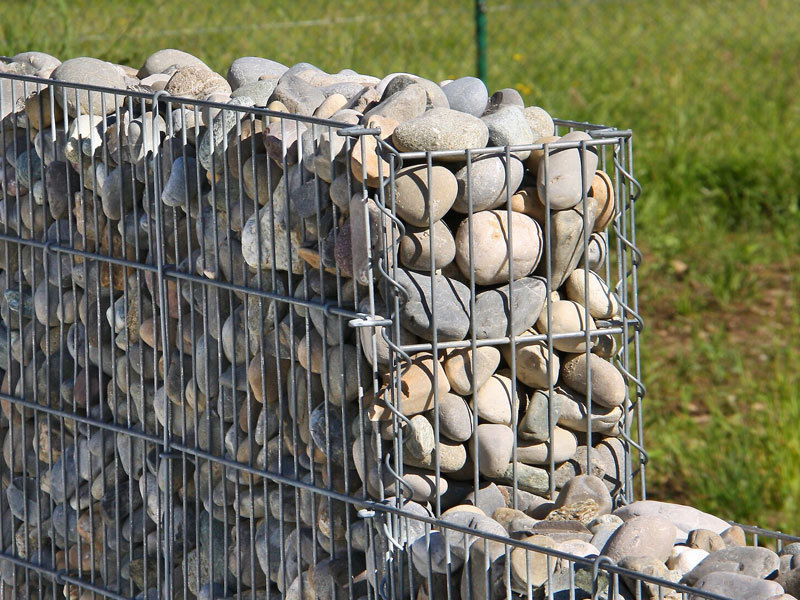
View Products
Steel Pipe Series
View Products
Steel Sheet Series
View Products
Steel Coil Series
View Products
-
-
-



How Galvanized Hexagonal Gabions Can Enhance Your Garden’s Drainage
Sep 12,2026
How Galvanized Hexagonal Gabions Can Enhance Your Garden’s Drainage
Table of Contents
Introduction to Gabions and Their Role in Drainage
What Are Gabions?
Advantages of Galvanized Hexagonal Gabions
Improving Garden Drainage with Gabions
Installation Tips for Gabions
Aesthetic Benefits of Using Gabions in Landscaping
Maintenance of Galvanized Hexagonal Gabions
Frequ

How Galvanized Hexagonal Gabions Can Enhance Your Garden’s Drainage
Table of Contents
- Introduction to Gabions and Their Role in Drainage
- What Are Gabions?
- Advantages of Galvanized Hexagonal Gabions
- Improving Garden Drainage with Gabions
- Installation Tips for Gabions
- Aesthetic Benefits of Using Gabions in Landscaping
- Maintenance of Galvanized Hexagonal Gabions
- Frequently Asked Questions
- Conclusion
Introduction to Gabions and Their Role in Drainage
In recent years, the use of **galvanized hexagonal gabions** has gained traction among garden enthusiasts and landscape architects alike. These versatile structures not only serve as effective drainage solutions but also add a unique aesthetic to outdoor spaces. In this article, we explore how **gabions** can significantly enhance your garden’s drainage, providing a pathway for excess water while simultaneously improving the soil quality.
What Are Gabions?
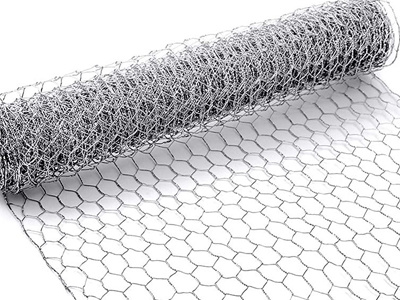
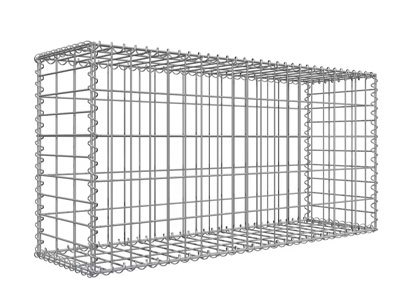
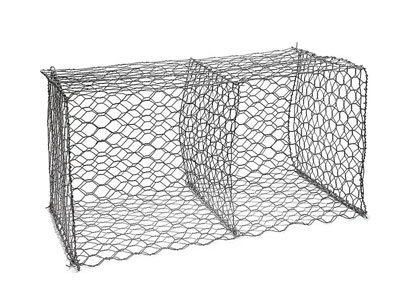
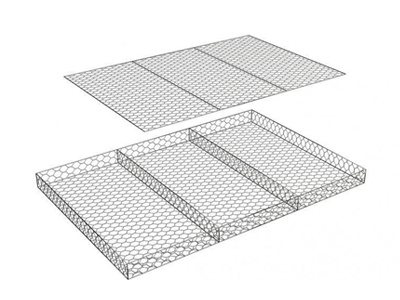
Gabions are wire mesh cages or baskets filled with rocks, stones, or other materials. Traditionally used in civil engineering projects for erosion control and stabilization, they have found their way into landscaping and gardening. **Galvanized hexagonal gabions** are specifically designed to withstand harsh weather conditions. The **galvanization process** coats the metal with zinc, preventing rust and ensuring durability.
Types of Gabions
Gabions come in different shapes and sizes, but the hexagonal design has become increasingly popular due to its strength and flexibility. Some common types include:
- **Hexagonal Wire Gabions**: Ideal for garden use due to their aesthetic appeal.
- **Mattress Gabions**: Used for slope protection and can cover larger areas.
- **Baskets**: Perfect for creating walls or terraces in gardens.
Advantages of Galvanized Hexagonal Gabions
The use of galvanized hexagonal gabions provides numerous advantages for your garden’s drainage and overall health.
1. Enhanced Drainage
Gabions are excellent for managing excess water. By allowing water to flow through them, they prevent pooling and soil erosion. This is especially beneficial in areas prone to heavy rainfall.
2. Erosion Control
The strength of the wire mesh combined with the weight of the rocks provides a robust barrier against soil erosion. This is crucial for maintaining the integrity of your garden.
3. Environmental Benefits
Using natural materials in your gabions promotes sustainability. They often blend seamlessly into the landscape, enhancing its ecological value.
4. Durability
Thanks to the galvanization process, these gabions resist rust and corrosion, ensuring that they remain effective for many years without the need for frequent replacement.
5. Aesthetic Appeal
Galvanized hexagonal gabions can be arranged in various designs, making them a visually appealing choice for landscaping. They can be filled with different materials, allowing customization to fit your garden’s style.
Improving Garden Drainage with Gabions
To utilize gabions effectively for drainage, it’s essential to understand how to integrate them into your garden layout.
Site Assessment
Before installation, assess your garden's drainage issues. Identify areas where water tends to collect and consider how gabions can be positioned to redirect this excess water.
Strategic Placement
Place gabions in strategic locations, such as along slopes, near flower beds, or around trees. This will help manage water flow and prevent erosion.
Creating a Drainage System
Integrate gabions into a larger drainage system, including French drains or perforated pipes. This will enhance their effectiveness in redirecting water away from critical areas.
Installation Tips for Gabions
Installing galvanized hexagonal gabions requires careful planning and execution to ensure maximum efficiency.
1. Gather Materials
You will need:
- Galvanized hexagonal gabions
- Fill materials (rocks, stones, or gravel)
- A shovel and other basic landscaping tools
2. Prepare the Site
Clear the area where you plan to install the gabions. Ensure the ground is level and compacted to provide a stable base.
3. Assemble the Gabions
Follow the manufacturer's instructions for assembling the gabions. Ensure they are securely fastened and formed correctly before filling.
4. Fill the Gabions
Carefully fill the gabions with your chosen materials. Layer the fill evenly to prevent settling over time.
5. Secure the Gabions
Once filled, secure the gabions in place with additional soil or landscaping materials to enhance stability and integrate them into the landscape.
Aesthetic Benefits of Using Gabions in Landscaping
Beyond their functional advantages, galvanized hexagonal gabions bring a touch of elegance to your garden.
Versatile Design Options
Gabions can be filled with various materials, such as river rocks, colored stones, or even reclaimed materials. This versatility allows for creative design possibilities that can complement any garden theme.
Creating Focal Points
Use gabions as focal points in your garden design, such as decorative walls, benches, or planters. This not only enhances drainage but also adds visual interest.
Integration with Plant Life
Gabions can be integrated with plants and flowers, creating a seamless blend of natural and structural elements. Consider surrounding your gabions with native plants to promote biodiversity.
Maintenance of Galvanized Hexagonal Gabions
While gabions are low-maintenance, occasional upkeep is necessary to ensure their longevity and effectiveness.
1. Regular Inspections
Inspect your gabions periodically for any signs of damage or settling. Address any issues promptly to maintain their structural integrity.
2. Cleaning
Remove any debris or vegetation that may accumulate on or around the gabions. This will help maintain optimal drainage and appearance.
3. Refill as Necessary
Over time, the fill material may settle or shift. Refill the gabions as needed to ensure they continue to function effectively.
Frequently Asked Questions
1. What materials can I use to fill my gabions?
You can use a variety of materials such as gravel, stones, boulders, or even recycled concrete. The choice depends on your aesthetic preference and drainage needs.
2. How long do galvanized gabions last?
With proper installation and maintenance, galvanized gabions can last 20 years or more, depending on environmental conditions.
3. Can I plant flowers in or around gabions?
Yes! Gabions can be beautifully integrated with plant life, adding both functionality and visual appeal to your garden.
4. Are gabions easy to install?
While basic installation is straightforward, it’s essential to follow proper guidelines for best results. Consider consulting with a professional for larger projects.
5. Do gabions require drainage systems?
While gabions aid in drainage, incorporating a larger drainage system can enhance their effectiveness, especially in areas with heavy rainfall.
Conclusion
Incorporating **galvanized hexagonal gabions** into your garden design is an excellent way to enhance drainage while adding aesthetic value. Their unique structure offers a practical solution to water management issues, making them an ideal choice for gardeners seeking to create a thriving landscape. As you explore the possibilities of gabions, remember to consider their placement and integration within your garden for the best results. With proper installation and maintenance, these versatile structures can transform your outdoor space into a flourishing oasis.
TAG:
Contact Us
Phone/WhatsApp
Address
B1213 Global Centre, No.226 Zhonghua North Street, Shijiazhuang, China


WhatsApp / Wechat
TEL / FAX
Address
B1213 Global Centre, No.226 Zhonghua North Street, Shijiazhuang, China