

-
Grating Series
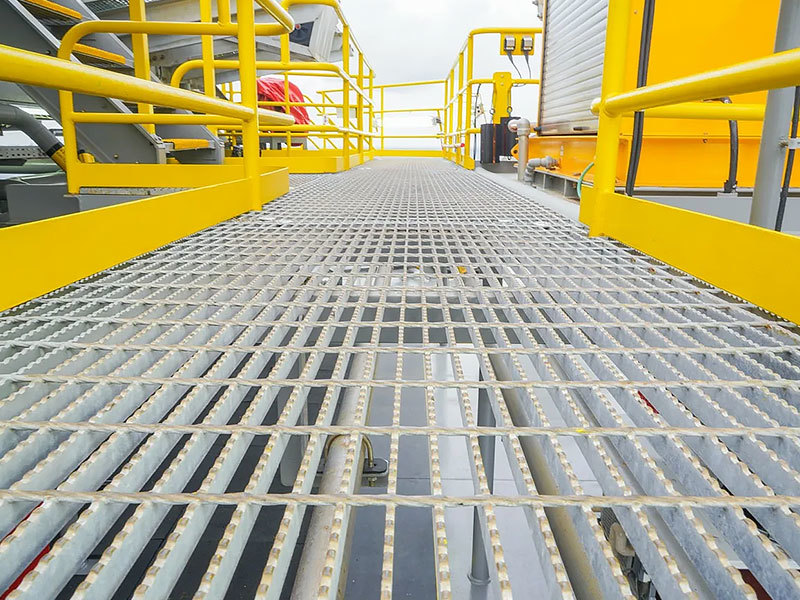
View Products
Wire Mesh Series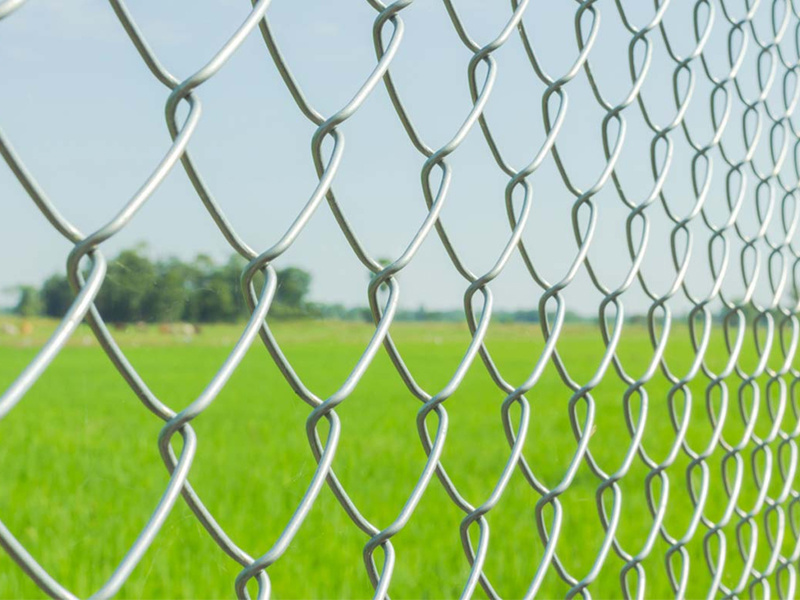
View Products
Wire Mesh Fence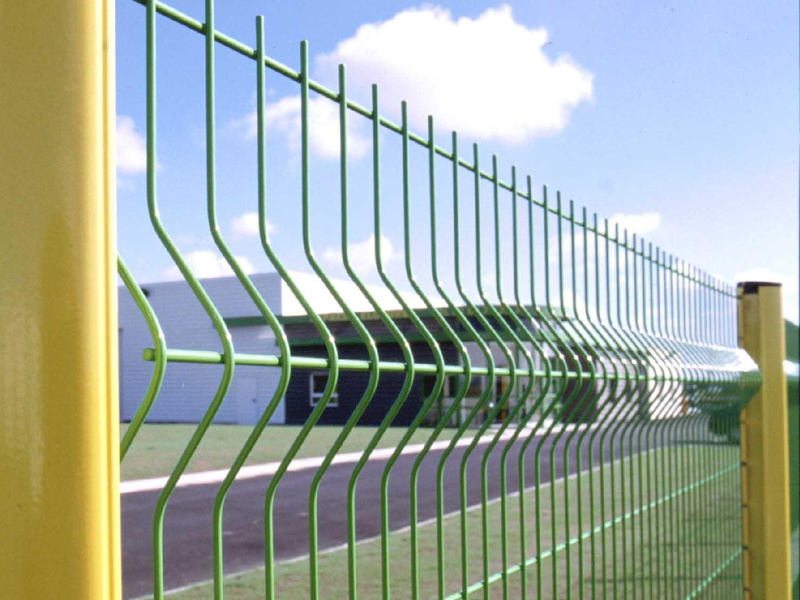
View Products
Barbed Wire Series
View Products
Gabion Basket Series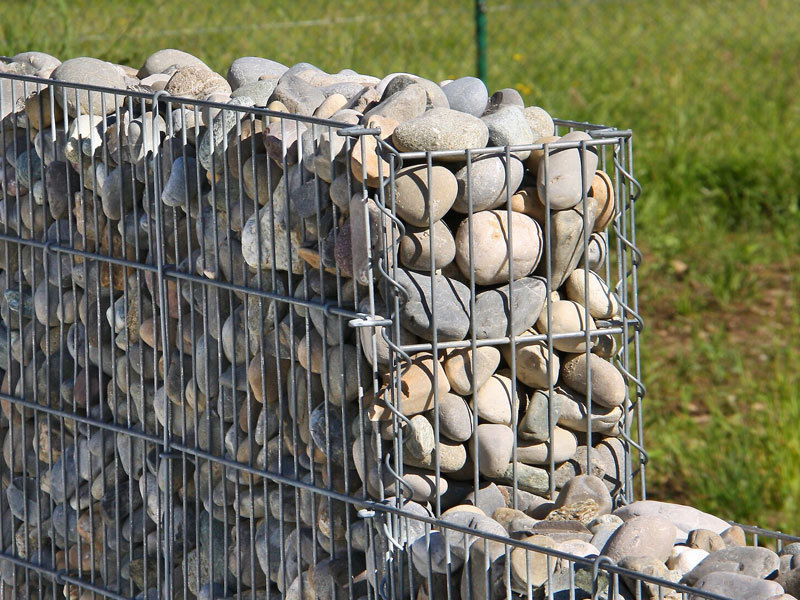
View Products
Steel Pipe Series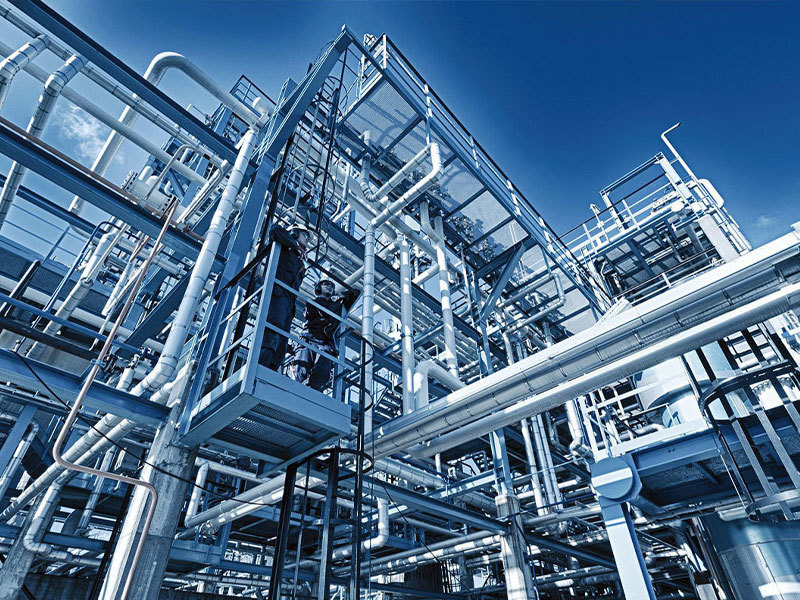
View Products
Steel Sheet Series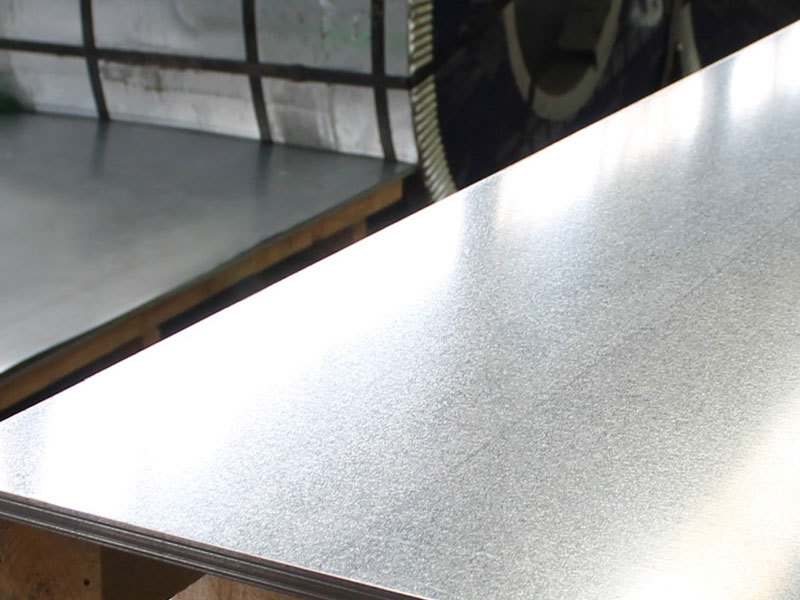
View Products
Steel Coil Series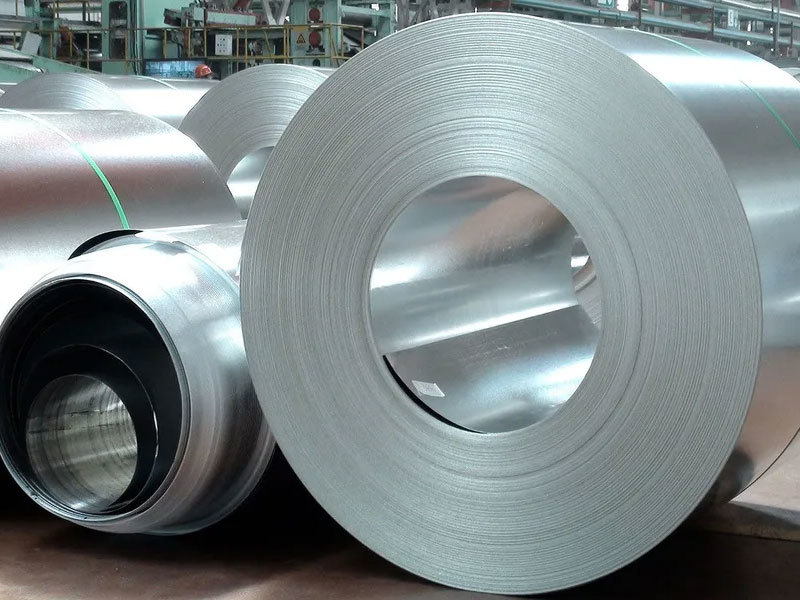
View Products
-
-
-
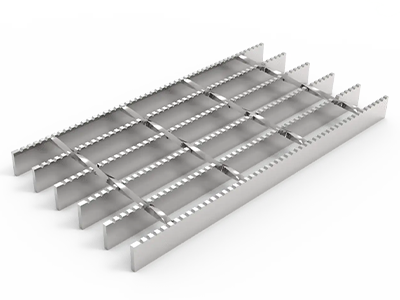


RP Grating Emerges as a Reliable Solution for Modern Industrial Infrastructure
Mar 19,2026

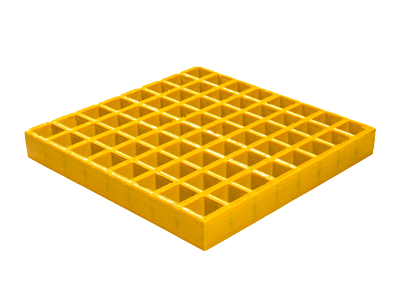
FRP grating, also known as Fiber Reinforced Plastic grating, is rapidly gaining recognition as a durable and cost-effective solution in modern industrial infrastructure. As industries worldwide seek materials that offer high performance, low maintenance, and long service life, FRP grating has become an increasingly popular alternative to traditional materials such as steel, aluminum, and wood.
One of the most significant advantages of FRP grating is its exceptional corrosion resistance. Unlike metal materials, which are prone to rust and degradation when exposed to moisture, chemicals, or harsh environmental conditions, FRP grating maintains its structural integrity over time. This makes it particularly suitable for industries such as chemical processing, wastewater treatment, marine operations, and oil and gas facilities, where exposure to corrosive substances is common.
In addition to corrosion resistance, FRP grating is known for its high strength-to-weight ratio. Despite being lightweight, it provides excellent load-bearing capacity, making it ideal for applications such as walkways, platforms, stair treads, and trench covers. The lightweight nature of FRP grating also simplifies transportation and installation, reducing labor costs and project timelines. Workers can handle and install the material more easily compared to heavier metal alternatives, which often require specialized equipment.
Safety is another key factor contributing to the growing adoption of FRP grating. The surface of the grating is typically designed with anti-slip properties, providing secure footing even in wet or oily conditions. This feature significantly reduces the risk of workplace accidents, making it a preferred choice for industrial environments where safety standards are critical. Furthermore, FRP grating is non-conductive, offering electrical insulation that enhances safety in facilities with high electrical activity.
The versatility of FRP grating also plays an important role in its widespread use. It can be manufactured in various sizes, shapes, and resin formulations to meet specific project requirements. Different types of resins, such as polyester, vinyl ester, and phenolic, provide varying levels of chemical resistance, fire retardancy, and temperature tolerance. This flexibility allows engineers and designers to select the most suitable material for each application, ensuring optimal performance and compliance with industry standards.
Environmental considerations are also driving the demand for FRP grating. Its long lifespan reduces the need for frequent replacement, minimizing material waste. Additionally, many FRP products are designed to be recyclable or produced with environmentally friendly processes, aligning with global sustainability goals. As industries place greater emphasis on reducing their environmental footprint, materials like FRP grating are becoming increasingly important.
The global market for FRP grating has seen steady growth in recent years, supported by expanding infrastructure projects and industrial development. Emerging economies, in particular, are investing heavily in modernizing their facilities, creating new opportunities for FRP manufacturers. At the same time, technological advancements in production methods are improving product quality and reducing costs, making FRP grating more accessible to a broader range of industries.
However, challenges remain in the widespread adoption of FRP grating. Initial costs can be higher than traditional materials, which may deter some buyers. Additionally, while FRP is highly durable, it may not perform as well as steel in extreme high-temperature environments. To address these concerns, manufacturers are continuously developing new formulations and designs to enhance performance and expand application possibilities.
Looking ahead, the future of FRP grating appears promising. With ongoing innovation, increasing awareness of its benefits, and growing demand for durable and sustainable materials, FRP grating is expected to play a significant role in shaping the next generation of industrial infrastructure. Its combination of strength, safety, and resistance to harsh conditions positions it as a key material for modern engineering solutions.
In conclusion, FRP grating offers a compelling alternative to traditional construction materials. Its unique properties, including corrosion resistance, lightweight design, and safety features, make it an ideal choice for a wide range of industrial applications. As industries continue to evolve, FRP grating is set to become an essential component in building safer, more efficient, and environmentally responsible infrastructure.
Contact Us
Phone/WhatsApp
Address
B1213 Global Centre, No.226 Zhonghua North Street, Shijiazhuang, China


WhatsApp / Wechat
TEL / FAX
Address
B1213 Global Centre, No.226 Zhonghua North Street, Shijiazhuang, China