

-
Grating Series
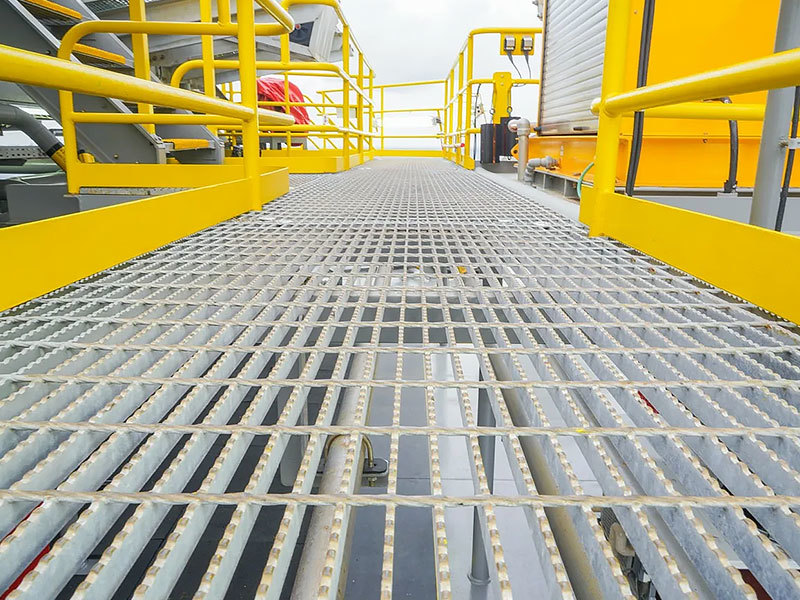
View Products
Wire Mesh Series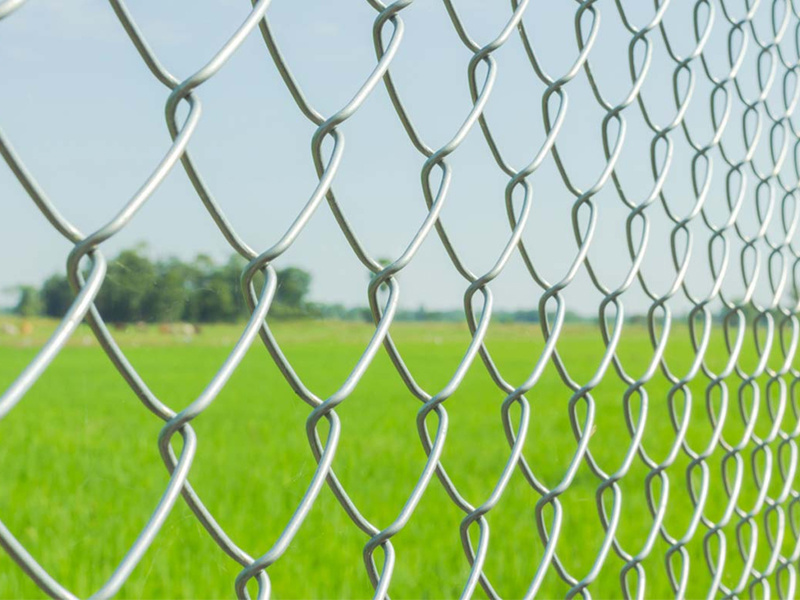
View Products
Wire Mesh Fence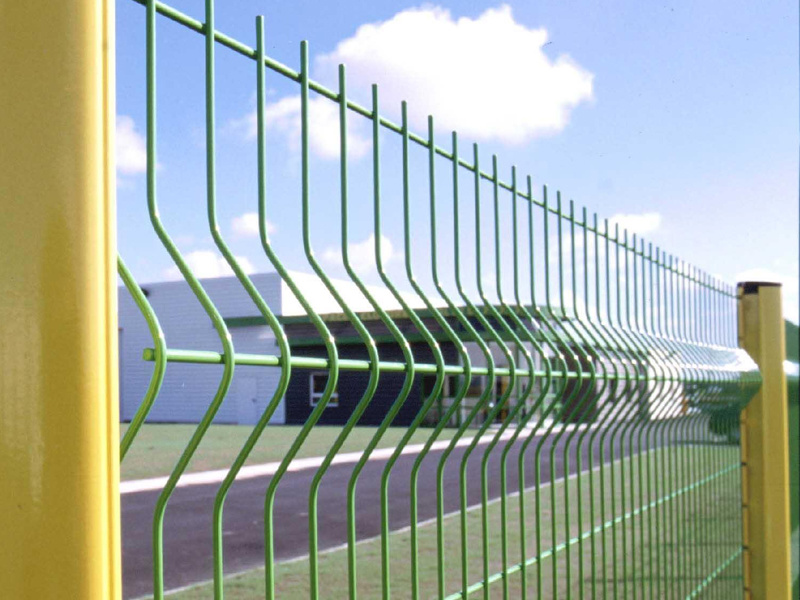
View Products
Barbed Wire Series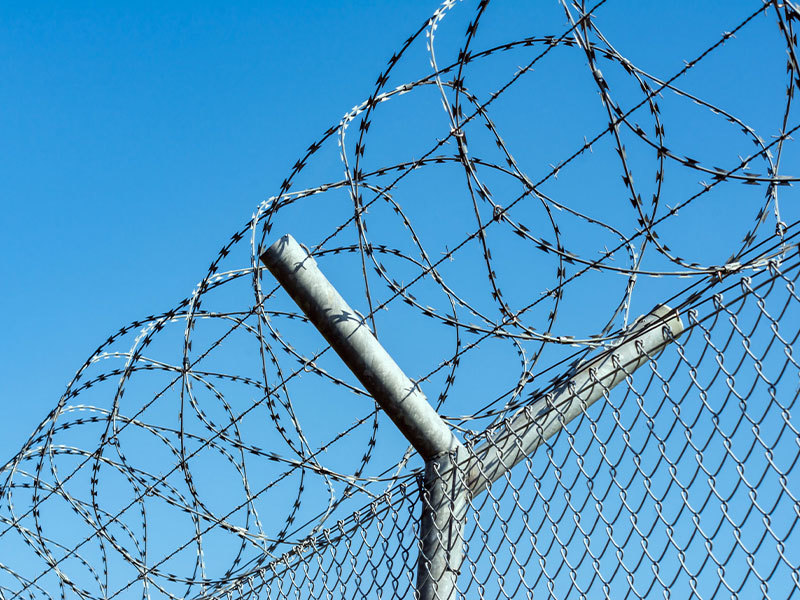
View Products
Gabion Basket Series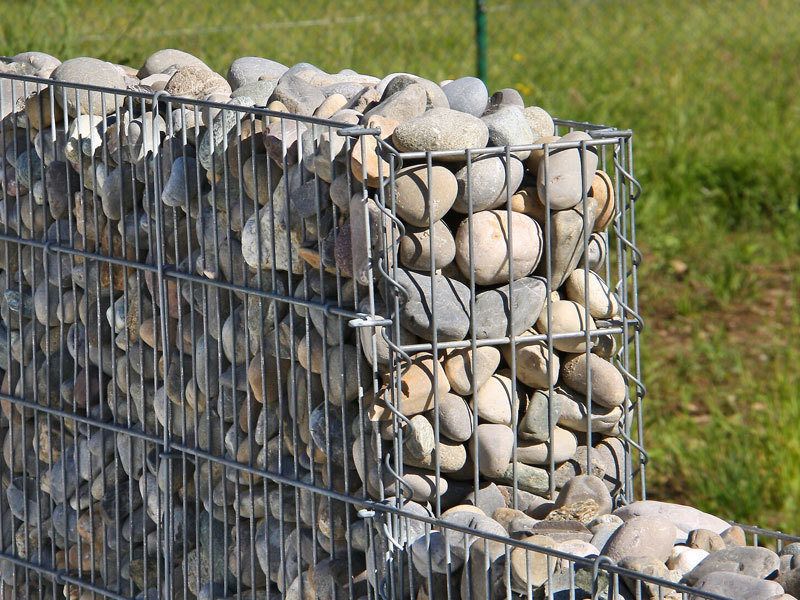
View Products
Steel Pipe Series
View Products
Steel Sheet Series
View Products
Steel Coil Series
View Products
-
-
-


Building Retaining Walls with Galvanized Hexagonal Gabions: A Comprehensive Guide to Effective Construction
Sep 30,2026
Building Retaining Walls with Galvanized Hexagonal Gabions: A Comprehensive Guide
Table of Contents
1. Introduction to Galvanized Hexagonal Gabions
2. Benefits of Using Galvanized Hexagonal Gabions for Retaining Walls
3. Design Considerations for Gabion Retaining Walls
4. Essential Materials for Constructing Gabion Walls
5. Step-by-Step Guide to Building a Retaining Wall with

Building Retaining Walls with Galvanized Hexagonal Gabions: A Comprehensive Guide
Table of Contents
- 1. Introduction to Galvanized Hexagonal Gabions
- 2. Benefits of Using Galvanized Hexagonal Gabions for Retaining Walls
- 3. Design Considerations for Gabion Retaining Walls
- 4. Essential Materials for Constructing Gabion Walls
- 5. Step-by-Step Guide to Building a Retaining Wall with Gabions
- 6. Maintenance Tips for Gabion Retaining Walls
- 7. Common Issues and Troubleshooting Gabion Walls
- 8. Conclusion
- 9. FAQs about Gabion Retaining Walls
1. Introduction to Galvanized Hexagonal Gabions
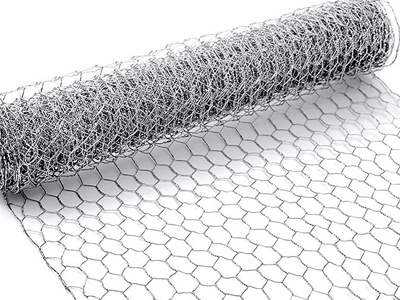
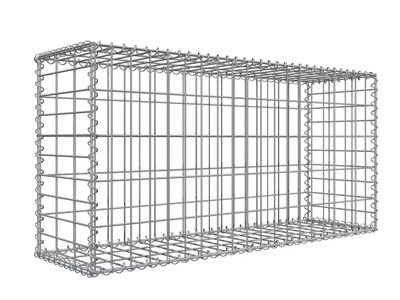
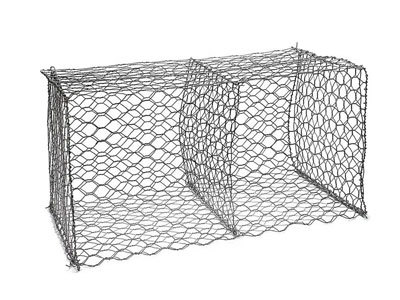
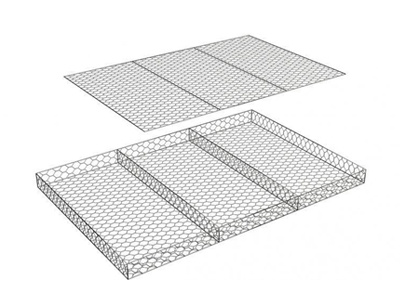
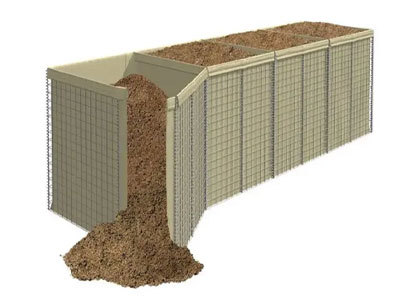
Galvanized hexagonal gabions are rectangular wire mesh containers made from high-quality steel wire, typically coated with a layer of zinc for corrosion resistance. These versatile structures are filled with stones, gravel, or other materials, creating robust retaining walls that effectively manage soil erosion, provide structural support, and enhance landscape aesthetics. With their unique construction and adaptability, gabions have become a popular choice for both residential and commercial projects.
2. Benefits of Using Galvanized Hexagonal Gabions for Retaining Walls
Galvanized hexagonal gabions offer a multitude of advantages over traditional retaining wall materials. Here are some key benefits:
Durability and Longevity
The galvanization process protects the wire from rust and deterioration, allowing gabions to withstand harsh weather conditions and last for decades without significant maintenance.
Eco-Friendly Solution
Gabions are often filled with natural materials like stones, which blend seamlessly into the environment and promote biodiversity by allowing vegetation to grow through the walls.
Cost-Effectiveness
Compared to concrete or brick retaining walls, gabions are generally more affordable due to lower material costs and easier installation processes.
Versatility in Design
Gabions can be constructed in various shapes and sizes, providing flexibility in design to fit different landscape requirements and aesthetic preferences.
3. Design Considerations for Gabion Retaining Walls
Before embarking on building a gabion retaining wall, several design considerations must be evaluated to ensure structural integrity and overall effectiveness.
Wall Height and Thickness
The height and thickness of the wall will depend on the amount of soil it needs to retain. Professional guidance is recommended for walls over 4 feet high.
Drainage Solutions
Implementing proper drainage systems is essential to prevent water accumulation behind the wall, which can lead to structural failure. Incorporate perforated pipes or weep holes to facilitate water movement.
Foundation Preparation
A solid foundation is crucial for any retaining wall. The base must be level, compacted, and able to support the weight of the gabions and the filled material.
4. Essential Materials for Constructing Gabion Walls
To successfully build a retaining wall with galvanized hexagonal gabions, you’ll need the following materials:
Galvanized Hexagonal Gabion Baskets
Select high-quality gabion baskets made from durable, galvanized wire to ensure optimal performance.
Filling Material
Choose appropriate filling materials, such as natural stones, recycled concrete, or even decorative rocks, depending on desired aesthetics and structural needs.
Geotextile Fabric
Geotextile fabric is essential for preventing soil from washing through the gaps in the gabion mesh while allowing water to drain.
Tools and Equipment
Essential tools include wire cutters, gloves, a shovel, a level, and possibly a compactor for the foundation preparation.
5. Step-by-Step Guide to Building a Retaining Wall with Gabions
Constructing a retaining wall with galvanized hexagonal gabions can be accomplished through several straightforward steps:
Step 1: Planning and Design
Before beginning construction, sketch the layout of your retaining wall, including dimensions, drainage solutions, and material selection.
Step 2: Preparing the Site
Clear the area where the wall will be built, removing any vegetation, debris, or loose soil. Level the ground and ensure proper compactness.
Step 3: Installing the Foundation
Dig a trench for the foundation of the wall, typically 6-12 inches deep. Fill the trench with gravel for drainage and compact it for stability.
Step 4: Assembling Gabion Baskets
Follow the manufacturer's instructions to assemble the gabion baskets. Secure the edges using wire ties to maintain their shape.
Step 5: Filling the Gabions
Position the gabion baskets in place and fill them with your chosen material, making sure to distribute weight evenly. Use a level to ensure the wall remains straight.
Step 6: Connecting Gabion Baskets
Connect additional gabion baskets using wire ties, ensuring a strong bond between each section.
Step 7: Finishing Touches
After filling and securing all baskets, inspect the wall for stability. Add soil or vegetation around the wall for better integration with the landscape.
6. Maintenance Tips for Gabion Retaining Walls
While gabion walls are low-maintenance, periodic checks and maintenance can prolong their lifespan. Here are some tips:
Inspect for Damage
Regularly check for any signs of damage to the wire, such as rust or breakage, and repair as necessary.
Ensure Proper Drainage
Monitor drainage systems to ensure they are functioning correctly, preventing water buildup behind the wall.
Maintain Surrounding Areas
Keep the area around the gabion wall clear of debris and vegetation that may obstruct drainage or cause erosion.
7. Common Issues and Troubleshooting Gabion Walls
Identifying and resolving potential issues with gabion walls is essential to ensure their durability:
Erosion Behind the Wall
If you notice soil erosion behind the wall, it may indicate inadequate drainage. Consider adding additional drainage solutions or adjusting the landscape.
Settling or Leaning Walls
If a gabion wall begins to settle or lean, it may not have a proper foundation. Assess the base and add more gravel or recompact the foundation if needed.
Wire Corrosion
While galvanized wire is resistant to rust, prolonged exposure to harsh conditions can lead to corrosion. Regular inspections and protective coatings can mitigate this risk.
8. Conclusion
Building a retaining wall with galvanized hexagonal gabions is an excellent choice for enhancing landscape stability and aesthetics. With their durability, ecological benefits, and cost-effectiveness, gabions provide a versatile solution for managing soil erosion and elevating outdoor spaces. By following our comprehensive guide, from planning to construction and maintenance, you can successfully execute a gabion wall project that meets your needs while contributing positively to your environment.
9. FAQs about Gabion Retaining Walls
What are gabions made of?
Gabions are typically made from galvanized steel wire mesh filled with natural stones or other materials.
How long do gabion walls last?
With proper installation and maintenance, gabion walls can last for decades, often exceeding 25 years.
Can I build a gabion wall myself?
Yes, with some basic tools and a clear plan, DIY enthusiasts can successfully build gabion walls.
Are gabion walls environmentally friendly?
Yes, gabions use natural materials and allow vegetation to grow, promoting a healthy ecosystem.
What is the best filling material for gabions?
The best filling material can vary based on aesthetics and structural needs, but commonly used materials include natural stones and recycled concrete.
By following this guide, you can confidently embark on your project of building a retaining wall with galvanized hexagonal gabions, ensuring both functionality and beauty in your landscape.
TAG:
Contact Us
Phone/WhatsApp
Address
B1213 Global Centre, No.226 Zhonghua North Street, Shijiazhuang, China


WhatsApp / Wechat
TEL / FAX
Address
B1213 Global Centre, No.226 Zhonghua North Street, Shijiazhuang, China