

-
Grating Series
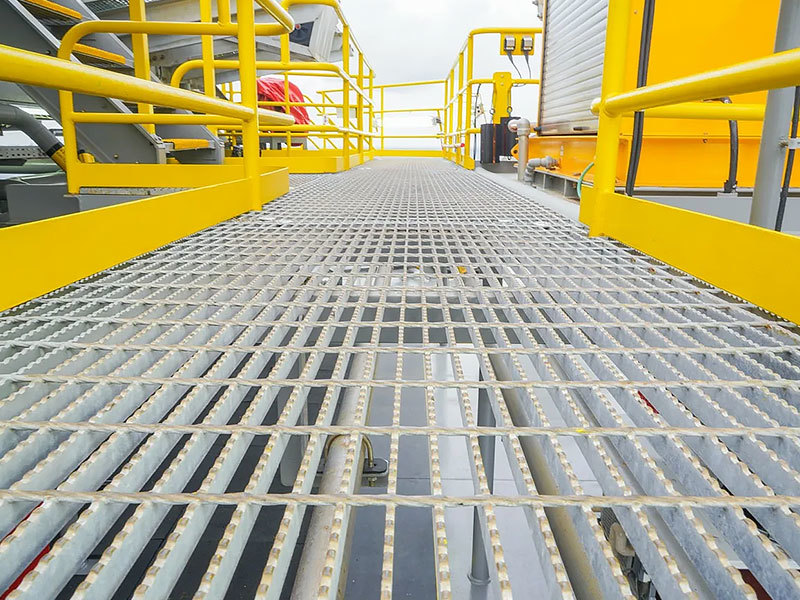
View Products
Wire Mesh Series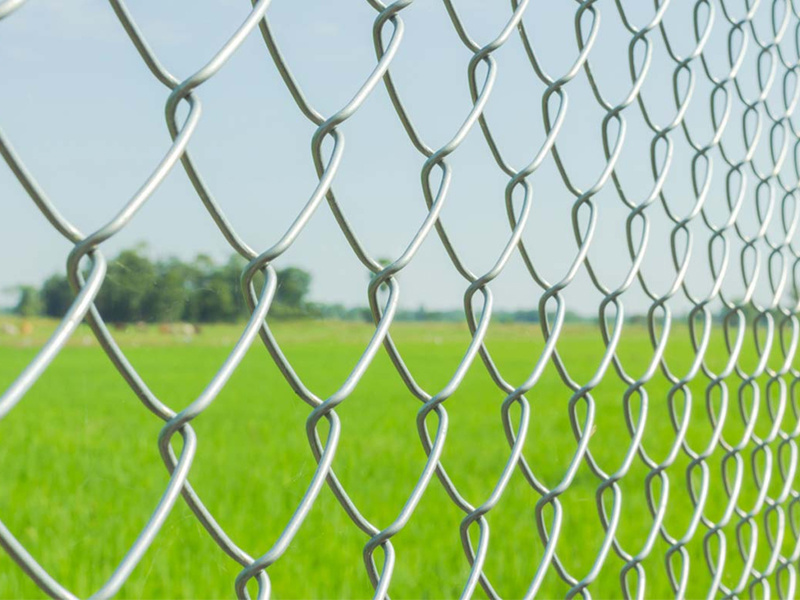
View Products
Wire Mesh Fence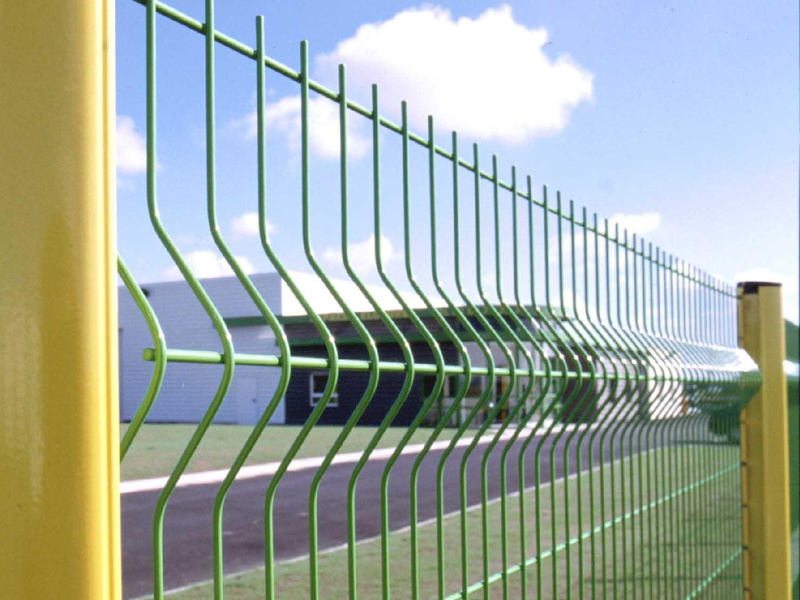
View Products
Barbed Wire Series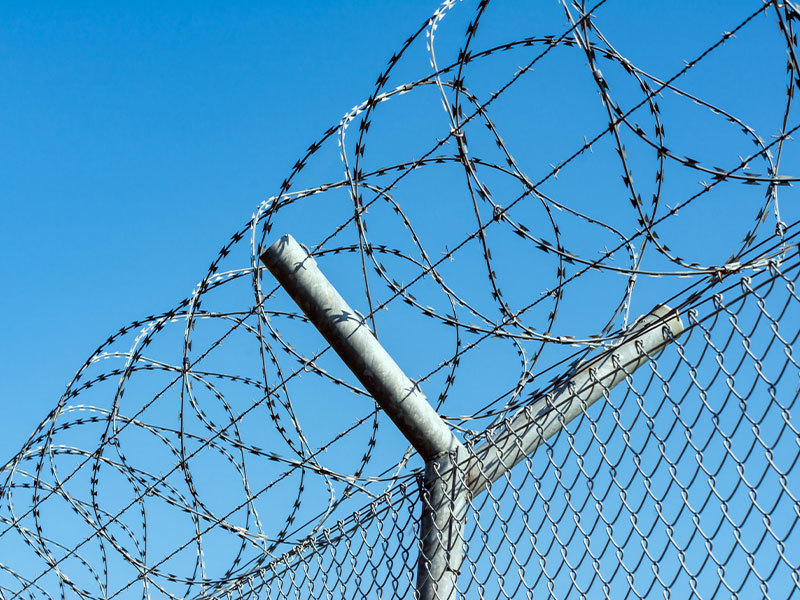
View Products
Gabion Basket Series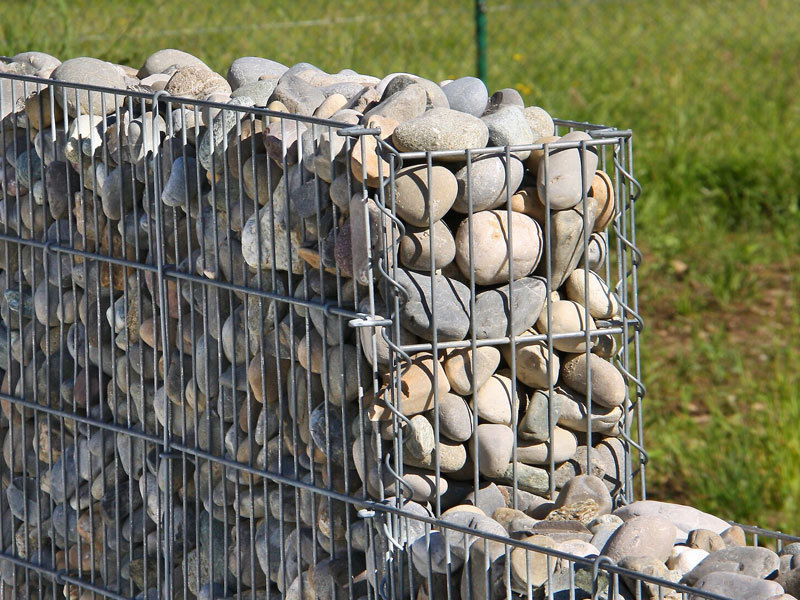
View Products
Steel Pipe Series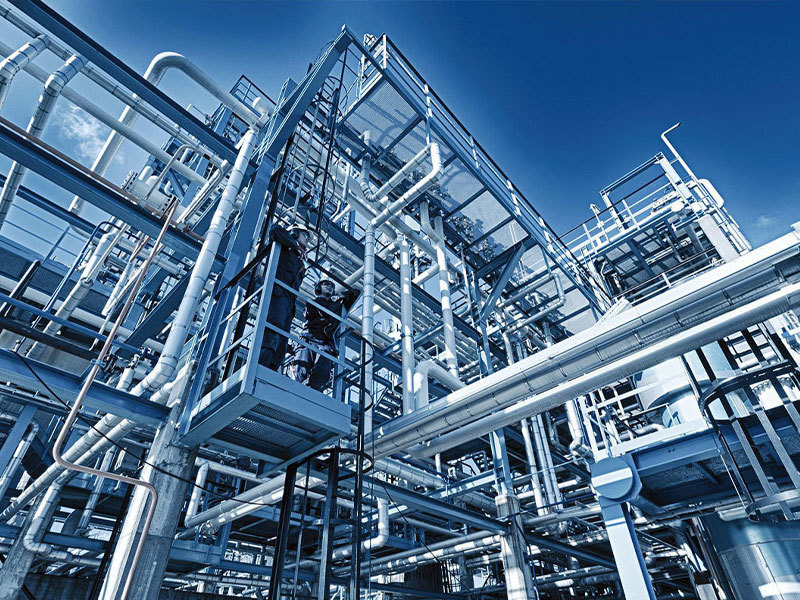
View Products
Steel Sheet Series
View Products
Steel Coil Series
View Products
-
-
-



Why Choose Seamless Steel Pipe for Your Building Projects?
Aug 21,2026
Why Choose Seamless Steel Pipe for Your Building Projects?
Table of Contents
Introduction to Seamless Steel Pipes
What is Seamless Steel Pipe?
Advantages of Seamless Steel Pipe
Strength and Durability
Cost-Effectiveness
Corrosion Resistance
Versatility in Applications
Manufacturing Process of Seamless Steel Pipe
Applications of Seamless Steel Pipe
Com
Why Choose Seamless Steel Pipe for Your Building Projects?
Table of Contents
- Introduction to Seamless Steel Pipes
- What is Seamless Steel Pipe?
- Advantages of Seamless Steel Pipe
- Manufacturing Process of Seamless Steel Pipe
- Applications of Seamless Steel Pipe
- Comparison with Welded Steel Pipe
- Frequently Asked Questions
- Conclusion
Introduction to Seamless Steel Pipes
When it comes to construction projects, **choosing the right materials** can significantly influence the overall quality and longevity of a building. One material that stands out in the construction industry is the **seamless steel pipe**. This article delves deep into the reasons why seamless steel pipes are the preferred choice for various building projects, highlighting their unique features, advantages, and applications.
What is Seamless Steel Pipe?
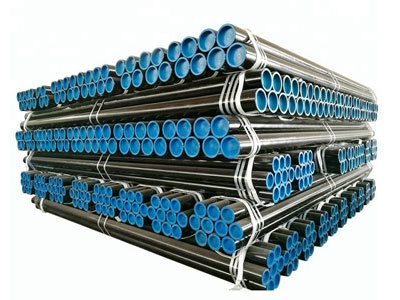
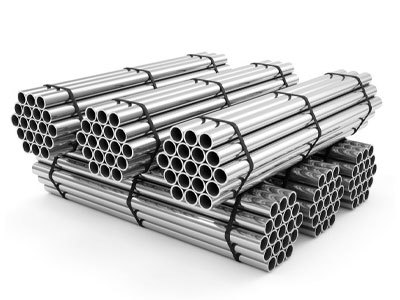
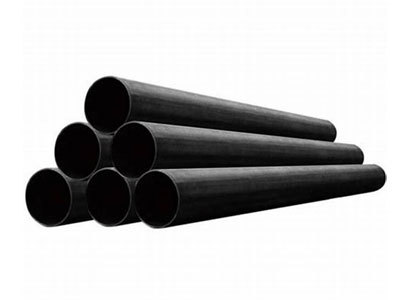
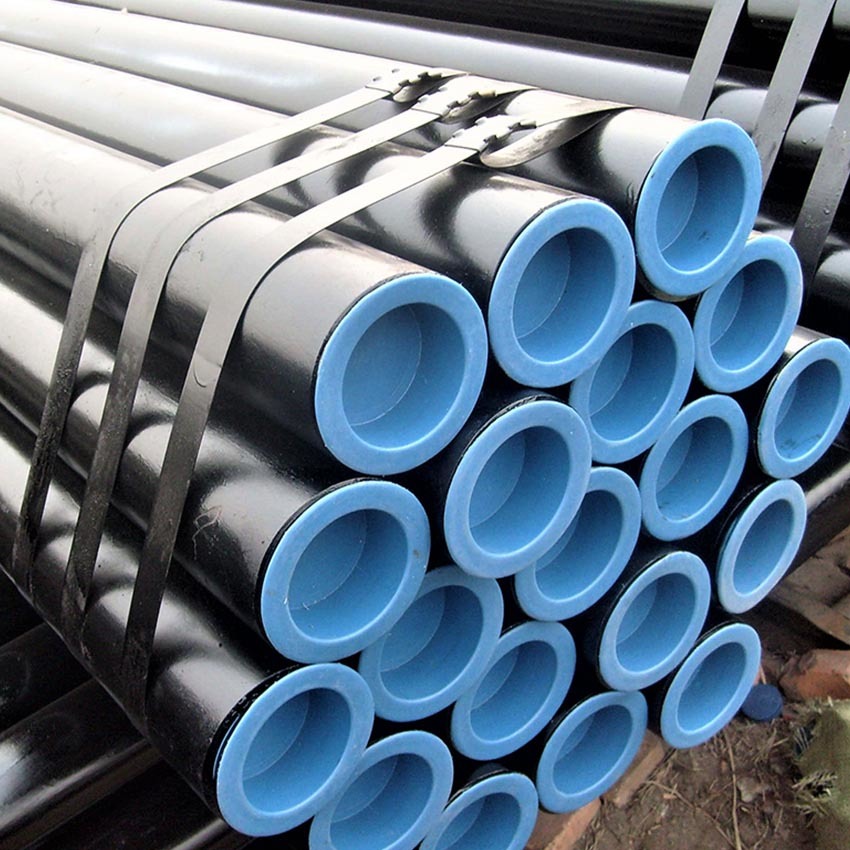
Seamless steel pipes are manufactured without any seams or welds, making them a robust option for construction. They are produced by extruding a solid round steel billet through a die, which forms a hollow tube. This **manufacturing process eliminates weak points** that might be present in welded pipes, ensuring a higher degree of structural integrity.
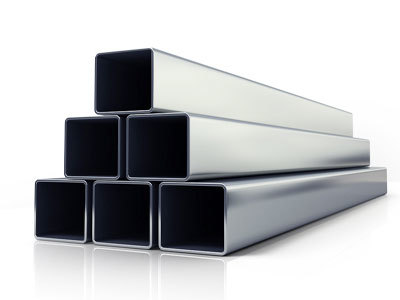
Seamless steel pipes are available in various sizes, thicknesses, and grades, making them suitable for a plethora of applications across different industries, including **oil and gas**, **construction**, and **automotive** industries.
Advantages of Seamless Steel Pipe
Seamless steel pipes offer a range of advantages that make them an excellent choice for building projects. Here, we explore the key benefits that make them stand out.
Strength and Durability
One of the most significant advantages of seamless steel pipes is their **strength**. The absence of seams means that these pipes can withstand high levels of pressure without risking failure. They are particularly beneficial in applications that require high tensile strength, such as in **oil drilling** and **heavy-duty construction**.
Furthermore, seamless steel pipes exhibit remarkable **durability**. They can endure extreme weather conditions, making them ideal for outdoor applications. The robust nature of these pipes ensures that they have a longer lifespan compared to their welded counterparts.
Cost-Effectiveness
While the initial cost of seamless steel pipes may be higher than that of welded pipes, their **long-term cost-effectiveness** cannot be overlooked. Their durability means lower maintenance and replacement costs over time. Additionally, seamless steel pipes allow for more flexible design options and reduce the likelihood of costly repairs due to leaks or failures.
When considering the overall lifetime value, seamless steel pipes often turn out to be the **more economical choice** for large-scale projects.
Corrosion Resistance
Seamless steel pipes are often made from high-quality steel alloys, which can be treated to enhance their **corrosion resistance**. This property is crucial in environments where pipes are exposed to moisture, chemicals, or extreme temperatures. By selecting seamless steel pipes for your construction projects, you can mitigate the risk of corrosion-related failures and extend the life of the infrastructure.
Versatility in Applications
Another compelling reason to choose seamless steel pipes is their **versatility**. They can be adapted for various applications, from structural support in buildings to carrying fluids in pipelines. Their high strength-to-weight ratio makes them suitable for applications where space and weight are critical factors.
Seamless steel pipes are widely used in industries that demand reliability and performance, including but not limited to:
- **Construction**
- **Automotive**
- **Oil and Gas**
- **Water Supply and Sewage**
- **Chemical Processing**
Manufacturing Process of Seamless Steel Pipe
The manufacturing of seamless steel pipes involves several intricate processes designed to ensure quality and performance. Understanding these steps can provide insights into why these pipes are so reliable.
1. **Billet Production**: The process starts with the creation of a solid steel billet, which is heated to a high temperature.
2. **Piercing**: The heated billet is pierced through the center to create a hollow shell.
3. **Elongation**: The hollow shell is further elongated by being passed through a series of rollers, forming the pipe to the desired diameter and wall thickness.
4. **Heat Treatment**: After the pipe is formed, it undergoes heat treatment to enhance its mechanical properties, ensuring it meets industry standards.
5. **Finishing**: Finally, the pipe is finished with processes such as cutting, threading, or coating, depending on its intended application.
This meticulous manufacturing process is essential in producing seamless steel pipes that meet stringent quality and safety standards.
Applications of Seamless Steel Pipe
Seamless steel pipes are employed in various sectors due to their unique characteristics. Some common applications include:
- **Structural Engineering**: Used in high-rise buildings and bridges, providing strength and stability.
- **Oil and Gas**: Essential for transporting crude oil and natural gas, where high pressure may be involved.
- **Water and Sewage Systems**: Ideal for pipelines due to their ability to withstand corrosion and pressure.
- **Automotive Parts**: Used in the manufacturing of parts like exhaust systems and chassis components.
- **Chemical Processing**: Ideal for transporting hazardous materials due to their strength and resistance to corrosion.
Comparison with Welded Steel Pipe
When considering the options for piping in construction projects, it is crucial to compare seamless steel pipes with **welded steel pipes**. While both have their uses, they differ significantly in terms of strength, durability, and application.
**Strength**: Seamless pipes offer higher strength levels due to their continuous structure, while welded pipes are more susceptible to weak points at the seams.
**Durability**: Seamless pipes tend to last longer than welded ones, making them more suitable for demanding environments.
**Cost**: Welded pipes are generally less expensive to manufacture, but the long-term benefits of seamless pipes often justify the initial investment.
In scenarios where strength and reliability are paramount, seamless steel pipes are the clear choice.
Frequently Asked Questions
1. What is the primary benefit of using seamless steel pipes in construction?
The primary benefit is their strength and durability, which make them suitable for high-pressure applications and demanding environments.
2. How do seamless steel pipes compare to welded pipes in terms of cost?
While seamless pipes may have a higher initial cost, their long-term durability and lower maintenance costs make them more economical overall.
3. Are seamless steel pipes resistant to corrosion?
Yes, seamless steel pipes can be treated to enhance their corrosion resistance, making them suitable for various environments.
4. What industries primarily use seamless steel pipes?
Seamless steel pipes are widely used in construction, oil and gas, automotive, and chemical processing industries.
5. What factors should be considered when choosing between seamless and welded pipes?
Consider factors such as required strength, durability, cost, and the specific application demands when choosing between seamless and welded pipes.
Conclusion
Seamless steel pipes are undeniably an essential choice for building projects, offering a multitude of advantages that enhance both performance and longevity. Their unmatched strength, durability, and versatility make them suitable for a wide range of applications across various industries. By opting for seamless steel pipes, project managers and engineers can ensure that their structures are built to last, ultimately leading to significant long-term savings and reliability. As the construction landscape continues to evolve, seamless steel pipes remain a cornerstone of modern building practices, proving their worth time and again in projects across the globe.
TAG:
PREVIOUS:
Contact Us
Phone/WhatsApp
Address
B1213 Global Centre, No.226 Zhonghua North Street, Shijiazhuang, China


WhatsApp / Wechat
TEL / FAX
Address
B1213 Global Centre, No.226 Zhonghua North Street, Shijiazhuang, China