

-
Grating Series

View Products
Wire Mesh Series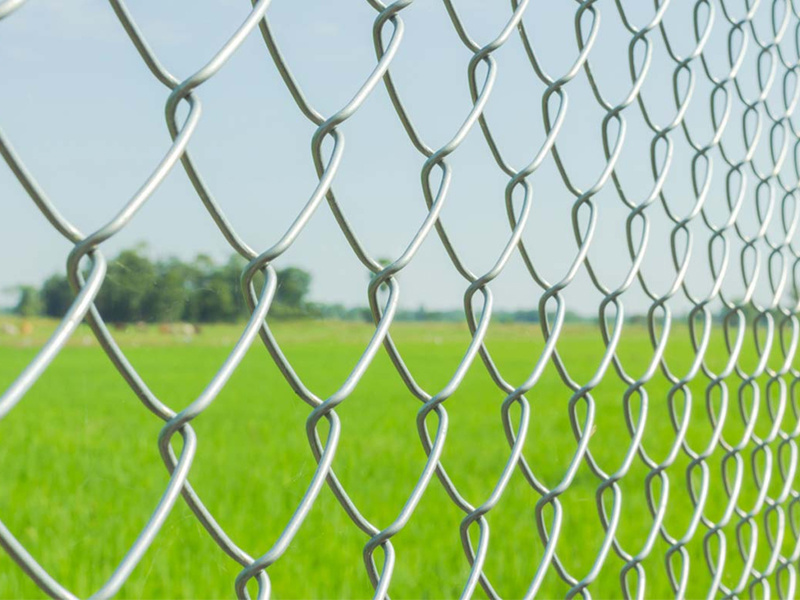
View Products
Wire Mesh Fence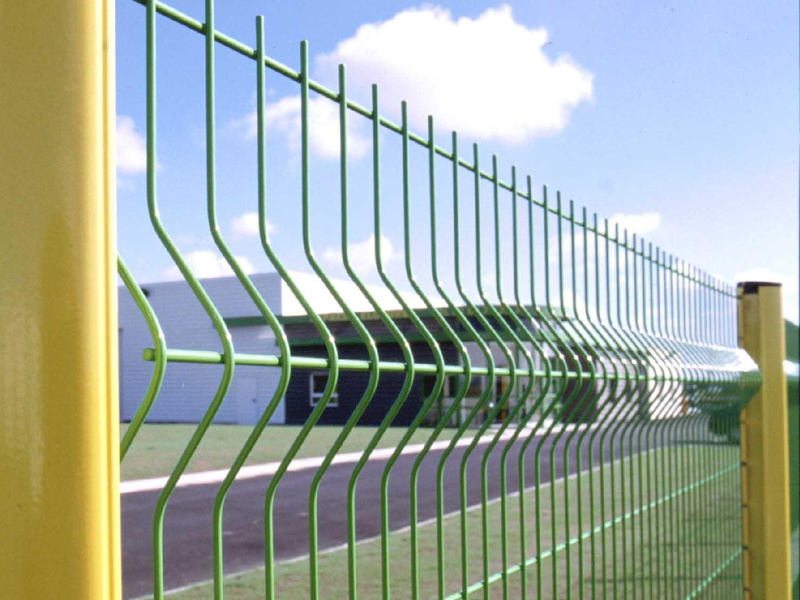
View Products
Barbed Wire Series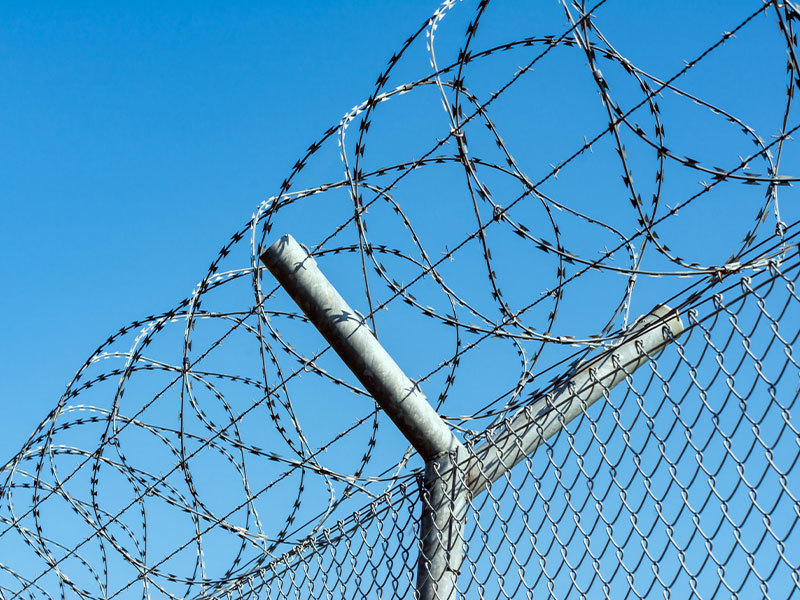
View Products
Gabion Basket Series
View Products
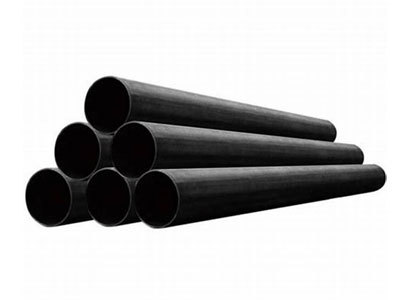
Steel Pipe Series
View Products
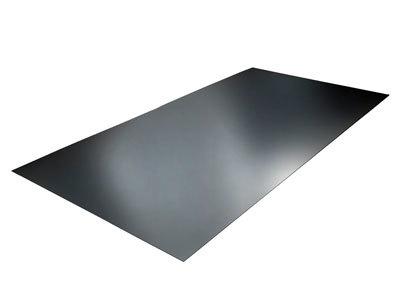
Steel Sheet Series
View Products
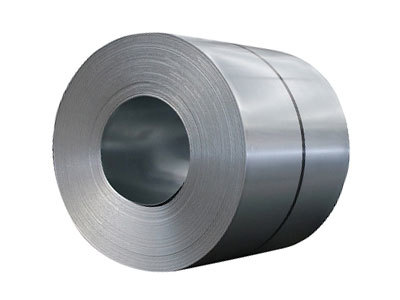
Steel Coil Series
View Products
-
-
-


















Why Barbed Wire is a Must-Have for Security Fencing: The Definitive Guide
Aug 15,2026
Why Barbed Wire is a Must-Have for Security Fencing
Security is a paramount concern for both residential and commercial property owners. In a world where threats to safety are ever-present, the need for reliable fencing solutions has never been greater. Among various options available, **barbed wire** stands out as a vital component of security fencing. This article explores the myriad reasons why

Why Barbed Wire is a Must-Have for Security Fencing
Security is a paramount concern for both residential and commercial property owners. In a world where threats to safety are ever-present, the need for reliable fencing solutions has never been greater. Among various options available, **barbed wire** stands out as a vital component of security fencing. This article explores the myriad reasons why barbed wire is considered a must-have for effective security fencing, detailing its advantages, applications, and practical considerations.
The Importance of Security Fencing
In today’s environment, security fencing serves as the first line of defense against intruders. Effective security fencing not only deters criminal activities but also provides peace of mind to property owners. The importance of having a robust security system in place cannot be overstated, especially in areas prone to theft, vandalism, or other criminal actions.
Understanding Barbed Wire
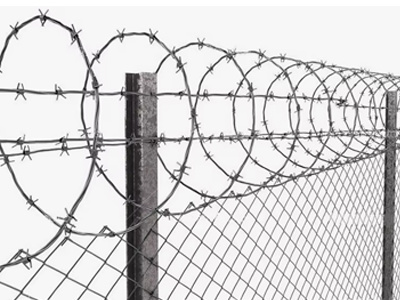
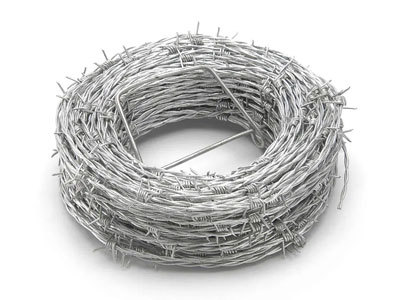
Barbed wire, characterized by its sharp edges or points at intervals along the strands, is a type of fencing wire utilized to secure areas. It is designed primarily for preventing unauthorized access and protecting valuable assets. Typically made from steel, barbed wire is both durable and effective in enhancing security measures.
History and Evolution of Barbed Wire
The invention of barbed wire dates back to the late 19th century, primarily attributed to Joseph Glidden. Originally used to contain livestock, its applications quickly expanded to security fencing. Over the years, advancements in material technology and design have made barbed wire more effective and versatile for security purposes.
Key Benefits of Using Barbed Wire in Security Fencing
Barbed wire offers several distinct advantages that make it a preferred choice for security fencing. Below are some of the most significant benefits:
1. Enhanced Security
The primary advantage of barbed wire lies in its ability to deter intruders effectively. The sharp barbs create a formidable barrier that poses significant physical challenges to anyone attempting to breach the fence. This reduces the likelihood of unauthorized access significantly.
2. Cost-Effective Solution
Compared to other security fencing options, barbed wire is relatively inexpensive. The materials required to install barbed wire fences are often more affordable than alternatives like electric fences or high-security mesh. This makes barbed wire an excellent choice for budget-conscious property owners.
3. Durability and Longevity
Barbed wire is designed to withstand harsh weather conditions. Made from high-tensile steel, it is resistant to rust and corrosion, ensuring a long lifespan with minimal maintenance. This durability makes it a reliable choice for long-term security solutions.
4. Versatility in Applications
Barbed wire can be used in various settings, from residential properties and commercial buildings to agricultural fields and military installations. Its versatility allows it to adapt to different environments and security needs.
5. Easy Installation
Installing barbed wire fencing is relatively straightforward and does not require specialized skills. With the right tools and materials, property owners can set up effective security measures in a short amount of time.
Applications of Barbed Wire in Security Fencing
Barbed wire's unique characteristics make it suitable for a variety of applications. Below are some scenarios where barbed wire proves to be particularly effective:
1. Residential Security
Homeowners looking to enhance their property’s security often turn to barbed wire as an effective deterrent against burglaries. When installed on top of traditional fencing, barbed wire adds an additional layer of protection that is both visible and intimidating to potential intruders.
2. Agricultural Protection
Farmers frequently use barbed wire to protect livestock and crops from wild animals and intruders. Its ability to keep out unwanted animals helps safeguard valuable agricultural resources.
3. Commercial and Industrial Use
Businesses often utilize barbed wire fencing to secure their premises from theft and vandalism. Commercial properties with valuable equipment and inventory benefit from the added security that barbed wire provides.
4. Military Installations
Military bases and installations require high levels of security. Barbed wire fences are commonly used to delineate boundaries and deter unauthorized access, ensuring the safety of sensitive areas.
5. Government and Prisons
For correctional facilities, barbed wire is a crucial element in perimeter security. Its implementation prevents escapes and unauthorized entry, maintaining safety within and outside the facility.
Best Practices for Installing Barbed Wire Fencing
Successfully implementing barbed wire fencing requires careful planning and adherence to best practices. Here are some essential tips for ensuring effective installation:
1. Select the Right Type of Barbed Wire
Not all barbed wire is created equal. Choosing the right type based on your specific security needs and environmental conditions is crucial. Consider factors like gauge, spacing of the barbs, and the wire's tensile strength.
2. Proper Height and Spacing
Barbed wire fencing should be installed at an appropriate height to maximize its effectiveness. Typically, barbed wire is placed at least six feet high, with multiple strands installed for added security. Proper spacing between the strands is also essential to prevent easy climbing.
3. Regular Maintenance Checks
Routine inspections of the barbed wire fencing are vital for ensuring it remains in good condition. Check for rust, damage, or sagging, and address any issues promptly to maintain its effectiveness.
4. Signage and Visibility
To enhance the deterrent effect of barbed wire, clear signage indicating restricted access should be posted. This not only informs potential intruders about the security measures in place but also provides legal protection for property owners.
5. Compliance with Local Regulations
Before installing barbed wire fencing, it is essential to comply with local regulations and zoning laws. Some areas may have restrictions on the height or type of fencing allowed, so be sure to check with local authorities.
Common Misconceptions About Barbed Wire Fencing
Despite its many benefits, several misconceptions about barbed wire fencing persist. Addressing these misunderstandings can help property owners make informed decisions.
1. Barbed Wire is Only for High-Security Areas
While barbed wire is indeed common in high-security environments, it is also an excellent choice for residential and commercial properties. Its effectiveness in deterring crime makes it suitable for various security levels.
2. Barbed Wire is Dangerous and Illegal
When installed correctly and with appropriate signage, barbed wire is a legal and safe security option. The perception of danger often stems from improper installation or lack of warning signs.
3. Barbed Wire is Outdated
Although newer security technologies exist, barbed wire remains a relevant and effective solution. Its combination of affordability, durability, and effectiveness ensures it continues to be a preferred choice.
Frequently Asked Questions (FAQs)
1. How effective is barbed wire for security purposes?
Barbed wire is highly effective in deterring unauthorized access, making it a common choice for security fencing. Its sharp edges create a physical barrier that is difficult to breach.
2. Can barbed wire be used in residential areas?
Yes, barbed wire can be used in residential areas. However, homeowners should check local regulations to ensure compliance with zoning laws.
3. What is the best height for barbed wire fencing?
A height of six feet or more is recommended for barbed wire fencing to enhance its security effectiveness.
4. How do I maintain my barbed wire fence?
Regular inspections for rust or damage, along with tension adjustments, are essential for maintaining a barbed wire fence.
5. Is barbed wire fencing expensive to install?
Barbed wire fencing is one of the most cost-effective security solutions available, making it affordable for most property owners.
Conclusion
In conclusion, barbed wire is an indispensable component of security fencing that offers numerous benefits. Its effectiveness in deterring intruders, cost-effectiveness, durability, and versatility make it a top choice for various applications. By adhering to best practices for installation and maintenance, property owners can enhance their security measures significantly. Investing in barbed wire fencing not only safeguards valuable assets but also provides peace of mind in an increasingly uncertain world.
TAG:
Contact Us
Phone/WhatsApp
Address
B1213 Global Centre, No.226 Zhonghua North Street, Shijiazhuang, China


WhatsApp / Wechat
TEL / FAX
Address
B1213 Global Centre, No.226 Zhonghua North Street, Shijiazhuang, China