

-
Grating Series
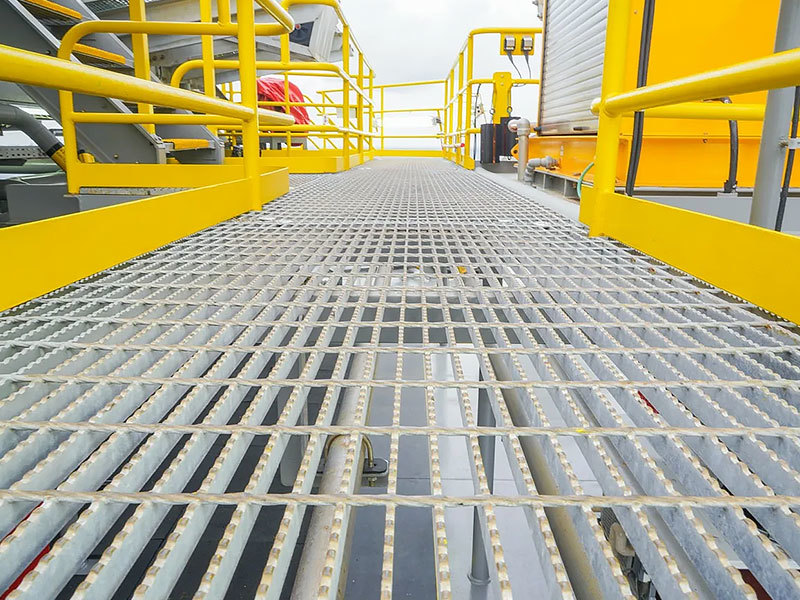
View Products
Wire Mesh Series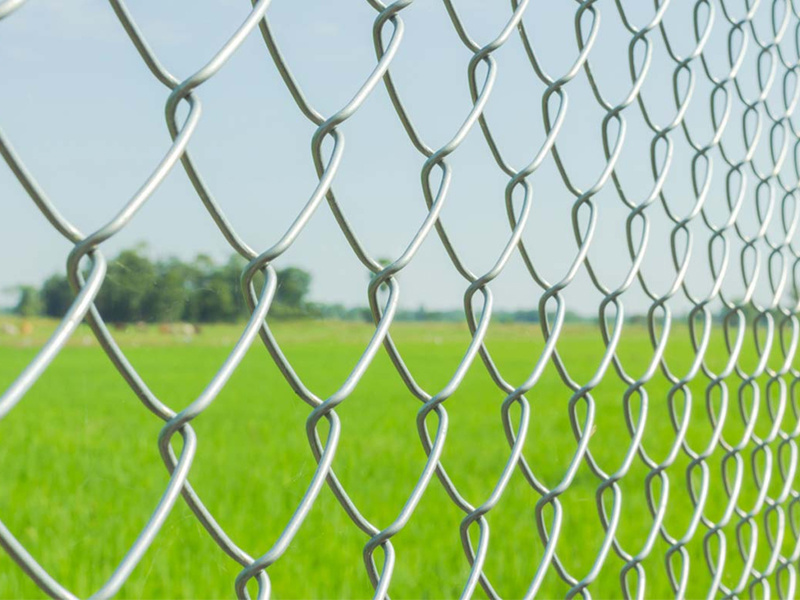
View Products
Wire Mesh Fence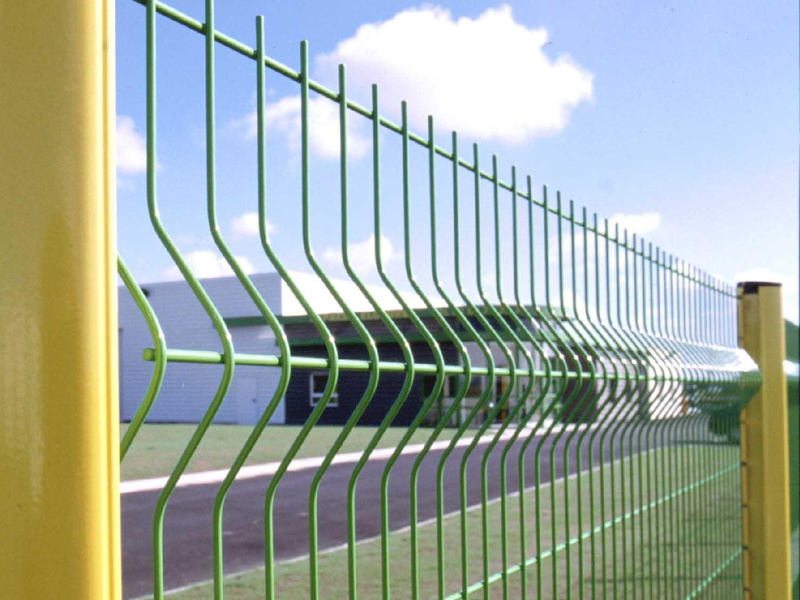
View Products
Barbed Wire Series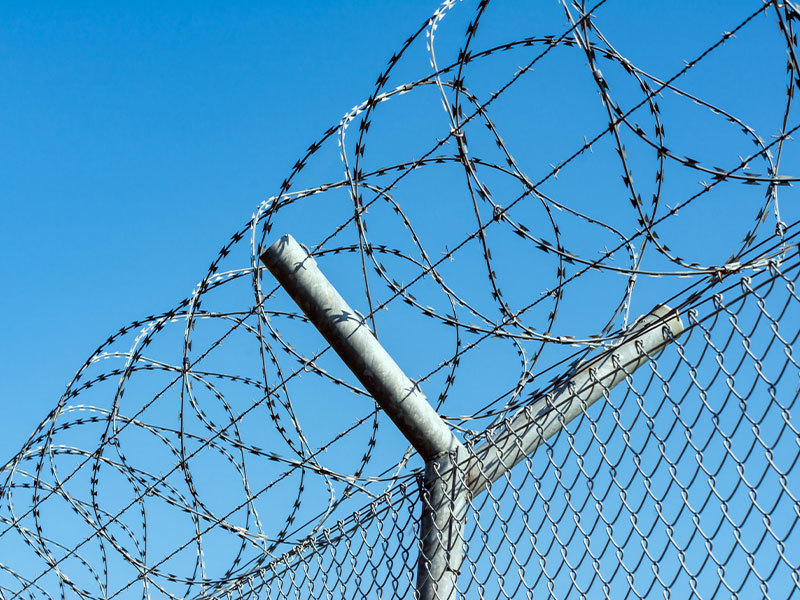
View Products
Gabion Basket Series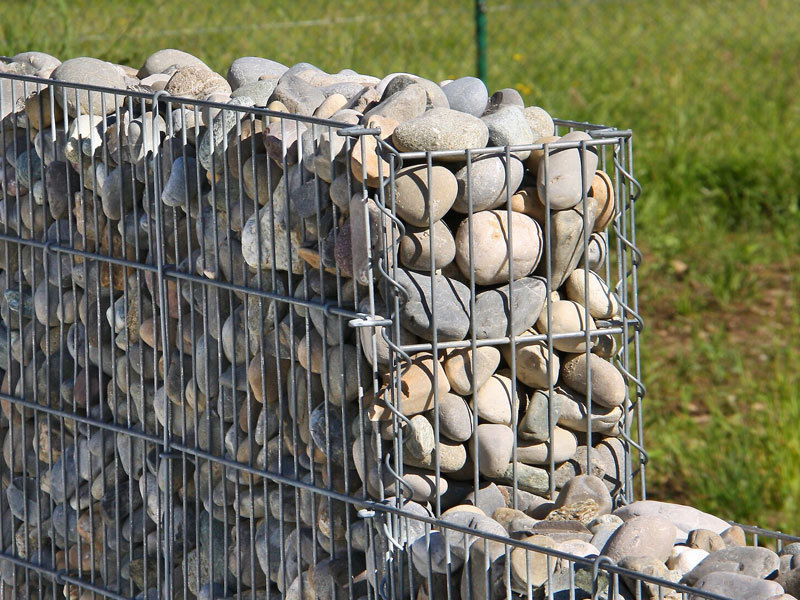
View Products
Steel Pipe Series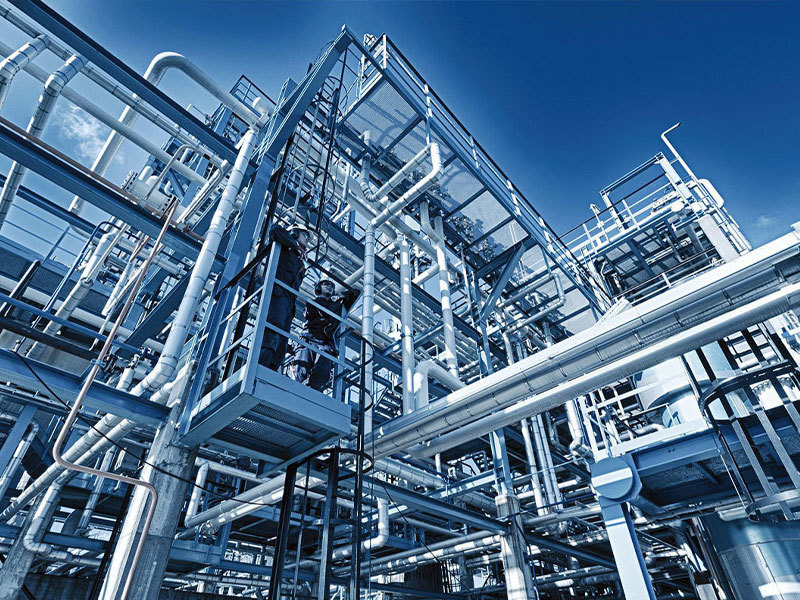
View Products
Steel Sheet Series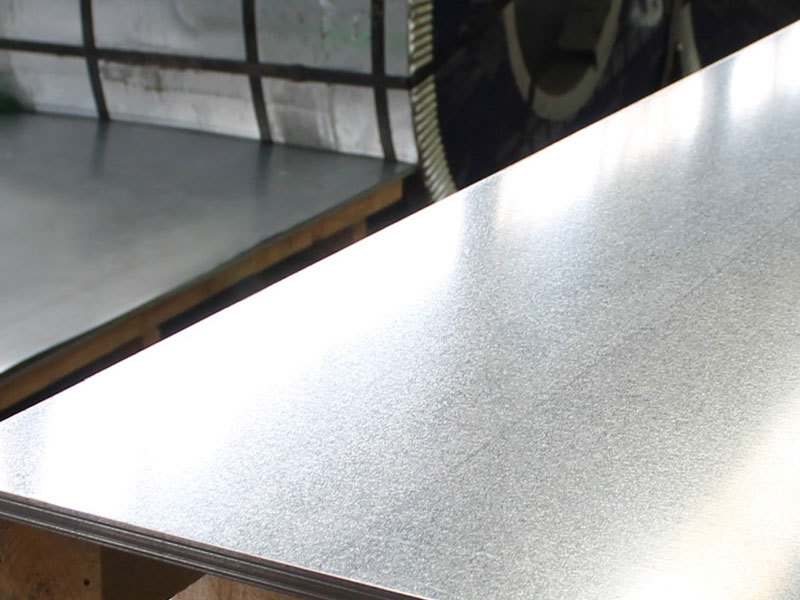
View Products
Steel Coil Series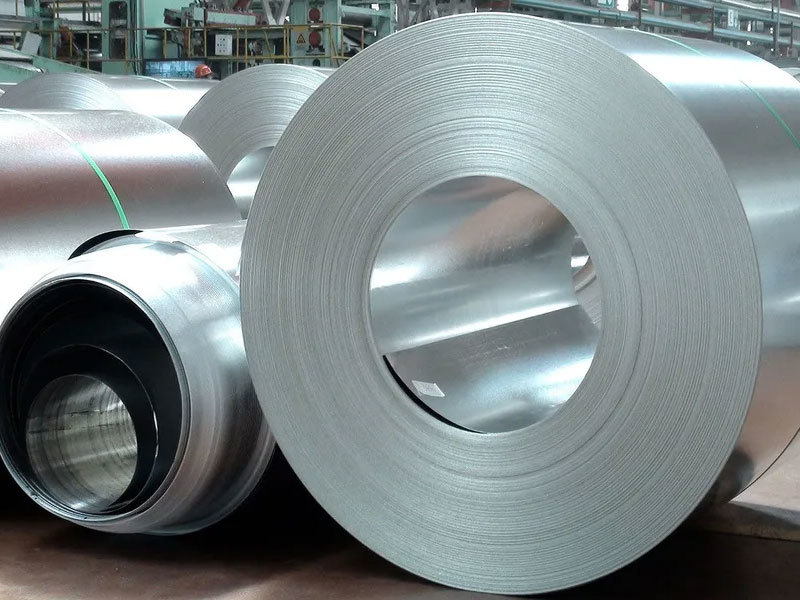
View Products
-
-
-

The Future of Chequered Sheets in Sustainable Building: Innovations and Applications
Jun 25,2026
The Future of Chequered Sheets in Sustainable Building
Introduction to Chequered Sheets in Construction
In the realm of construction, innovation plays a pivotal role in achieving sustainability goals. Among the materials gaining traction in this regard are **chequered sheets**, renowned for their durability and versatility. These sheets have found a place in various applications, from flooring to

The Future of Chequered Sheets in Sustainable Building
Introduction to Chequered Sheets in Construction
In the realm of construction, innovation plays a pivotal role in achieving sustainability goals. Among the materials gaining traction in this regard are **chequered sheets**, renowned for their durability and versatility. These sheets have found a place in various applications, from flooring to wall cladding, owing to their unique properties. As we delve into the future of chequered sheets, we will explore how they align with sustainable building practices and contribute to eco-friendly construction.
What Are Chequered Sheets?
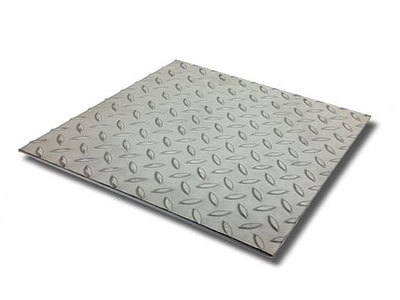
Chequered sheets, also known as checker plates or diamond plates, are metal sheets featuring a raised, diamond-like pattern on one side. They are typically made from steel or aluminum, lending them strength and resilience. Their design not only enhances aesthetic appeal but also provides **anti-slip properties**, making them ideal for environments requiring safety and functionality.
The Composition and Types of Chequered Sheets
Chequered sheets can be crafted from various materials, each offering unique advantages:
- **Mild Steel Chequered Sheets:** Known for their cost-effectiveness, these sheets are commonly used in industrial applications.
- **Aluminum Chequered Sheets:** Lightweight and resistant to corrosion, aluminum sheets are favored in areas exposed to moisture.
- **Stainless Steel Chequered Sheets:** Renowned for their strength and resistance to rust, these sheets are ideal for high-hygiene environments like kitchens and hospitals.
Why Chequered Sheets are Essential for Sustainable Building
As the world moves toward sustainable architecture, the construction industry is increasingly focused on reducing its carbon footprint. Chequered sheets play a crucial role in this transition due to several factors:
1. Durability and Longevity
Chequered sheets are designed to withstand harsh conditions, reducing the need for frequent replacements. Their longevity translates to less waste and lower resource consumption over time.
2. Recyclability of Materials
Most chequered sheets, particularly those made of steel and aluminum, are **highly recyclable**. At the end of their life cycle, these materials can be repurposed, significantly minimizing landfill contributions and conserving raw materials.
3. Energy Efficiency in Manufacturing
The production of chequered sheets has evolved, with manufacturers adopting techniques that consume less energy. Innovations such as **reduced-temperature processing** and the use of renewable energy sources in factories contribute to a lower carbon footprint.
Applications of Chequered Sheets in Sustainable Building
Chequered sheets find diverse applications in the construction sector, each contributing to sustainability in different ways.
1. Flooring Solutions
Chequered sheets are widely used for flooring in industrial settings, warehouses, and commercial buildings. Their **anti-slip surface** ensures safety, reducing the risk of accidents and injuries. In addition, they are easy to clean and maintain, promoting hygiene in workplaces.
2. Wall Cladding and Facades
In contemporary architecture, chequered sheets are utilized for wall cladding and facades. Their aesthetic appeal can create striking visual designs while enhancing insulation properties, contributing to energy efficiency.
3. Staircases and Platforms
Staircases and platforms constructed from chequered sheets offer safety and durability. Their robust nature ensures they can handle heavy foot traffic, making them an ideal choice for public buildings.
4. Rooftops and External Structures
Chequered sheets can be effectively used for rooftop applications, providing resistance against weather elements. They can also serve as bases for solar panels, aiding in the shift toward renewable energy solutions.
Innovative Trends in Chequered Sheets for Sustainable Building
The future of chequered sheets is intertwined with innovation. Various trends are emerging, enhancing their applicability and sustainability.
1. Eco-Friendly Coatings
Manufacturers are developing eco-friendly coatings for chequered sheets that improve durability while minimizing environmental impact. These coatings can also improve resistance to corrosion, ensuring longevity.
2. Smart Technology Integration
With the rise of smart buildings, integrating sensors and smart technology into chequered sheets is gaining momentum. This allows for real-time monitoring of building conditions, contributing to efficient energy management.
3. Modular Construction
Chequered sheets are increasingly being utilized in modular construction, where pre-fabricated building sections are assembled on-site. This approach not only speeds up construction time but also reduces material waste.
The Environmental Impact of Chequered Sheets
Understanding the environmental impact of chequered sheets is essential for assessing their role in sustainable building.
1. Reduced Carbon Footprint
Using chequered sheets contributes to a reduced carbon footprint due to their recyclability and durability. By minimizing the need for new materials, manufacturers help lower greenhouse gas emissions associated with production.
2. Contribution to LEED Certification
Chequered sheets can contribute to a building's LEED (Leadership in Energy and Environmental Design) certification by earning points for materials that are recyclable and sustainably sourced. This recognition enhances the building's marketability and demonstrates a commitment to sustainable practices.
Challenges Facing Chequered Sheets in Sustainable Building
Despite their benefits, there are challenges that the use of chequered sheets in sustainable construction must address.
1. Initial Cost Considerations
While chequered sheets are cost-effective in the long run due to their durability, the initial investment can be higher than traditional materials. This may deter some builders from considering their use.
2. Weight and Handling Issues
The weight of chequered sheets, particularly those made of steel, can pose handling challenges during installation. Ensuring proper equipment and trained personnel is essential to mitigate these issues.
The Role of Industry Standards in Promoting Sustainability
Adhering to industry standards is crucial for promoting the use of chequered sheets in sustainable building.
1. Material Standards and Certifications
Implementing strict material standards and certifications can ensure that chequered sheets meet sustainability criteria. This includes evaluating their recyclability, energy consumption during production, and environmental impact.
2. Encouraging Sustainable Practices among Manufacturers
Encouraging manufacturers to adopt sustainable practices, such as using renewable energy sources in production and minimizing waste, can enhance the overall sustainability of chequered sheets.
Future Prospects of Chequered Sheets in Sustainable Building
The future of chequered sheets in sustainable building appears promising, with ongoing innovations and increasing awareness of their benefits. As architects and builders continue to prioritize eco-friendly materials, chequered sheets will likely play a significant role in the evolution of sustainable architecture.
1. Expanding Applications
As the demand for sustainable materials grows, we will witness an expansion in the applications of chequered sheets beyond traditional uses. New designs and configurations will emerge, catering to diverse architectural needs.
2. Collaborations and Partnerships
Collaborations between manufacturers, architects, and sustainability experts will drive the development of newer, innovative applications for chequered sheets. These partnerships will foster a deeper understanding of the material's potential in promoting sustainability.
FAQs about Chequered Sheets in Sustainable Building
1. What are the main benefits of using chequered sheets in construction?
Chequered sheets offer durability, safety, and aesthetic appeal. They are also recyclable, contributing to sustainability efforts in construction.
2. How do chequered sheets contribute to energy efficiency?
Their insulating properties can help maintain indoor temperatures, reducing the need for heating and cooling systems, thereby saving energy.
3. Are chequered sheets suitable for outdoor applications?
Yes, chequered sheets are often used in outdoor applications due to their weather resistance, particularly when treated with appropriate coatings.
4. Can chequered sheets aid in achieving LEED certification?
Absolutely! The use of recyclable and sustainably sourced chequered sheets can help earn points toward LEED certification for buildings.
5. What trends are emerging in the chequered sheets market?
Emerging trends include eco-friendly coatings, smart technology integration, and innovations in modular construction that enhance their sustainability.
Conclusion
In conclusion, chequered sheets are set to play a transformative role in the future of sustainable building. Their durability, versatility, and recyclability align perfectly with the principles of eco-friendly construction. As innovations continue to emerge, the potential applications of chequered sheets will expand, solidifying their status as a cornerstone in sustainable architecture. By prioritizing these materials, we can contribute to a greener, more sustainable future in the construction industry.
TAG:
PREVIOUS:
Contact Us
Phone/WhatsApp
Address
B1213 Global Centre, No.226 Zhonghua North Street, Shijiazhuang, China


WhatsApp / Wechat
TEL / FAX
Address
B1213 Global Centre, No.226 Zhonghua North Street, Shijiazhuang, China