

-
Grating Series
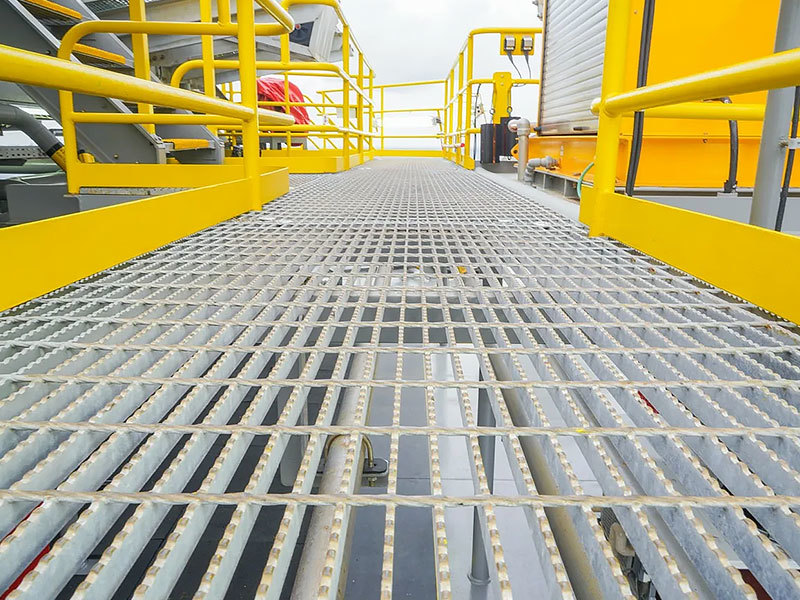
View Products
Wire Mesh Series
View Products
Wire Mesh Fence
View Products
Barbed Wire Series
View Products
Gabion Basket Series
View Products
Steel Pipe Series
View Products
Steel Sheet Series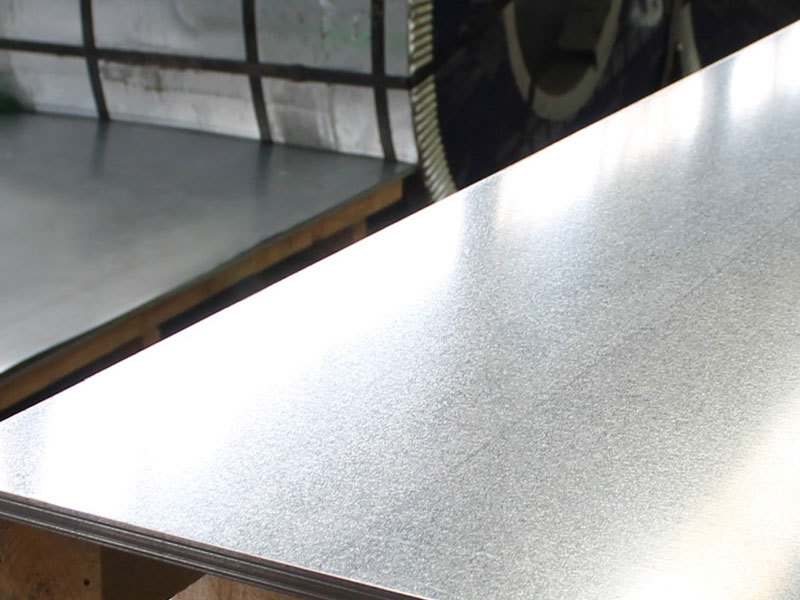
View Products
Steel Coil Series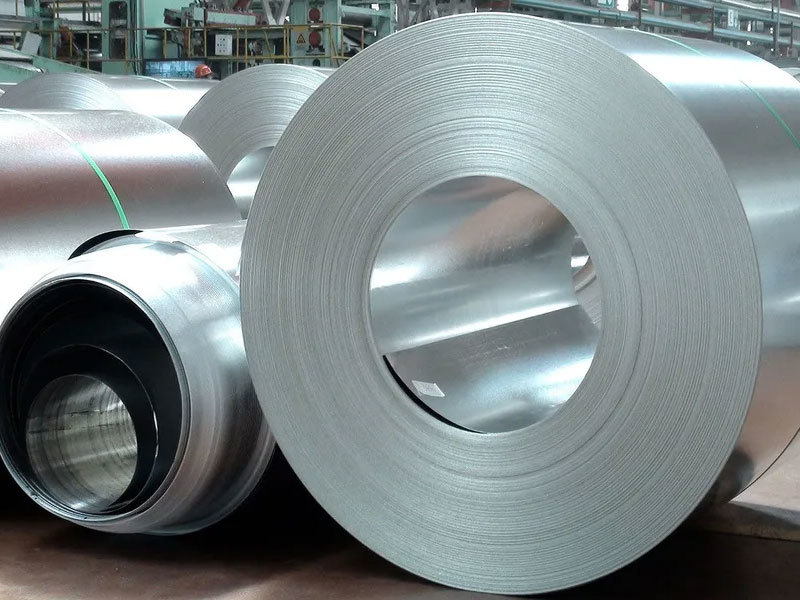
View Products
-
-
-
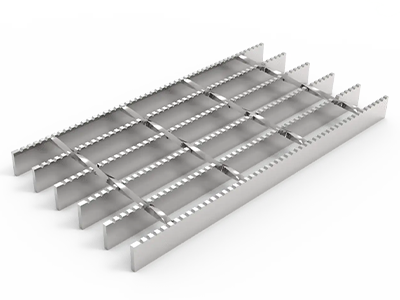



Exploring Different Finishes for Stainless Steel Grating: A Comprehensive Guide
Jun 21,2026
Exploring Different Finishes for Stainless Steel Grating: A Comprehensive Guide
Table of Contents
1. Introduction to Stainless Steel Grating
2. Understanding Stainless Steel Finishes
3. Common Finishes for Stainless Steel Grating
3.1 Mill Finish
3.2 Brushed Finish
3.3 Polished Finish
3.4 Galvanized Finish
3.5 Powder

Exploring Different Finishes for Stainless Steel Grating: A Comprehensive Guide
Table of Contents
- 1. Introduction to Stainless Steel Grating
- 2. Understanding Stainless Steel Finishes
- 3. Common Finishes for Stainless Steel Grating
- 3.1 Mill Finish
- 3.2 Brushed Finish
- 3.3 Polished Finish
- 3.4 Galvanized Finish
- 3.5 Powder Coated Finish
- 4. Applications of Different Finishes
- 5. Factors to Consider When Choosing a Finish
- 6. Maintenance and Care of Stainless Steel Grating
- 7. Conclusion
- 8. Frequently Asked Questions
1. Introduction to Stainless Steel Grating
Stainless steel grating is an essential component in various industries, providing both structural support and aesthetic appeal. It is widely used in flooring, walkways, and drainage systems due to its strength, durability, and resistance to corrosion. However, the finish of stainless steel grating plays a vital role in its functionality and visual impact. This article will explore the different finishes available for stainless steel grating, their advantages, and how to choose the right one for your specific needs.
2. Understanding Stainless Steel Finishes
The finish of stainless steel refers to the texture and appearance of its surface. Different finishes can enhance the material's performance, corrosion resistance, and aesthetic appeal. In this section, we will discuss various types of finishes, providing insights into their characteristics and applications.
3. Common Finishes for Stainless Steel Grating
Different finishes offer unique benefits and aesthetics. Below, we delve into the most common finishes for stainless steel grating, each with its specific applications and advantages.
3.1 Mill Finish
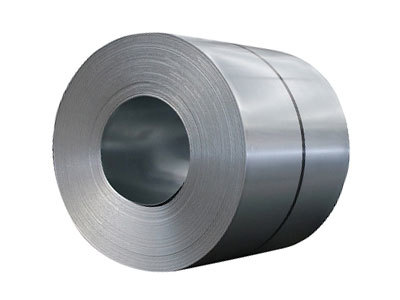
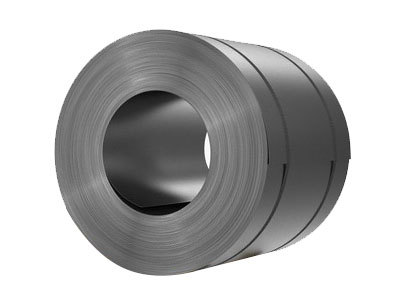
Mill finish is the most basic finish for stainless steel and is often unpolished. It appears grainy and dull, with visible lines from the manufacturing process. While it may not be the most attractive option, mill finish provides excellent corrosion resistance and is typically the most affordable. This finish is suitable for industrial applications where appearance is not a crucial factor.
3.2 Brushed Finish
Brushed finish involves the application of a mechanical process to create a textured surface. This finish is achieved by brushing the surface with a fine abrasive material, resulting in a satin-like appearance with fine lines. Brushed finish stainless steel grating is popular for architectural and decorative applications due to its aesthetic appeal. It also offers good corrosion resistance and is relatively easy to maintain.
3.3 Polished Finish
Polished finish stainless steel grating undergoes a rigorous polishing process, resulting in a mirror-like surface. This finish is highly reflective and visually striking, making it an excellent choice for high-end applications. However, polished finishes can show fingerprints and smudges more easily, requiring regular cleaning. This finish is often used in decorative settings, railings, and countertops where aesthetics are paramount.
3.4 Galvanized Finish
Galvanized finish involves coating the stainless steel with a layer of zinc to enhance corrosion resistance. This finish is particularly beneficial in outdoor applications where exposure to moisture and harsh elements is common. Galvanized stainless steel grating is robust and long-lasting, making it ideal for industrial settings, walkways, and outdoor platforms.
3.5 Powder Coated Finish
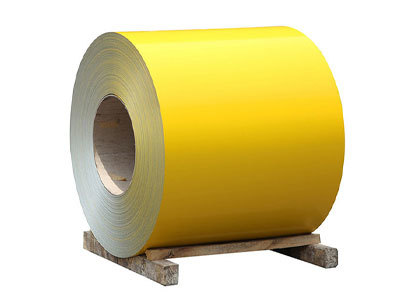
Powder coating provides a durable and colorful finish to stainless steel grating. In this process, a dry powder is applied electrostatically and cured under heat to create a hard, protective layer. Powder-coated stainless steel grating is available in a wide range of colors, allowing for customization to match specific design requirements. This finish offers excellent corrosion resistance and is suitable for both indoor and outdoor applications.
4. Applications of Different Finishes
The choice of finish can significantly impact the application of stainless steel grating. Below, we discuss various applications for each type of finish, highlighting their strengths and suitability for different environments.
4.1 Industrial Applications
In industrial settings, durability is often the primary concern. Mill finish and galvanized finishes are frequently employed due to their resilience against corrosion and mechanical damage. They can withstand harsh environments, making them ideal for factories, warehouses, and manufacturing facilities.
4.2 Architectural Applications
For architectural projects, aesthetics play a critical role. Brushed and polished finishes are favored for their visual appeal and ability to enhance the overall design of a space. These finishes are commonly used in high-rise buildings, restaurants, and public spaces, where both functionality and style are essential.
4.3 Outdoor Applications
Outdoor environments present unique challenges due to weather exposure. Galvanized and powder-coated finishes are often preferred for outdoor stainless steel grating. These finishes offer superior corrosion resistance, ensuring longevity even in challenging conditions.
5. Factors to Consider When Choosing a Finish
Selecting the right finish for stainless steel grating involves careful consideration of several factors. Here, we outline the key aspects to evaluate before making a decision.
5.1 Purpose of Use
The intended use of the grating will largely determine the appropriate finish. For example, industrial applications may prioritize durability, while architectural projects may focus on aesthetics.
5.2 Environmental Conditions
Consider the environmental conditions where the grating will be installed. For outdoor uses, finishes that offer enhanced corrosion resistance, such as galvanized or powder-coated, may be necessary.
5.3 Maintenance Requirements
Some finishes require more maintenance than others. Polished finishes, while visually stunning, may need more frequent cleaning to maintain their appearance. Evaluate how much time and resources you can dedicate to maintenance when selecting a finish.
5.4 Budget Considerations
Finally, consider your budget. While some finishes may offer superior performance or aesthetics, they might also come with a higher price tag. Balance your desire for quality with your financial constraints.
6. Maintenance and Care of Stainless Steel Grating
Proper maintenance is crucial to prolonging the lifespan of stainless steel grating. Below are general guidelines for maintaining stainless steel finishes:
6.1 Regular Cleaning
Regular cleaning helps prevent corrosion and maintains the visual appeal of the grating. Use a mild detergent and soft cloth to clean the surface. Avoid abrasive cleaners that can scratch the finish.
6.2 Inspection for Damage
Regularly inspect the grating for signs of wear or damage. Addressing issues promptly can prevent further deterioration and extend the life of the material.
6.3 Correcting Rust
If rust appears, it can often be removed by scrubbing with a non-abrasive pad. For deeper rust, consider using a specialized stainless steel cleaner.
7. Conclusion
The finish of stainless steel grating plays a vital role in its functionality and visual appeal. Understanding the various finishes available—mill, brushed, polished, galvanized, and powder-coated—enables you to make informed decisions for your projects. By considering the intended application, environmental conditions, maintenance requirements, and budget, you can select the ideal finish that meets your needs. Regardless of your choice, proper maintenance will ensure the longevity and performance of your stainless steel grating.
8. Frequently Asked Questions
8.1 What is the difference between brushed and polished finishes?
Brushed finishes have a textured surface with fine lines, while polished finishes offer a mirror-like, reflective surface. Brushed finishes are generally easier to maintain, as they hide fingerprints and smudges better than polished surfaces.
8.2 Can I use stainless steel grating outdoors?
Yes, stainless steel grating can be used outdoors, especially finishes like galvanized and powder-coated that offer enhanced corrosion resistance.
8.3 How do I maintain stainless steel grating?
Regular cleaning with a mild detergent and soft cloth is essential. Additionally, inspect the grating periodically for wear and address any rust promptly.
8.4 Is polished stainless steel more expensive than brushed stainless steel?
Typically, polished stainless steel is more expensive due to the additional processing required to achieve its reflective surface.
8.5 What are the benefits of powder-coated finishes?
Powder-coated finishes offer excellent corrosion resistance, are available in various colors, and provide a durable surface that can withstand scratching and chipping.
By understanding the nuances of stainless steel grating finishes, you can enhance your projects with the right materials tailored to your specific requirements.
TAG:
PREVIOUS:
Contact Us
Phone/WhatsApp
Address
B1213 Global Centre, No.226 Zhonghua North Street, Shijiazhuang, China


WhatsApp / Wechat
TEL / FAX
Address
B1213 Global Centre, No.226 Zhonghua North Street, Shijiazhuang, China