

-
Grating Series
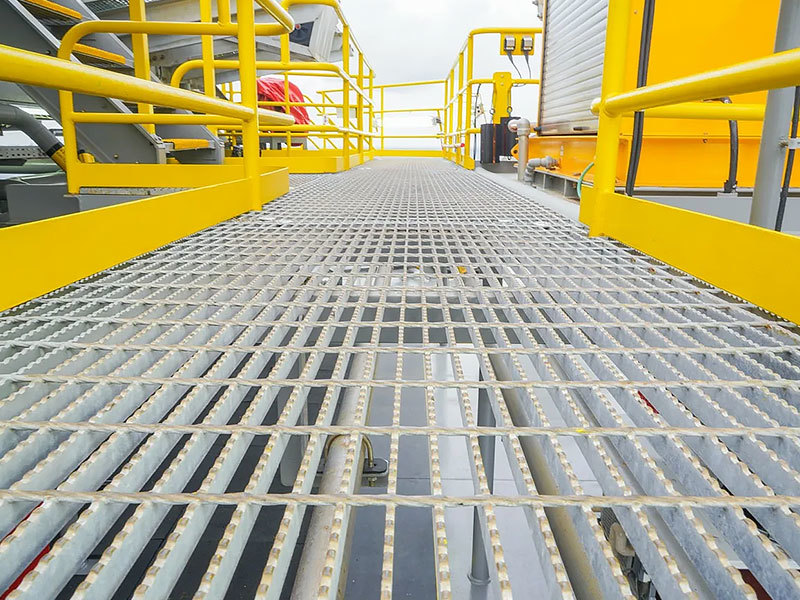
View Products
Wire Mesh Series
View Products
Wire Mesh Fence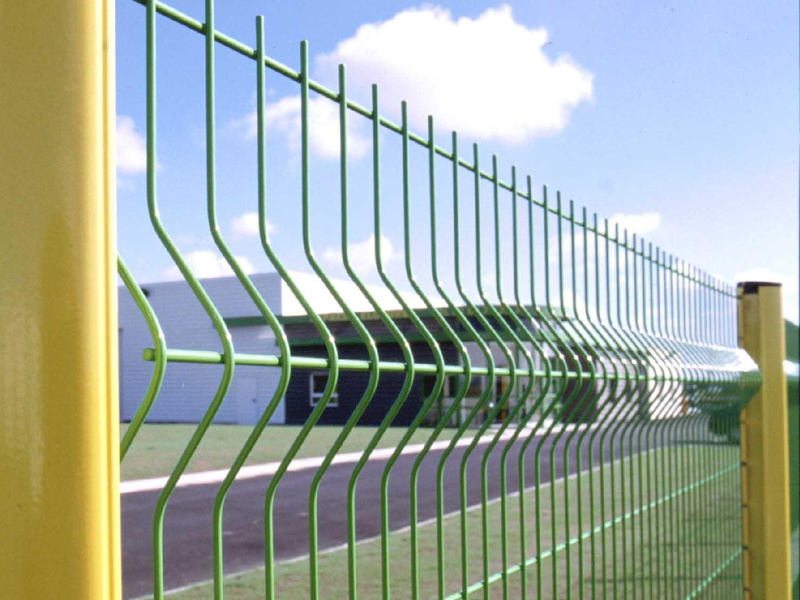
View Products
Barbed Wire Series
View Products
Gabion Basket Series
View Products
Steel Pipe Series
View Products
Steel Sheet Series
View Products
Steel Coil Series
View Products
-
-
-










Understanding the Load Ratings of Steel Grating for Safety: A Comprehensive Guide
Jun 08,2026
Understanding the Load Ratings of Steel Grating for Safety
Steel grating is a critical component in various construction and industrial applications, serving as a supportive surface for walkways, platforms, and drainage systems. Given its widespread usage, understanding the load ratings of steel grating is essential for ensuring safety and compliance with industry standards. In this article, we delve into the intricacies of steel grating load ratings, exploring their significance, calculation methods, factors influencing load capacity, and practical applications.
Table of Contents
- What is Steel Grating?
- The Importance of Load Ratings in Steel Grating
- Understanding Load Ratings: Definitions and Classifications
- Factors Affecting Load Capacity of Steel Grating
- Types of Steel Grating and Their Load Ratings
- Calculating Load Ratings for Steel Grating
- Application Case Studies: Real-World Usage of Steel Grating
- Safety Standards and Regulations for Steel Grating
- Frequently Asked Questions
What is Steel Grating?
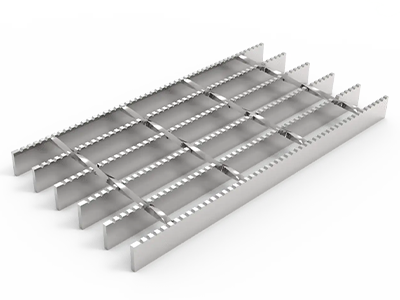
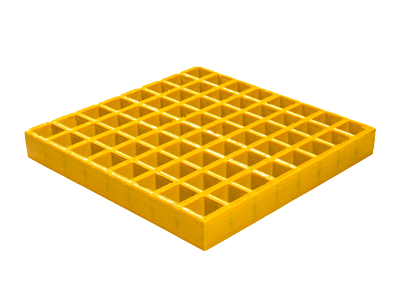
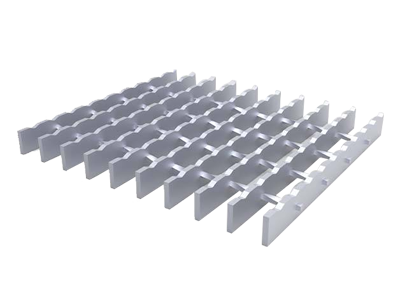
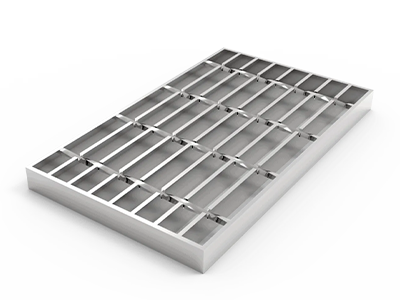
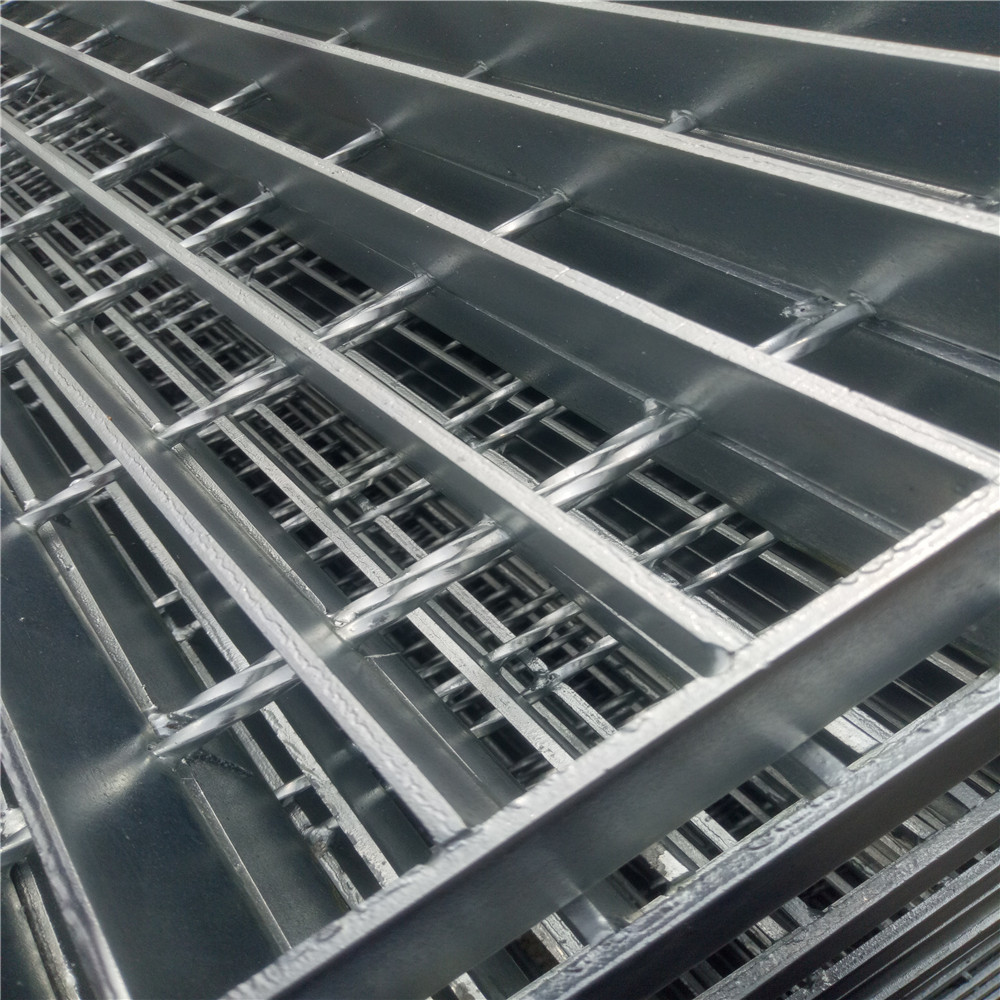
Steel grating is a durable flooring material made from welded or swaged bars. It is designed to provide a rigid surface while allowing for drainage, ventilation, and visibility. Steel grating is available in various styles and sizes, making it adaptable for a wide range of applications, including pedestrian walkways, industrial flooring, and safety barriers. Its robust construction offers excellent load-bearing capabilities, making it a preferred choice in many industries.
The Importance of Load Ratings in Steel Grating
Load ratings are crucial for understanding how much weight a steel grating system can support without compromising safety. Whether used in construction, manufacturing, or public spaces, knowing the load capacity helps engineers and architects design safe and efficient structures. Load ratings inform decision-making related to material selection, installation practices, and safety compliance, ultimately protecting both workers and the public.
Understanding Load Ratings: Definitions and Classifications
Load ratings are defined as the maximum load that a steel grating can safely support. They are typically expressed in terms of uniform load (weight distributed evenly across the surface) and concentrated load (weight applied at specific points). There are several classifications of load ratings, including:
Uniform Load Rating
This rating indicates the maximum evenly distributed load the grating can handle without exhibiting unacceptable deflection or failure.
Concentrated Load Rating
This measures the capacity of the grating to withstand a load applied at a specific point, typically for applications where heavy machinery or equipment is placed on the grating.
Dynamic Load Rating
This rating accounts for moving loads, such as vehicles or personnel, which may exert additional stress on the structure. It is crucial for grating used in high-traffic areas.
Factors Affecting Load Capacity of Steel Grating
Several factors can influence the load capacity of steel grating, including:
Material Quality
The grade and quality of steel used in manufacturing the grating affect its strength and durability. Higher-quality materials generally have better load ratings.
Grating Design
The configuration of the grating, including bar spacing, depth, and overall dimensions, plays a significant role in determining load capacity. For instance, deeper bars provide greater strength.
Support Conditions
The way grating is supported can impact its load rating. Grating that is well-supported at multiple points will typically have a higher load capacity compared to poorly supported configurations.
Environmental Factors
Corrosive environments or exposure to chemicals can weaken steel over time, potentially lowering load ratings. Proper coatings and treatments can mitigate these effects.
Types of Steel Grating and Their Load Ratings
There are various types of steel grating, each with unique characteristics and load ratings:
Welded Steel Grating
Welded steel grating is created by welding intersecting bars together, providing strength and stability. It typically offers excellent load ratings due to its rigid structure and is commonly used in industrial applications.
Swaged Steel Grating
Swaged steel grating features a design where the load-bearing bars are swaged into the crossbars, creating a lightweight yet strong product. It can support substantial loads while allowing for more open spaces.
Heavy-Duty Grating
Heavy-duty grating is engineered for applications requiring high load capacities, such as in heavy industrial and vehicular traffic scenarios. It is thicker and more robust than standard grating options.
Calculating Load Ratings for Steel Grating
Calculating the load ratings for steel grating involves several steps:
- Determine Material Properties: Identify the material specifications, including yield strength and tensile strength.
- Evaluate Grating Design: Analyze the spacing, dimensions, and type of grating being used.
- Apply Load Conditions: Consider both uniform and concentrated loads to assess the grating's performance under different scenarios.
- Utilize Load Rating Tables: Reference manufacturer specifications to obtain load ratings based on your design parameters.
It's essential to ensure that calculations comply with relevant engineering standards and safety regulations.
Application Case Studies: Real-World Usage of Steel Grating
Real-world applications showcase the versatility and effectiveness of steel grating in various contexts:
Industrial Platforms
In manufacturing facilities, steel grating is often used for platforms that support heavy machinery. Ensuring the correct load rating prevents accidents and equipment damage.
Walkways in Public Areas
Steel grating is prevalent in public walkways and pedestrian bridges, where safety and load capacity are paramount. Proper load ratings help accommodate foot traffic and environmental factors.
Drainage Systems
Many drainage systems utilize steel grating to cover channels while allowing water flow. Load ratings are critical to ensure that the grating can support vehicles without failing.
Safety Standards and Regulations for Steel Grating
Compliance with safety standards is vital when working with steel grating. Standards set by organizations like the American National Standards Institute (ANSI) and the Occupational Safety and Health Administration (OSHA) provide guidelines for load ratings and safety measures. Adhering to these standards ensures that steel grating installations are safe and effective.
Frequently Asked Questions
What is the maximum load capacity of steel grating?
The maximum load capacity varies by type and design but can typically range from several hundred to several thousand pounds, depending on material specifications and support conditions.
How do I choose the right type of steel grating for my project?
Consider factors like load requirements, environmental conditions, and installation type. Consulting with a professional can help determine the best option.
Can steel grating be used in corrosive environments?
Yes, but it’s essential to select grating that has appropriate coatings or treatments to prevent corrosion and ensure longevity.
How often should steel grating be inspected for safety?
Regular inspections are recommended, ideally at least once a year or more frequently in high-traffic or industrial settings.
What should I do if my steel grating shows signs of wear or damage?
Damaged grating should be repaired or replaced immediately to prevent safety hazards. Regular maintenance is crucial for ensuring ongoing safety.
Conclusion
Understanding the load ratings of steel grating is fundamental for ensuring safety and compliance in various applications. By considering factors such as material quality, design, and environmental conditions, professionals can select the appropriate grating type and ensure that it meets necessary load requirements. This comprehensive knowledge not only enhances safety but also contributes to the overall efficiency of construction and industrial operations. With proper understanding and adherence to standards, we can ensure that steel grating continues to serve as a reliable and effective solution in our built environment.
Contact Us
Phone/WhatsApp
Address
B1213 Global Centre, No.226 Zhonghua North Street, Shijiazhuang, China


WhatsApp / Wechat
TEL / FAX
Address
B1213 Global Centre, No.226 Zhonghua North Street, Shijiazhuang, China