

-
Grating Series
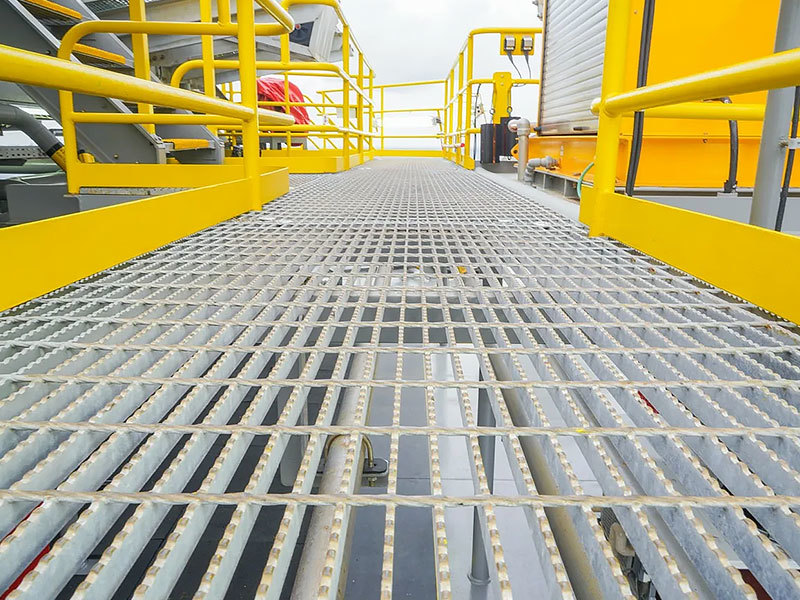
View Products
Wire Mesh Series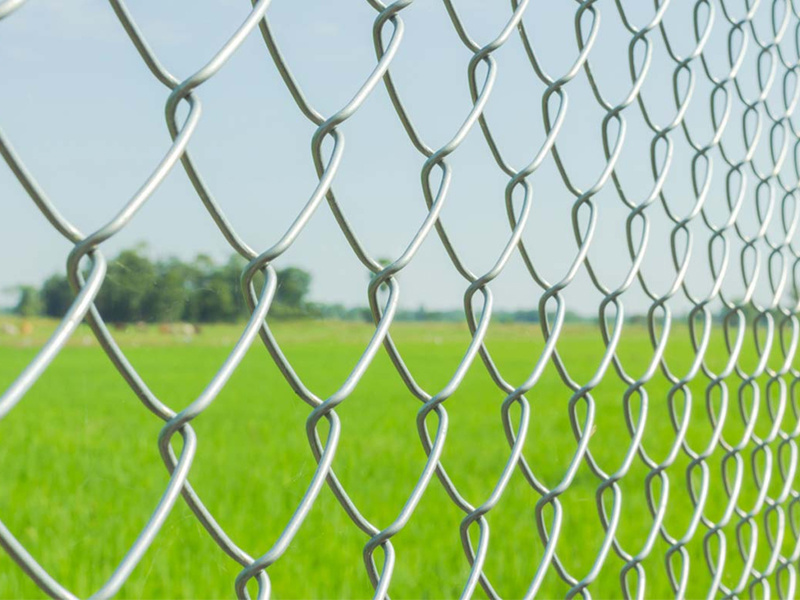
View Products
Wire Mesh Fence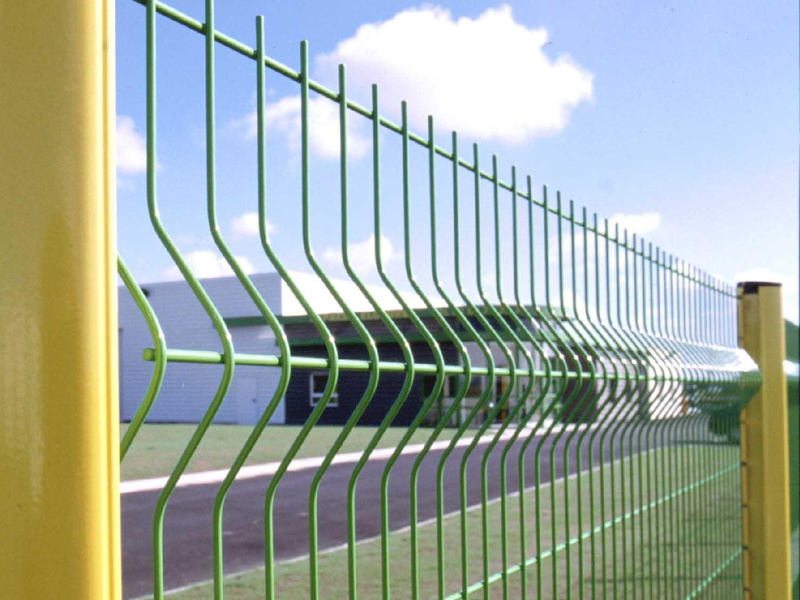
View Products
Barbed Wire Series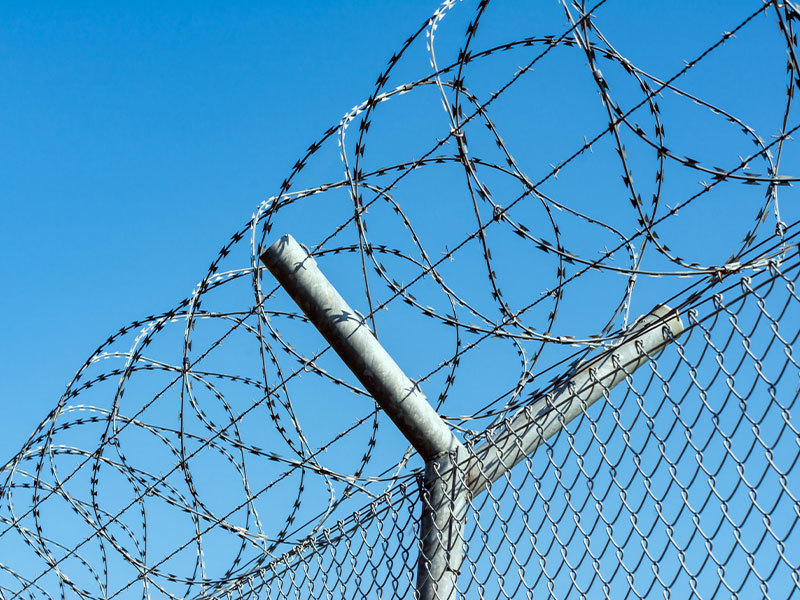
View Products
Gabion Basket Series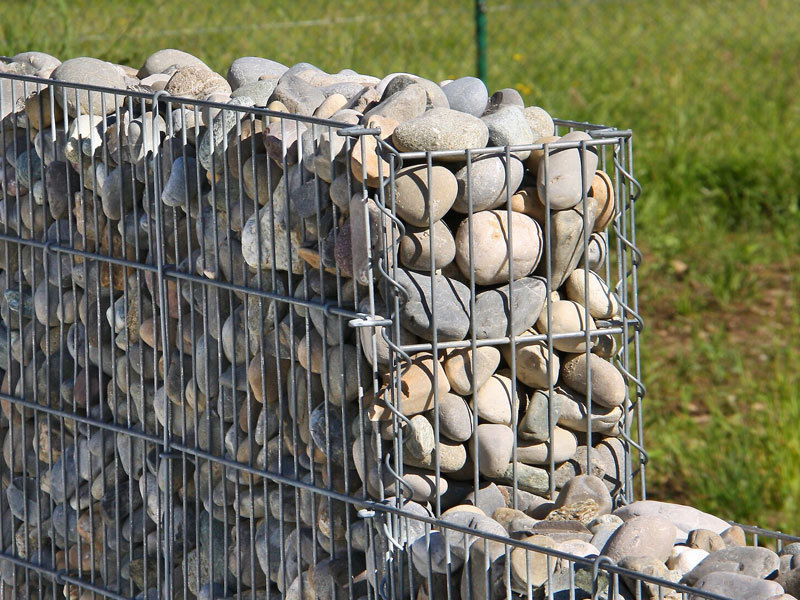
View Products
Steel Pipe Series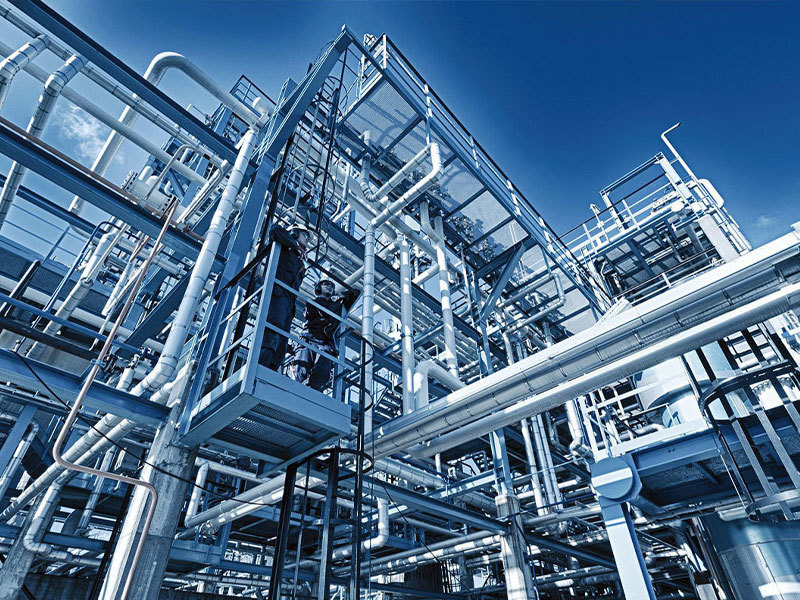
View Products
Steel Sheet Series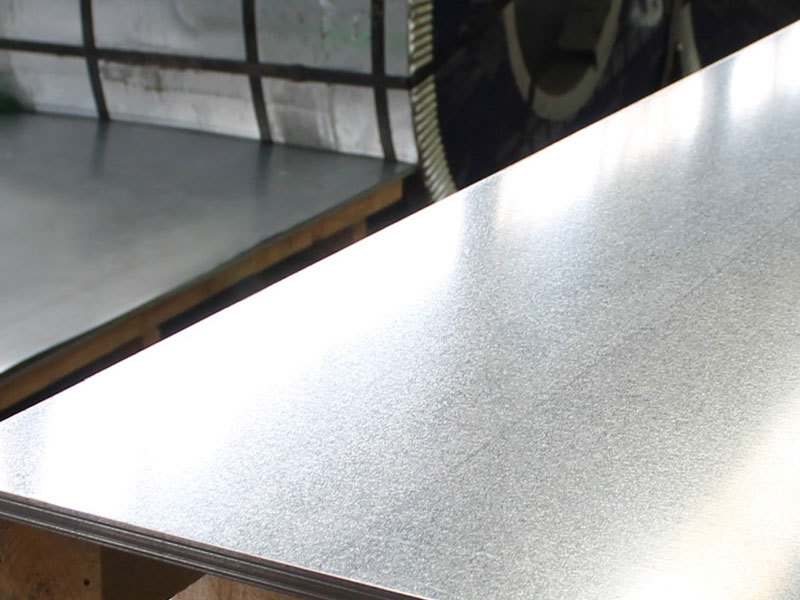
View Products
Steel Coil Series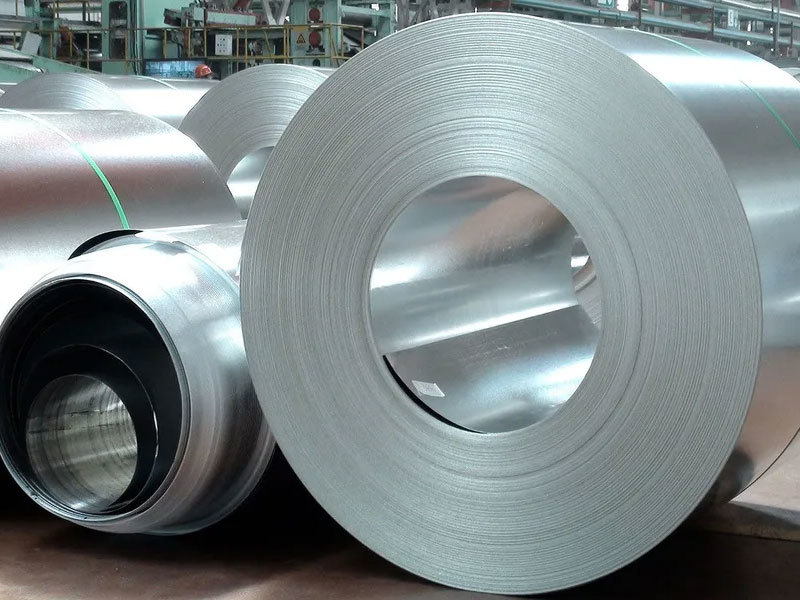
View Products
-
-
-



Steel Grating: A Practical Solution for Efficient Drainage and Ventilation
May 23,2026
Steel Grating: A Practical Solution for Efficient Drainage and Ventilation
Table of Contents
1. Introduction to Steel Grating
2. What is Steel Grating?
3. Benefits of Using Steel Grating for Drainage and Ventilation
4. Applications of Steel Grating in Various Industries
5. Installation Process of Steel Grating
6. Maintenance Tips for Long-lasting Steel Grating
7. Cost
Steel Grating: A Practical Solution for Efficient Drainage and Ventilation
Table of Contents
- 1. Introduction to Steel Grating
- 2. What is Steel Grating?
- 3. Benefits of Using Steel Grating for Drainage and Ventilation
- 4. Applications of Steel Grating in Various Industries
- 5. Installation Process of Steel Grating
- 6. Maintenance Tips for Long-lasting Steel Grating
- 7. Cost Considerations for Steel Grating
- 8. Conclusion
- 9. Frequently Asked Questions
1. Introduction to Steel Grating
Steel grating has emerged as a vital component in modern construction and infrastructure projects. As a material known for its strength and durability, steel grating serves a multitude of purposes, particularly in facilitating effective drainage and ventilation systems. This article aims to provide a thorough exploration of steel grating, highlighting its benefits, applications, installation methods, maintenance tips, and cost considerations.
2. What is Steel Grating?
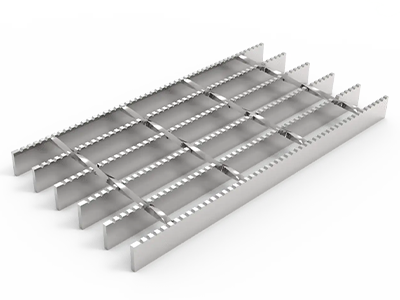
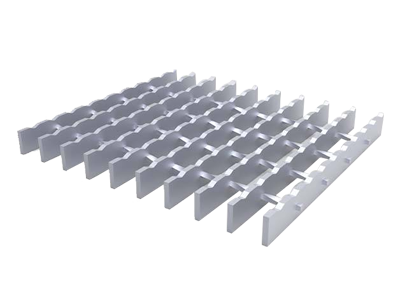
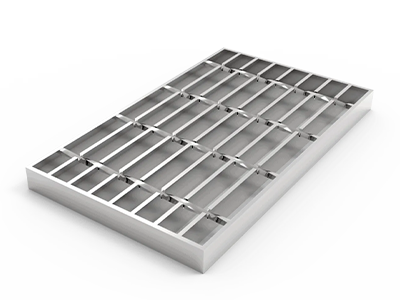
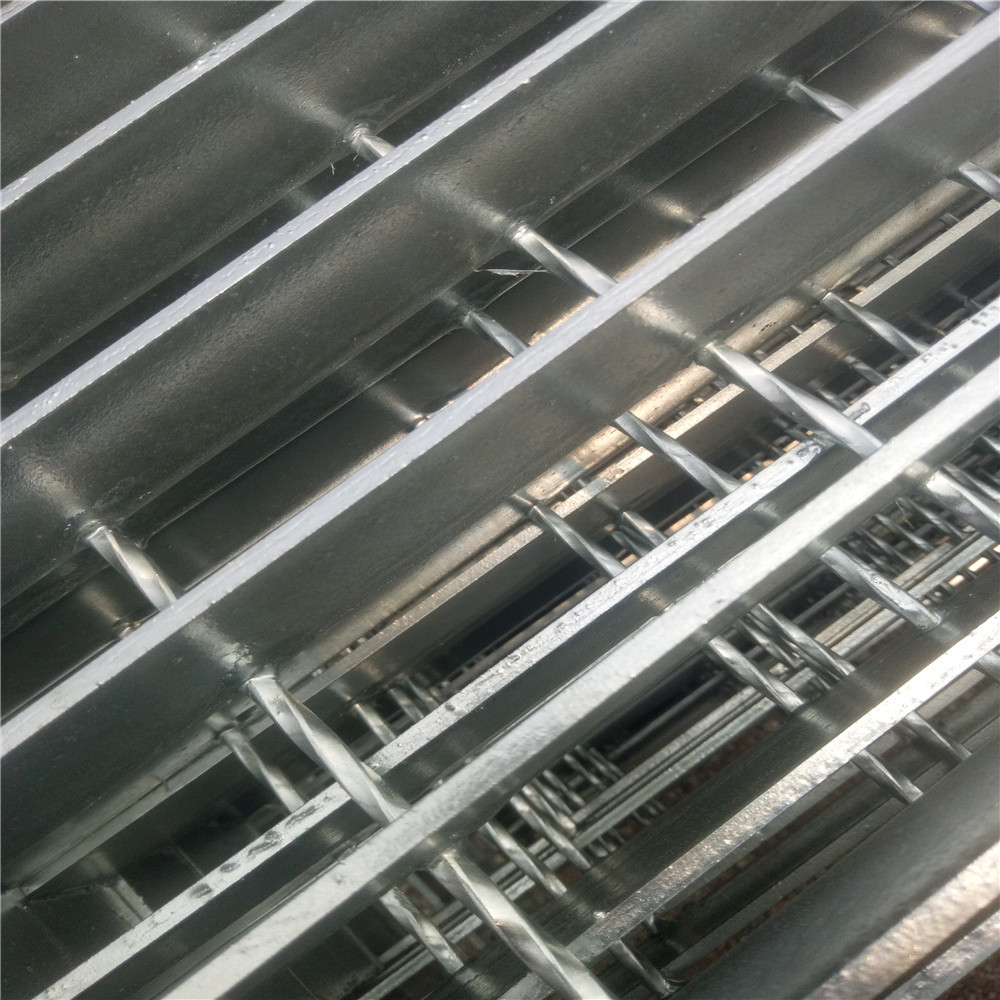
Steel grating is a form of metal flooring or structural element that consists of a series of parallel bars, typically made from carbon steel, stainless steel, or aluminum. The bars are welded or mechanically locked together to form a grid-like pattern. This design allows for significant weight-bearing capabilities while ensuring that air and water can pass through freely.
There are several types of steel grating available, including:
- **Heavy-duty grating**: Designed for high-load applications, heavy-duty grating is often used in industrial environments.
- **Light-duty grating**: Suitable for pedestrian traffic, light-duty grating is commonly utilized in walkways and platforms.
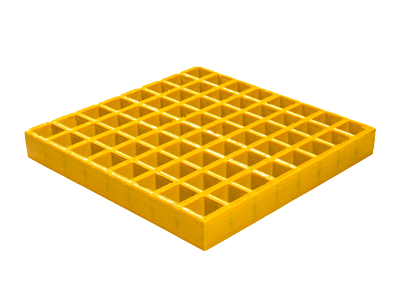
- **Fiberglass grating**: Though not steel, fiberglass grating is sometimes used in conjunction with steel grating for corrosion-resistant applications.
3. Benefits of Using Steel Grating for Drainage and Ventilation
The advantages of steel grating extend far beyond its structural capabilities. Some notable benefits include:
3.1 Excellent Drainage
Steel grating’s open design allows for quick drainage of water and other liquids, reducing the risk of flooding in various settings. This is particularly crucial in commercial and industrial areas where water accumulation can pose safety hazards.
3.2 Enhanced Airflow
The spacing between the bars in steel grating promotes airflow, making it an ideal solution for ventilation systems. This feature is especially beneficial in environments where proper air circulation is essential for maintaining air quality.
3.3 Durability and Longevity
Steel grating is known for its strength and resilience, capable of withstanding heavy loads and extreme weather conditions. When properly maintained, steel grating can last for decades, making it a cost-effective investment.
3.4 Safety Features
The slip-resistant surface of steel grating provides an additional layer of safety for pedestrians and workers, decreasing the likelihood of slips and falls in wet or oily conditions.
3.5 Versatility
Steel grating can be customized to fit various applications, from walkways and platforms to drainage systems and industrial flooring. This versatility allows for easy integration into numerous projects.
4. Applications of Steel Grating in Various Industries
Steel grating plays a crucial role in several industries, including:
4.1 Construction and Architecture
In construction, steel grating is frequently used for walkways, platforms, and staircases. Its strength and slip-resistant properties make it a safe choice for high-traffic areas.
4.2 Water Treatment Facilities
Steel grating is commonly employed in water treatment plants for its excellent drainage capabilities. It helps manage water flow while ensuring safety for personnel working in the facility.
4.3 Industrial Manufacturing
In industrial settings, steel grating is utilized for flooring and access platforms, allowing for safe movement around machinery and equipment.
4.4 Oil and Gas Industry
The oil and gas sector frequently uses steel grating for its ability to withstand harsh conditions and heavy loads, making it suitable for platforms and walkways in drilling sites.
4.5 Food Processing and Pharmaceutical Industries
Steel grating is also found in food processing and pharmaceutical facilities due to its ease of cleaning and resistance to corrosion and chemicals.
5. Installation Process of Steel Grating
Proper installation is key to ensuring the effectiveness and longevity of steel grating. The installation process generally involves the following steps:
5.1 Site Preparation
Before installation, the site must be cleared of debris and leveled to ensure a stable foundation.
5.2 Measurement and Cutting
Accurate measurements are essential. Steel grating may need to be cut to fit specific dimensions using appropriate equipment.
5.3 Securing the Grating
The grating panels should be securely fastened to the supporting structure using bolts or clamps. Ensuring that the grating is level and appropriately spaced is crucial for optimal performance.
5.4 Final Inspection
After installation, a thorough inspection should be conducted to ensure that the grating is stable and meets safety standards.
6. Maintenance Tips for Long-lasting Steel Grating
To maximize the lifespan of steel grating, regular maintenance is necessary. Here are some essential maintenance tips:
6.1 Regular Cleaning
Debris, dirt, and chemicals can accumulate on steel grating surfaces. Regular cleaning with a pressure washer or scrub brush helps maintain its appearance and functionality.
6.2 Inspect for Damage
Routine inspections should be conducted to identify any signs of wear or damage. Prompt repairs or replacements can prevent more extensive issues.
6.3 Re-coating for Corrosion Resistance
In corrosive environments, consider applying a protective coating to prevent rust and extend the life of the steel grating.
6.4 Check Fasteners
Regularly inspect and tighten any fasteners to ensure that the grating remains securely attached to its supports.
7. Cost Considerations for Steel Grating
When investing in steel grating, several factors influence the overall cost:
7.1 Material Type
The type of steel used (carbon, stainless, or aluminum) significantly affects the price. Stainless steel grating tends to be more expensive due to its corrosion resistance.
7.2 Customization
Customized grating that requires specific dimensions, patterns, or coatings will incur additional costs.
7.3 Installation Expenses
Consider the costs associated with professional installation versus DIY options. While hiring professionals may be more expensive upfront, it could save costs in the long run by ensuring proper installation.
7.4 Maintenance Costs
Budget for regular maintenance, which can include cleaning, inspections, and potential repairs or replacements.
8. Conclusion
In summation, steel grating represents a practical and efficient solution for drainage and ventilation across various industries. Its numerous benefits, including exceptional drainage capabilities, durability, safety features, and versatility, make it an invaluable asset in construction and infrastructure projects. By understanding the installation process and maintenance requirements, along with considering the associated costs, industry professionals and property owners can make informed decisions that enhance the longevity and functionality of their drainage and ventilation systems.
9. Frequently Asked Questions
1. What is the weight capacity of steel grating?
Steel grating weight capacity varies depending on its design and material. Heavy-duty grating can support significantly higher loads than light-duty grating.
2. Can steel grating be used outdoors?
Yes, steel grating is suitable for outdoor applications, provided it is treated or coated to resist corrosion.
3. How do I clean steel grating?
Steel grating can be cleaned using a pressure washer or scrub brush and mild cleaning solutions. Regular cleaning prevents buildup that can impact functionality.
4. Is steel grating environmentally friendly?
Steel grating is recyclable, making it a more environmentally friendly option compared to other materials that may not be recyclable.
5. How long does steel grating last?
With proper maintenance, steel grating can last for decades, making it a long-term solution for drainage and ventilation needs.
TAG:
Contact Us
Phone/WhatsApp
Address
B1213 Global Centre, No.226 Zhonghua North Street, Shijiazhuang, China


WhatsApp / Wechat
TEL / FAX
Address
B1213 Global Centre, No.226 Zhonghua North Street, Shijiazhuang, China