

-
Grating Series
View Products
Wire Mesh Series
View Products
Wire Mesh Fence
View Products
Barbed Wire Series
View Products
Gabion Basket Series
View Products
Steel Pipe Series
View Products
Steel Sheet Series
View Products
Steel Coil Series
View Products
-
-
-

Comparing Chequered Sheets to Other Steel Materials: A Comprehensive Analysis
May 21,2026
Comparing Chequered Sheets to Other Steel Materials: A Comprehensive Analysis
Table of Contents
1. Introduction to Steel Materials
2. Understanding Chequered Sheets
3. Properties of Chequered Sheets
4. Applications of Chequered Sheets
5. Comparing Chequered Sheets with Other Steel Materials
6. Advantages and Disadvantages of Chequered Sheets
7. Common Alternatives

Comparing Chequered Sheets to Other Steel Materials: A Comprehensive Analysis
Table of Contents
- 1. Introduction to Steel Materials
- 2. Understanding Chequered Sheets
- 3. Properties of Chequered Sheets
- 4. Applications of Chequered Sheets
- 5. Comparing Chequered Sheets with Other Steel Materials
- 6. Advantages and Disadvantages of Chequered Sheets
- 7. Common Alternatives to Chequered Sheets
- 8. Conclusion
- 9. Frequently Asked Questions
1. Introduction to Steel Materials
Steel plays a pivotal role in construction and design, serving as a foundation for various applications. Among the diverse types of steel, **chequered sheets** stand out due to their unique features. Understanding the properties and applications of chequered sheets compared to other steel materials helps in making informed choices suited to specific projects.
2. Understanding Chequered Sheets
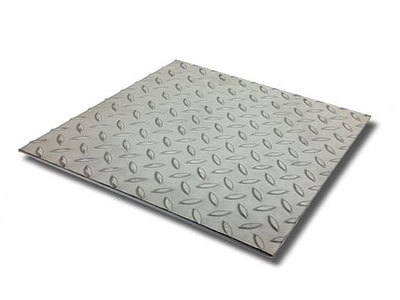
Chequered sheets, also known as diamond plates, are characterized by their raised patterns on one side, providing a textured surface. These sheets are typically made from **mild steel**, **stainless steel**, or **aluminum**, and they are primarily used in environments where slip resistance is crucial. Their distinctive appearance is not only functional but also adds to aesthetic appeal in various applications.
2.1 Manufacturing Process of Chequered Sheets
Chequered sheets are produced through several methods, including hot-rolling and cold-rolling processes. The manufacturing technique impacts the sheet's thickness, strength, and durability. Typically, the process begins with uniformly heating the steel before passing it through rollers that imprint the chequered pattern.
2.2 Varieties of Chequered Sheets
While most commonly produced in mild steel, chequered sheets can also be manufactured using other materials. **Stainless steel chequered sheets** are highly corrosion-resistant, making them suitable for use in marine environments. **Aluminum chequered sheets** are lightweight and offer excellent resistance to oxidation, making them perfect for applications where weight is a concern.
3. Properties of Chequered Sheets
Chequered sheets possess several key properties that make them desirable for various applications:
- Slip Resistance: The raised pattern enhances grip, minimizing the risk of slips and falls.
- Durability: Chequered sheets are robust and can withstand heavy loads, making them ideal for flooring and industrial applications.
- Corrosion Resistance: Stainless steel options resist rust and corrosion, extending the lifespan of products.
- Aesthetic Appeal: The unique pattern offers a modern look, suitable for decorative uses.
4. Applications of Chequered Sheets
Chequered sheets find use in a multitude of applications:
- Flooring: Commonly used in factories, warehouses, and ramps where slip resistance is necessary.
- Truck Beds: The robust nature of the sheets makes them suitable for truck beds, enhancing loading and unloading procedures.
- Staircases: Installation in staircases provides safety and enhances grip.
- Wall Panels: Chequered sheets can be used as wall panels in commercial buildings, adding a stylish touch.
5. Comparing Chequered Sheets with Other Steel Materials
When evaluating chequered sheets against other types of steel materials, several factors come into play:
5.1 Chequered Sheets vs. Plain Steel Sheets
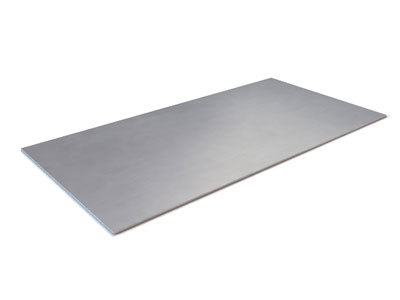
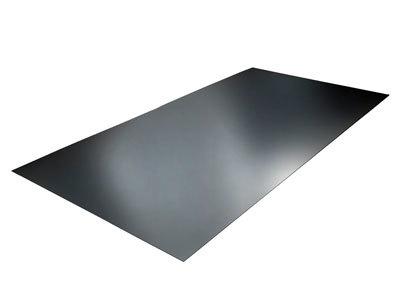
Plain steel sheets are flat and often used in construction and automotive industries. Unlike chequered sheets, they lack the slip-resistant texture, making them less suitable for flooring or areas where grip is crucial. Chequered sheets offer additional safety features and aesthetics.
5.2 Chequered Sheets vs. Galvanized Steel
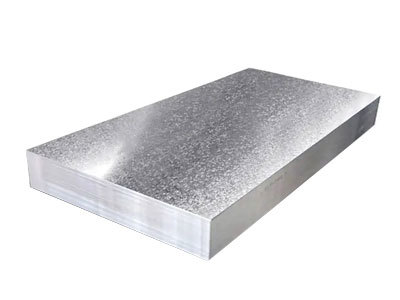
Galvanized steel sheets are coated with zinc to prevent rust. Although they are corrosion-resistant, they do not offer the same level of slip resistance as chequered sheets. Galvanized sheets are more suitable for outdoor applications where exposure to moisture is high.
5.3 Chequered Sheets vs. Stainless Steel Sheets
Stainless steel sheets are known for their corrosion resistance and strength. While they do not provide the same slip-resistant texture as chequered sheets, they are preferable in applications requiring hygiene, such as food processing industries.
6. Advantages and Disadvantages of Chequered Sheets
Understanding the pros and cons of chequered sheets can aid in decision-making.
6.1 Advantages of Chequered Sheets
- Enhanced Safety: The slip-resistant surface significantly reduces the risk of accidents.
- Versatile Applications: Suitable for various industries, from construction to automotive.
- Visual Appeal: The patterned surface adds an aesthetic value that is often desired in design projects.
6.2 Disadvantages of Chequered Sheets
- Cost: Chequered sheets can be more expensive than plain steel sheets.
- Weight: Depending on the thickness and material, they can be heavier than alternatives, which may affect handling and installation.
- Cleaning: The textured surface can be harder to clean compared to smooth sheets.
7. Common Alternatives to Chequered Sheets
In addition to plain and galvanized steel, other alternatives to chequered sheets include:
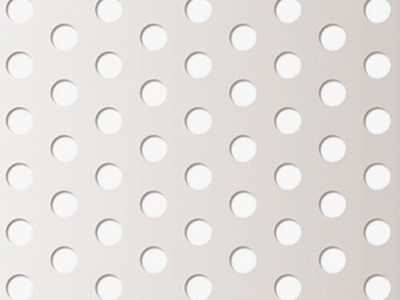
- Perforated Sheets: Offer lightness while maintaining strength, commonly used in architectural applications.
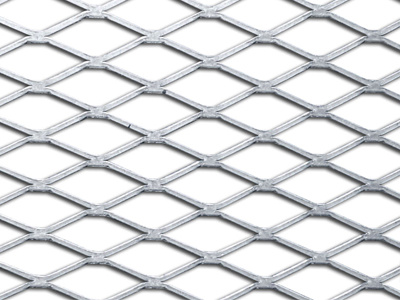
- Expanded Metal: Provides a unique look and is lightweight, suitable for fencing and security applications.
- Non-Slip Vinyl Flooring: Ideal for indoor applications, providing safety and comfort.
8. Conclusion
In summary, chequered sheets are a unique steel material that provides a blend of safety, durability, and aesthetic appeal. When compared to other steel materials, they stand out particularly in applications requiring slip resistance and strength. While they may not be the cheapest option available, their benefits often outweigh the costs in the right contexts. By understanding their properties and applications, one can make informed decisions that cater to specific needs in the construction and decorative materials sector.
9. Frequently Asked Questions
9.1 What are chequered sheets used for?
Chequered sheets are commonly used for flooring, truck beds, staircases, and wall panels due to their slip-resistant properties.
9.2 Are chequered sheets more expensive than plain steel sheets?
Yes, chequered sheets tend to be more expensive than plain steel sheets due to their manufacturing process and added safety features.
9.3 Can chequered sheets be used outdoors?
Yes, stainless steel chequered sheets, in particular, are suitable for outdoor applications as they are resistant to corrosion and rust.
9.4 How should chequered sheets be cleaned?
Chequered sheets can be cleaned using a mixture of mild soap and water, followed by thorough rinsing to maintain their appearance.
9.5 What is the weight difference between chequered sheets and plain steel sheets?
The weight difference can vary based on thickness and material, but chequered sheets are generally heavier due to the raised pattern.
By weighing the advantages and disadvantages of chequered sheets against other steel materials, one can make informed choices that fit specific project needs in the architectural and decorative materials sector.
TAG:
Contact Us
Phone/WhatsApp
Address
B1213 Global Centre, No.226 Zhonghua North Street, Shijiazhuang, China


WhatsApp / Wechat
TEL / FAX
Address
B1213 Global Centre, No.226 Zhonghua North Street, Shijiazhuang, China