

-
Grating Series
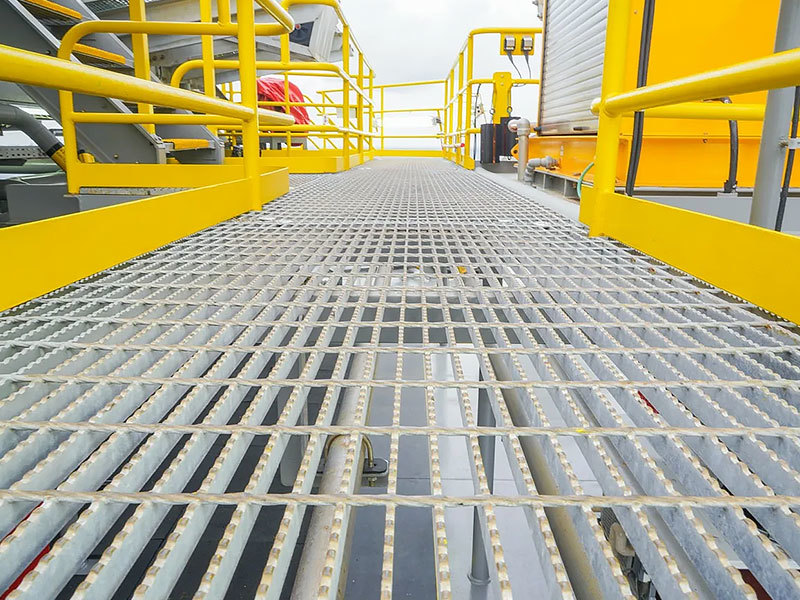
View Products
Wire Mesh Series
View Products
Wire Mesh Fence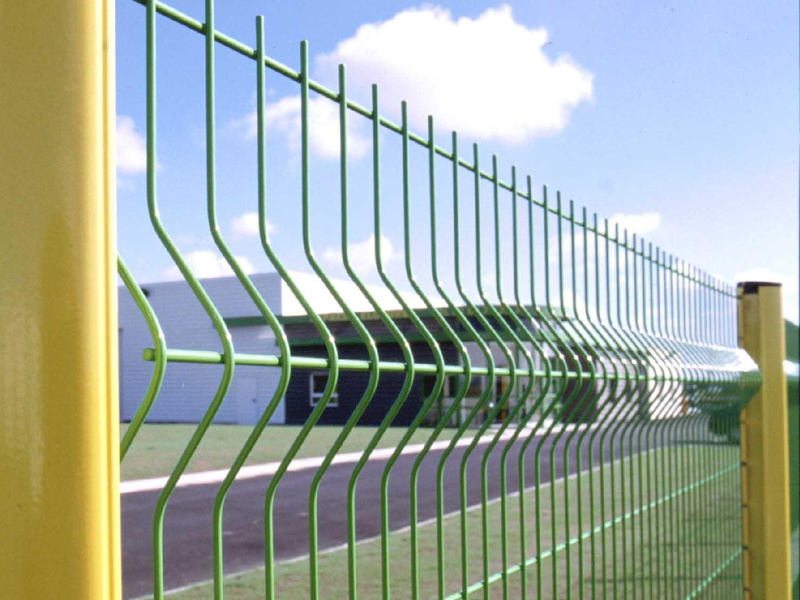
View Products
Barbed Wire Series
View Products
Gabion Basket Series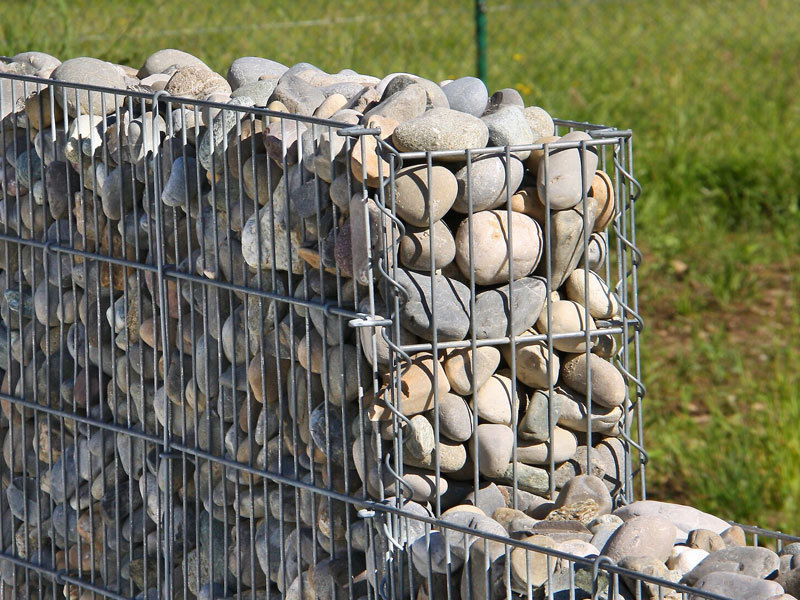
View Products
Steel Pipe Series
View Products
Steel Sheet Series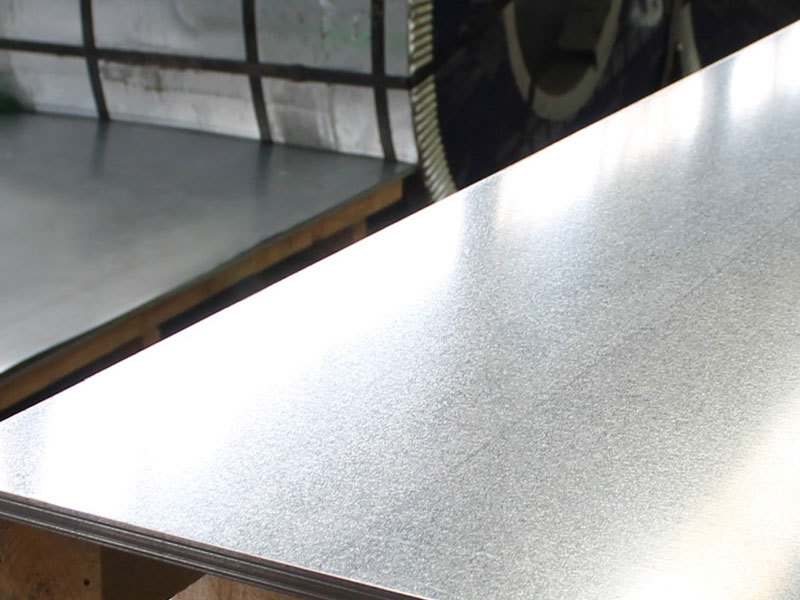
View Products
Steel Coil Series
View Products
-
-
-
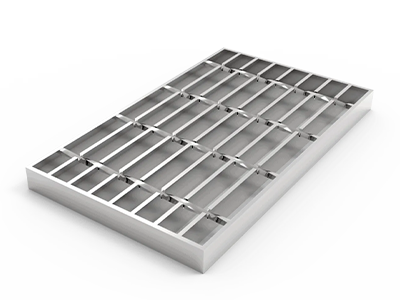

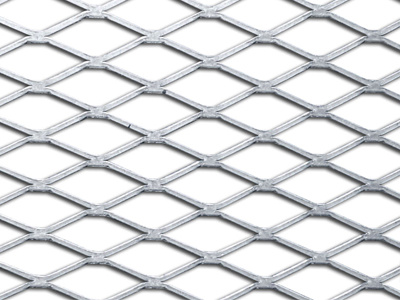
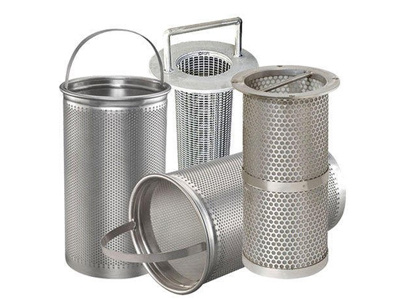
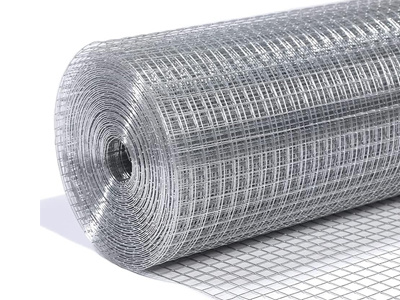


Stainless Steel Grating in Urban Landscapes: A Design Perspective
May 17,2026
Stainless Steel Grating in Urban Landscapes: A Design Perspective
Table of Contents
1. Introduction to Stainless Steel Grating in Urban Design
2. The Aesthetic Appeal of Stainless Steel Grating
3. Exploring the Functional Benefits of Stainless Steel Grating
4. Environmental Impact and Sustainability of Stainless Steel Grating
5. Key Design Considerations When Implementing Stainless Steel Grating
5

Stainless Steel Grating in Urban Landscapes: A Design Perspective
Table of Contents
1. Introduction to Stainless Steel Grating in Urban Design
2. The Aesthetic Appeal of Stainless Steel Grating
3. Exploring the Functional Benefits of Stainless Steel Grating
4. Environmental Impact and Sustainability of Stainless Steel Grating
5. Key Design Considerations When Implementing Stainless Steel Grating
5.1. Durability and Maintenance
5.2. Safety and Slip Resistance
5.3. Integration with Other Materials
6. Applications of Stainless Steel Grating in Urban Landscapes
6.1. Walkways and Pathways
6.2. Drainage Systems
6.3. Decorative Elements
7. Case Studies: Successful Integrations of Stainless Steel Grating
8. Frequently Asked Questions (FAQs)
9. Conclusion
1. Introduction to Stainless Steel Grating in Urban Design
Stainless steel grating has become an essential component in modern urban landscape design. Its blend of aesthetic qualities and functional capabilities makes it a popular choice for architects and designers. The **versatility** of stainless steel grating allows it to be utilized in various applications, enhancing public spaces while providing essential services such as drainage and structural support.
The integration of stainless steel grating into urban landscapes not only elevates the design but also contributes to the overall sustainability of the environment. As cities continue to evolve, the need for durable, low-maintenance materials becomes more critical. This article explores the many facets of stainless steel grating, offering insights into its advantages and design considerations.
2. The Aesthetic Appeal of Stainless Steel Grating
One of the most compelling aspects of stainless steel grating is its **aesthetic appeal**. The sleek, modern look of stainless steel can complement various architectural styles, from contemporary urban environments to classic structures. Designers often choose stainless steel grating for its ability to reflect light and enhance natural surroundings, creating an engaging visual experience.
When strategically placed, stainless steel grating can serve as a focal point in landscape design. Its finish can be polished, brushed, or painted to match specific themes, allowing for creative expression in public spaces. Moreover, the **industrial charm** of stainless steel resonates well in urban settings, bridging the gap between nature and technology.
3. Exploring the Functional Benefits of Stainless Steel Grating
Beyond its visual appeal, stainless steel grating offers numerous functional benefits that make it an ideal choice for urban landscapes.
**Strength and Load-Bearing Capacity:** Stainless steel grating is renowned for its exceptional strength, allowing it to support heavy loads without sacrificing structural integrity. This load-bearing capacity makes it suitable for high-traffic areas such as walkways, public squares, and transportation hubs.
**Ventilation and Drainage:** The open design of stainless steel grating facilitates air circulation and allows for efficient water drainage. This feature is particularly advantageous in urban landscapes, where proper drainage prevents water accumulation and reduces the risk of flooding.
**Safety Features:** Stainless steel grating can be designed with slip-resistant surfaces, enhancing safety for pedestrians. The ability to customize the grating's surface texture makes it a practical solution for areas prone to wet conditions.
4. Environmental Impact and Sustainability of Stainless Steel Grating
In an era where sustainability is paramount, stainless steel grating stands out as an eco-friendly option. It is composed of **recyclable materials**, making it a responsible choice for environmentally conscious projects. Additionally, stainless steel's longevity means that it requires less frequent replacement compared to other materials, reducing waste over time.
The use of stainless steel grating can also contribute to **green building certifications**. Its durability, low maintenance requirements, and energy-efficient characteristics align with the principles of sustainable design, making it an attractive choice for urban planners and architects alike.
5. Key Design Considerations When Implementing Stainless Steel Grating
When integrating stainless steel grating into urban landscapes, several design considerations must be taken into account:
5.1. Durability and Maintenance
Selecting high-quality stainless steel grating ensures durability and longevity. Minimal maintenance is required for stainless steel, often only needing periodic cleaning to maintain its appearance and functionality.
5.2. Safety and Slip Resistance
Incorporating slip-resistant designs is crucial, especially in public areas where foot traffic is high. Designers should consider the grating’s surface texture to enhance safety during wet conditions.
5.3. Integration with Other Materials
Stainless steel grating can be effectively combined with other materials like wood, concrete, or natural stone. This integration allows for a harmonious design that respects the surrounding environment while maximizing functionality.
6. Applications of Stainless Steel Grating in Urban Landscapes
Stainless steel grating finds a multitude of applications within urban landscapes, each serving specific needs:
6.1. Walkways and Pathways
Stainless steel grating is an excellent choice for walkways and pathways, providing a safe, durable surface for pedestrians while allowing for natural drainage.
6.2. Drainage Systems
One of the most practical applications of stainless steel grating is in drainage systems. Its open design facilitates the efficient movement of water, preventing standing water and reducing the risk of flooding in urban areas.
6.3. Decorative Elements
Stainless steel grating can also be utilized as a decorative element in landscape design, such as in park benches, fencing, and artistic installations. This adaptability allows for creative expression while maintaining functionality.
7. Case Studies: Successful Integrations of Stainless Steel Grating
Several urban projects have successfully integrated stainless steel grating, showcasing its versatility and effectiveness:
- **The High Line, New York City:** This elevated park features stainless steel grating that not only enhances the aesthetic appeal but also serves practical purposes in drainage and structural support.
- **Millennium Park, Chicago:** In this iconic urban space, stainless steel grating is used in walkways and art installations, seamlessly blending functionality with art.
- **London’s Thames Path:** The use of stainless steel grating along this scenic pathway promotes safety and drainage while contributing to the area's modern design.
8. Frequently Asked Questions (FAQs)
1. What is stainless steel grating?
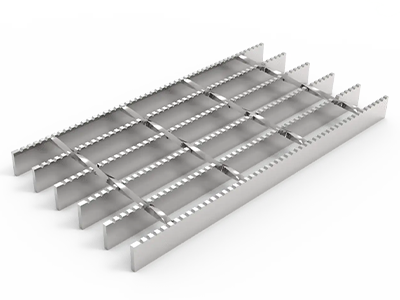
Stainless steel grating is a type of flooring or walkway material made from stainless steel, featuring an open design that allows for air and water to pass through.
2. What are the advantages of using stainless steel grating in urban design?
The advantages include durability, low maintenance, aesthetic appeal, safety features, and environmental sustainability.
3. Is stainless steel grating suitable for outdoor use?
Yes, stainless steel grating is highly suitable for outdoor applications due to its resistance to corrosion and weathering.
4. How does stainless steel grating contribute to drainage systems?
Its open design facilitates quick water drainage, preventing ponding and flooding in urban environments.
5. Can stainless steel grating be customized for specific designs?
Absolutely! Stainless steel grating can be customized in terms of size, shape, and surface texture to meet specific design requirements.
9. Conclusion
Incorporating stainless steel grating into urban landscapes offers a multitude of benefits ranging from aesthetic appeal to functional versatility. As urban areas continue to evolve, the need for durable, sustainable materials becomes increasingly vital. Stainless steel grating not only enhances the visual and practical aspects of public spaces but also aligns with contemporary demands for eco-friendly design solutions. As we look to the future of urban landscaping, stainless steel grating stands out as an exemplary choice that meets the challenges of modern urban design while contributing positively to the environment.
TAG:
PREVIOUS:
Contact Us
Phone/WhatsApp
Address
B1213 Global Centre, No.226 Zhonghua North Street, Shijiazhuang, China


WhatsApp / Wechat
TEL / FAX
Address
B1213 Global Centre, No.226 Zhonghua North Street, Shijiazhuang, China