

-
Grating Series
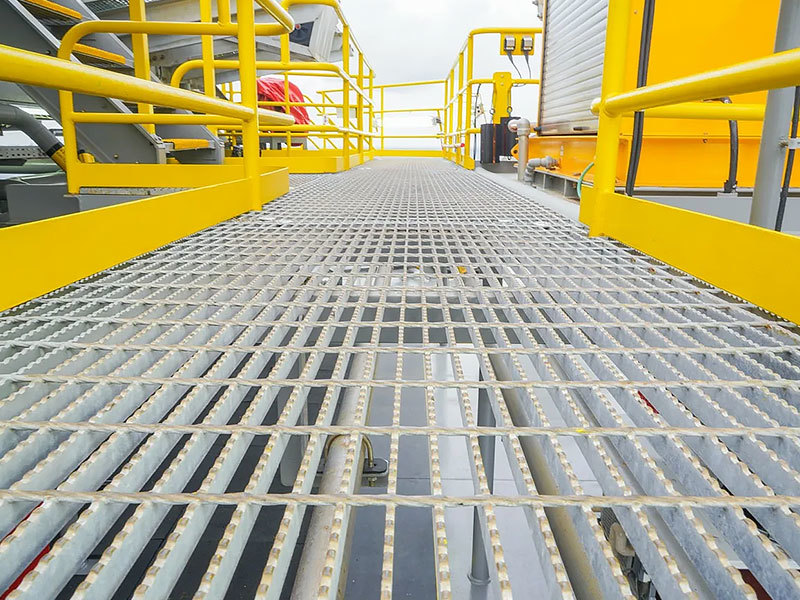
View Products
Wire Mesh Series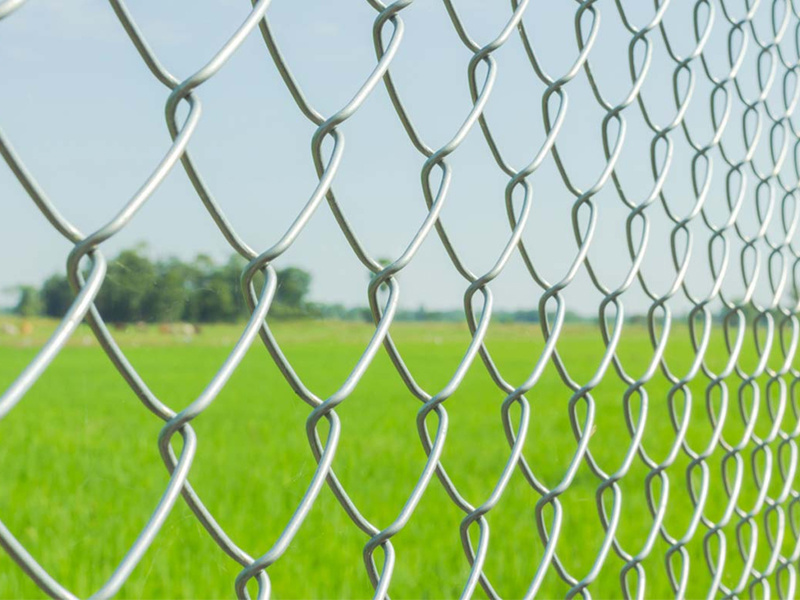
View Products
Wire Mesh Fence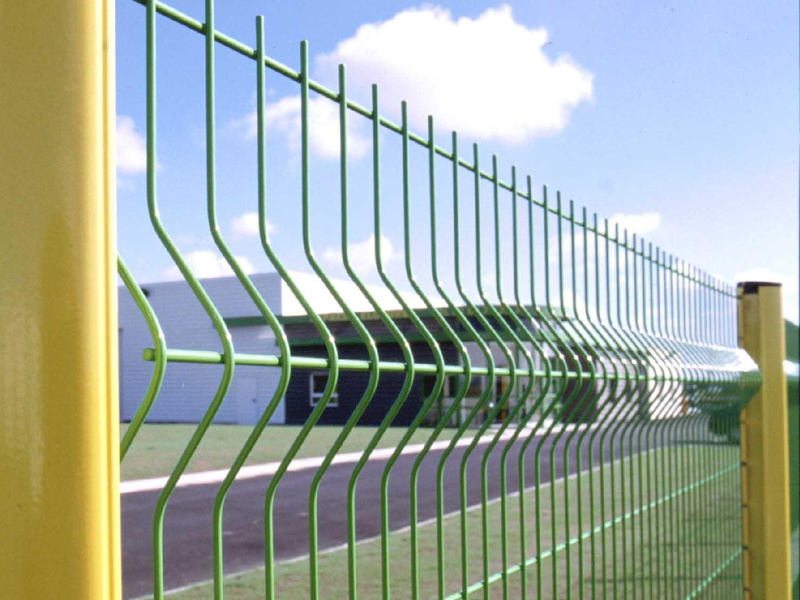
View Products
Barbed Wire Series
View Products
Gabion Basket Series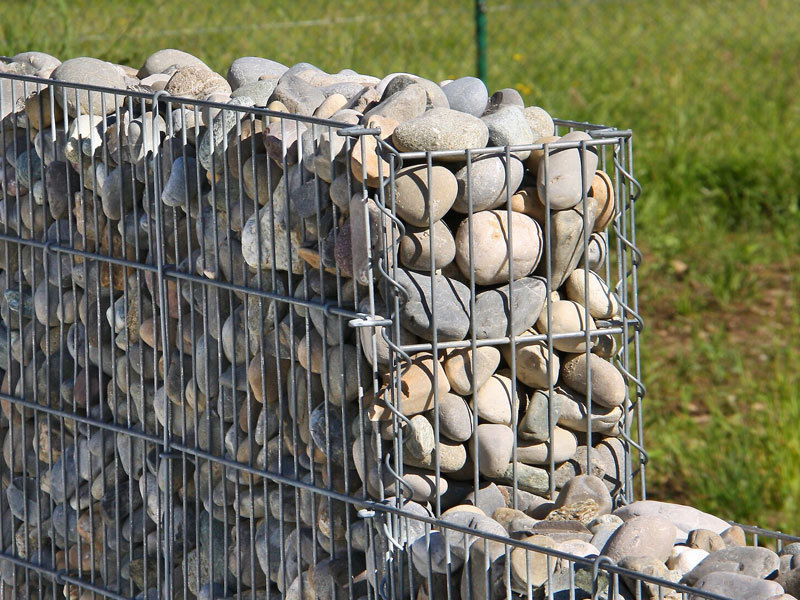
View Products
Steel Pipe Series
View Products
Steel Sheet Series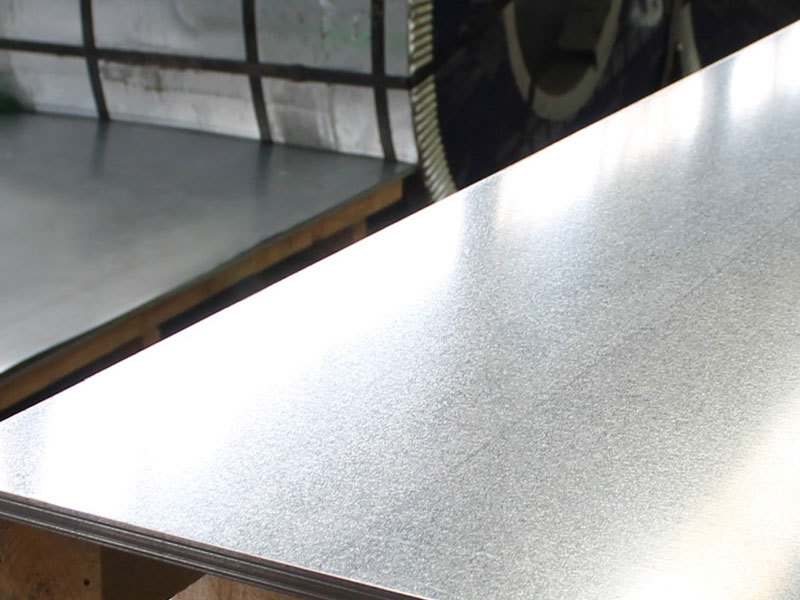
View Products
Steel Coil Series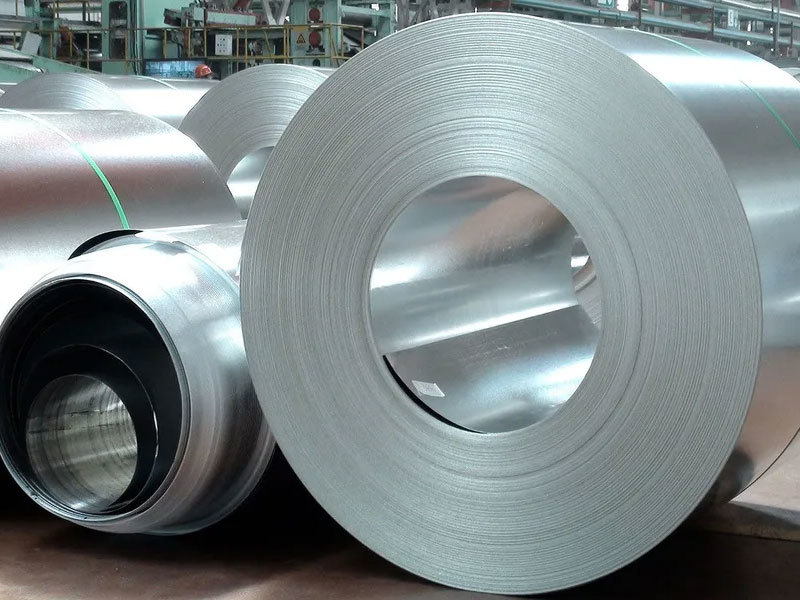
View Products
-
-
-
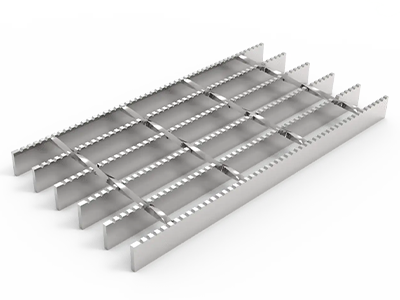
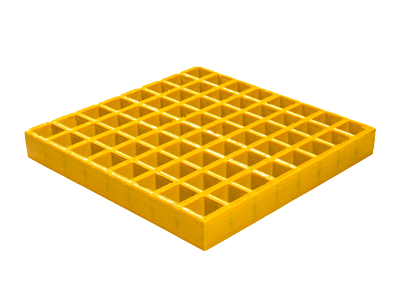



Innovative Design Ideas Using Steel Grating in Architecture
May 15,2026
Innovative Design Ideas Using Steel Grating in Architecture
In recent years, the architectural landscape has witnessed a profound transformation, embracing innovative materials that not only enhance aesthetic appeal but also offer practical benefits. One such material that has gained significant traction in contemporary architecture is steel grating. This versatile element serves a multitude of purposes, from structural support to decorative features. In this article, we delve into the inspiring design ideas that utilize steel grating, showcasing its potential to revolutionize both residential and commercial spaces.
The Versatility of Steel Grating in Modern Architecture
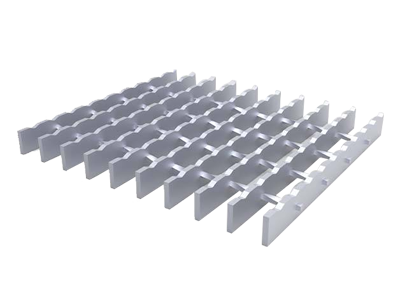
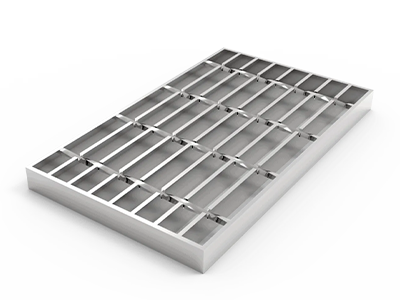
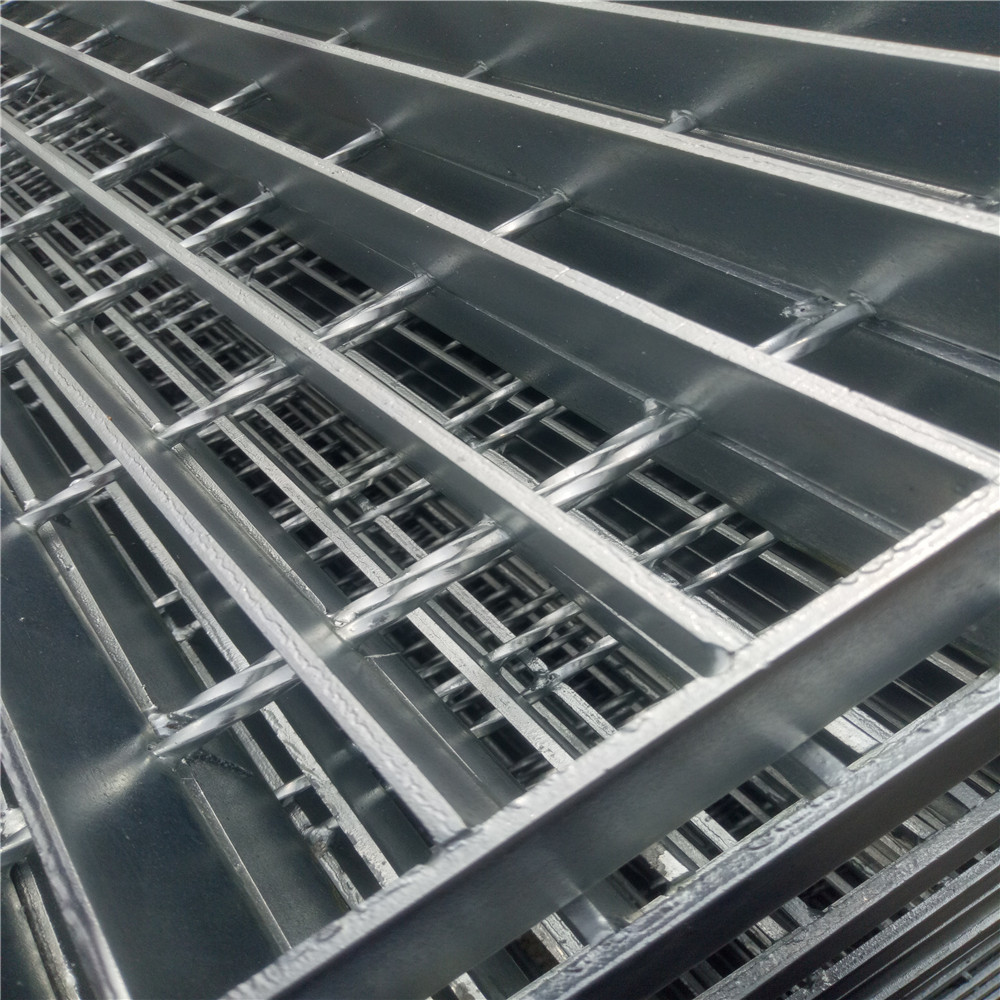
Steel grating is an open-grid framework made from steel, commonly used in flooring, walkways, and staircases. Its design allows for optimal drainage while ensuring safety and durability. The adaptability of steel grating extends beyond its functional applications; it also serves as a unique design element that can elevate architectural projects. Whether utilized in industrial settings or chic urban environments, steel grating provides a contemporary edge that resonates with modern design philosophies.
1. Steel Grating as a Structural Element
One of the primary functions of steel grating is its use as a critical structural component. It can support heavy loads while allowing for light and air to pass through, making it ideal for various architectural applications. Here are some innovative examples:
1.1 Elevated Walkways and Bridges
In urban settings, elevated walkways made of steel grating not only provide safe passage over bustling streets but also create visually striking connections between buildings. These structures can be designed with intricate patterns, transforming an ordinary pathway into a focal point of the architecture.
1.2 Rooftop Gardens and Terraces
Rooftop gardens have become increasingly popular as urban spaces seek to incorporate green areas. Steel grating can be used to create a lightweight, open framework that allows for the growth of plants while maintaining structural integrity. This approach not only enhances the aesthetic appeal but also contributes to environmental sustainability.
2. Decorative Applications of Steel Grating
Beyond its functional benefits, steel grating can be a striking design element that adds character to architectural projects. Here are creative ways to incorporate decorative steel grating:
2.1 Facade Treatments
Steel grating can be utilized as an exterior facade treatment, offering a modern and industrial look. By layering different types of grating or varying their orientation, architects can create dynamic surfaces that play with light and shadow, enhancing the building’s visual impact.
2.2 Interior Partitions
Within interiors, steel grating serves as an artistic partition that defines spaces without sacrificing openness. Its transparency allows natural light to flow between rooms while providing a sense of privacy. This is especially effective in commercial environments, such as offices and retail spaces.
3. Enhancing Safety and Functionality
Steel grating is well-known for its safety features, making it a preferred choice in many architectural designs. Here are some key aspects:
3.1 Non-Slip Surfaces
The design of steel grating often includes features that enhance grip, making it an excellent option for walkways, staircases, and outdoor areas. This non-slip surface is crucial for ensuring safety in both residential and commercial applications.
3.2 Efficient Drainage Solutions
Another advantage of steel grating is its ability to facilitate drainage. When used in outdoor applications, such as drainage channels or flooring around pools, steel grating prevents water accumulation, reducing the risk of slips and falls. This functionality is especially valuable in regions with heavy rainfall.
4. Combining Steel Grating with Other Materials
One of the most exciting aspects of architectural design is the ability to combine materials for innovative outcomes. Steel grating pairs exceptionally well with various other materials:
4.1 Wood and Steel Combinations
Incorporating wooden elements with steel grating can create a warm, inviting aesthetic. This combination works beautifully in outdoor furniture, where the industrial look of steel can be softened by the natural beauty of wood. It's a perfect blend for patios, gardens, and decks.
4.2 Glass and Steel Integration
Integrating glass with steel grating allows architects to play with transparency and light. Glass can be used as a backdrop, accentuating the open nature of steel grating. This marriage of materials is ideal for modern offices, lobbies, and creative spaces where visibility and openness are desired.
5. Sustainability and Steel Grating
In today’s world, sustainability is a key consideration in architecture. The use of steel grating aligns with eco-friendly practices:
5.1 Recyclability of Steel
Steel is a highly recyclable material. When structures made with steel grating reach the end of their life cycle, the material can be repurposed, reducing waste and the demand for new raw materials. This aligns with sustainable building practices and contributes to a circular economy.
5.2 Energy Efficiency
Steel grating’s ability to promote airflow and light penetration contributes to energy efficiency in buildings. By allowing natural light to illuminate spaces, reliance on artificial lighting is reduced, leading to lower energy consumption.
6. Designing with Steel Grating in Mind
When incorporating steel grating into architectural projects, several design considerations come into play:
6.1 Understanding Load-Bearing Requirements
It's vital to assess the load-bearing capabilities of steel grating to ensure it meets safety standards. Collaborating with structural engineers during the design process can help determine the most suitable type of grating for specific applications.
6.2 Choosing the Right Finish
Steel grating is available in various finishes, such as galvanized, painted, or powder-coated. Selecting the appropriate finish not only enhances the aesthetic appeal but also improves the material's durability and resistance to corrosion.
7. Case Studies: Successful Applications of Steel Grating
To illustrate the versatility and effectiveness of steel grating, let’s explore some successful architectural projects that have effectively utilized this material:
7.1 The Vessel – New York City
The Vessel, an iconic structure in Hudson Yards, features a stunning design that incorporates steel grating in its staircase. This design allows visitors to experience unique views of the city while enjoying a safe and engaging structure.
7.2 The High Line – New York City
The High Line, an elevated park built on a historic freight rail line, cleverly integrates steel grating in its pathways. This design promotes drainage while providing a sleek, modern look that aligns with the park's urban environment.
8. Frequently Asked Questions (FAQs)
8.1 What is steel grating used for in architecture?
Steel grating is primarily used for flooring, walkways, and staircases, but it is also utilized in facade treatments, partitions, and decorative elements in architectural design.
8.2 Is steel grating safe for outdoor use?
Yes, steel grating is designed to be durable and safe for outdoor applications. Many types of steel grating include non-slip surfaces, making them ideal for walkways and areas exposed to water.
8.3 Can steel grating be customized for specific designs?
Absolutely! Steel grating can be customized in various shapes, sizes, and finishes, allowing architects to create unique designs that meet their aesthetic and functional needs.
8.4 How does steel grating contribute to sustainability?
Steel is recyclable, reducing waste in construction. Additionally, steel grating promotes energy efficiency by allowing natural light and air circulation in buildings.
8.5 What are the maintenance requirements for steel grating?
Maintenance for steel grating typically involves regular cleaning to prevent rust and corrosion. Depending on the finish, occasional repainting or re-coating may be necessary to preserve its appearance and durability.
Conclusion
As we explore the innovative design ideas using steel grating in architecture, it becomes clear that this versatile material is more than just a functional element. Its ability to enhance aesthetics, promote sustainability, and provide safety makes it a favored choice among architects and designers. From vibrant urban walkways to stunning interior partitions, steel grating offers endless possibilities for creativity and innovation in the architectural landscape. By embracing the unique properties of steel grating, we can fully realize its potential to shape the future of modern architecture.
PREVIOUS:
Contact Us
Phone/WhatsApp
Address
B1213 Global Centre, No.226 Zhonghua North Street, Shijiazhuang, China


WhatsApp / Wechat
TEL / FAX
Address
B1213 Global Centre, No.226 Zhonghua North Street, Shijiazhuang, China