

-
Grating Series
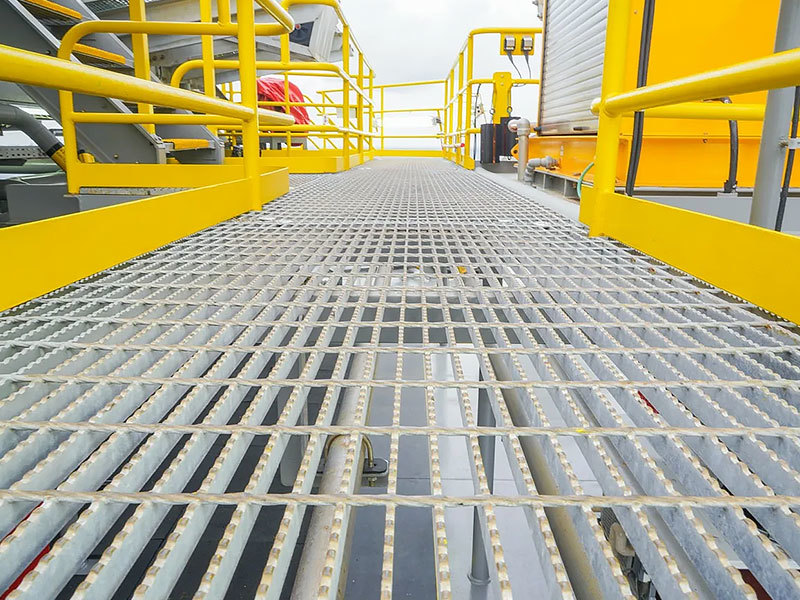
View Products
Wire Mesh Series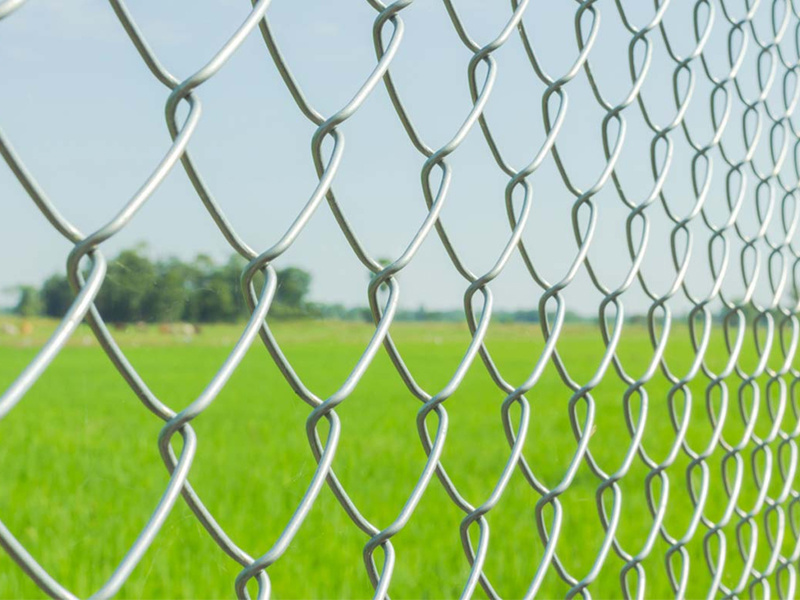
View Products
Wire Mesh Fence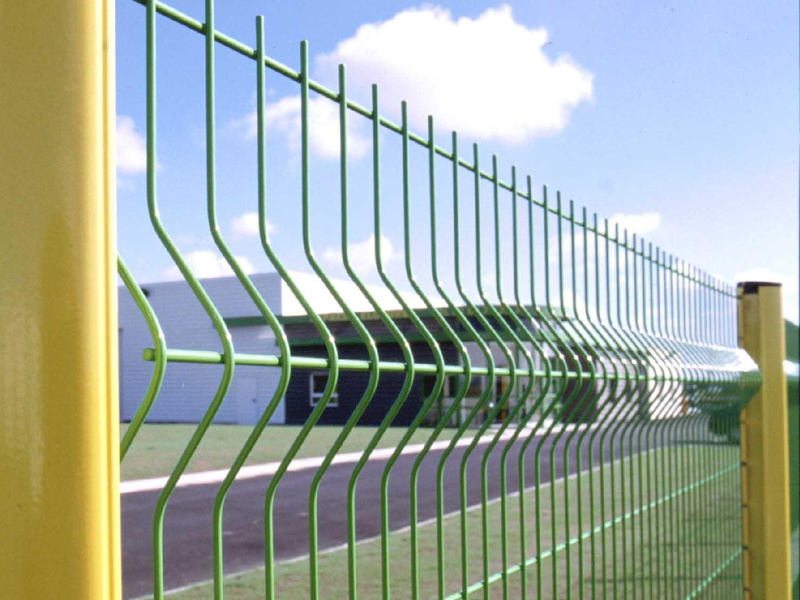
View Products
Barbed Wire Series
View Products
Gabion Basket Series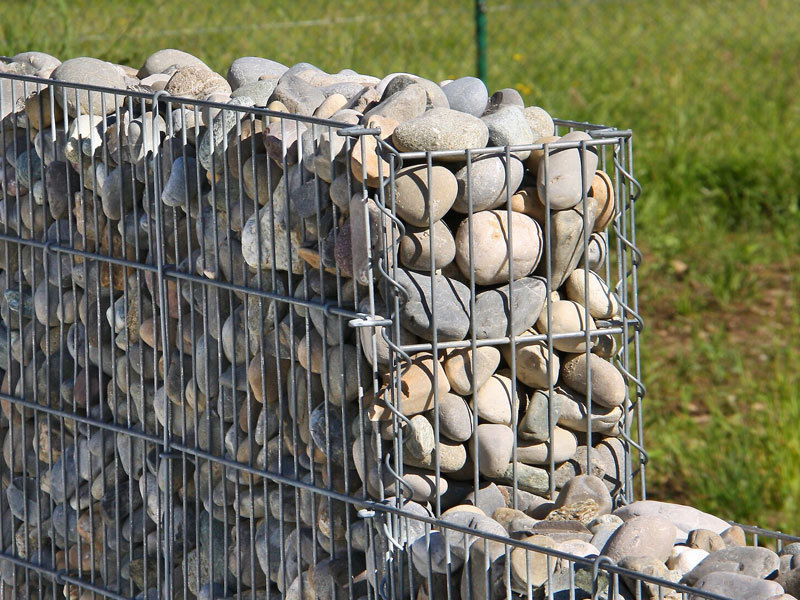
View Products
Steel Pipe Series
View Products
Steel Sheet Series
View Products
Steel Coil Series
View Products
-
-
-

Chequered Sheets: The Ultimate Solution for Enhanced Slip Resistance
May 13,2026
Chequered Sheets: The Ultimate Solution for Enhanced Slip Resistance
Table of Contents
Introduction to Chequered Sheets
What Are Chequered Sheets?
Benefits of Using Chequered Sheets
Applications of Chequered Sheets in Various Industries
Types of Chequered Sheets Available
How to Choose the Right Chequered Sheet for Your Needs
Installation and Maintenance of Chequered Sheets
Freque

Chequered Sheets: The Ultimate Solution for Enhanced Slip Resistance
Table of Contents
- Introduction to Chequered Sheets
- What Are Chequered Sheets?
- Benefits of Using Chequered Sheets
- Applications of Chequered Sheets in Various Industries
- Types of Chequered Sheets Available
- How to Choose the Right Chequered Sheet for Your Needs
- Installation and Maintenance of Chequered Sheets
- Frequently Asked Questions (FAQs)
- Conclusion
Introduction to Chequered Sheets
Chequered sheets have emerged as a **vital component** in enhancing safety across various sectors. They are designed with a raised pattern, which provides exceptional slip resistance, making them invaluable in environments prone to wet or oily conditions. This article aims to provide a thorough understanding of chequered sheets, exploring their features, benefits, and applications while addressing common inquiries regarding their use.
What Are Chequered Sheets?
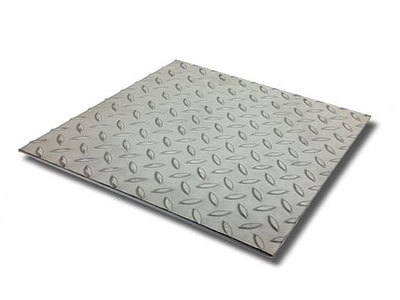
Chequered sheets, also known as diamond plates or tread plates, are flat metal sheets featuring a series of raised patterns that create a textured surface. These patterns are typically in the shape of diamonds or squares, designed to prevent slipping in various environments. As a result, they are often utilized in industrial, commercial, and residential settings. The materials commonly used to manufacture chequered sheets include steel, aluminum, and stainless steel, each offering unique benefits depending on the application.
The Composition and Manufacturing Process
The manufacturing process of chequered sheets involves rolling metal into thin sheets, followed by embossing the desired pattern onto the surface. The thickness of these sheets can vary, affecting their strength, weight, and applications. Steel chequered sheets are generally thicker and more robust, making them suitable for heavy-duty applications, while aluminum sheets offer lightweight options for less demanding environments.
Benefits of Using Chequered Sheets
The advantages of using chequered sheets are numerous, making them a preferred choice for enhancing safety and functionality in various environments.
1. Superior Slip Resistance
The primary benefit of chequered sheets is their enhanced slip resistance. The raised patterns provide better traction, reducing the risk of slips and falls in areas where liquids, oils, or debris are present. This feature is particularly important in industrial settings, where safety is a top priority.
2. Durability and Longevity
Chequered sheets are manufactured from robust materials that can withstand harsh conditions, making them highly durable. They resist wear and tear, ensuring a long lifespan, which translates to lower replacement costs over time.
3. Versatility
These sheets are versatile and can be used in a variety of applications, including walkways, ramps, loading docks, and vehicle floors. Their adaptability to different environments makes them an excellent solution for many industries.
4. Easy Maintenance
Chequered sheets are relatively easy to clean and maintain. Their smooth surface allows for easy removal of dirt and grime, ensuring that the slip-resistant properties remain effective over time.
5. Aesthetic Appeal
Available in various finishes and colors, chequered sheets can enhance the aesthetic appeal of a space while maintaining functionality. This feature is particularly beneficial in commercial applications where appearance matters.
Applications of Chequered Sheets in Various Industries
Chequered sheets find applications in numerous industries, showcasing their versatility and effectiveness.
1. Construction and Building
In the construction industry, chequered sheets are frequently used for flooring in warehouses, factories, and commercial buildings. Their slip-resistant properties ensure safety in high-traffic areas, while their durability withstands heavy loads.
2. Automotive and Transportation
Many vehicles, including trucks and trailers, utilize chequered sheets on their floors to provide slip resistance for loading and unloading cargo. This application is critical for ensuring the safety of workers handling heavy items.
3. Marine Industry
In marine environments, chequered sheets are commonly used on decks and walkways of boats and ships. Their ability to provide traction in wet conditions makes them an essential safety feature for vessels.
4. Food Processing
Chequered sheets are also prevalent in food processing plants where hygiene and safety are paramount. Their easy-to-clean surfaces prevent the accumulation of debris, ensuring compliance with health regulations.
5. Aviation
Airports use chequered sheets in various locations, including boarding ramps and service areas, to provide slip resistance for passengers and staff while maintaining a professional appearance.
Types of Chequered Sheets Available
Different types of chequered sheets cater to various needs and applications. Understanding these types can help you make informed decisions.
1. Steel Chequered Sheets
Steel chequered sheets are the most common type, known for their strength and durability. These sheets are suitable for heavy-duty applications, including industrial flooring and ramps.
2. Aluminum Chequered Sheets
Aluminum sheets offer a lightweight alternative to steel, making them ideal for applications where weight is a concern. They are resistant to corrosion, making them suitable for outdoor use and marine environments.
3. Stainless Steel Chequered Sheets
Stainless steel chequered sheets combine the durability of steel with enhanced corrosion resistance. These sheets are often used in food processing and medical environments, where hygiene is crucial.
4. Plastic Chequered Sheets
Plastic chequered sheets are available for lighter applications, such as temporary walkways and event flooring. They offer slip resistance in a lightweight format, making them easy to transport and install.
How to Choose the Right Chequered Sheet for Your Needs
Selecting the appropriate chequered sheet involves evaluating several factors based on your specific needs.
1. Assess the Environment
Consider the environment where the chequered sheets will be installed. Factors such as moisture, oil exposure, and foot traffic play a significant role in determining the type of material needed.
2. Weight Capacity
Evaluate the weight capacity required for the application. For heavy-duty uses, steel chequered sheets may be necessary, while lighter applications can benefit from aluminum or plastic options.
3. Aesthetic Considerations
Choose a finish and color that aligns with the overall design of the space. While functionality is critical, aesthetic appeal should not be overlooked, especially in commercial settings.
4. Maintenance Requirements
Consider how much maintenance you are willing to commit to. Some materials may require more frequent cleaning and maintenance than others.
Installation and Maintenance of Chequered Sheets
Proper installation and maintenance are essential to maximizing the benefits of chequered sheets.
1. Installation Tips
Chequered sheets can be installed using adhesive, welding, or mechanical fasteners, depending on the application. It is essential to ensure the surface is clean and dry before installation to achieve optimal adhesion.
2. Regular Maintenance
To maintain the slip-resistant properties of chequered sheets, regular cleaning is required. Use appropriate cleaning agents to remove grease, oil, and dirt buildup. Inspect the sheets periodically for signs of wear or damage to ensure safety.
Frequently Asked Questions (FAQs)
1. What is the primary purpose of chequered sheets?
The primary purpose of chequered sheets is to provide enhanced slip resistance in various environments, reducing the risk of accidents.
2. How do I know which material to choose?
The material choice depends on the application, environmental conditions, and weight capacity requirements. Steel is best for heavy-duty use, while aluminum is suitable for lighter applications.
3. Are chequered sheets suitable for outdoor use?
Yes, chequered sheets, especially those made from aluminum and stainless steel, are suitable for outdoor use due to their corrosion-resistant properties.
4. Can I install chequered sheets myself?
Yes, you can install chequered sheets yourself if you follow proper installation guidelines. Ensure that you have the right tools and materials before starting.
5. How often should I clean chequered sheets?
Cleaning frequency depends on the environment. In industrial settings, regular cleaning is essential to maintain slip resistance, while in less demanding applications, less frequent cleaning may suffice.
Conclusion
Chequered sheets represent a crucial solution for enhancing safety through slip resistance across various industries. Their durability, versatility, and aesthetic appeal make them an ideal choice for both commercial and industrial applications. By understanding the features, benefits, and applications of chequered sheets, as well as how to select and maintain them, we empower architects, builders, and safety professionals to make informed decisions that prioritize safety without compromising on style. If you're considering implementing chequered sheets in your next project, rest assured that you are investing in a product designed to enhance safety and functionality for years to come.
TAG:
PREVIOUS:
Contact Us
Phone/WhatsApp
Address
B1213 Global Centre, No.226 Zhonghua North Street, Shijiazhuang, China


WhatsApp / Wechat
TEL / FAX
Address
B1213 Global Centre, No.226 Zhonghua North Street, Shijiazhuang, China