

-
Grating Series
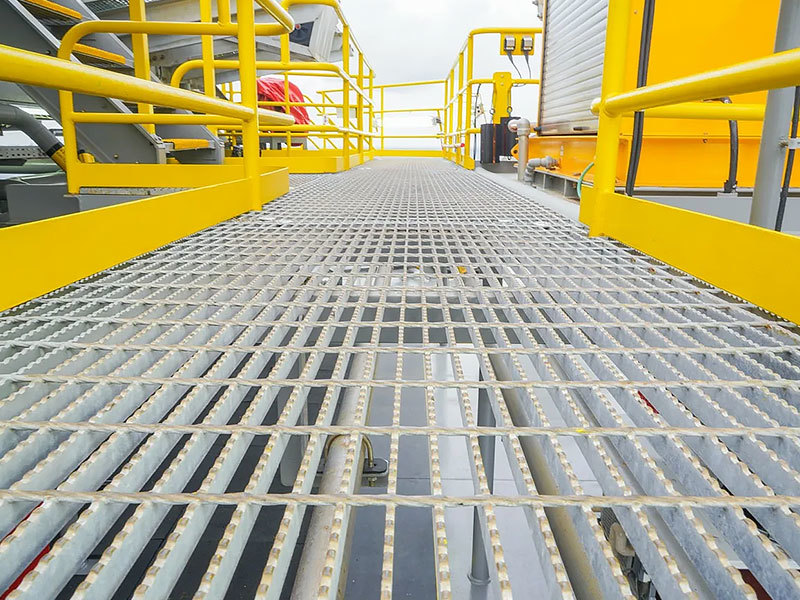
View Products
Wire Mesh Series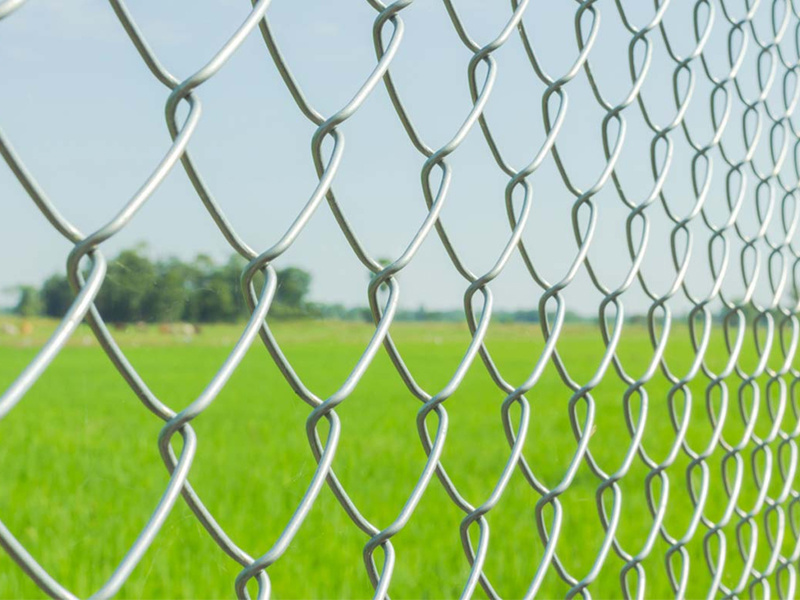
View Products
Wire Mesh Fence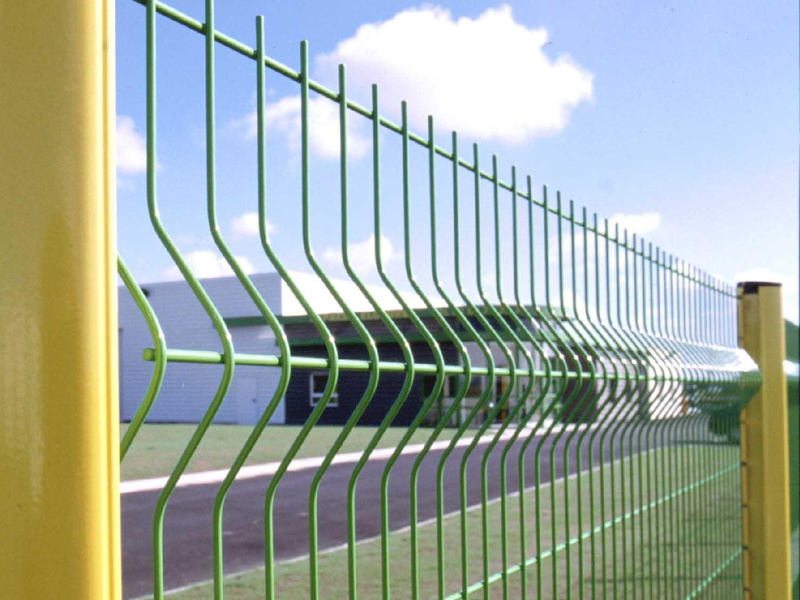
View Products
Barbed Wire Series
View Products
Gabion Basket Series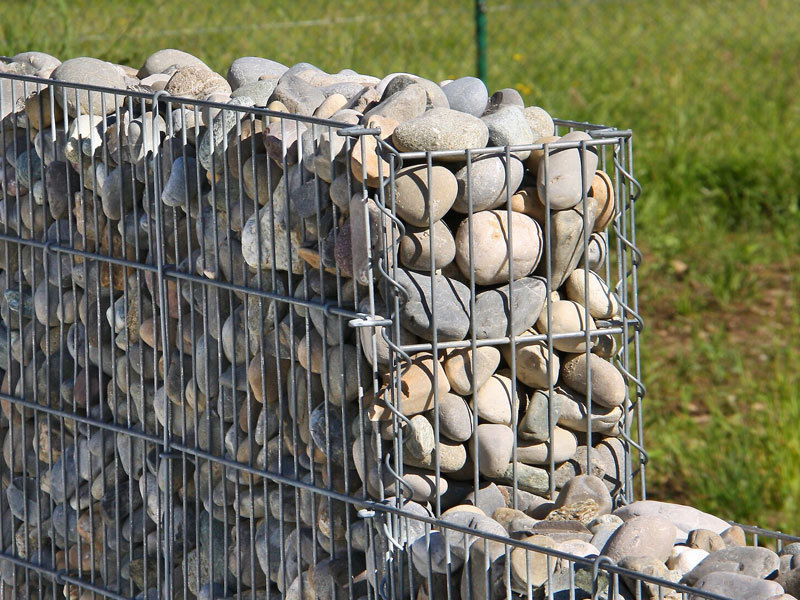
View Products
Steel Pipe Series
View Products
Steel Sheet Series
View Products
Steel Coil Series
View Products
-
-
-


Understanding the Benefits and Applications of FRP Grating in Construction
May 10,2026
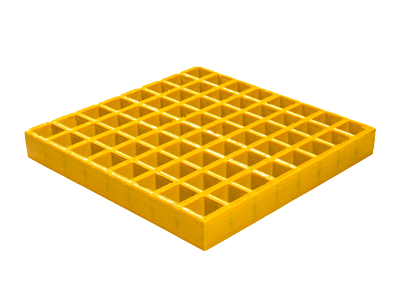
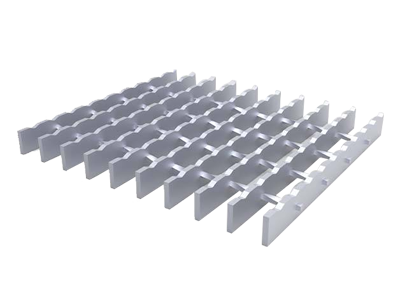
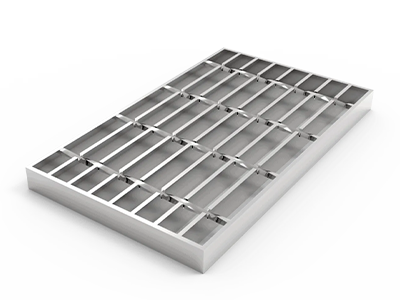
FRP (Fiber Reinforced Plastic) grating is gaining popularity in the construction and architectural sectors due to its remarkable properties and versatile applications. Made from a composite of fiberglass and resin, FRP grating offers a lightweight yet robust alternative to traditional steel grating. Here, we will delve into the various attributes and uses of FRP grating, which can be highly benefi

FRP (Fiber Reinforced Plastic) grating is gaining popularity in the construction and architectural sectors due to its remarkable properties and versatile applications. Made from a composite of fiberglass and resin, FRP grating offers a lightweight yet robust alternative to traditional steel grating. Here, we will delve into the various attributes and uses of FRP grating, which can be highly beneficial for construction projects.
One of the primary benefits of FRP grating is its exceptional corrosion resistance. Unlike steel, which can rust when exposed to moisture and harsh chemicals, FRP grating maintains its integrity even in the most challenging environments. This makes it an ideal choice for areas such as chemical processing plants, wastewater treatment facilities, and marine applications, where exposure to corrosive substances is common.
Another significant advantage is its lightweight nature. FRP grating is considerably lighter than steel grating, which simplifies installation and reduces the structural load on buildings. This characteristic can lead to savings on transportation and handling costs, as well as decreased installation time. Additionally, its lightweight quality makes it easier for workers to handle, minimizing the risk of injuries during installation.
FRP grating also boasts excellent slip resistance, a crucial feature for maintaining safety in construction projects. The surfaces of these gratings can be textured to enhance grip, making them suitable for walkways, platforms, and staircases, especially in industrial settings where spills or other hazards may occur. This safety feature is essential for ensuring compliance with occupational safety regulations.
Moreover, FRP grating is available in various colors and designs, providing aesthetic options for architects and designers. This flexibility allows for integration into different architectural styles while maintaining functionality, making it a popular choice for both commercial and residential projects.
In terms of durability, FRP grating is designed to withstand extreme temperatures and impacts, making it suitable for both indoor and outdoor applications. Its longevity reduces the need for frequent replacements, which can be an advantage for long-term projects and maintenance planning.
Overall, FRP grating stands out in the construction industry due to its combination of strength, safety, and aesthetic appeal. Whether utilized in industrial environments, pedestrian walkways, or decorative architectural features, FRP grating offers an effective solution that meets the diverse needs of modern construction. By considering the unique properties of FRP grating, architects and builders can enhance their projects while ensuring safety and longevity.
One of the primary benefits of FRP grating is its exceptional corrosion resistance. Unlike steel, which can rust when exposed to moisture and harsh chemicals, FRP grating maintains its integrity even in the most challenging environments. This makes it an ideal choice for areas such as chemical processing plants, wastewater treatment facilities, and marine applications, where exposure to corrosive substances is common.
Another significant advantage is its lightweight nature. FRP grating is considerably lighter than steel grating, which simplifies installation and reduces the structural load on buildings. This characteristic can lead to savings on transportation and handling costs, as well as decreased installation time. Additionally, its lightweight quality makes it easier for workers to handle, minimizing the risk of injuries during installation.
FRP grating also boasts excellent slip resistance, a crucial feature for maintaining safety in construction projects. The surfaces of these gratings can be textured to enhance grip, making them suitable for walkways, platforms, and staircases, especially in industrial settings where spills or other hazards may occur. This safety feature is essential for ensuring compliance with occupational safety regulations.
Moreover, FRP grating is available in various colors and designs, providing aesthetic options for architects and designers. This flexibility allows for integration into different architectural styles while maintaining functionality, making it a popular choice for both commercial and residential projects.
In terms of durability, FRP grating is designed to withstand extreme temperatures and impacts, making it suitable for both indoor and outdoor applications. Its longevity reduces the need for frequent replacements, which can be an advantage for long-term projects and maintenance planning.
Overall, FRP grating stands out in the construction industry due to its combination of strength, safety, and aesthetic appeal. Whether utilized in industrial environments, pedestrian walkways, or decorative architectural features, FRP grating offers an effective solution that meets the diverse needs of modern construction. By considering the unique properties of FRP grating, architects and builders can enhance their projects while ensuring safety and longevity.
TAG:
PREVIOUS:
Contact Us
Phone/WhatsApp
Address
B1213 Global Centre, No.226 Zhonghua North Street, Shijiazhuang, China


WhatsApp / Wechat
TEL / FAX
Address
B1213 Global Centre, No.226 Zhonghua North Street, Shijiazhuang, China