

-
Grating Series
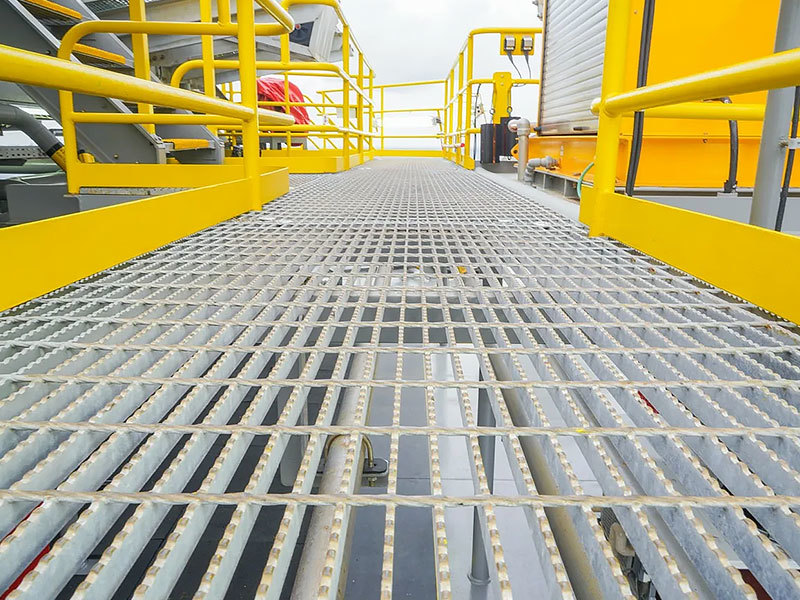
View Products
Wire Mesh Series
View Products
Wire Mesh Fence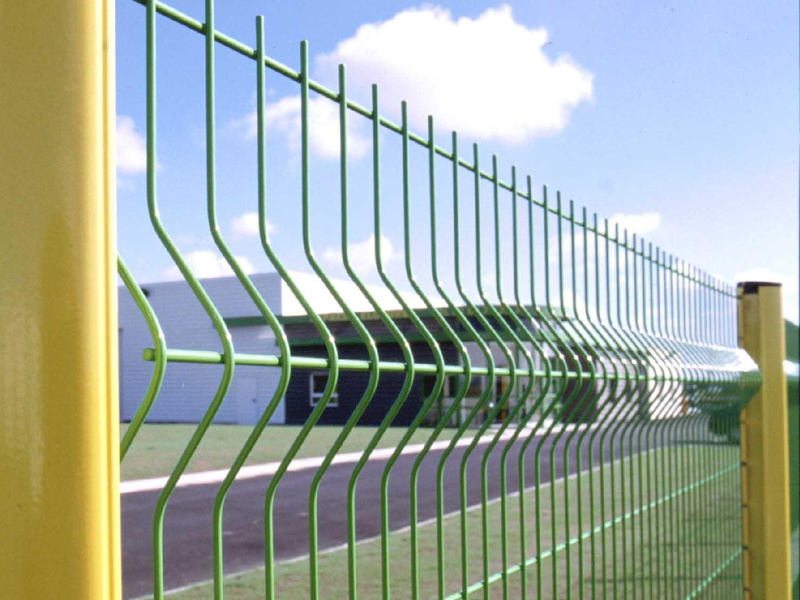
View Products
Barbed Wire Series
View Products
Gabion Basket Series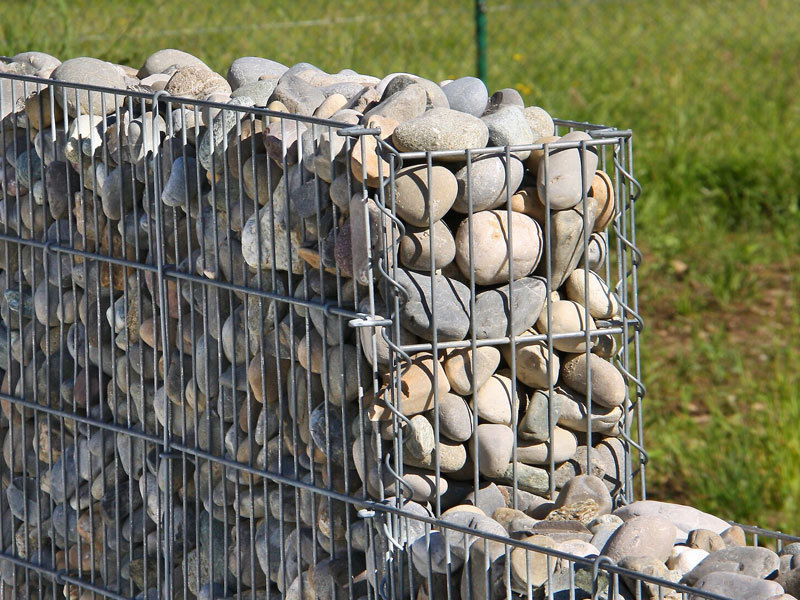
View Products
Steel Pipe Series
View Products
Steel Sheet Series
View Products
Steel Coil Series
View Products
-
-
-
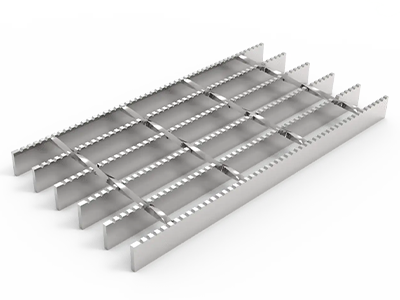
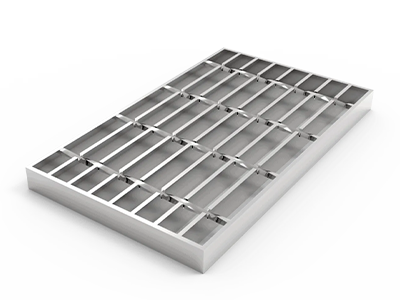

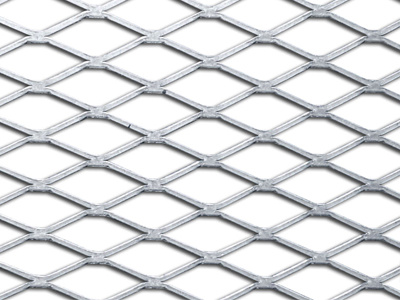
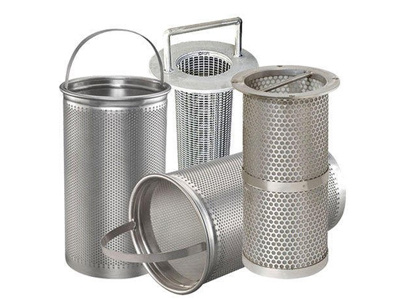
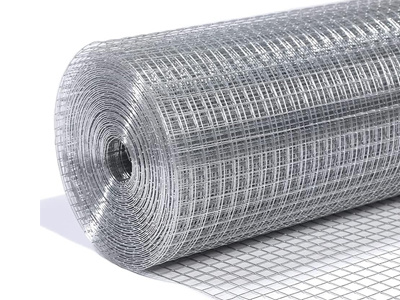



Innovative Designs Featuring Stainless Steel Grating: Transforming Spaces with Durability and Style
Apr 07,2026
Innovative Designs Featuring Stainless Steel Grating: Transforming Spaces with Durability and Style
Table of Contents
1. Introduction to Stainless Steel Grating
2. Benefits of Using Stainless Steel Grating
3. Design Possibilities with Stainless Steel Grating
4. Applications of Stainless Steel Grating in Architecture
5. Maintenance and Care for Stainless Steel Grating
6. Sustainability

Innovative Designs Featuring Stainless Steel Grating: Transforming Spaces with Durability and Style
Table of Contents
- 1. Introduction to Stainless Steel Grating
- 2. Benefits of Using Stainless Steel Grating
- 3. Design Possibilities with Stainless Steel Grating
- 4. Applications of Stainless Steel Grating in Architecture
- 5. Maintenance and Care for Stainless Steel Grating
- 6. Sustainability Factors in Stainless Steel Grating
- 7. Current Trends in Stainless Steel Grating Designs
- 8. Frequently Asked Questions
- 9. Conclusion
1. Introduction to Stainless Steel Grating
Stainless steel grating has emerged as a versatile solution in architectural design, providing both aesthetic appeal and functional integrity. This material, renowned for its corrosion resistance and strength, is increasingly utilized in various applications. As designers and architects seek to innovate, stainless steel grating offers limitless possibilities, combining modern aesthetics with the practical demands of contemporary spaces.
2. Benefits of Using Stainless Steel Grating
The advantages of stainless steel grating extend beyond mere aesthetics. Here are several compelling benefits that make this material a preferred choice in architecture:
2.1 Durability and Strength
Stainless steel grating is engineered to endure harsh environmental conditions. Its robust structure ensures longevity, making it ideal for high-traffic areas and outdoor installations.
2.2 Corrosion Resistance
Due to its composition, stainless steel is inherently resistant to rust and corrosion. This property minimizes the need for frequent replacements, significantly lowering long-term maintenance costs.
2.3 Aesthetic Versatility
Available in a variety of styles, finishes, and designs, stainless steel grating enhances the visual appeal of any structure. It can complement modern, industrial, or traditional design themes effortlessly.
2.4 Safety Features
The slip-resistant surface of stainless steel grating provides enhanced safety in areas exposed to moisture. This feature is especially beneficial in commercial and public spaces, reducing the risk of accidents.
2.5 Eco-Friendly Option
Being recyclable, stainless steel grating contributes to sustainable building practices. Choosing materials that minimize environmental impact is increasingly important in today's construction landscape.
3. Design Possibilities with Stainless Steel Grating
The adaptability of stainless steel grating allows for innovative design implementations. Here are some creative ways to incorporate this material into architectural projects:
3.1 Walkways and Pathways
Stainless steel grating makes for stunning walkways that blend seamlessly into their surroundings. Designers can create intricate patterns, offering both function and form while providing a durable solution for pedestrian traffic.
3.2 Decorative Facades
Architects can use stainless steel grating as a decorative facade element, providing visual interest while allowing natural light to filter through. This technique enhances the building's exterior while maintaining energy efficiency.
3.4 Custom Furniture and Fixtures
Incorporating stainless steel grating into custom furniture designs, such as tables and shelving, introduces an industrial chic aesthetic. This approach not only emphasizes style but also ensures durability.
3.5 Green Spaces Integration
Stainless steel grating can be integrated into landscaping designs, such as planters and garden beds, allowing for air and water circulation while creating an appealing outdoor environment.
4. Applications of Stainless Steel Grating in Architecture
Understanding the application of stainless steel grating across various architectural domains is essential for maximizing its utility:
4.1 Commercial Spaces
In commercial settings, stainless steel grating is often used in flooring, staircases, and protective railings. Its strength and low maintenance make it a preferred choice for businesses focused on durability.
4.2 Residential Projects
Homeowners are increasingly opting for stainless steel grating in outdoor terraces, balconies, and even interior elements. The combination of safety and style enhances the overall ambiance of residential spaces.
4.3 Industrial Uses
Industries benefit from stainless steel grating in production facilities and warehouses, where heavy equipment and foot traffic require resilient flooring options that withstand wear and tear.
4.4 Public Infrastructure
Stainless steel grating is a common choice for public infrastructure such as bridges, walkways, and public transportation areas. Its robust nature ensures safety and longevity in high-traffic zones.
5. Maintenance and Care for Stainless Steel Grating
Proper maintenance is crucial for preserving the integrity and appearance of stainless steel grating. Here are some tips to consider:
5.1 Regular Cleaning
Regular cleaning with mild detergent and water can prevent the accumulation of debris and grime. For more stubborn stains, a soft brush or non-abrasive cleaner is recommended.
5.2 Inspect for Damage
Routine inspections help identify wear and tear, allowing for timely repairs. Addressing issues promptly ensures safety and prolongs the life of the grating.
5.3 Avoid Harsh Chemicals
Harsh chemicals can damage the surface of stainless steel grating. Opt for environmentally friendly cleaning agents to protect the material while being mindful of the environment.
6. Sustainability Factors in Stainless Steel Grating
Sustainability is a growing concern in architecture. Here’s how stainless steel grating aligns with eco-friendly practices:
6.1 Recyclability
One of the key sustainability features of stainless steel is its recyclability. At the end of its life cycle, stainless steel grating can be repurposed, minimizing waste.
6.2 Energy Efficiency
Incorporating stainless steel grating into building designs can help improve energy efficiency. Its reflective properties can reduce the need for artificial lighting, contributing to lower energy consumption.
6.3 Reduced Maintenance Footprint
The durability of stainless steel grating means less frequent replacements, reducing the overall environmental impact. Choosing long-lasting materials is essential for sustainable construction.
7. Current Trends in Stainless Steel Grating Designs
Staying updated with current design trends is essential for architects and designers. Here are some emerging trends in stainless steel grating:
7.1 Minimalist Aesthetic
The minimalist design trend emphasizes simplicity and function. Stainless steel grating aligns perfectly with this ethos, offering sleek lines and unobtrusive functionality.
7.2 Mixed Materials
Combining stainless steel grating with other materials, such as wood or glass, creates unique design contrasts. This trend enhances visual interest while maintaining structural integrity.
7.3 Customization
Clients are increasingly seeking personalized designs. Custom patterns and finishes in stainless steel grating allow architects to cater to specific aesthetic preferences and project requirements.
8. Frequently Asked Questions
8.1 What is stainless steel grating used for?
Stainless steel grating is primarily used in architectural applications, including walkways, facades, and industrial flooring. Its strength and durability make it suitable for various environments.
8.2 How do you clean stainless steel grating?
Cleaning stainless steel grating involves using mild detergents and water. Avoid abrasive cleaners to prevent surface damage, and regularly inspect for debris accumulation.
8.3 Is stainless steel grating environmentally friendly?
Yes, stainless steel is recyclable and has a long lifespan, making it an environmentally sustainable option in construction and design.
8.4 Can stainless steel grating be customized?
Absolutely! Stainless steel grating can be customized in terms of size, shape, and finish to meet specific design requirements and preferences.
8.5 What are the safety features of stainless steel grating?
Stainless steel grating typically features slip-resistant surfaces, making it a safe option for areas that may become wet, thus reducing the risk of accidents.
9. Conclusion
In conclusion, stainless steel grating represents a confluence of durability, functionality, and aesthetic appeal. Its innovative applications in architecture provide opportunities for creative design while ensuring safety and sustainability. As designers continue to explore the possibilities of this versatile material, stainless steel grating will undoubtedly play a pivotal role in transforming spaces and enabling modern architectural solutions. By embracing its unique qualities, architects can create environments that are not only visually stunning but also withstand the test of time. Choose stainless steel grating for your next project and experience the blend of innovation and practicality that this material offers.
TAG:
Contact Us
Phone/WhatsApp
Address
B1213 Global Centre, No.226 Zhonghua North Street, Shijiazhuang, China


WhatsApp / Wechat
TEL / FAX
Address
B1213 Global Centre, No.226 Zhonghua North Street, Shijiazhuang, China