

-
Grating Series
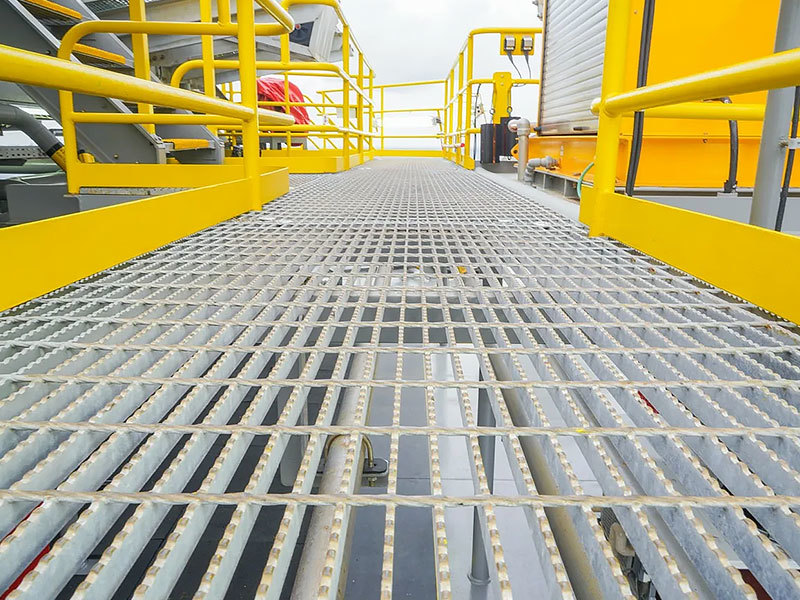
View Products
Wire Mesh Series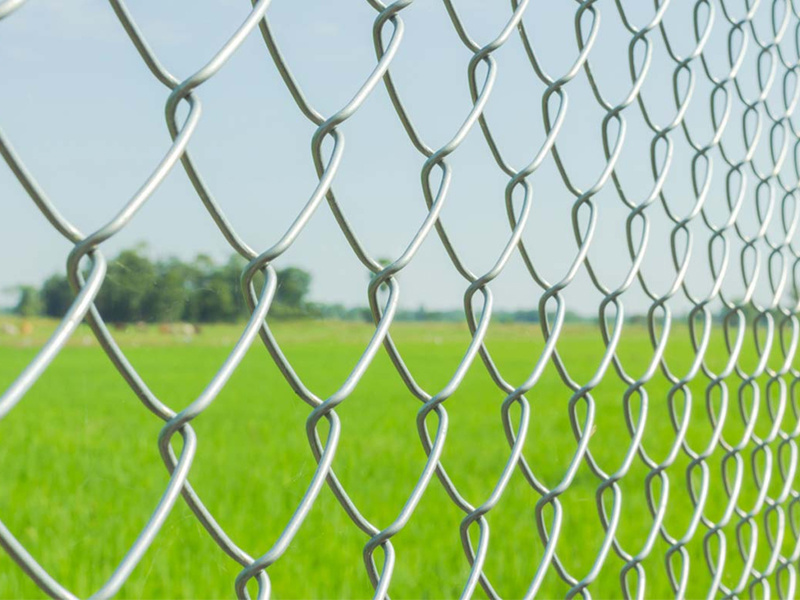
View Products
Wire Mesh Fence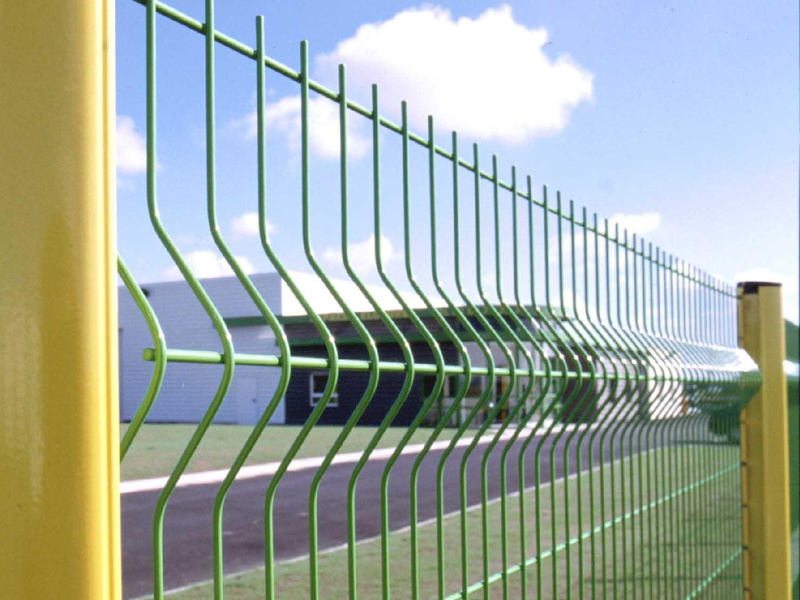
View Products
Barbed Wire Series
View Products
Gabion Basket Series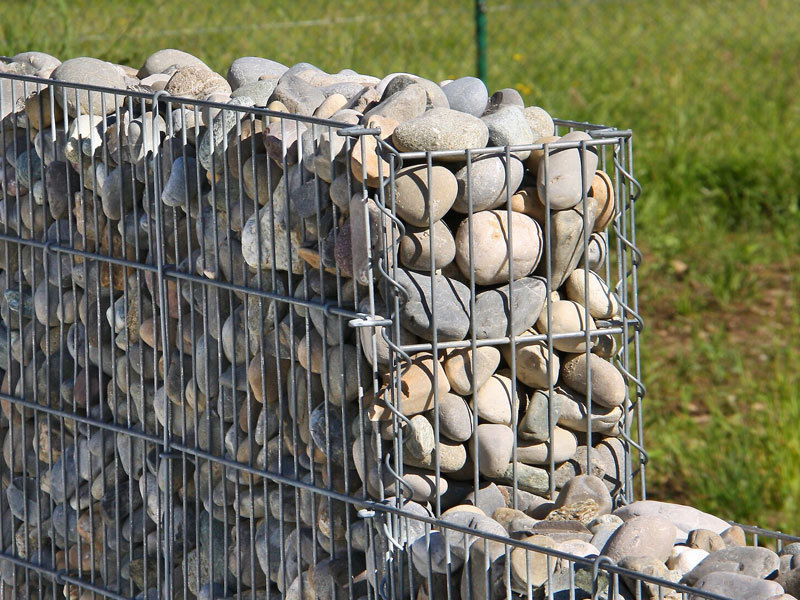
View Products
Steel Pipe Series
View Products
Steel Sheet Series
View Products
Steel Coil Series
View Products
-
-
-


Understanding the Manufacturing Process of Chequered Sheets: A Comprehensive Guide
Apr 03,2026
Understanding the Manufacturing Process of Chequered Sheets
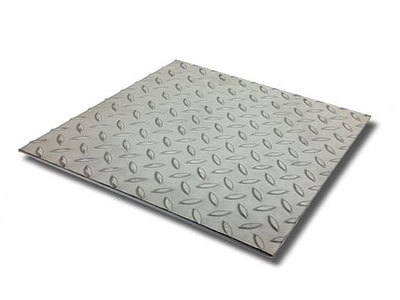
Chequered sheets, also known as tread plates or diamond plates, are vital components in various construction and decorative material applications. Their unique patterns not only enhance aesthetics but also provide functional benefits such as improved traction and durability. In this article, we will explore the comprehensive manufacturing

Understanding the Manufacturing Process of Chequered Sheets
Chequered sheets, also known as tread plates or diamond plates, are vital components in various construction and decorative material applications. Their unique patterns not only enhance aesthetics but also provide functional benefits such as improved traction and durability. In this article, we will explore the comprehensive manufacturing process of chequered sheets, shedding light on every step involved, from raw material selection to quality control.
Table of Contents
1. Introduction to Chequered Sheets
2. Raw Materials Used in Chequered Sheets Manufacturing
3. The Manufacturing Process of Chequered Sheets
3.1. Material Preparation
3.2. Hot Rolling Process
3.3. Cold Rolling Process
3.4. Surface Treatment
4. Quality Control in Chequered Sheet Production
5. Applications of Chequered Sheets
6. Advantages of Using Chequered Sheets
7. Environmental Considerations in Chequered Sheet Manufacturing
8. FAQs about Chequered Sheets
9. Conclusion
1. Introduction to Chequered Sheets
Chequered sheets are characterized by their distinctive raised patterns, typically arranged in a diamond or square configuration. These patterns serve multiple purposes, including providing traction, enhancing aesthetic appeal, and increasing the sheet's strength. Commonly used in flooring, stairs, and vehicle ramps, the versatility of chequered sheets makes them an integral part of both industrial and commercial applications.
2. Raw Materials Used in Chequered Sheets Manufacturing
The manufacturing process of chequered sheets begins with the selection of high-quality raw materials. The most commonly used materials include:
- **Mild Steel**: Known for its ductility and strength, mild steel is the primary choice for chequered sheets. It offers a good balance of durability and cost-effectiveness.
- **Stainless Steel**: For applications requiring corrosion resistance, stainless steel is preferred. It is ideal for environments exposed to moisture and chemicals.
- **Aluminum**: Lightweight and corrosion-resistant, aluminum chequered sheets are used in applications where weight reduction is critical.
Each material has its unique properties, influencing the overall performance of the finished product.
3. The Manufacturing Process of Chequered Sheets
The manufacturing process of chequered sheets involves several key steps, each crucial to ensuring the final product meets industry standards for quality and durability.
3.1. Material Preparation
Initially, the selected raw materials are prepared for processing. This involves cutting the metal sheets into the desired dimensions and ensuring they are free from any impurities or defects. The quality of the raw material directly impacts the performance of the chequered sheets.
3.2. Hot Rolling Process
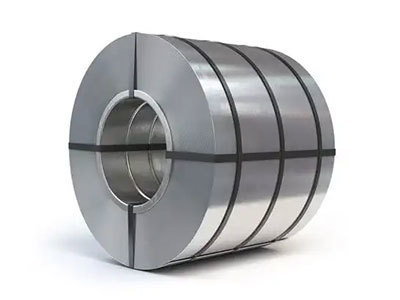
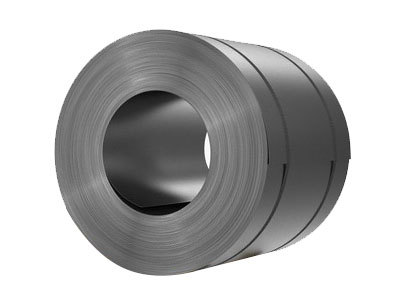
The hot rolling process is a critical stage in the manufacturing of chequered sheets. In this phase, the metal sheets are heated to high temperatures, typically above 1000 degrees Celsius. The heating process makes the steel malleable, allowing it to be easily shaped and formed. The heated sheets pass through rollers, where they are flattened and formed into the desired thickness.
During hot rolling, patterns are imprinted onto the surface of the sheets. This step is crucial as it determines the final appearance and texture of the chequered sheets. The hot rolling process is advantageous because it enhances the metal's properties, such as strength and ductility.
3.3. Cold Rolling Process
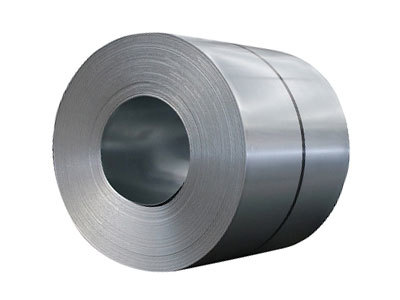
After the hot rolling process, some manufacturers opt for cold rolling to achieve a smoother finish and tighter tolerances. In this stage, the hot-rolled sheets are further processed at room temperature. Cold rolling enhances surface quality, increases yield strength, and decreases thickness. The sheets may also undergo additional patterning to achieve finer details in the chequered design.
3.4. Surface Treatment
Surface treatment is a vital aspect of the manufacturing process, ensuring the chequered sheets are protected from corrosion and wear. Common surface treatments include:
- **Galvanization**: A process where sheets are coated with a layer of zinc to prevent rust and enhance durability.
- **Painting**: Applying protective paint can further improve aesthetics while providing a barrier against environmental elements.
- **Anodizing**: Particularly for aluminum sheets, anodizing enhances corrosion resistance and allows for a variety of color finishes.
Each treatment method is chosen based on the end-use of the chequered sheets, ensuring they meet specific performance criteria.
4. Quality Control in Chequered Sheet Production
Quality control is paramount throughout the manufacturing process. Various tests are conducted to ensure that the chequered sheets meet industry standards. These tests include:
- **Dimensional Inspections**: Measuring thickness, width, and length to ensure compliance with specifications.
- **Mechanical Testing**: Evaluating tensile strength, hardness, and ductility to guarantee the material meets performance requirements.
- **Surface Quality Checks**: Inspecting for any defects such as scratches, dents, or uneven patterns.
By maintaining strict quality control measures, manufacturers can assure their clients of the reliability and durability of their products.
5. Applications of Chequered Sheets
Chequered sheets find extensive applications across various industries, including:
- **Construction and Architecture**: Used for flooring, wall cladding, and decorative elements.
- **Automotive**: Commonly utilized in vehicle ramps, truck beds, and flooring for trailers due to their slip-resistant properties.
- **Manufacturing**: Employed in machinery and equipment where durability and safety are paramount.
The versatility of chequered sheets allows them to meet the demands of diverse sectors, making them a popular choice among builders and designers.
6. Advantages of Using Chequered Sheets
Chequered sheets offer numerous benefits, making them a preferred choice in construction and design:
- **Slip Resistance**: The raised patterns provide excellent traction, reducing the risk of slipping in high-traffic areas.
- **Durability**: Made from robust materials, these sheets withstand heavy loads and resist wear and tear over time.
- **Aesthetic Appeal**: Available in various finishes and textures, chequered sheets enhance the visual appeal of any space.
- **Ease of Installation**: Lightweight options, such as aluminum, simplify the handling and installation processes.
These advantages contribute to the widespread use of chequered sheets in a variety of applications.
7. Environmental Considerations in Chequered Sheet Manufacturing
As environmental concerns grow, the steel and metal industry is taking steps to reduce its carbon footprint. Manufacturers are increasingly investing in eco-friendly production methods, such as:
- **Recycling**: Utilizing recycled materials in the manufacturing process reduces waste and conserves natural resources.
- **Energy Efficiency**: Implementing energy-efficient technologies in production minimizes energy consumption and greenhouse gas emissions.
- **Sustainable Sourcing**: Using sustainably sourced materials helps promote environmental responsibility.
By adopting these practices, manufacturers not only enhance their marketability but also contribute to the global effort to protect the environment.
8. FAQs about Chequered Sheets
What are chequered sheets made of?
Chequered sheets are primarily made from mild steel, stainless steel, or aluminum, depending on the intended application and required properties.
What are the common uses of chequered sheets?
Chequered sheets are commonly used for flooring, automotive ramps, staircases, and as decorative elements in buildings and structures.
How do I choose the right chequered sheet for my project?
Choosing the right chequered sheet depends on factors such as load requirements, environmental conditions, and aesthetic preferences. Consider the material, thickness, and surface treatment for optimal performance.
Are chequered sheets easy to install?
Yes, chequered sheets are generally easy to install, especially lighter materials like aluminum. They can be cut and shaped to fit various applications.
How can I maintain chequered sheets?
Maintenance typically involves regular cleaning to remove dirt and debris. For treated sheets, ensure that the protective coatings remain intact to prevent corrosion and damage.
9. Conclusion
Understanding the manufacturing process of chequered sheets provides valuable insights into their significance in the construction and decorative materials industry. From raw material selection to the final quality checks, each step is crucial in producing a durable and aesthetically pleasing product. The versatility of chequered sheets makes them indispensable in various applications, and their unique advantages continue to drive their popularity. As the industry evolves, embracing sustainable practices will further enhance their appeal, ensuring that chequered sheets remain a staple in modern construction and design.
TAG:
Contact Us
Phone/WhatsApp
Address
B1213 Global Centre, No.226 Zhonghua North Street, Shijiazhuang, China


WhatsApp / Wechat
TEL / FAX
Address
B1213 Global Centre, No.226 Zhonghua North Street, Shijiazhuang, China