

-
Grating Series
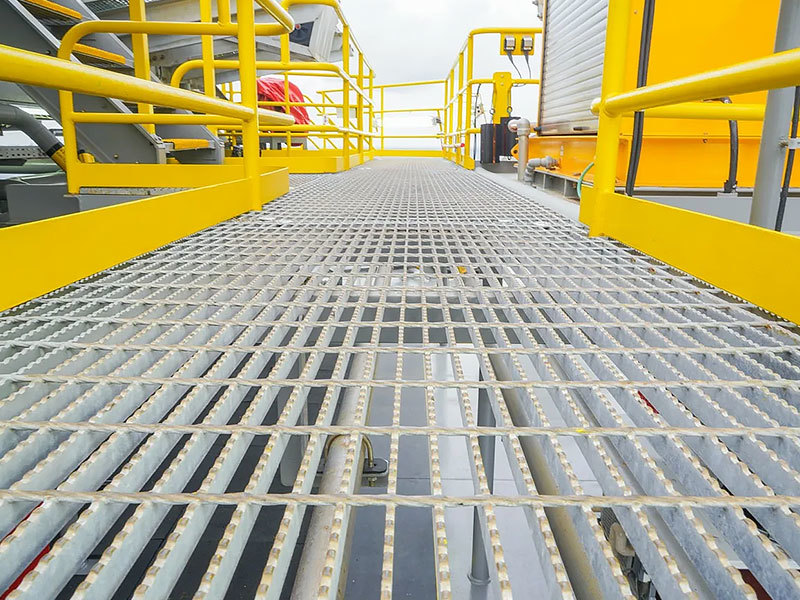
View Products
Wire Mesh Series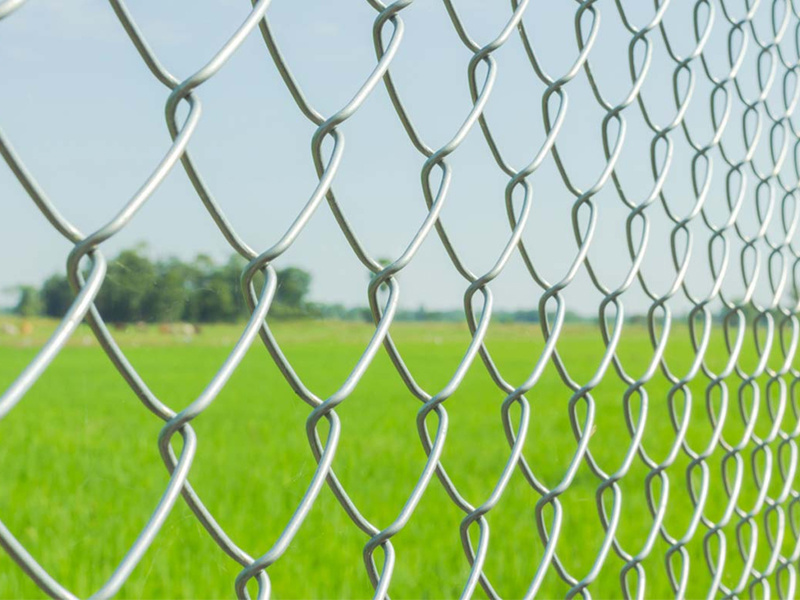
View Products
Wire Mesh Fence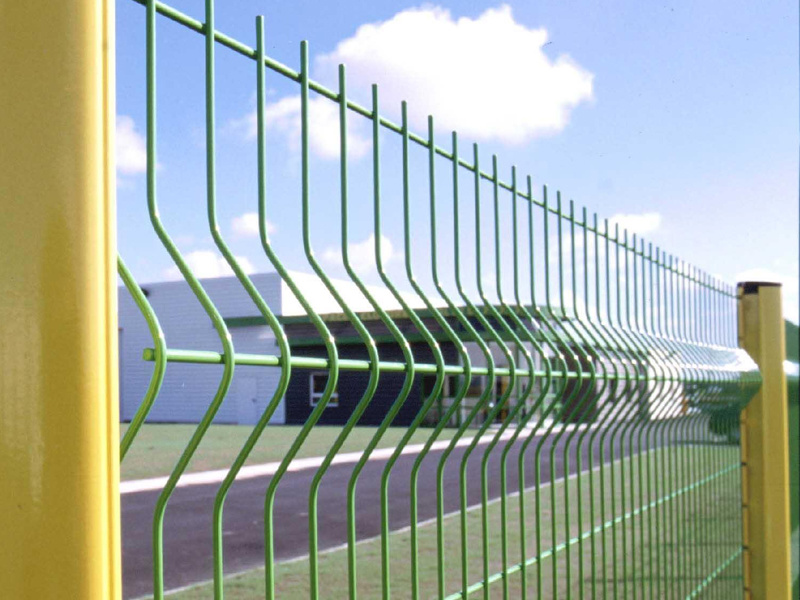
View Products
Barbed Wire Series
View Products
Gabion Basket Series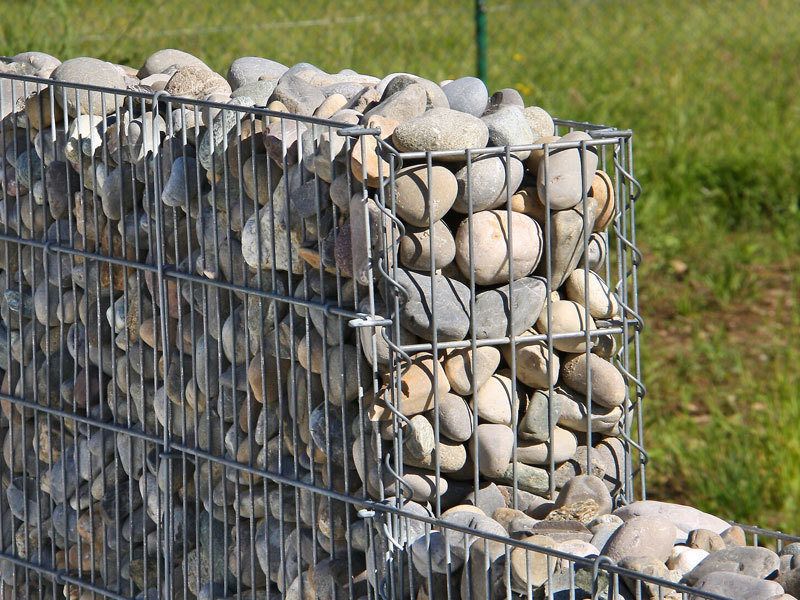
View Products
Steel Pipe Series
View Products
Steel Sheet Series
View Products
Steel Coil Series
View Products
-
-
-


Understanding FRP Grating: A Comprehensive Guide for Professionals
Mar 31,2026
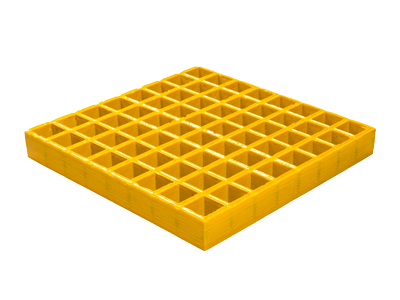
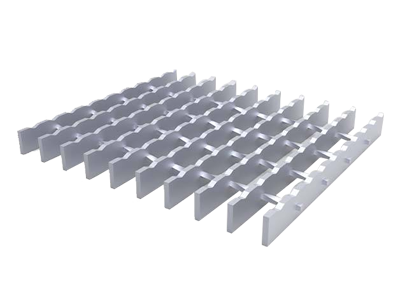
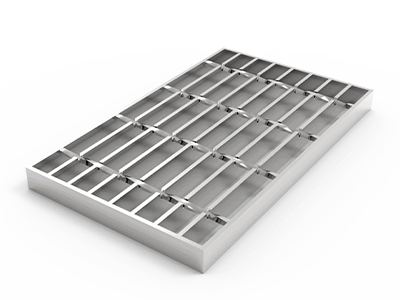
FRP (Fiberglass Reinforced Plastic) grating has emerged as a highly effective material in various construction and industrial applications due to its exceptional properties. As a composite material, FRP grating combines fiberglass with a resin matrix, resulting in a lightweight yet robust structure that offers numerous advantages over traditional materials such as steel or wood.
One of the most no

FRP (Fiberglass Reinforced Plastic) grating has emerged as a highly effective material in various construction and industrial applications due to its exceptional properties. As a composite material, FRP grating combines fiberglass with a resin matrix, resulting in a lightweight yet robust structure that offers numerous advantages over traditional materials such as steel or wood.
One of the most notable benefits of FRP grating is its corrosion resistance. Unlike steel, which can succumb to rust and degradation in harsh environmental conditions, FRP grating remains unaffected by moisture, chemicals, and UV exposure. This makes it an ideal choice for environments such as wastewater treatment plants, chemical processing facilities, and coastal areas where exposure to salt and humidity is a concern.
In addition to its corrosion resistance, FRP grating is remarkably strong and has a high load-bearing capacity. This strength is crucial in ensuring safety and durability in various applications, including walkways, platforms, and stair treads. The lightweight nature of FRP also facilitates easier handling and installation, reducing labor costs and time on the job site.
Another significant advantage of FRP grating is its slip resistance. The surface can be manufactured with various textures to enhance grip, making it suitable for locations where foot traffic is common or where spills may occur. This feature not only improves safety but also helps to minimize accidents in workplaces.
Moreover, FRP grating is available in a variety of colors and designs, allowing for aesthetic versatility in architectural projects. Its customizable nature means that it can be tailored to fit specific design requirements while still providing essential functional performance. This adaptability enhances the overall visual appeal of structures while ensuring that practical needs are met.
When considering FRP grating for your projects, it is essential to evaluate the specific requirements, such as load capacity, chemical exposure, and environmental conditions. Consulting with experts in the field can help ensure the right choice is made to maximize the benefits of this innovative material.
In conclusion, FRP grating represents a modern solution for building and decorative materials in various applications. Its combination of strength, corrosion resistance, lightweight properties, slip resistance, and aesthetic flexibility makes it an invaluable resource for professionals in the construction and industrial sectors. By leveraging the advantages of FRP grating, you can enhance both the functionality and visual appeal of your projects.
TAG:
Contact Us
Phone/WhatsApp
Address
B1213 Global Centre, No.226 Zhonghua North Street, Shijiazhuang, China


WhatsApp / Wechat
TEL / FAX
Address
B1213 Global Centre, No.226 Zhonghua North Street, Shijiazhuang, China