

-
Grating Series
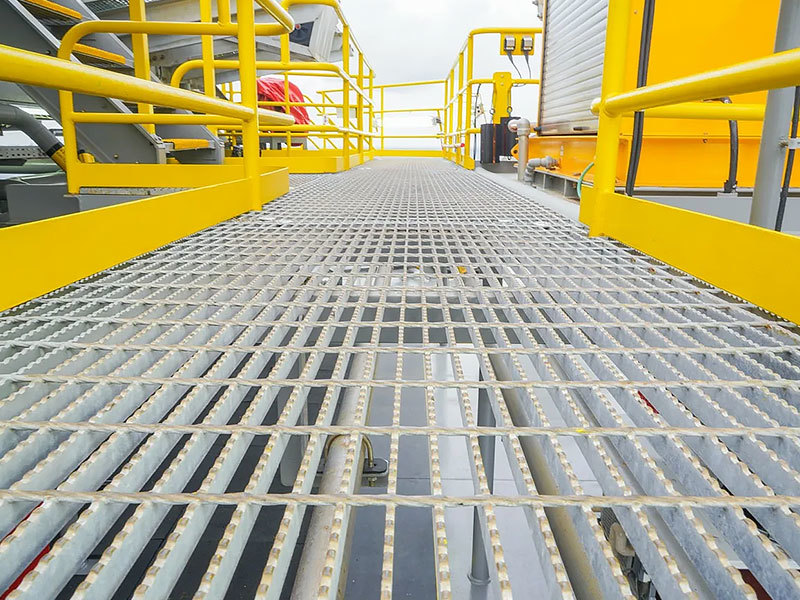
View Products
Wire Mesh Series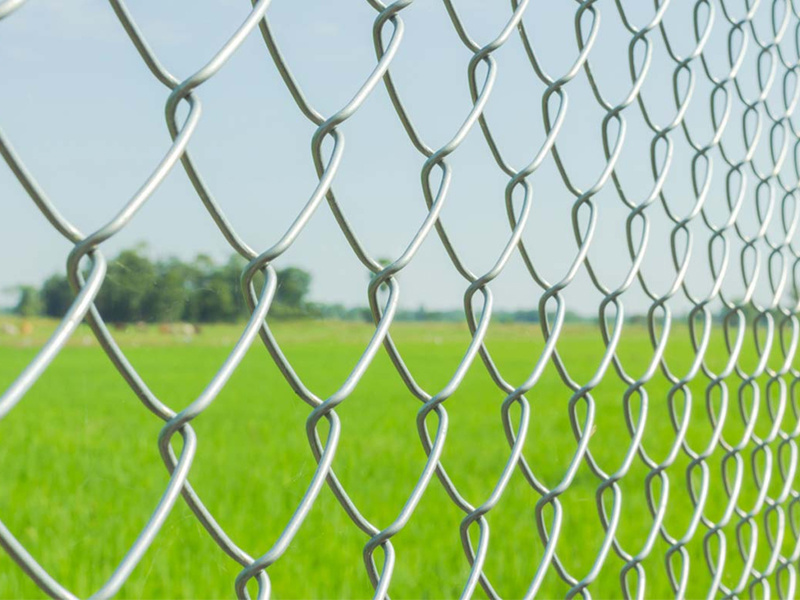
View Products
Wire Mesh Fence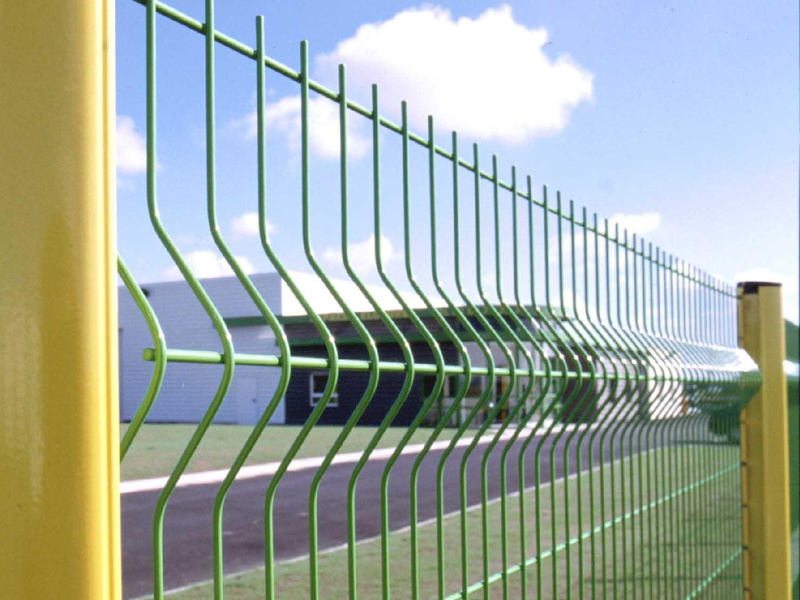
View Products
Barbed Wire Series
View Products
Gabion Basket Series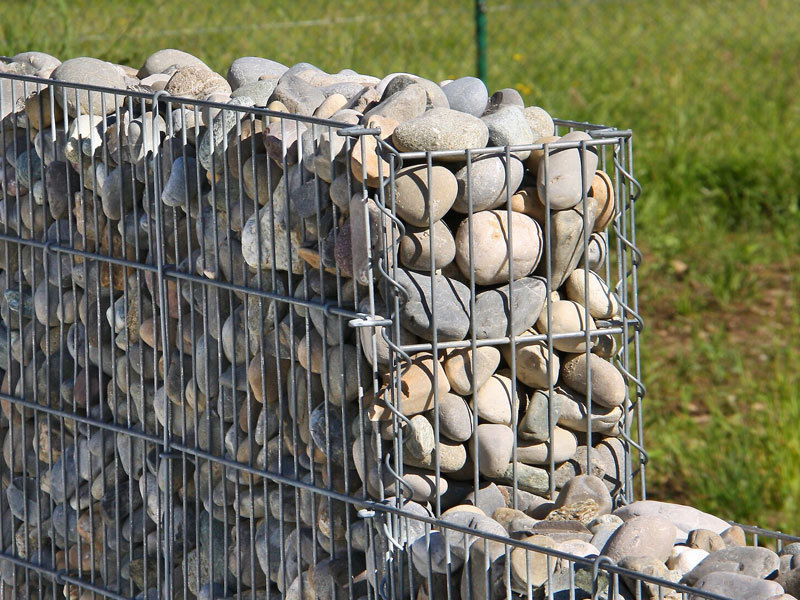
View Products
Steel Pipe Series
View Products
Steel Sheet Series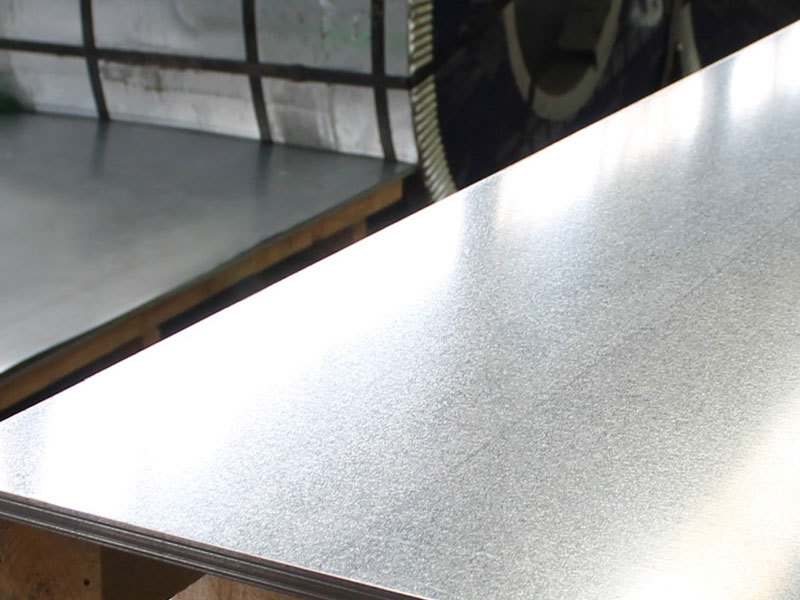
View Products
Steel Coil Series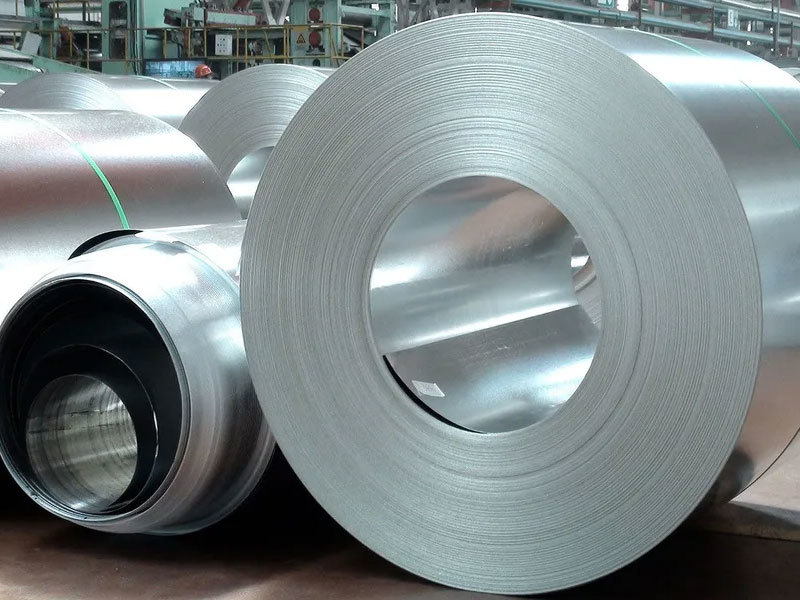
View Products
-
-
-
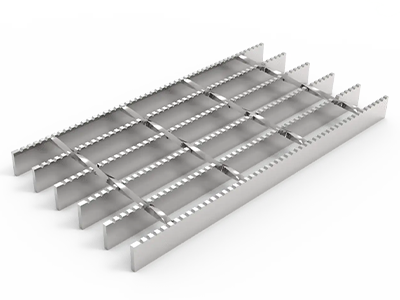
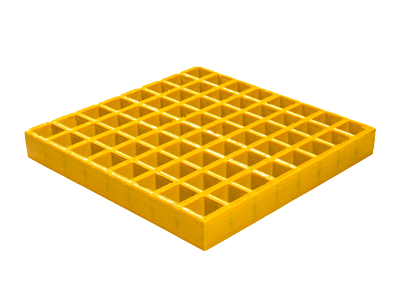




A Comprehensive Guide to Installing Steel Grating: Your Ultimate Resource for a Smooth Installation Process
Mar 28,2026
A Comprehensive Guide to Installing Steel Grating
Steel grating is an essential component in various construction and architectural projects. It offers a robust solution for flooring, walkways, and drainage systems. In this guide, we will explore every aspect of installing steel grating, ensuring that you have all the information needed for a successful installation.
Table of Contents
1. Understa
A Comprehensive Guide to Installing Steel Grating
Steel grating is an essential component in various construction and architectural projects. It offers a robust solution for flooring, walkways, and drainage systems. In this guide, we will explore every aspect of installing steel grating, ensuring that you have all the information needed for a successful installation.
Table of Contents
1. Understanding Steel Grating
2. Types of Steel Grating
3. Applications of Steel Grating
4. Tools and Materials Required
5. Preparing the Installation Site
6. Step-by-Step Installation Process
6.1 Measuring and Cutting the Grating
6.2 Installing the Support Structure
6.3 Securing the Grating
7. Maintenance Tips for Steel Grating
8. Frequently Asked Questions (FAQs)
9. Conclusion
1. Understanding Steel Grating
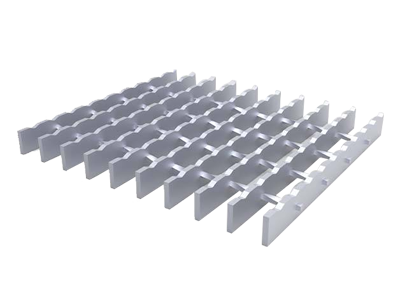
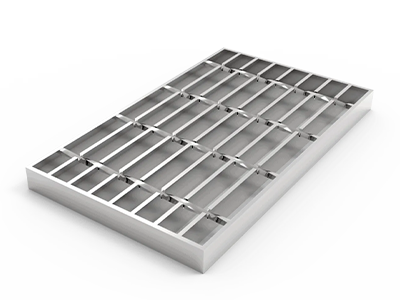
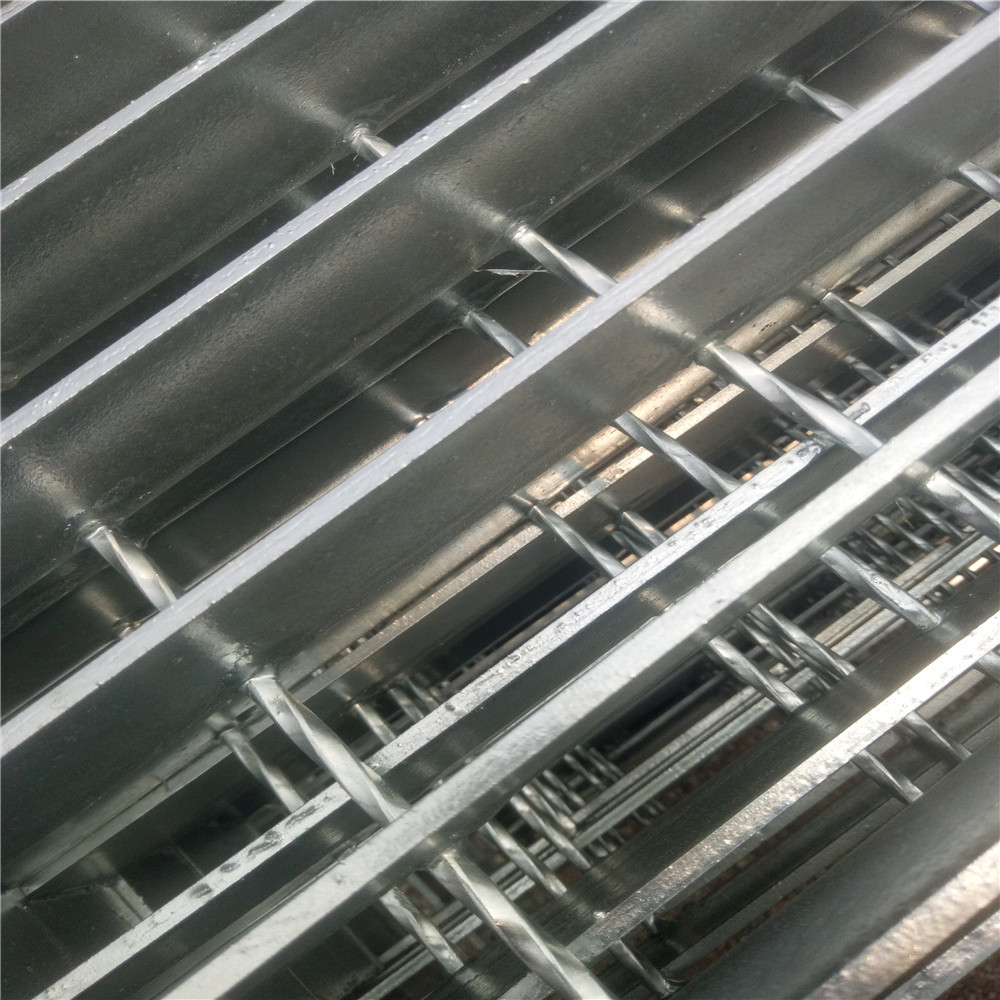
Steel grating consists of a series of parallel bars or slats joined together by a cross-member, creating a strong, open framework. This design allows for excellent drainage and ventilation while providing a non-slip surface. Its strength and durability make it an ideal choice for various applications, from industrial settings to commercial buildings.
2. Types of Steel Grating
Selecting the right type of steel grating is crucial for the success of your project. Here are some common types:
- **Flat Bar Grating**: This features a flat surface and is often used in industrial settings for walkways and platforms.
- **I-Bar Grating**: Made from I-shaped bars, this type offers high strength with a lightweight design, suited for heavy loads.
- **Heavy-Duty Grating**: Designed for extreme conditions, this grating can support substantial loads and is commonly used in manufacturing and storage facilities.
- **Safety Grating**: Incorporating anti-slip features, this type is ideal for areas prone to wet conditions.
3. Applications of Steel Grating
Steel grating is versatile and can be used in various applications, including:
- **Walkways and Platforms**: Provides safe passage for workers and equipment.
- **Drainage Systems**: Helps prevent water accumulation while allowing for effective drainage.
- **Industrial Ramps**: Offers a sturdy surface for vehicles and machinery.
- **Architectural Features**: Adds aesthetic value to buildings while serving functional purposes.
4. Tools and Materials Required
Before starting your installation, gather the necessary tools and materials:
- **Steel Grating Panels**: Choose the appropriate type and size based on your project specifications.
- **Support Frames**: Made of steel, these provide the necessary reinforcement.
- **Fasteners**: Bolts, nuts, and washers to secure the grating to the support structure.
- **Cutting Tools**: Angle grinders or saws for any necessary adjustments.
- **Measuring Tools**: Tape measures and squares for accurate measurements.
- **Safety Gear**: Helmets, gloves, and goggles to ensure safety during installation.
5. Preparing the Installation Site
Preparation is key to a successful steel grating installation. Follow these steps to ensure your site is ready:
1. **Clear the Area**: Remove any debris, obstacles, or previous materials that may hinder the installation process.
2. **Inspect the Substrate**: Ensure that the surface where the grating will be installed is stable, level, and free from cracks.
3. **Mark the Layout**: Using chalk lines or markers, outline where the steel grating panels will be placed to guide your installation.
6. Step-by-Step Installation Process
Now that the preparation is complete, it’s time to install your steel grating. Follow these detailed steps:
6.1 Measuring and Cutting the Grating
1. **Take Accurate Measurements**: Measure the area where the grating will be installed, noting any obstructions.
2. **Cut to Size**: If necessary, cut the grating panels to fit the designated area using a proper cutting tool. Ensure your cuts are straight and clean for a perfect fit.
6.2 Installing the Support Structure
1. **Position the Support Frames**: Place the support frames according to your layout markings. Ensure they are level and spaced correctly to support the grating panels.
2. **Secure the Frames**: Use bolts or anchors to secure the support frames to the substrate, ensuring they are firmly in place.
6.3 Securing the Grating
1. **Lay the Grating Panels**: Carefully position the grating panels onto the support frames, ensuring they fit snugly.
2. **Fasten the Grating**: Use appropriate fasteners to secure the grating panels to the support structure. Ensure that all bolts are tightened adequately for safety.
7. Maintenance Tips for Steel Grating
To ensure the longevity and performance of your steel grating, consider the following maintenance tips:
- **Regular Inspections**: Periodically check for rust, wear, and any loose fasteners.
- **Cleaning**: Remove debris and dirt buildup to maintain slip resistance and drainage efficiency.
- **Rust Prevention**: Apply protective coatings if the grating is exposed to harsh weather conditions or corrosive substances.
8. Frequently Asked Questions (FAQs)
**Q1: What is the best type of steel grating for outdoor use?**
A1: Heavy-duty and safety grating types are often recommended due to their durability and anti-slip features.
**Q2: Can I install steel grating myself?**
A2: Yes, with the right tools and knowledge, DIY installation is feasible. However, professional help is recommended for large or complex projects.
**Q3: How do I calculate the load capacity of steel grating?**
A3: Load capacity depends on the type of grating, its spacing, and the material used. Consult product specifications or a structural engineer for accurate calculations.
**Q4: Is steel grating resistant to corrosion?**
A4: Standard steel grating can be prone to corrosion. Opting for galvanized or stainless steel grating can enhance its resistance to rust.
**Q5: How do I maintain steel grating?**
A5: Regular inspections, cleaning, and applying protective coatings can help maintain its condition and longevity.
9. Conclusion
Installing steel grating may seem daunting, but with the right knowledge and preparation, you can achieve a successful outcome. By understanding the various types of steel grating, their applications, and the necessary steps for installation, you can ensure a safe and durable solution for your project. Remember to prioritize safety, follow best practices, and maintain your grating for optimal performance. With this comprehensive guide, you're now equipped to handle your steel grating installation with confidence.
TAG:
Contact Us
Phone/WhatsApp
Address
B1213 Global Centre, No.226 Zhonghua North Street, Shijiazhuang, China


WhatsApp / Wechat
TEL / FAX
Address
B1213 Global Centre, No.226 Zhonghua North Street, Shijiazhuang, China