

-
Grating Series
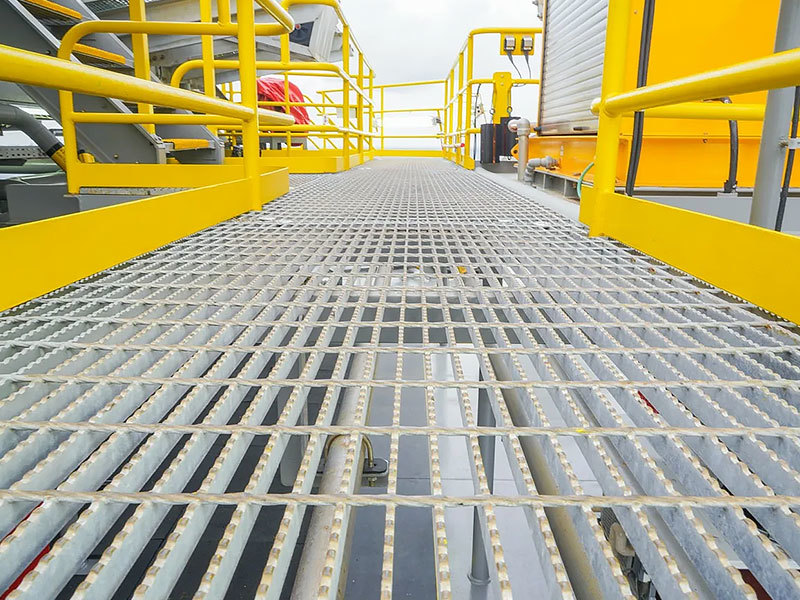
View Products
Wire Mesh Series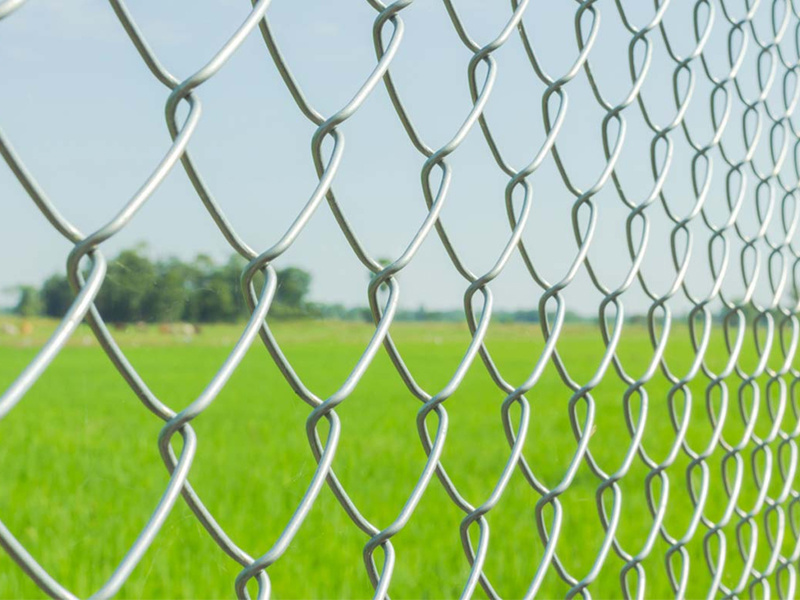
View Products
Wire Mesh Fence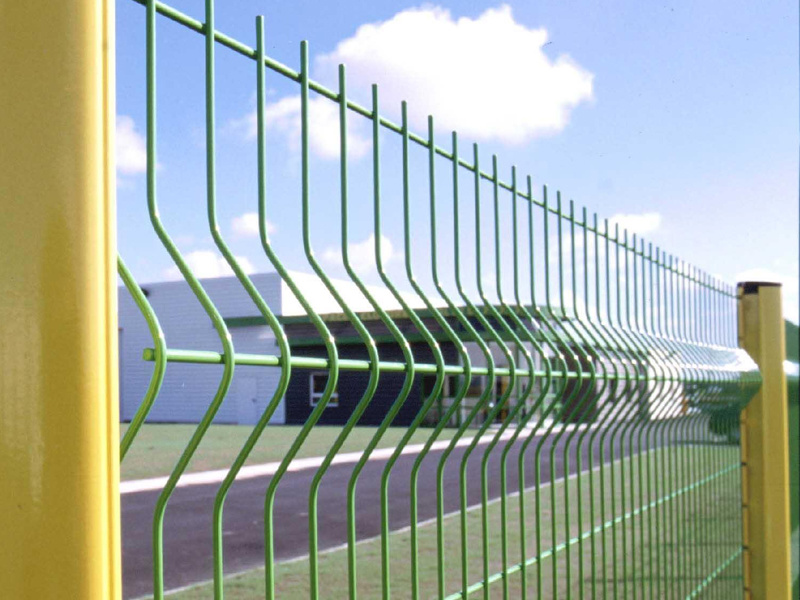
View Products
Barbed Wire Series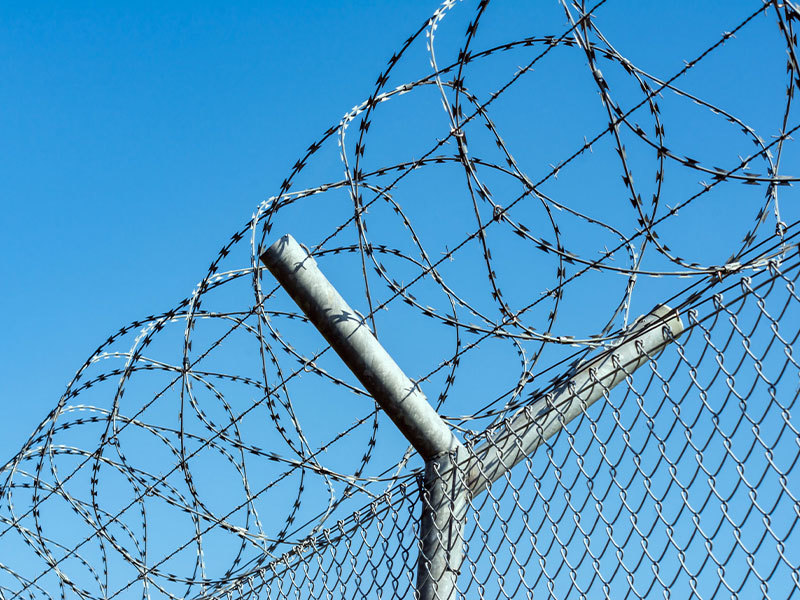
View Products
Gabion Basket Series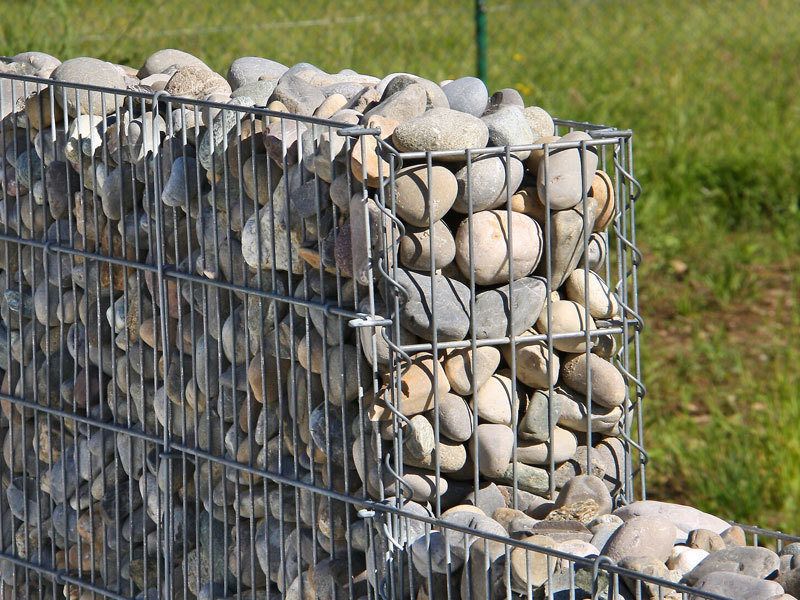
View Products
Steel Pipe Series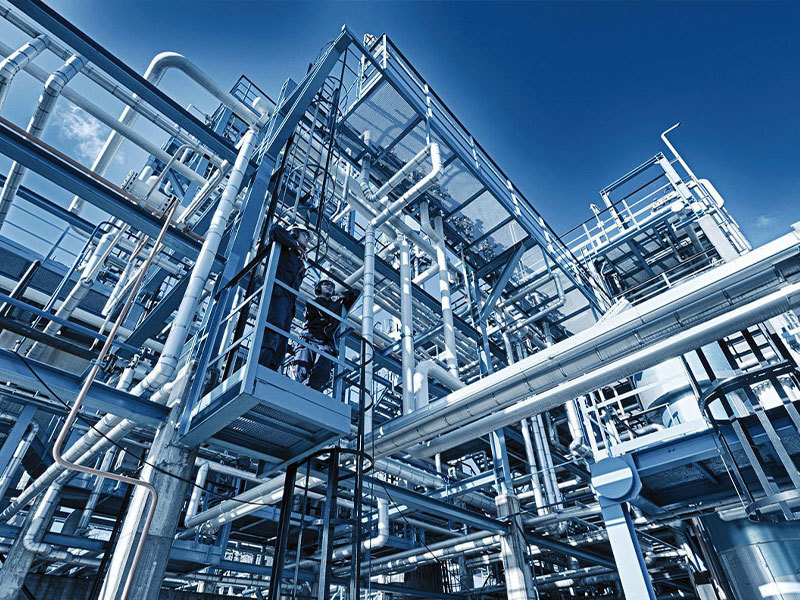
View Products
Steel Sheet Series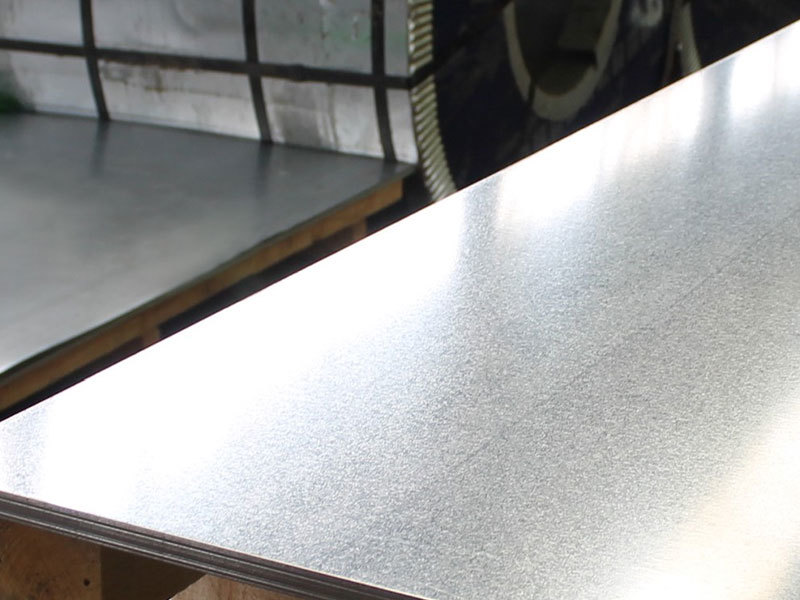
View Products
Steel Coil Series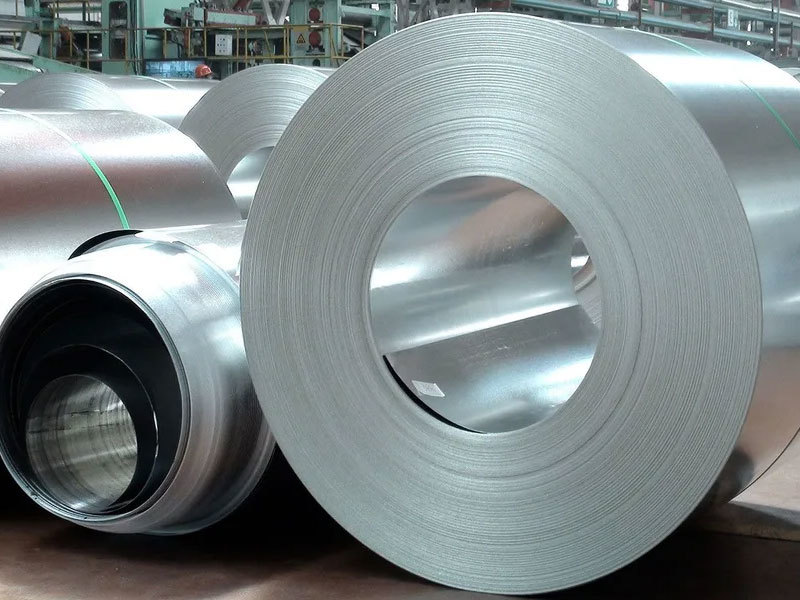
View Products
-
-
-

Sustainability Benefits of Using Chequered Sheets in Construction: A Comprehensive Guide
Mar 26,2026
Sustainability Benefits of Using Chequered Sheets in Construction
Introduction to Chequered Sheets
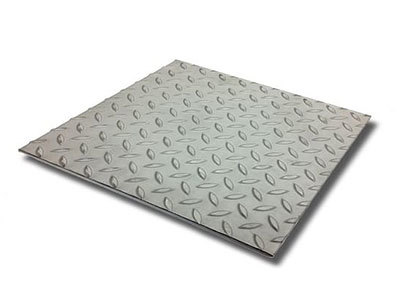
Chequered sheets, also known as checker plates or tread plates, are types of metal sheets featuring raised patterns. Primarily made of steel or aluminum, these sheets are widely used in construction due to their durability, slip resistance, and aesthetic appeal. In recent years, the focus on sustaina

Sustainability Benefits of Using Chequered Sheets in Construction
Introduction to Chequered Sheets
Chequered sheets, also known as checker plates or tread plates, are types of metal sheets featuring raised patterns. Primarily made of steel or aluminum, these sheets are widely used in construction due to their durability, slip resistance, and aesthetic appeal. In recent years, the focus on sustainability in construction has enhanced the relevance of chequered sheets as eco-friendly materials. This article delves into the sustainability benefits of using chequered sheets and how they can be integral to environmentally responsible building practices.
Understanding Sustainability in Construction
The Importance of Sustainable Materials
Sustainability in construction involves utilizing materials and methods that minimize negative environmental impacts while promoting energy efficiency and resource conservation. Sustainable materials are crucial as they contribute to reduced waste, lower carbon footprints, and improved indoor air quality.
How Chequered Sheets Contribute to Sustainability
Chequered sheets offer several advantages that align with sustainable construction goals. Their durability, recyclability, and energy efficiency make them an ideal choice for modern construction projects focused on reducing environmental impacts.
Durability and Longevity of Chequered Sheets
Extended Lifespan Reduces Waste
One of the primary benefits of chequered sheets is their remarkable durability. These materials withstand harsh environmental conditions, including moisture, extreme temperatures, and physical wear and tear. Chequered sheets can last for decades, reducing the need for frequent replacements and thereby minimizing construction waste.
Resistance to Corrosion and Damage
Chequered sheets made of galvanized steel or aluminum are highly resistant to corrosion, which can significantly extend their lifespan. This resistance not only enhances the sheets' durability but also minimizes maintenance requirements, further contributing to sustainable practices by reducing the need for additional resources and labor.
Recyclability: A Key Factor in Sustainability
Recycling Chequered Sheets
Chequered sheets are often produced from recyclable materials, making them an environmentally friendly choice. When these sheets reach the end of their useful life, they can be recycled into new products, significantly reducing landfill waste.
Encouraging Circular Economy Practices
By opting for chequered sheets, the construction industry can contribute to a circular economy, where materials are continuously reused and recycled. This approach not only conserves resources but also supports local recycling initiatives and reduces greenhouse gas emissions associated with manufacturing new materials.
Energy Efficiency and Insulation Properties
Thermal Performance of Chequered Sheets
Incorporating chequered sheets into building designs can enhance energy efficiency by improving thermal insulation. Their density and reflective surfaces can help maintain stable indoor temperatures, reducing reliance on heating and cooling systems.
Lower Energy Consumption
By improving energy efficiency, chequered sheets help to lower energy consumption in buildings. This reduction translates into decreased operational costs for building owners and tenants, which encourages the adoption of more sustainable building practices.
Cost-Effectiveness of Chequered Sheets
Long-Term Financial Benefits
While the initial investment in chequered sheets may be higher than less durable alternatives, their longevity and low maintenance requirements result in cost savings over time. By reducing repair and replacement costs, chequered sheets prove to be a financially sound choice for both contractors and property owners.
Insurance and Resale Value
Buildings that utilize durable materials like chequered sheets often have reduced insurance premiums due to their resilience against damage. Additionally, properties constructed with high-quality, sustainable materials typically achieve higher resale values, making them attractive investments.
Applications of Chequered Sheets in Sustainable Construction
Flooring and Walkways
Chequered sheets are commonly used for flooring in industrial and commercial buildings. Their slip-resistant surface makes them ideal for walkways, especially in areas where moisture or spills are present. This safety feature is essential in enhancing workplace safety while contributing to a sustainable environment by reducing accidents.
Architectural Features
Beyond functional applications, chequered sheets can also serve aesthetic purposes in construction. Their distinctive patterns can enhance the architectural appeal of buildings, allowing for creative designs that align with sustainable principles.
Structural Support and Safety
In addition to flooring, chequered sheets can be used in railings, stairs, and structural supports. Their strength and durability ensure the safety of these elements, contributing to the long-term integrity of the building.
Regulatory Compliance and Sustainability Standards
Meeting Green Building Certifications
Utilizing chequered sheets in construction can help projects meet various green building certifications, such as LEED (Leadership in Energy and Environmental Design). These certifications demonstrate a commitment to sustainability, potentially increasing marketability and attracting environmentally conscious buyers.
Government Regulations on Sustainable Materials
As governments worldwide implement stricter regulations on construction materials and practices, using chequered sheets can help builders comply with these standards. Selecting sustainable materials can enhance a company's reputation and reduce the risk of regulatory penalties.
Challenges and Considerations
Initial Costs and Budget Constraints
One challenge in adopting chequered sheets in construction is the initial cost. While their long-term benefits are significant, budget constraints may deter some builders from choosing these materials. It is essential to weigh the initial investment against the potential for long-term savings.
Availability of Sustainable Options
While chequered sheets are widely available, ensuring that they are sourced from sustainable and ethical suppliers is crucial. Builders must conduct thorough research to select chequered sheets that meet sustainability criteria, including ethical manufacturing processes and the use of recyclable materials.
Future Trends in Using Chequered Sheets for Sustainable Construction
Innovative Materials and Technology
As technology advances, we can expect to see innovative developments in chequered sheet materials. Manufacturers are exploring new alloys and treatments that enhance durability, recyclability, and energy efficiency, further solidifying chequered sheets as a key player in sustainable construction.
Increased Awareness of Sustainability
As the construction industry continues to prioritize sustainability, the demand for eco-friendly materials like chequered sheets will likely increase. Builders and architects will increasingly recognize the importance of incorporating sustainable materials into their designs, driven by both consumer demand and regulatory requirements.
Conclusion
In summary, the sustainability benefits of using chequered sheets in construction are numerous and significant. From their durability and recyclability to their energy efficiency and cost-effectiveness, chequered sheets present a compelling case for their use in modern construction. As we continue to embrace eco-friendly practices, integrating chequered sheets into our building projects can contribute to a more sustainable future. By choosing these versatile materials, we not only enhance the longevity and safety of our structures but also play a vital role in promoting environmental responsibility within the construction industry.
FAQs
1. What are chequered sheets made of?
Chequered sheets are typically made from materials such as galvanized steel or aluminum, both of which offer durability and resistance to corrosion.
2. How do chequered sheets enhance safety in construction?
The slip-resistant surface of chequered sheets provides superior traction, reducing the risk of accidents on walkways and flooring.
3. Are chequered sheets environmentally friendly?
Yes, chequered sheets are environmentally friendly due to their recyclability and durability, which help reduce waste and conserve resources.
4. Can chequered sheets be used for both indoor and outdoor applications?
Absolutely! Chequered sheets are suitable for both indoor and outdoor applications, making them versatile in construction and architectural designs.
5. How do chequered sheets contribute to energy efficiency?
Chequered sheets can improve thermal insulation in buildings, helping to maintain stable indoor temperatures and reduce reliance on heating and cooling systems.
TAG:
Contact Us
Phone/WhatsApp
Address
B1213 Global Centre, No.226 Zhonghua North Street, Shijiazhuang, China


WhatsApp / Wechat
TEL / FAX
Address
B1213 Global Centre, No.226 Zhonghua North Street, Shijiazhuang, China