

-
Grating Series
View Products
Wire Mesh Series
View Products
Wire Mesh Fence
View Products
Barbed Wire Series
View Products
Gabion Basket Series
View Products
Steel Pipe Series
View Products
Steel Sheet Series
View Products
Steel Coil Series
View Products
-
-
-
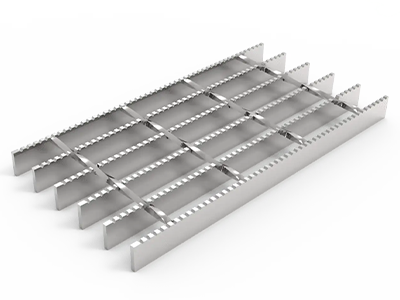








The Aesthetic Appeal of Stainless Steel Grating in Architecture: Redefining Modern Design
Mar 22,2026
The Aesthetic Appeal of Stainless Steel Grating in Architecture
Stainless steel grating has emerged as a prominent element in modern architectural design, blending aesthetic beauty with unmatched functionality. With its unique properties and versatile applications, stainless steel grating not only serves practical purposes but also elevates the visual appeal of structures. In this comprehensive ex

The Aesthetic Appeal of Stainless Steel Grating in Architecture
Stainless steel grating has emerged as a prominent element in modern architectural design, blending aesthetic beauty with unmatched functionality. With its unique properties and versatile applications, stainless steel grating not only serves practical purposes but also elevates the visual appeal of structures. In this comprehensive exploration, we will delve into the various aspects of stainless steel grating, examining its design possibilities, advantages, and role in contemporary architecture.
Table of Contents
- Introduction to Stainless Steel Grating in Architecture
- Benefits of Stainless Steel Grating
- Design Possibilities with Stainless Steel Grating
- Applications of Stainless Steel Grating in Architecture
- Sustainability and Environmental Impact
- Maintenance of Stainless Steel Grating
- Case Studies: Successful Uses of Stainless Steel Grating
- The Future of Stainless Steel Grating in Architecture
- Conclusion
- FAQs
Introduction to Stainless Steel Grating in Architecture
In an era where aesthetics and functionality unite, stainless steel grating has carved its niche in architectural design. This material, known for its durability and resistance to corrosion, is favored by architects and builders alike. Stainless steel grating provides an elegant solution for various architectural needs, from flooring to facades. Its visual appeal is complemented by its structural integrity, making it an ideal choice for both indoor and outdoor applications.
Benefits of Stainless Steel Grating
Stainless steel grating offers a multitude of benefits that contribute to its popularity in architecture:
1. Durability and Longevity
Stainless steel is renowned for its strength and resistance to wear and tear. Unlike traditional materials, stainless steel grating withstands harsh environmental conditions, ensuring a long lifespan and reducing maintenance costs.
2. Aesthetic Versatility
Available in various designs, finishes, and styles, stainless steel grating can complement any architectural theme. From modern minimalist structures to classical designs, this material can be customized to meet diverse aesthetic preferences.
3. Safety Features
The slip-resistant surface of stainless steel grating provides safety in high-traffic areas, making it a preferred choice for walkways, staircases, and industrial applications. This safety feature enhances its practicality in both residential and commercial spaces.
4. Eco-Friendly Characteristics
Stainless steel is fully recyclable, contributing to sustainable building practices. Choosing stainless steel grating supports eco-friendly construction and design, aligning with the growing emphasis on sustainability in architecture.
Design Possibilities with Stainless Steel Grating
The versatility of stainless steel grating opens up a world of design possibilities in architecture. Here are some innovative uses:
1. Decorative Facades
Incorporating stainless steel grating into building facades creates striking visual effects. The interplay of light and shadow through the grating can transform a mundane exterior into an eye-catching feature.
2. Modern Flooring Options
Stainless steel grating serves as an excellent flooring material in both indoor and outdoor settings. Its sleek appearance, combined with durability, makes it a popular choice for contemporary spaces.
3. Architectural Elements
From railings to screens, stainless steel grating can enhance various architectural elements. Its unique designs can serve both functional and decorative purposes, enriching the overall aesthetic of a structure.
4. Landscaping Features
Incorporating stainless steel grating into landscape designs adds a modern touch. It can be used in garden pathways, bridges, and outdoor seating areas, seamlessly blending with nature while maintaining a contemporary look.
Applications of Stainless Steel Grating in Architecture
Stainless steel grating finds wide-ranging applications across various architectural domains:
1. Commercial Buildings
In commercial spaces, stainless steel grating is used for flooring, staircases, and ventilation systems. Its durability and style make it suitable for high-traffic environments, enhancing both safety and visual appeal.
2. Residential Properties
Homeowners are increasingly adopting stainless steel grating for balconies, decks, and outdoor spaces. Its ability to withstand weather elements while offering modern aesthetics makes it an attractive choice.
3. Industrial Sites
Industrial applications benefit from the strength and safety features of stainless steel grating. It is commonly used in factories, warehouses, and manufacturing plants where durability and maintenance are paramount.
4. Public Spaces
Parks, plazas, and public walkways utilize stainless steel grating for its slip-resistant properties and striking design. This material enhances the safety and attractiveness of communal areas.
Sustainability and Environmental Impact
As architects and builders strive for eco-friendly solutions, stainless steel grating stands out due to its sustainable characteristics:
1. Recyclability
Stainless steel is 100% recyclable, allowing for a circular economy in construction materials. When structures reach the end of their lifecycle, stainless steel grating can be repurposed, reducing waste.
2. Reduced Resource Consumption
The durability of stainless steel grating minimizes the need for frequent replacements. This longevity leads to lower resource consumption over time, contributing to sustainable building practices.
3. Energy Efficiency
Incorporating stainless steel grating in building designs can improve energy efficiency. Its reflective properties can contribute to better thermal performance, reducing energy consumption for heating and cooling.
Maintenance of Stainless Steel Grating
While stainless steel grating is known for its durability, proper maintenance ensures it remains in optimal condition:
1. Regular Cleaning
Periodic cleaning helps retain the aesthetic appeal of stainless steel grating. Simple maintenance, such as washing with soap and water, can prevent buildup and corrosion.
2. Inspection for Damage
Routine inspections are crucial for identifying any potential issues early. Addressing scratches or dents promptly can prolong the lifespan of the grating.
3. Use of Protective Coatings
Applying protective coatings can enhance the corrosion resistance of stainless steel grating, especially in harsh environments. This extra layer of protection ensures that the grating maintains its visual appeal and structural integrity.
Case Studies: Successful Uses of Stainless Steel Grating
Examining real-world examples provides insight into the successful application of stainless steel grating in architecture:
1. The High Line, New York City
The elevated park known as The High Line features stainless steel grating in its design. The material complements the park's modern aesthetic while allowing light to filter through to the plantings below.
2. Louvre Museum, Abu Dhabi
In the Louvre Museum, stainless steel grating is used in the intricate dome design. The grating's reflective properties enhance the play of light within the structure, adding to its artistic value.
3. One World Trade Center, New York City
Stainless steel grating plays a pivotal role in the design of One World Trade Center. Its use in flooring and railings combines safety with elegance, fitting the monument's significance.
The Future of Stainless Steel Grating in Architecture
As architectural design continues to evolve, the role of stainless steel grating will likely expand:
1. Innovative Design Trends
The integration of technology and design is poised to enhance the use of stainless steel grating. Innovative manufacturing processes may lead to even more intricate and customizable designs.
2. Focus on Sustainability
As sustainability becomes a priority in architecture, the demand for eco-friendly materials like stainless steel grating will grow. Architects will increasingly seek sustainable solutions that align with environmental goals.
3. Adaptation to Urban Living
With urban spaces becoming more crowded, the need for multifunctional materials will rise. Stainless steel grating can serve dual purposes, merging aesthetics with practicality in space-constrained environments.
Conclusion
In conclusion, stainless steel grating is more than just a functional material; it is a vital component of modern architectural aesthetics. Its durability, versatility, and sustainable characteristics make it an ideal choice for a wide range of applications, from commercial buildings to public spaces. As architects continue to innovate, the aesthetic appeal of stainless steel grating will undoubtedly play a significant role in shaping the future of architectural design.
FAQs
1. What is stainless steel grating?
Stainless steel grating is a durable material made from stainless steel, often used for flooring, walkways, and decorative elements in architecture.
2. Why is stainless steel grating popular in architecture?
Its combination of aesthetic appeal, durability, safety features, and eco-friendliness makes it a favored choice among architects and builders.
3. How do you maintain stainless steel grating?
Regular cleaning, inspections for damage, and applying protective coatings can help maintain the appearance and integrity of stainless steel grating.
4. Can stainless steel grating be recycled?
Yes, stainless steel is 100% recyclable, making it an eco-friendly option for architectural applications.
5. What are some innovative uses of stainless steel grating in architecture?
Stainless steel grating is used in decorative facades, modern flooring, architectural elements, and landscaping features, showcasing its versatility in design.
TAG:
PREVIOUS:
Contact Us
Phone/WhatsApp
Address
B1213 Global Centre, No.226 Zhonghua North Street, Shijiazhuang, China


WhatsApp / Wechat
TEL / FAX
Address
B1213 Global Centre, No.226 Zhonghua North Street, Shijiazhuang, China