

-
Grating Series
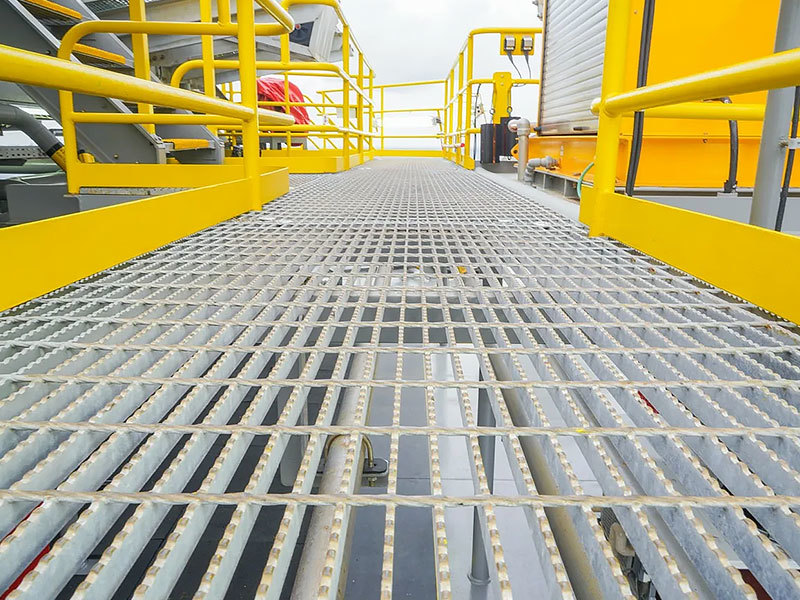
View Products
Wire Mesh Series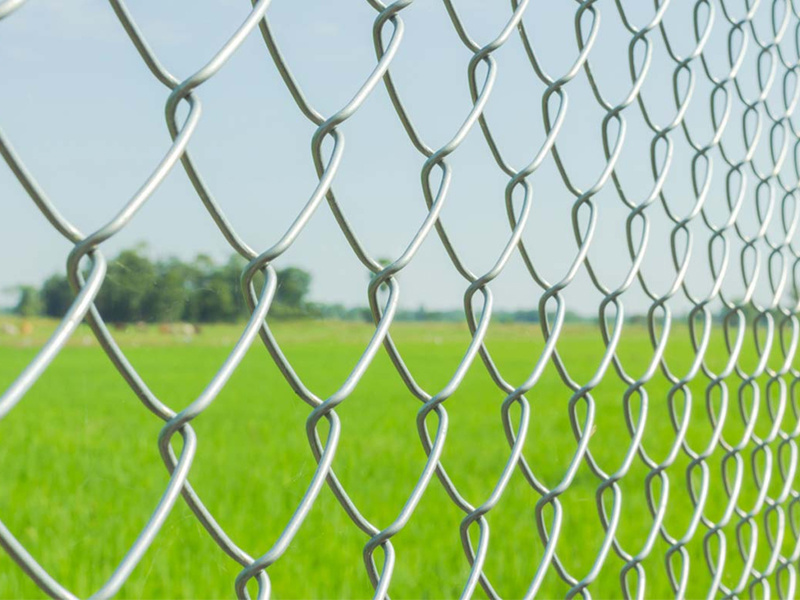
View Products
Wire Mesh Fence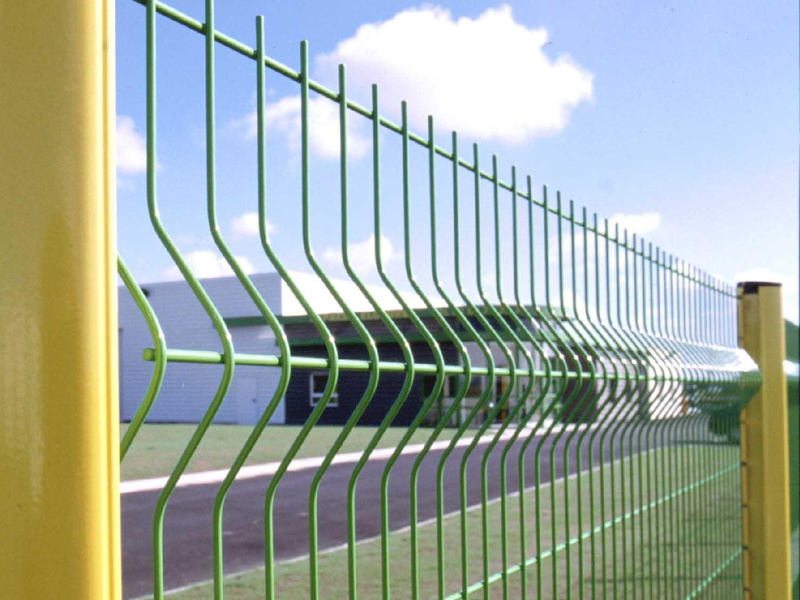
View Products
Barbed Wire Series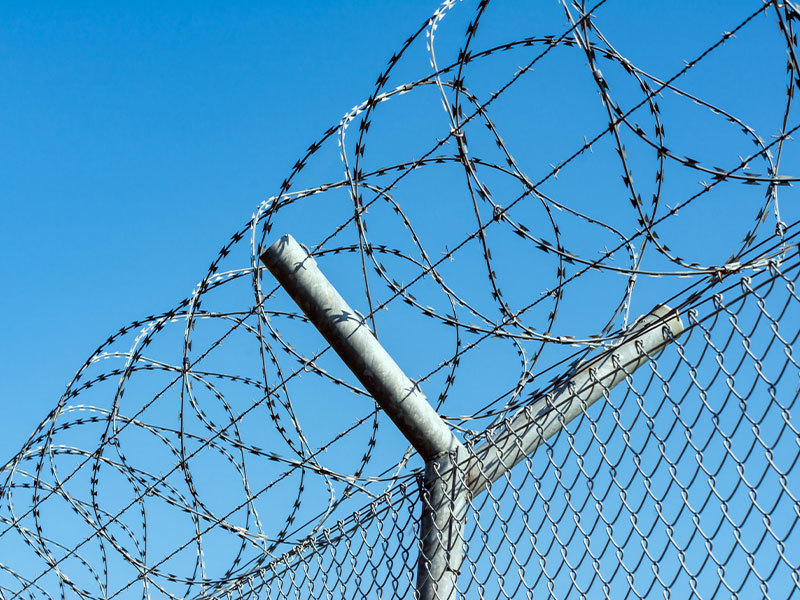
View Products
Gabion Basket Series
View Products
Steel Pipe Series
View Products
Steel Sheet Series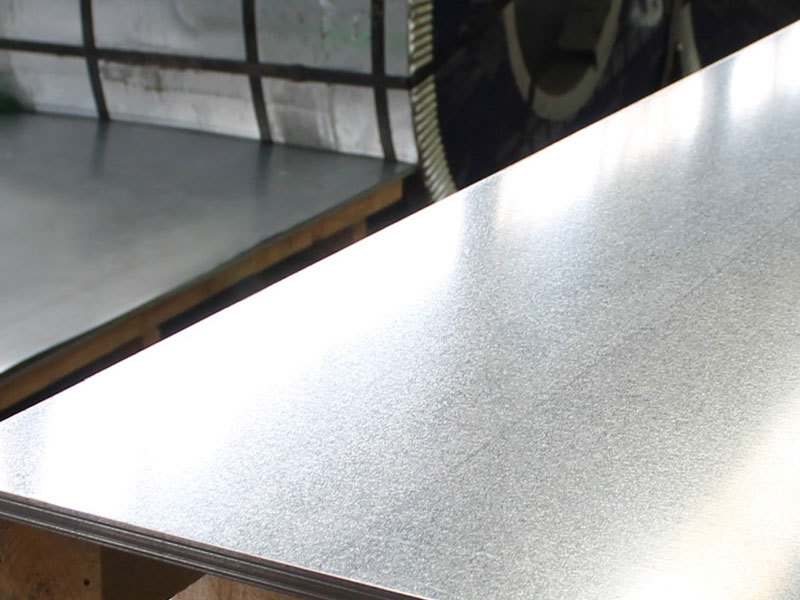
View Products
Steel Coil Series
View Products
-
-
-

Chequered Sheets vs. Traditional Steel: Which Is Better for Your Construction Needs?
Mar 18,2026

Chequered Sheets vs. Traditional Steel: Which Is Better for Your Construction Needs?
When it comes to choosing materials for construction and decoration, selecting the right type of steel is crucial. Two popular options are chequered sheets and traditional steel. Each has its own set of advantages and disadvantages, making them suitable for different applications. In this comprehensive article, we will delve deep into the characteristics of both materials, helping you determine which option is best for your specific needs.
Table of Contents
- 1. Understanding Chequered Sheets
- 2. Exploring Traditional Steel
- 3. Key Differences Between Chequered Sheets and Traditional Steel
- 4. Advantages of Chequered Sheets
- 5. Advantages of Traditional Steel
- 6. Applications of Chequered Sheets
- 7. Applications of Traditional Steel
- 8. Cost Comparison: Chequered Sheets vs. Traditional Steel
- 9. Frequently Asked Questions
- 10. Conclusion
1. Understanding Chequered Sheets
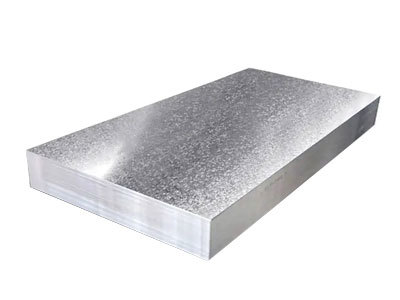
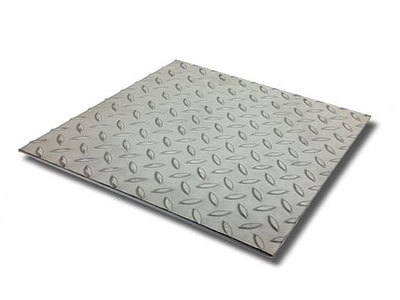
Chequered sheets, also known as diamond plates, are metal plates with a raised pattern that resembles a series of diamonds or squares. They are commonly made from materials such as aluminum, stainless steel, or carbon steel. The raised design provides excellent traction, making chequered sheets ideal for use in environments where slip resistance is essential.
One of the standout features of chequered sheets is their aesthetic appeal. The unique pattern adds a decorative touch to various applications, from flooring to wall coverings. Moreover, chequered sheets can be customized to meet specific project requirements, such as thickness, size, and material type.
2. Exploring Traditional Steel
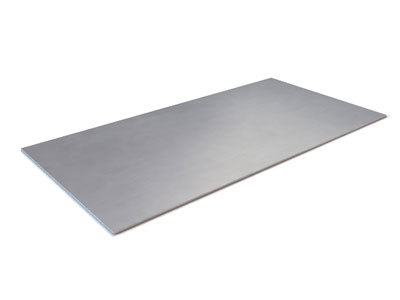
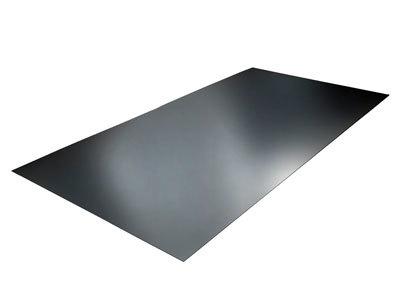
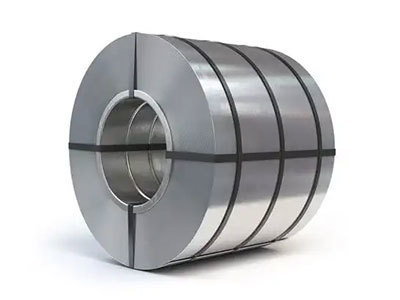
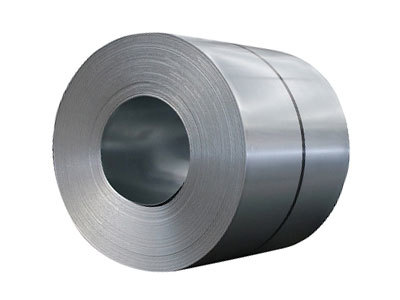
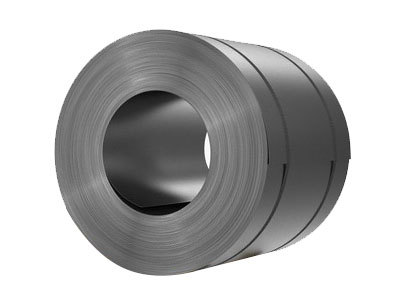
Traditional steel refers to standard flat or rolled steel sheets that do not have any specialized surface patterns. These sheets are known for their structural strength and versatility, making them a staple in construction projects. Available in various grades and thicknesses, traditional steel can be used in everything from beams and columns to roofing and siding.
One of the key attributes of traditional steel is its ability to withstand heavy loads and stresses. This characteristic makes it an excellent choice for structural applications where durability and strength are paramount. Additionally, traditional steel can be easily welded, cut, and shaped to meet the specific needs of any project.
3. Key Differences Between Chequered Sheets and Traditional Steel
When comparing chequered sheets to traditional steel, several fundamental differences emerge:
3.1 Surface Design
Chequered sheets feature a patterned surface, while traditional steel is flat. The textured surface of chequered sheets enhances grip and traction, making them suitable for safety-critical applications.
3.2 Aesthetic Appeal
Chequered sheets often provide a more visually appealing option, especially for architectural and decorative projects. Traditional steel, while functional, may require additional finishing to achieve a polished appearance.
3.3 Weight and Thickness
Chequered sheets tend to be lighter than traditional steel of equal thickness due to their design. This can affect transportation costs and ease of installation.
4. Advantages of Chequered Sheets
Chequered sheets offer several benefits that make them an attractive option for various applications:
4.1 Enhanced Safety
The textured surface of chequered sheets significantly reduces the risk of slips and falls, making them ideal for high-traffic areas such as walkways, ramps, and industrial floors.
4.2 Versatility
Chequered sheets can be used in diverse applications, including flooring, wall coverings, and decorative features. They can also be easily cut or welded to fit specific project requirements.
4.3 Lightweight Nature
The reduced weight of chequered sheets compared to traditional steel allows for easier handling and installation, potentially lowering labor costs in construction projects.
5. Advantages of Traditional Steel
Traditional steel also boasts a wide array of advantages that contribute to its popularity in construction:
5.1 High Strength
Traditional steel is renowned for its exceptional strength and load-bearing capacity, making it the go-to choice for structural applications that need to support heavy loads.
5.2 Cost-Effectiveness
Generally, traditional steel is more affordable than specialized materials like chequered sheets. This cost advantage can be significant for large-scale construction projects.
5.3 Easy Fabrication
Traditional steel is straightforward to fabricate. It can be welded, cut, and shaped with ease, allowing for greater flexibility in design and construction.
6. Applications of Chequered Sheets
Chequered sheets find application across various sectors, including:
6.1 Industrial Flooring
Chequered sheets are widely used for industrial flooring due to their slip-resistant properties and durability.
6.2 Wall Panels
The aesthetic appeal of chequered sheets makes them a popular choice for wall panels in residential and commercial properties.
6.3 Decorative Elements
Chequered sheets can be utilized for decorative features in buildings, enhancing both functionality and style.
7. Applications of Traditional Steel
Traditional steel is utilized in a myriad of applications, including:
7.1 Structural Frameworks
Due to its strength, traditional steel is commonly used in beams, columns, and frameworks of buildings.
7.2 Roofing and Siding
Traditional steel sheets are often employed in roofing and siding applications, providing durability and protection against the elements.
7.3 Machinery and Equipment
Traditional steel is extensively used in the manufacturing of machinery and equipment due to its strength and ease of fabrication.
8. Cost Comparison: Chequered Sheets vs. Traditional Steel
When it comes to cost, both chequered sheets and traditional steel have their own pricing structures. Generally speaking, traditional steel tends to be less expensive than chequered sheets. However, the overall costs will depend on various factors, including the project scale, material thickness, and any additional processing required.
It is essential to consider not only the upfront costs but also the long-term benefits each material offers. For instance, while chequered sheets may have a higher initial cost, their slip-resistant qualities could lead to reduced accident-related expenses in the long run.
9. Frequently Asked Questions
9.1 What are the main uses of chequered sheets?
Chequered sheets are primarily used for flooring, wall panels, and decorative features in various industrial and commercial applications.
9.2 Are chequered sheets more expensive than traditional steel?
Yes, chequered sheets typically have a higher cost compared to traditional steel, but they offer additional safety benefits.
9.3 Can traditional steel be used in decorative applications?
While traditional steel is mainly used for structural purposes, it can also be treated or finished to create decorative elements.
9.4 How do I choose between chequered sheets and traditional steel?
Consider the specific requirements of your project, including safety needs, aesthetic preferences, and budget constraints.
9.5 What factors influence the price of steel materials?
The price of steel materials is influenced by factors such as material grade, thickness, surface finish, and market demand.
10. Conclusion
In the debate of chequered sheets vs. traditional steel, the choice ultimately depends on your project's specific requirements and objectives. Chequered sheets excel in safety and aesthetics, making them ideal for applications where slip resistance is crucial. On the other hand, traditional steel offers unparalleled strength and cost-effectiveness, making it a preferred choice for structural applications.
As you make your decision, carefully consider the advantages and disadvantages of each material, keeping in mind the unique needs of your construction or decoration project. By weighing these factors, you can ensure that your choice will meet both functional and aesthetic requirements, ultimately leading to a successful outcome.
Contact Us
Phone/WhatsApp
Address
B1213 Global Centre, No.226 Zhonghua North Street, Shijiazhuang, China


WhatsApp / Wechat
TEL / FAX
Address
B1213 Global Centre, No.226 Zhonghua North Street, Shijiazhuang, China