

-
Grating Series
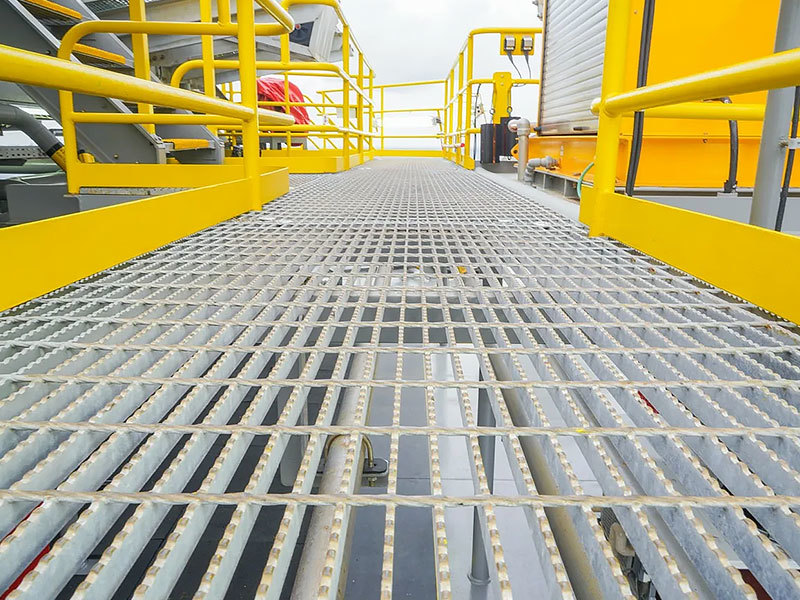
View Products
Wire Mesh Series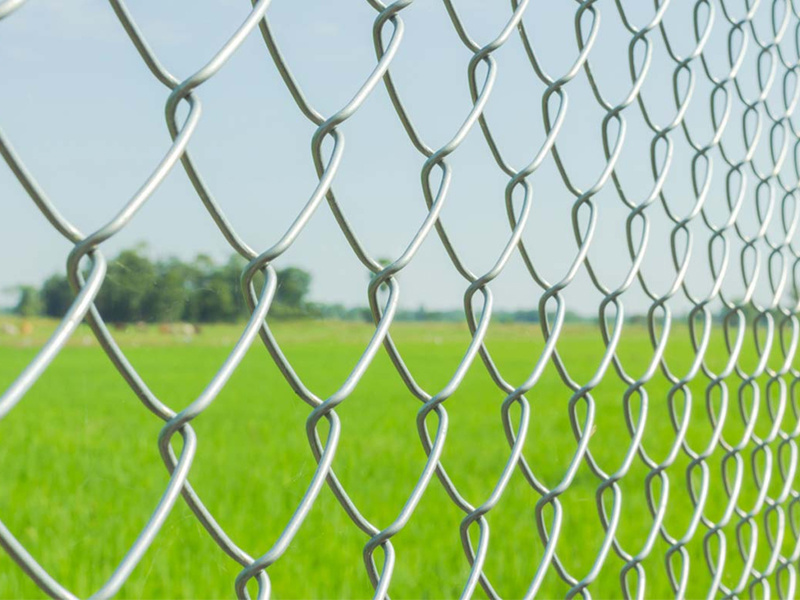
View Products
Wire Mesh Fence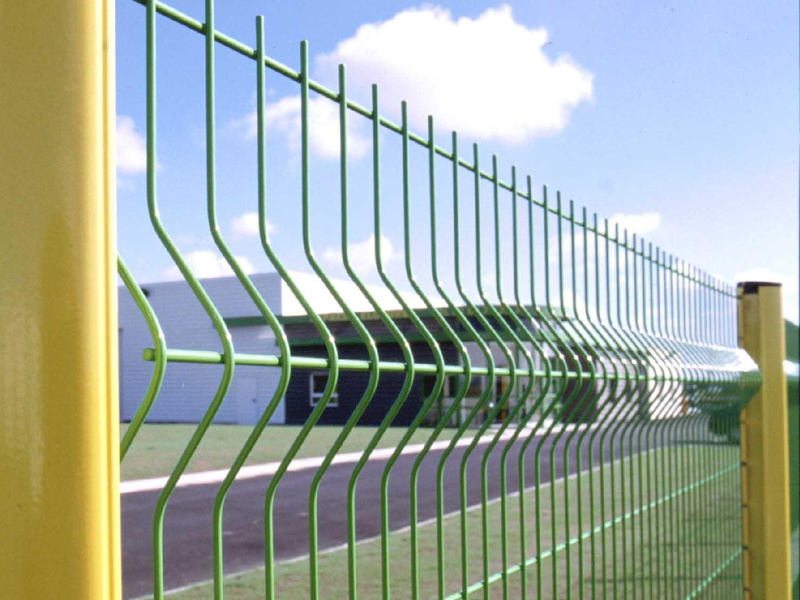
View Products
Barbed Wire Series
View Products
Gabion Basket Series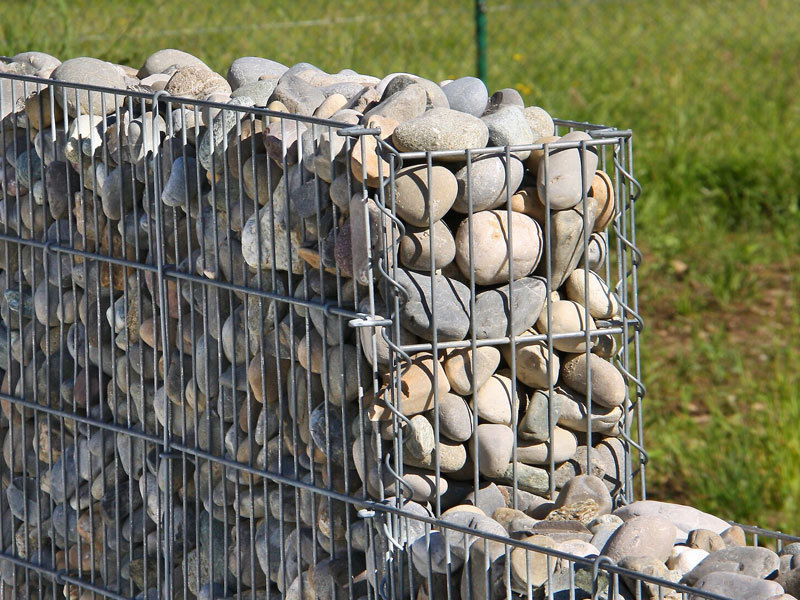
View Products
Steel Pipe Series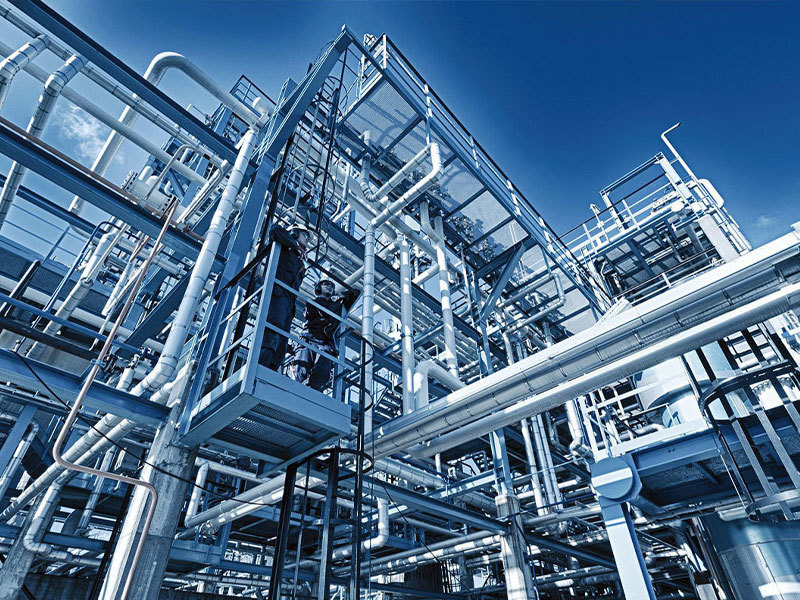
View Products
Steel Sheet Series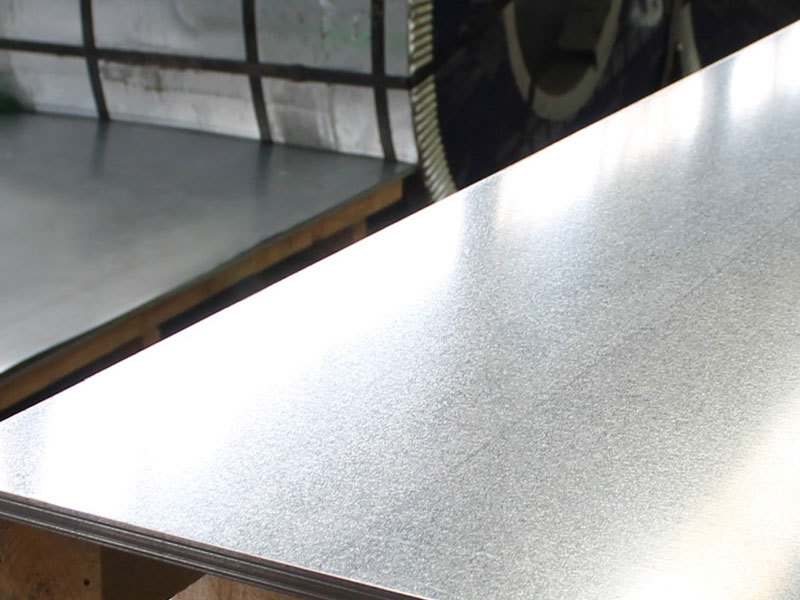
View Products
Steel Coil Series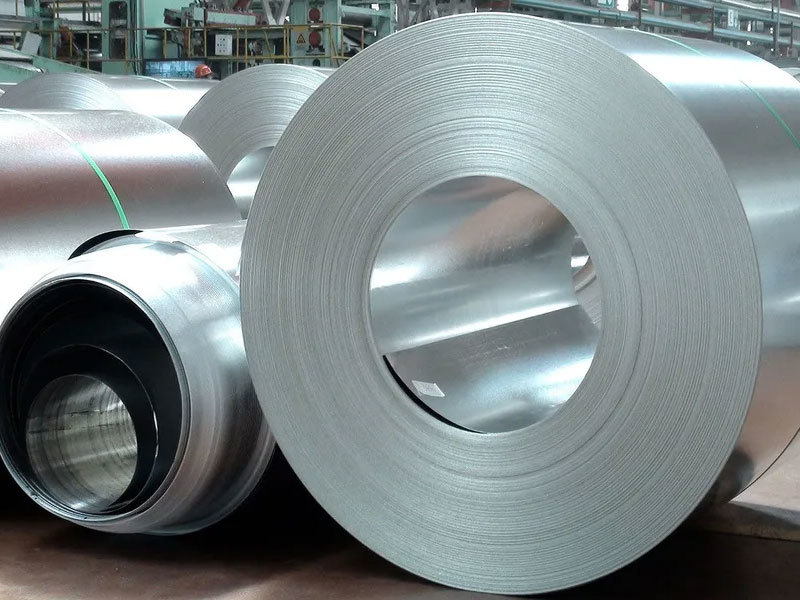
View Products
-
-
-
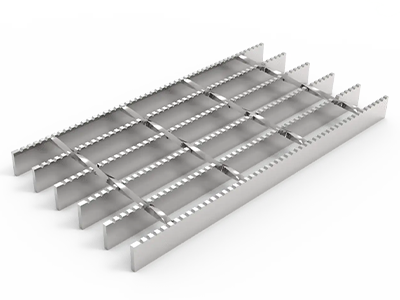


Understanding FRP Grating: A Comprehensive Guide to Its Benefits and Applications
Feb 19,2026
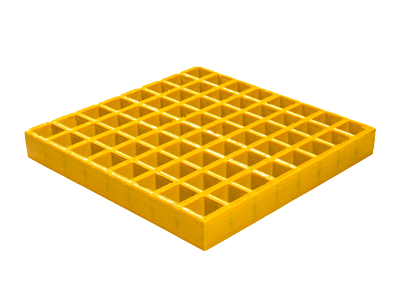
Fiber Reinforced Plastic (FRP) grating is an advanced composite material used widely in the construction and decoration sectors, particularly in applications requiring robust and lightweight solutions. FRP grating comprises a resin matrix reinforced by glass or carbon fibers, offering an array of benefits that make it an ideal choice for various environments, from industrial settings to commercial

Fiber Reinforced Plastic (FRP) grating is an advanced composite material used widely in the construction and decoration sectors, particularly in applications requiring robust and lightweight solutions. FRP grating comprises a resin matrix reinforced by glass or carbon fibers, offering an array of benefits that make it an ideal choice for various environments, from industrial settings to commercial buildings.
One of the primary advantages of FRP grating is its exceptional corrosion resistance. Unlike traditional steel grating, which can rust and decay over time when exposed to harsh chemicals or moisture, FRP grating maintains its integrity and performance in challenging conditions. This property is particularly valuable in industries such as wastewater treatment, chemical processing, and marine environments, where corrosion can significantly impact safety and maintenance costs.
In addition to its corrosion resistance, FRP grating is remarkably lightweight yet strong. It is easier to handle and install than heavy steel alternatives, thus reducing labor costs and installation time. The lightweight nature of FRP grating also means less structural support is required, allowing for more design flexibility in construction projects. This quality is particularly beneficial in renovations where existing structures may not support heavier materials.
Another significant feature of FRP grating is its slip-resistant surface. Many FRP grating products come with a textured top, enhancing safety in areas where foot traffic or machinery might be present. This makes it a preferred choice in environments that require compliance with safety regulations, such as industrial facilities, parks, and walkways.
Furthermore, FRP grating is customizable. It can be produced in various colors, sizes, and load-bearing capacities to meet specific project requirements. This versatility allows architects and engineers to design spaces that not only function effectively but also align with aesthetic goals.
Sustainability is also a consideration with FRP materials. Many FRP products are manufactured with recyclable materials and are themselves recyclable at the end of their lifespan. This eco-friendly aspect appeals to industries and businesses striving to reduce their environmental impact.
In summary, FRP grating offers numerous advantages that make it a valuable asset in the construction and decoration industry. With its corrosion resistance, lightweight design, safety features, and customizability, FRP grating is an excellent choice for a wide range of applications. As the demand for innovative building materials grows, understanding the benefits and uses of FRP grating will help industry professionals make informed decisions for their projects.
One of the primary advantages of FRP grating is its exceptional corrosion resistance. Unlike traditional steel grating, which can rust and decay over time when exposed to harsh chemicals or moisture, FRP grating maintains its integrity and performance in challenging conditions. This property is particularly valuable in industries such as wastewater treatment, chemical processing, and marine environments, where corrosion can significantly impact safety and maintenance costs.
In addition to its corrosion resistance, FRP grating is remarkably lightweight yet strong. It is easier to handle and install than heavy steel alternatives, thus reducing labor costs and installation time. The lightweight nature of FRP grating also means less structural support is required, allowing for more design flexibility in construction projects. This quality is particularly beneficial in renovations where existing structures may not support heavier materials.
Another significant feature of FRP grating is its slip-resistant surface. Many FRP grating products come with a textured top, enhancing safety in areas where foot traffic or machinery might be present. This makes it a preferred choice in environments that require compliance with safety regulations, such as industrial facilities, parks, and walkways.
Furthermore, FRP grating is customizable. It can be produced in various colors, sizes, and load-bearing capacities to meet specific project requirements. This versatility allows architects and engineers to design spaces that not only function effectively but also align with aesthetic goals.
Sustainability is also a consideration with FRP materials. Many FRP products are manufactured with recyclable materials and are themselves recyclable at the end of their lifespan. This eco-friendly aspect appeals to industries and businesses striving to reduce their environmental impact.
In summary, FRP grating offers numerous advantages that make it a valuable asset in the construction and decoration industry. With its corrosion resistance, lightweight design, safety features, and customizability, FRP grating is an excellent choice for a wide range of applications. As the demand for innovative building materials grows, understanding the benefits and uses of FRP grating will help industry professionals make informed decisions for their projects.
TAG:
Contact Us
Phone/WhatsApp
Address
B1213 Global Centre, No.226 Zhonghua North Street, Shijiazhuang, China


WhatsApp / Wechat
TEL / FAX
Address
B1213 Global Centre, No.226 Zhonghua North Street, Shijiazhuang, China