

-
Grating Series
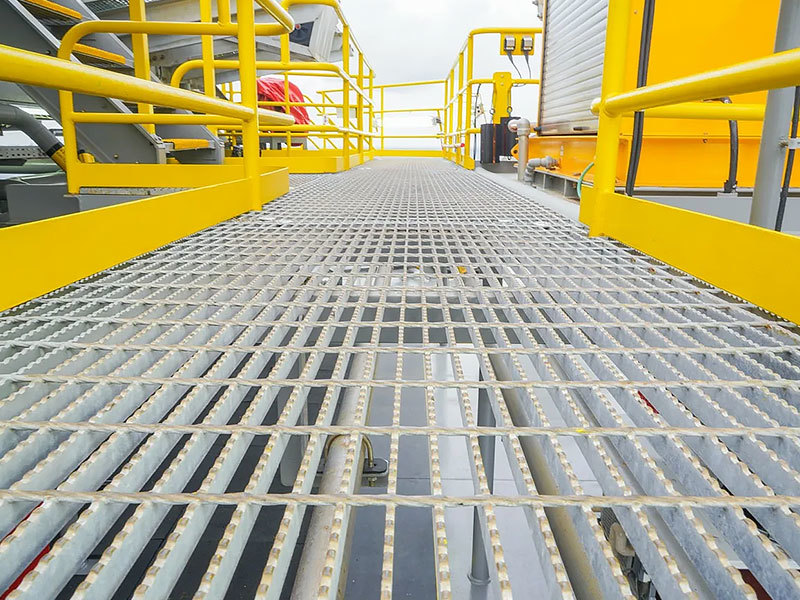
View Products
Wire Mesh Series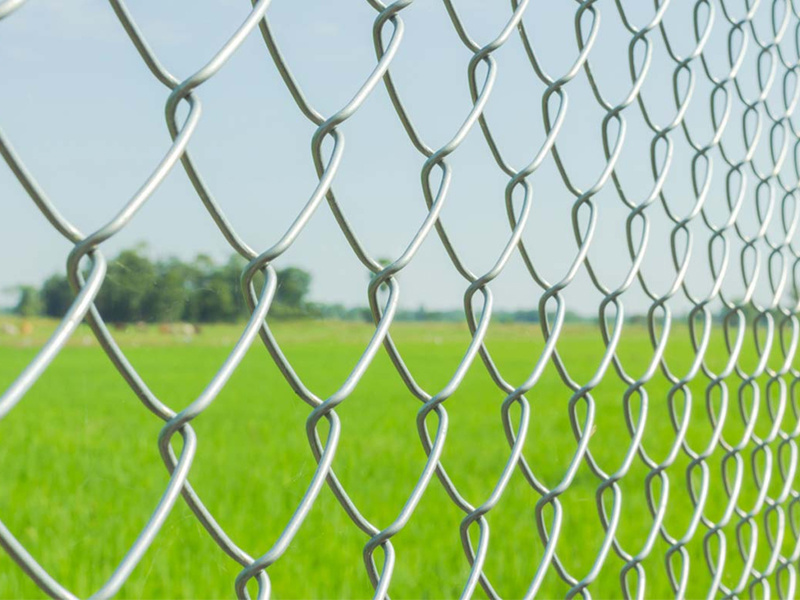
View Products
Wire Mesh Fence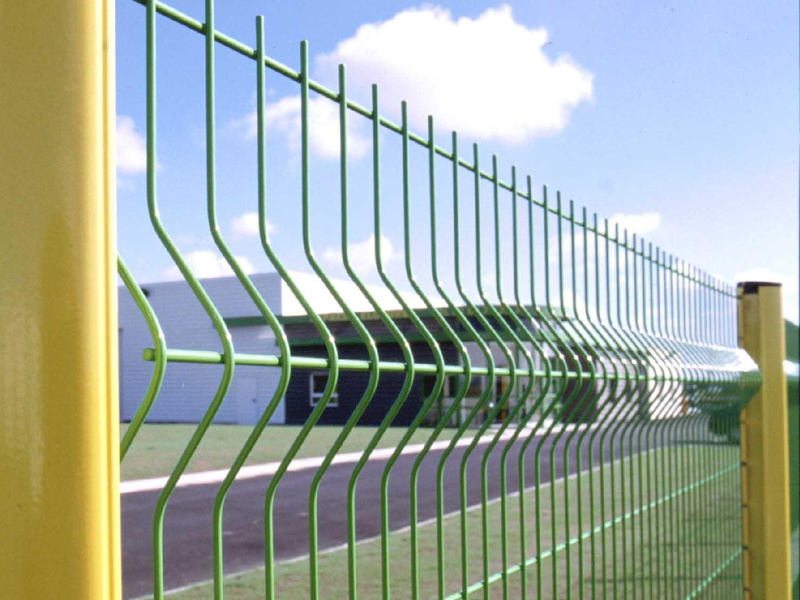
View Products
Barbed Wire Series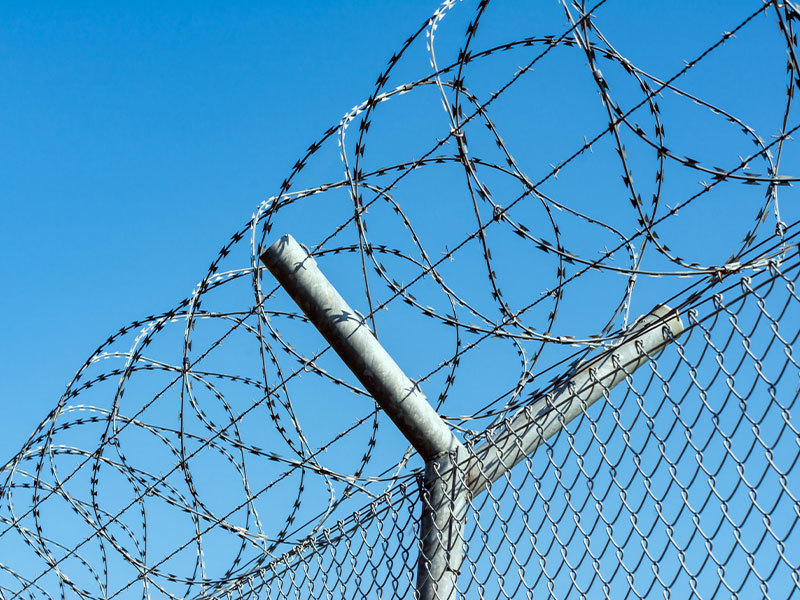
View Products
Gabion Basket Series
View Products
Steel Pipe Series
View Products
Steel Sheet Series
View Products
Steel Coil Series
View Products
-
-
-

The Impact of Chequered Sheets on Design and Durability
Feb 14,2026
The Impact of Chequered Sheets on Design and Durability
Table of Contents
Introduction to Chequered Sheets
Understanding the Composition of Chequered Sheets
Aesthetic Applications of Chequered Sheets
Functional Benefits of Chequered Sheets
Durability and Maintenance of Chequered Sheets
The Role of Chequered Sheets in Modern Architecture
Cost Effectiveness and Sustainab

The Impact of Chequered Sheets on Design and Durability
Table of Contents
- Introduction to Chequered Sheets
- Understanding the Composition of Chequered Sheets
- Aesthetic Applications of Chequered Sheets
- Functional Benefits of Chequered Sheets
- Durability and Maintenance of Chequered Sheets
- The Role of Chequered Sheets in Modern Architecture
- Cost Effectiveness and Sustainability
- Future Trends in Chequered Sheet Design
- FAQs
- Conclusion
Introduction to Chequered Sheets
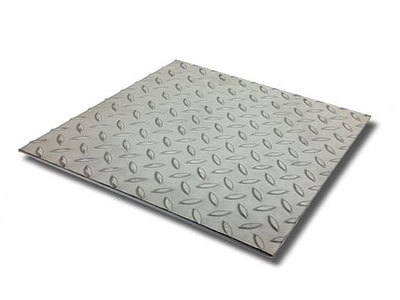
Chequered sheets, also known as checker plates or tread plates, are metal sheets characterized by their distinctive raised diamond pattern. This design not only enhances the aesthetic appeal but also serves a functional purpose, providing a non-slip surface. These sheets are commonly made from various metals, including steel, aluminum, and stainless steel, and are utilized across a multitude of industries, from construction to automotive.
The significance of chequered sheets extends beyond their visual appeal. As we delve deeper into their applications, we will uncover how their integration into design enhances not just the appearance of structures but also their safety and longevity.
Understanding the Composition of Chequered Sheets
Chequered sheets can be fabricated from several materials, each contributing unique properties essential for various applications.
Common Materials Used in Chequered Sheets
1. **Steel**: Widely used for its strength and durability, steel chequered sheets are ideal for heavy-duty applications where structural integrity is paramount.
2. **Aluminum**: Lightweight yet robust, aluminum chequered sheets are frequently employed in applications where weight reduction is critical, such as in vehicles and aircraft.
3. **Stainless Steel**: Known for its resistance to corrosion, stainless steel chequered sheets are perfect for outdoor applications and environments exposed to moisture and chemicals.
Manufacturing Processes
The manufacturing of chequered sheets involves several processes, including hot rolling and cold rolling. These processes ensure that the diamond pattern is embossed accurately, enhancing both functionality and aesthetics. Advanced techniques, such as laser cutting and CNC machining, allow for precise customization, catering to specific design requirements.
Aesthetic Applications of Chequered Sheets
Chequered sheets offer a unique blend of visual intrigue and practicality, making them a popular choice in various design applications.
Interior Design
In interior spaces, chequered sheets are often utilized in flooring, wall cladding, and decorative accents. Their distinctive pattern adds texture and depth, creating a modern industrial look. They are particularly favored in loft apartments, cafes, and restaurants, where a bold statement can enhance the overall ambiance.
Exterior Design
For exterior applications, chequered sheets are frequently used in facades, roofing, and outdoor furniture. Their durability and resistance to environmental factors make them an excellent choice for outdoor settings. Furthermore, the reflective quality of certain metal finishes can enhance natural light, contributing to energy efficiency.
Functional Benefits of Chequered Sheets
Beyond aesthetics, chequered sheets provide several functional advantages that make them invaluable in various industries.
Non-Slip Properties
One of the most significant benefits of chequered sheets is their non-slip surface. The raised pattern provides better traction, making them ideal for high-traffic areas, ramps, and staircases. This feature is crucial in preventing accidents in both residential and commercial properties.
Strength and Load-Bearing Capacity
Chequered sheets are renowned for their strength and load-bearing capabilities. They can withstand significant weight and pressure, making them suitable for flooring in warehouses, factories, and heavy machinery areas. Their robust nature ensures longevity and minimizes the need for frequent replacements.
Versatility in Application
The versatility of chequered sheets allows them to be used in a wide range of applications, from automotive flooring to industrial workspaces. Their adaptability means they can be tailored to meet specific design and functionality needs, making them a go-to choice for architects and designers.
Durability and Maintenance of Chequered Sheets
Durability is a primary reason why chequered sheets are favored in construction and design.
Resistance to Corrosion and Wear
Certain materials, like stainless steel and aluminum, offer excellent resistance to corrosion and wear, making them suitable for harsh environments. This resistance ensures that chequered sheets maintain their structural integrity and aesthetic appeal over time, reducing maintenance costs.
Maintenance Tips
Maintaining chequered sheets is relatively straightforward:
- Regular cleaning with mild detergents can prevent the buildup of grime.
- For metal sheets, periodic inspections for rust or wear can help catch issues early.
- Using protective coatings can further enhance their lifespan by providing an additional layer of defense against environmental factors.
The Role of Chequered Sheets in Modern Architecture
In modern architecture, the integration of chequered sheets is becoming increasingly prevalent. They serve not just as functional materials but also as design elements that embody contemporary aesthetics.
Innovative Design Concepts
Architects are utilizing chequered sheets to create innovative structures that stand out. Their ability to serve multiple functions—from providing structural support to enhancing visual appeal—makes them an essential material in today’s architectural landscape.
Case Studies of Chequered Sheets in Use
Several notable projects have successfully incorporated chequered sheets, demonstrating their versatility and impact. From public buildings to private residences, these materials enhance both functionality and design, showcasing the endless possibilities they offer.
Cost Effectiveness and Sustainability
The financial implications of using chequered sheets are also noteworthy.
Long-Term Investment
While the initial cost of chequered sheets may be higher than other materials, their durability and low maintenance requirements often result in significant savings over time. This makes them a smart investment for both residential and commercial projects.
Environmental Considerations
Sustainability is a growing concern in the construction industry. Chequered sheets, especially those made from recycled materials, contribute to sustainable building practices. Their longevity and recyclability further enhance their appeal as an eco-friendly choice.
Future Trends in Chequered Sheet Design
As design trends evolve, so too do the applications for chequered sheets.
Customization and Personalization
The future of chequered sheets lies in customization. Advanced manufacturing techniques are paving the way for personalized designs that cater to individual aesthetic preferences, allowing architects and designers to create unique, one-of-a-kind structures.
Integration of Smart Technologies
The incorporation of smart technologies into chequered sheets is also on the horizon. As buildings become smarter, integrating sensors and other technology into structural materials can enhance functionality and safety, paving the way for the buildings of tomorrow.
FAQs
1. What materials are chequered sheets made from?
Chequered sheets can be made from various materials, including steel, aluminum, and stainless steel, each offering unique properties.
2. Are chequered sheets suitable for outdoor use?
Yes, chequered sheets, especially those made from stainless steel or aluminum, are highly durable and resistant to environmental factors, making them suitable for outdoor applications.
3. How do you maintain chequered sheets?
Regular cleaning with mild detergents and periodic inspections for rust or wear can help maintain the longevity and appearance of chequered sheets.
4. What are the benefits of using chequered sheets in construction?
Chequered sheets provide non-slip surfaces, strength, durability, and versatility, making them highly beneficial for various construction applications.
5. Can chequered sheets be customized?
Yes, chequered sheets can be customized using advanced manufacturing techniques, allowing for tailored designs that meet specific aesthetic and functional requirements.
Conclusion
The impact of chequered sheets on design and durability cannot be overstated. These versatile materials seamlessly blend functionality with aesthetics, making them essential in modern construction and design. Their strength, non-slip properties, and resistance to environmental factors ensure that they stand the test of time, while their unique patterns offer endless possibilities for creative expression. As we continue to innovate and push the boundaries of design, chequered sheets will undoubtedly play a pivotal role in shaping the future of architecture.
TAG:
Contact Us
Phone/WhatsApp
Address
B1213 Global Centre, No.226 Zhonghua North Street, Shijiazhuang, China


WhatsApp / Wechat
TEL / FAX
Address
B1213 Global Centre, No.226 Zhonghua North Street, Shijiazhuang, China