

-
Grating Series
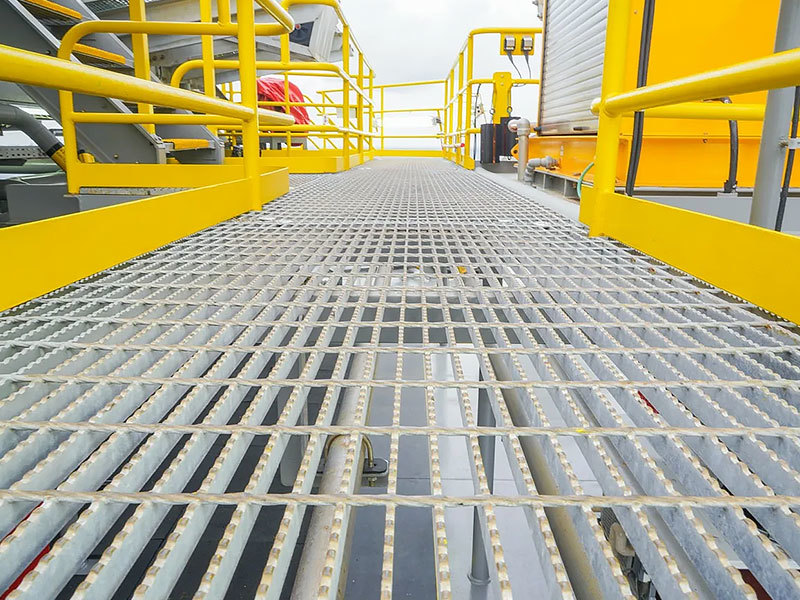
View Products
Wire Mesh Series
View Products
Wire Mesh Fence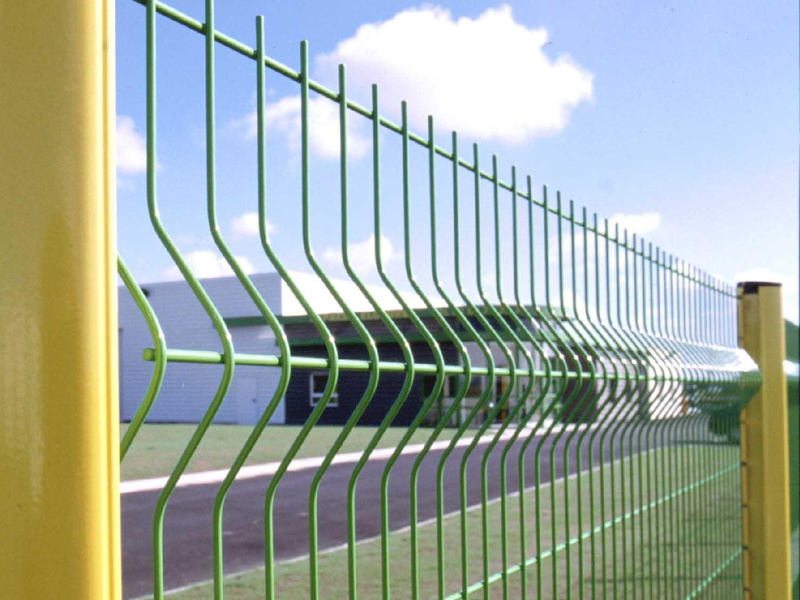
View Products
Barbed Wire Series
View Products
Gabion Basket Series
View Products
Steel Pipe Series
View Products
Steel Sheet Series
View Products
Steel Coil Series
View Products
-
-
-




Explore the Versatility of Stainless Steel Grating in Modern Design
Feb 10,2026
Explore the Versatility of Stainless Steel Grating in Modern Design
Stainless steel grating is quickly becoming a preferred choice in modern design due to its **unparalleled versatility** and **aesthetic appeal**. This article seeks to explore the various applications, benefits, and design considerations associated with stainless steel grating, making it a vital resource for architects, designers,

Explore the Versatility of Stainless Steel Grating in Modern Design
Stainless steel grating is quickly becoming a preferred choice in modern design due to its **unparalleled versatility** and **aesthetic appeal**. This article seeks to explore the various applications, benefits, and design considerations associated with stainless steel grating, making it a vital resource for architects, designers, and homeowners looking to incorporate this material into their projects.
Table of Contents
1. Introduction to Stainless Steel Grating
2. Types of Stainless Steel Grating
3. Benefits of Stainless Steel Grating in Design
4. Applications of Stainless Steel Grating in Modern Design
5. Key Design Considerations for Stainless Steel Grating
6. Installation Guide for Stainless Steel Grating
7. Maintenance and Care of Stainless Steel Grating
8. Conclusion
9. FAQs
Introduction to Stainless Steel Grating
Stainless steel grating has emerged as a versatile building material that provides both functionality and aesthetic value. Its intricate design patterns and structural integrity make it an excellent choice for various applications, from **industrial settings** to **residential spaces**. In recent years, its role in modern design has expanded, as designers and architects look for innovative materials that enhance both form and function.
Types of Stainless Steel Grating
Understanding the different types of stainless steel grating is essential for selecting the right style for your project. Here are the **most common types**:
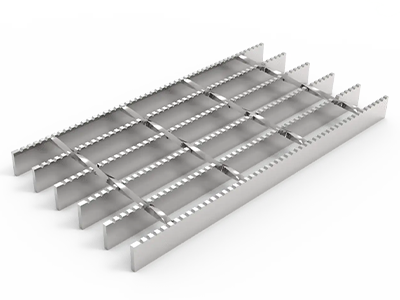
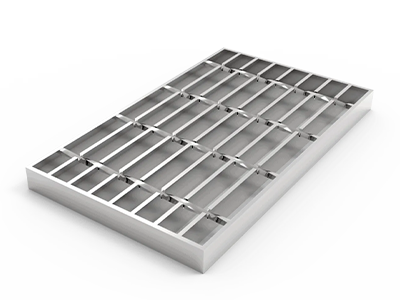
1. Welded Stainless Steel Grating
Welded stainless steel grating consists of crossbars welded to the bearing bars, creating a strong and durable structure. It is often chosen for heavy-duty applications due to its high load-bearing capacity.
2. Press-locked Stainless Steel Grating
This type of grating is designed by pressing the crossbars into the bearing bars, resulting in a lightweight yet sturdy product. It is ideal for applications that require a combination of strength and flexibility.
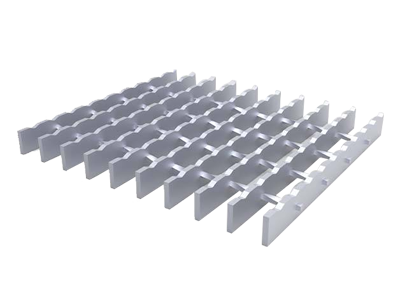
3. Swaged Stainless Steel Grating
Swaged grating features a unique design where the crossbars are swaged into the bearing bars, creating a smooth, flush surface. This type is often used for aesthetic applications due to its sleek appearance.
Benefits of Stainless Steel Grating in Design
Stainless steel grating boasts numerous advantages that make it an attractive option for modern design. Here are some key benefits:
1. Durability and Longevity
One of the standout features of stainless steel grating is its **durability**. Resistant to corrosion, rust, and UV rays, stainless steel can withstand harsh environments, making it an excellent choice for both indoor and outdoor applications.
2. Low Maintenance Requirements
Stainless steel grating is easy to maintain, requiring only periodic cleaning to retain its luster. This low maintenance requirement is especially beneficial for commercial applications where upkeep can be costly and time-consuming.
3. Aesthetic Versatility
With various finishes and designs available, stainless steel grating adds a **modern touch** to any space. Its sleek and industrial appearance complements a wide range of architectural styles, from contemporary to traditional.
4. Environmental Sustainability
Stainless steel is 100% recyclable, making it an environmentally friendly option for conscious designers. Choosing stainless steel grating contributes to sustainable building practices, which is increasingly important in today's eco-conscious market.
Applications of Stainless Steel Grating in Modern Design
The applications of stainless steel grating are vast, spanning several industries and design contexts:
1. Architectural Features
In architecture, stainless steel grating is often used for **suspended walkways**, **balconies**, and **facades**. Its ability to provide structural support while allowing for natural light makes it an exceptional choice for enhancing the visual appeal of buildings.
2. Interior Design Elements
Homeowners and designers are increasingly incorporating stainless steel grating into interior design. It can be used as a unique **room divider**, **staircase railing**, or **decorative accent**, adding both function and style to living spaces.
3. Landscaping and Outdoor Spaces
Stainless steel grating is also popular in landscaping projects, offering solutions for **drainage systems**, **walkways**, and **patios**. Its resilience to weather conditions makes it suitable for outdoor applications.
4. Industrial Settings
In industrial environments, stainless steel grating is used in **platforms**, **catwalks**, and **safety grates**. Its strength and slip-resistant surface make it an ideal choice for ensuring safety in high-traffic areas.
Key Design Considerations for Stainless Steel Grating
When integrating stainless steel grating into your design, there are several key factors to consider:
1. Load Requirements
Evaluate the load requirements for your application to ensure the selected type of grating can support the intended weight. Consulting with a structural engineer may be necessary for large projects.
2. Aesthetic Harmony
Consider how the stainless steel grating will fit within the overall design aesthetic of the space. Its finish, pattern, and placement should complement other materials and design elements.
3. Safety Features
If the grating will be used in areas where slips and falls are a concern, opt for designs with slip-resistant features. Proper installation and maintenance are crucial for ensuring safety.
4. Installation Location
Determine whether the grating will be used indoors or outdoors. Outdoor applications may require additional treatments or finishes to enhance durability and resistance to environmental factors.
Installation Guide for Stainless Steel Grating
Proper installation is vital for maximizing the benefits of stainless steel grating. Here’s a step-by-step guide:
1. Prepare the Surface
Ensure the installation surface is clean, level, and free of debris. This step is essential for achieving a secure and stable installation.
2. Measure and Cut the Grating
Accurate measurements are crucial. Cut the stainless steel grating to fit the designated area, using appropriate tools to achieve clean edges.
3. Install Support Structures
If necessary, install support beams or brackets to provide additional stability. Ensure that these supports are securely anchored.
4. Secure the Grating
Lay the grating on the prepared surface and secure it using the recommended fasteners. Double-check that all connections are tight and secure.
5. Final Inspection
Once installed, conduct a final inspection to ensure everything is in place and safe for use. Address any issues before allowing foot traffic on the new surface.
Maintenance and Care of Stainless Steel Grating
To keep stainless steel grating looking its best and performing effectively, follow these maintenance tips:
1. Regular Cleaning
Clean stainless steel grating regularly to prevent dirt and debris buildup. Use mild soap and water, along with a soft brush or cloth, to avoid scratching the surface.
2. Inspect for Damage
Perform routine inspections for signs of wear or damage, particularly in high-traffic areas. Address any issues promptly to maintain safety and aesthetics.
3. Avoid Harsh Chemicals
Refrain from using harsh chemicals or abrasive cleaners that could damage the finish of the grating. Stick to gentle cleaning agents to preserve the material's integrity.
4. Apply Protective Coatings
Consider applying protective coatings designed for stainless steel to enhance its resistance to corrosion and staining, especially in outdoor applications.
Conclusion
Stainless steel grating offers a unique blend of **aesthetic appeal**, **durability**, and **versatility**, making it an excellent choice for modern design applications. From architectural features to interior elements and outdoor landscapes, its applications are vast and varied. By understanding the different types of grating, their benefits, and the key design considerations, designers and architects can create innovative spaces that stand the test of time. Investing in stainless steel grating not only enhances the visual appeal of a project but also contributes to sustainable design practices and ensures long-lasting performance.
FAQs
1. What is stainless steel grating used for?
Stainless steel grating is used in various applications, including architectural features, interior design elements, landscaping, and industrial settings.
2. How do you clean stainless steel grating?
Clean stainless steel grating regularly with mild soap and water, using a soft brush or cloth to maintain its appearance without causing scratches.
3. Is stainless steel grating resistant to corrosion?
Yes, stainless steel grating is highly resistant to corrosion and rust, making it suitable for both indoor and outdoor applications.
4. Can stainless steel grating be customized?
Yes, stainless steel grating can be customized in terms of size, design, and finish to meet the specific needs of a project.
5. What should I consider when installing stainless steel grating?
Consider load requirements, aesthetic harmony, safety features, and the location of installation to ensure optimal performance and appearance.
TAG:
Contact Us
Phone/WhatsApp
Address
B1213 Global Centre, No.226 Zhonghua North Street, Shijiazhuang, China


WhatsApp / Wechat
TEL / FAX
Address
B1213 Global Centre, No.226 Zhonghua North Street, Shijiazhuang, China