

-
Grating Series
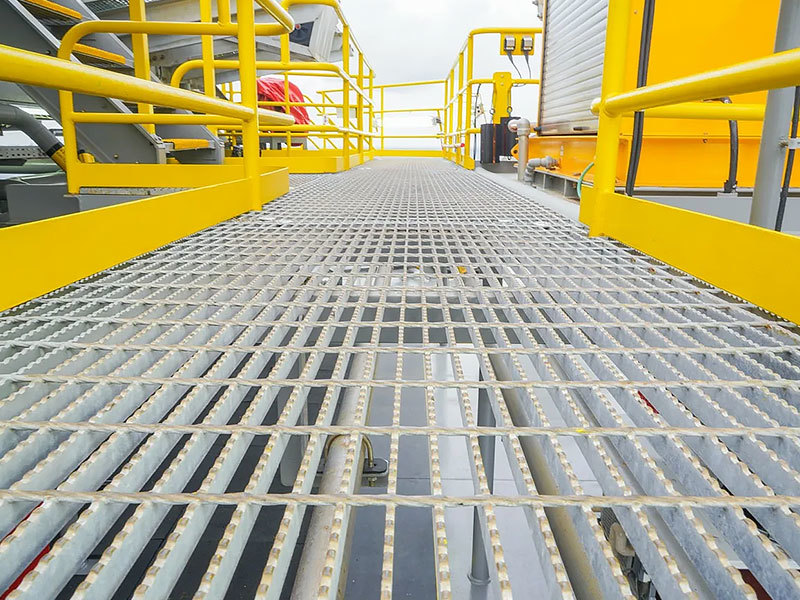
View Products
Wire Mesh Series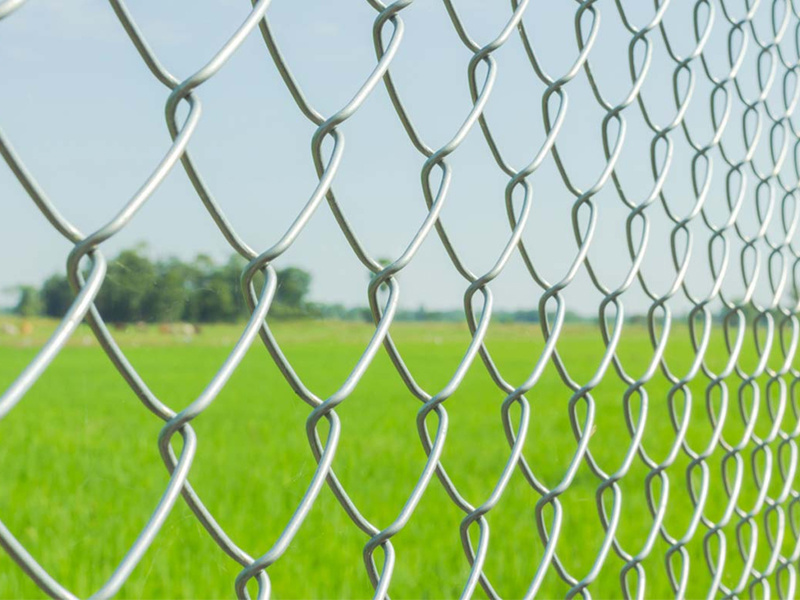
View Products
Wire Mesh Fence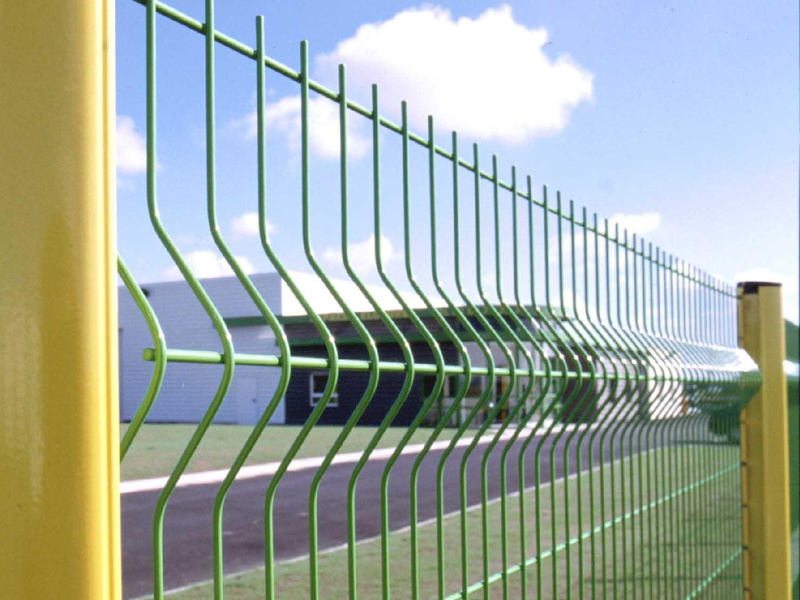
View Products
Barbed Wire Series
View Products
Gabion Basket Series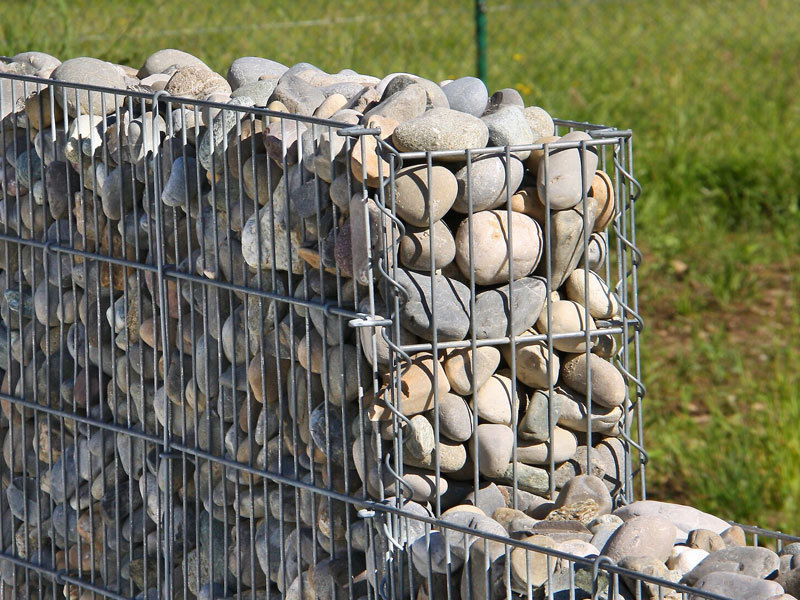
View Products
Steel Pipe Series
View Products
Steel Sheet Series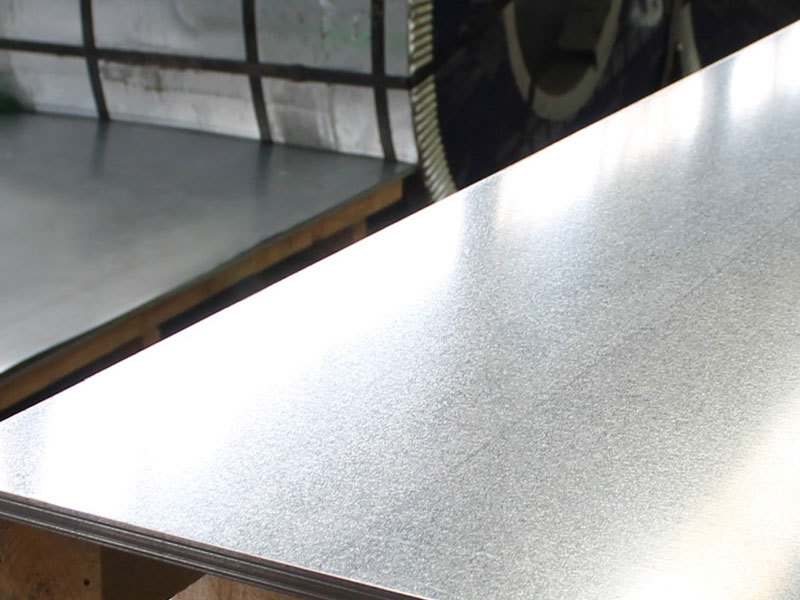
View Products
Steel Coil Series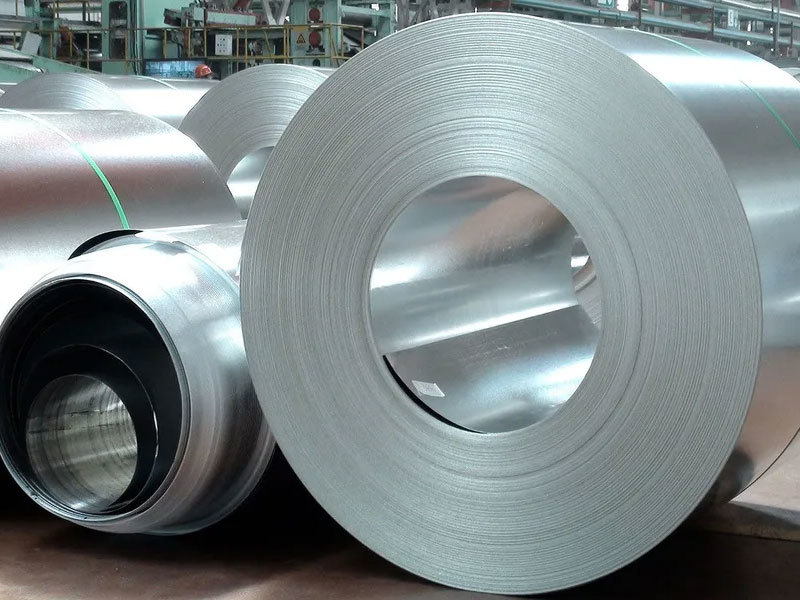
View Products
-
-
-

How to Choose the Right Chequered Sheet for Your Project: A Comprehensive Guide
Feb 06,2026
How to Choose the Right Chequered Sheet for Your Project
Table of Contents
1. Understanding Chequered Sheets
2. Types of Chequered Sheets Available
3. Material Considerations for Chequered Sheets
4. Thickness and Dimensions: What You Need to Know
5. Surface Finish Options for Chequered Sheets
6. Applications of Chequered Sheets in Various Industries
7. Installation Gui

How to Choose the Right Chequered Sheet for Your Project
Table of Contents
- 1. Understanding Chequered Sheets
- 2. Types of Chequered Sheets Available
- 3. Material Considerations for Chequered Sheets
- 4. Thickness and Dimensions: What You Need to Know
- 5. Surface Finish Options for Chequered Sheets
- 6. Applications of Chequered Sheets in Various Industries
- 7. Installation Guidelines for Chequered Sheets
- 8. Maintenance and Care Tips for Chequered Sheets
- 9. Frequently Asked Questions
1. Understanding Chequered Sheets
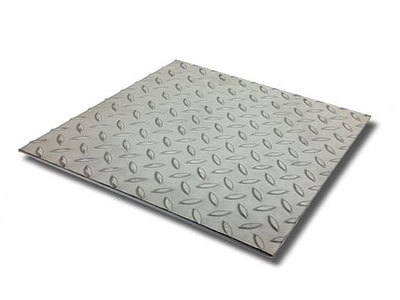
Chequered sheets, also known as checker plates or diamond plates, are flat sheets made from various materials featuring a raised pattern, often resembling diamonds or squares. These patterns serve multiple purposes, including providing traction, enhancing aesthetic appeal, and improving structural integrity. Understanding the unique characteristics of chequered sheets is crucial for selecting the right type for your specific project.
2. Types of Chequered Sheets Available
Chequered sheets come in several varieties, each designed for specific applications. The most common types include:
2.1 Steel Chequered Sheets
Steel chequered sheets are renowned for their strength and durability. They are ideal for heavy-duty applications, such as flooring in warehouses and loading docks, where resilience is paramount.
2.2 Aluminum Chequered Sheets
Aluminum chequered sheets are lightweight and resistant to corrosion, making them an excellent choice for applications where weight is a concern, such as in vehicles and portable structures.
2.3 Stainless Steel Chequered Sheets
With superior resistance to rust and staining, stainless steel chequered sheets are often used in environments exposed to moisture. They are particularly popular in the food and pharmaceutical industries due to their hygienic properties.
2.4 Fiberglass Chequered Sheets
Fiberglass chequered sheets combine the benefits of low weight and high strength with excellent chemical resistance. They are often used in industrial settings where chemical spills are a concern.
3. Material Considerations for Chequered Sheets
The choice of material significantly impacts the performance and suitability of chequered sheets for your project. Here are key considerations to keep in mind:
3.1 Strength and Durability
Depending on your project's demands, select a material that can withstand the load and environmental conditions. Steel is favored for heavy-duty applications, while aluminum is suitable for lighter, portable uses.
3.2 Corrosion Resistance
Evaluate the exposure of the chequered sheet to moisture and chemicals. For humid or corrosive environments, stainless steel or fiberglass may be preferable due to their inherent resistance to rust and degradation.
3.3 Weight
Consider the weight of the chequered sheet, especially for installations where weight can influence structural integrity or portability. Aluminum is an excellent lightweight alternative to steel.
4. Thickness and Dimensions: What You Need to Know
Selecting the right thickness and dimensions is critical for ensuring the chequered sheet meets your needs. Here’s what to consider:
4.1 Standard Thickness Options
Chequered sheets typically come in varying thicknesses ranging from 2mm to 10mm or more. Thicker sheets provide increased strength but may also add weight.
4.2 Custom Sizes
Depending on the manufacturer, you may have the option to order custom sizes. Tailoring the dimensions to your project can save time and reduce waste during installation.
4.3 Weight Considerations
Be mindful of the weight implications of the chosen thickness and material. Ensuring the structural support can handle the load is essential for safety and longevity.
5. Surface Finish Options for Chequered Sheets
The surface finish of chequered sheets not only affects aesthetics but also functionality. Here are common finish options:
5.1 Mill Finish
A mill finish offers a raw, industrial look that's often more affordable. This finish is suitable for projects where aesthetics are secondary to function.
5.2 Painted Finish
Painted finishes provide an opportunity for customization, allowing you to match the chequered sheet to your project's color scheme. Ensure the paint used is durable and resistant to chipping.
5.3 Anodized Finish
Anodizing is a process used primarily for aluminum sheets. It enhances corrosion resistance and improves the surface hardness, making it a popular choice for outdoor applications.
6. Applications of Chequered Sheets in Various Industries
Chequered sheets are versatile and find applications across numerous industries:
6.1 Construction and Architecture
In construction, chequered sheets are commonly used for flooring, wall cladding, and as part of structural elements. Their slip-resistant surface makes them ideal for high-traffic areas.
6.2 Automotive and Transportation
In the automotive industry, chequered sheets are often used in vehicle flooring and as protective surface covers. Their lightweight nature helps to enhance fuel efficiency.
6.3 Marine Applications
Chequered sheets, particularly those made from aluminum or stainless steel, are widely used in marine environments due to their resistance to saltwater corrosion.
6.4 Industrial Settings
In factories and warehouses, chequered sheets are employed for anti-slip flooring and protective coverings, ensuring safety in environments with heavy machinery.
7. Installation Guidelines for Chequered Sheets
Proper installation of chequered sheets is vital for maximizing their effectiveness and longevity. Here are essential guidelines:
7.1 Preparing the Surface
Ensure that the surface where the chequered sheet will be installed is clean, level, and free of debris. This preparation is crucial for achieving a stable and secure installation.
7.2 Using the Right Fasteners
Select appropriate fasteners based on the material of the chequered sheet and the substrate. For steel sheets, screws or bolts designed for metalwork are ideal, while aluminum may require specific aluminum fasteners.
7.3 Sealing Joints
When installing sheets that may be exposed to moisture, sealing the joints with a suitable sealant can enhance waterproofing and prolong the life of the installation.
8. Maintenance and Care Tips for Chequered Sheets
To ensure the longevity of your chequered sheets, proper maintenance is essential:
8.1 Regular Cleaning
Regularly clean the surface to prevent the buildup of dirt and grime, which can affect traction and aesthetics. Use a mild detergent and water, avoiding harsh chemicals that may damage the finish.
8.2 Inspecting for Damage
Periodically inspect the chequered sheets for signs of wear, rust, or other damage. Early detection of issues can prevent costly repairs in the future.
8.3 Addressing Corrosion
If you notice any signs of corrosion, particularly in metal sheets, act quickly to treat the area. Sanding down the affected area and applying a protective coating can help restore the surface.
9. Frequently Asked Questions
9.1 What is the best material for chequered sheets for outdoor use?
For outdoor applications, stainless steel or aluminum chequered sheets are recommended due to their resistance to corrosion and environmental factors.
9.2 Can chequered sheets be customized?
Yes, many manufacturers offer customization options for size, thickness, and finish to suit your project needs.
9.3 How do I ensure the chequered sheets are installed correctly?
Follow the installation guidelines carefully, ensuring the surface is well-prepared and that the correct fasteners are used for the material.
9.4 Are chequered sheets suitable for residential use?
Absolutely! Chequered sheets can enhance safety and aesthetics in residential applications, such as patios, walkways, and garage floors.
9.5 What maintenance is required for chequered sheets?
Regular cleaning, inspections for damage, and addressing any corrosion are essential for maintaining the integrity of chequered sheets.
Conclusion
Choosing the right chequered sheet for your project involves careful consideration of various factors, including material type, thickness, surface finish, and application. By understanding these aspects, you can make an informed decision that not only meets your project's requirements but also ensures safety and durability. Whether for construction, automotive, or industrial applications, selecting the appropriate chequered sheet will contribute significantly to the success of your project.
TAG:
Contact Us
Phone/WhatsApp
Address
B1213 Global Centre, No.226 Zhonghua North Street, Shijiazhuang, China


WhatsApp / Wechat
TEL / FAX
Address
B1213 Global Centre, No.226 Zhonghua North Street, Shijiazhuang, China