

-
Grating Series
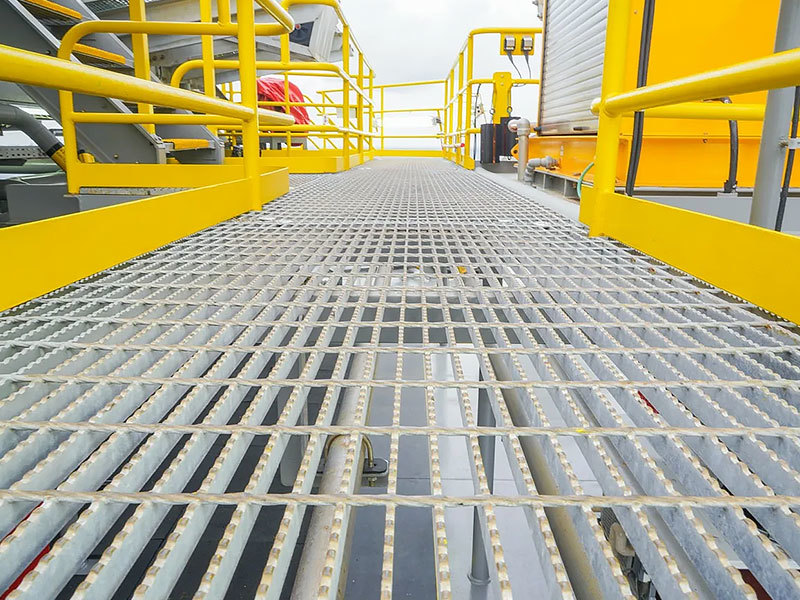
View Products
Wire Mesh Series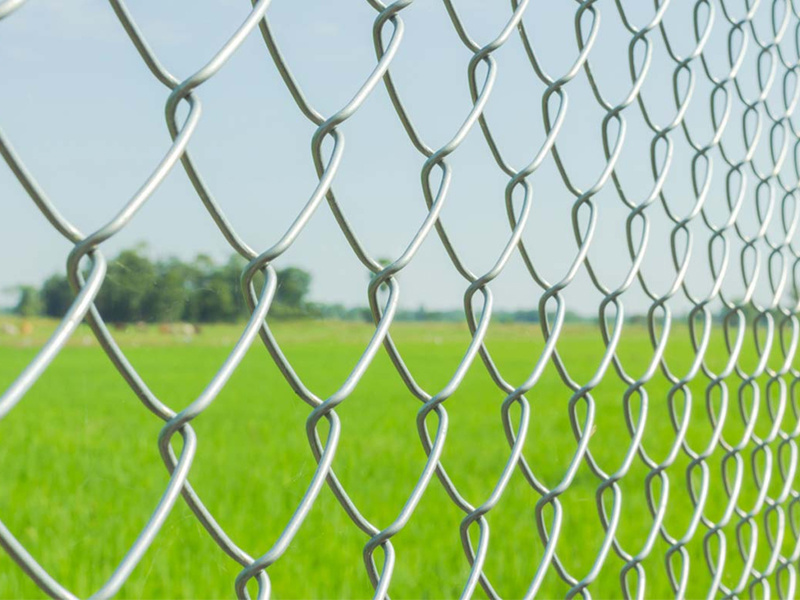
View Products
Wire Mesh Fence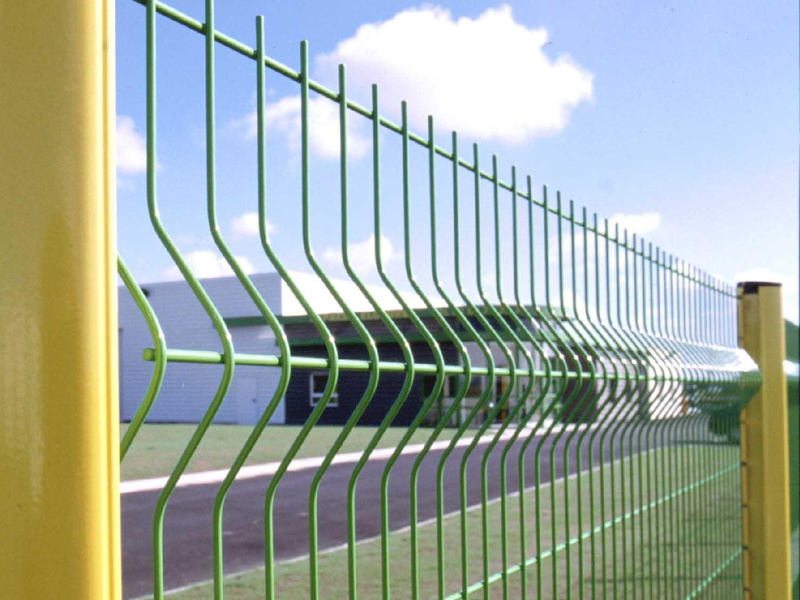
View Products
Barbed Wire Series
View Products
Gabion Basket Series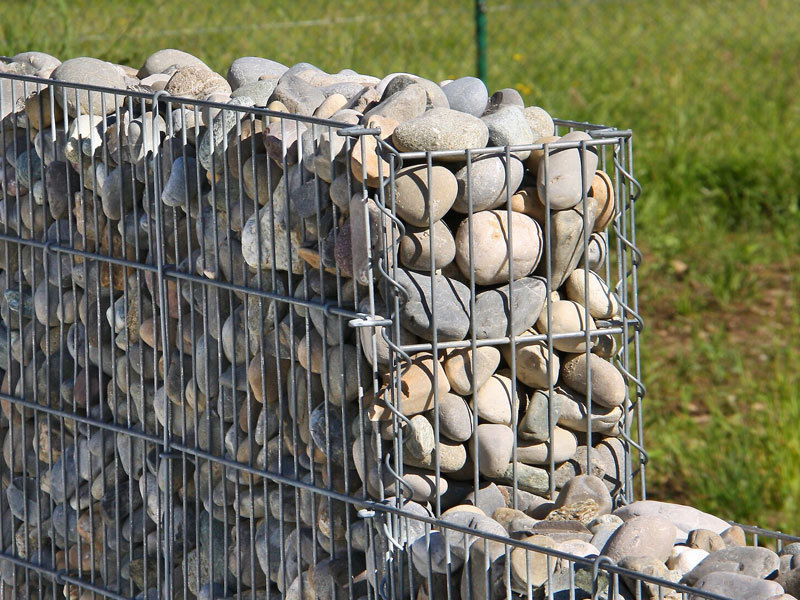
View Products
Steel Pipe Series
View Products
Steel Sheet Series
View Products
Steel Coil Series
View Products
-
-
-



Understanding the Different Types of Steel Grating Available: A Comprehensive Guide
Jan 05,2026
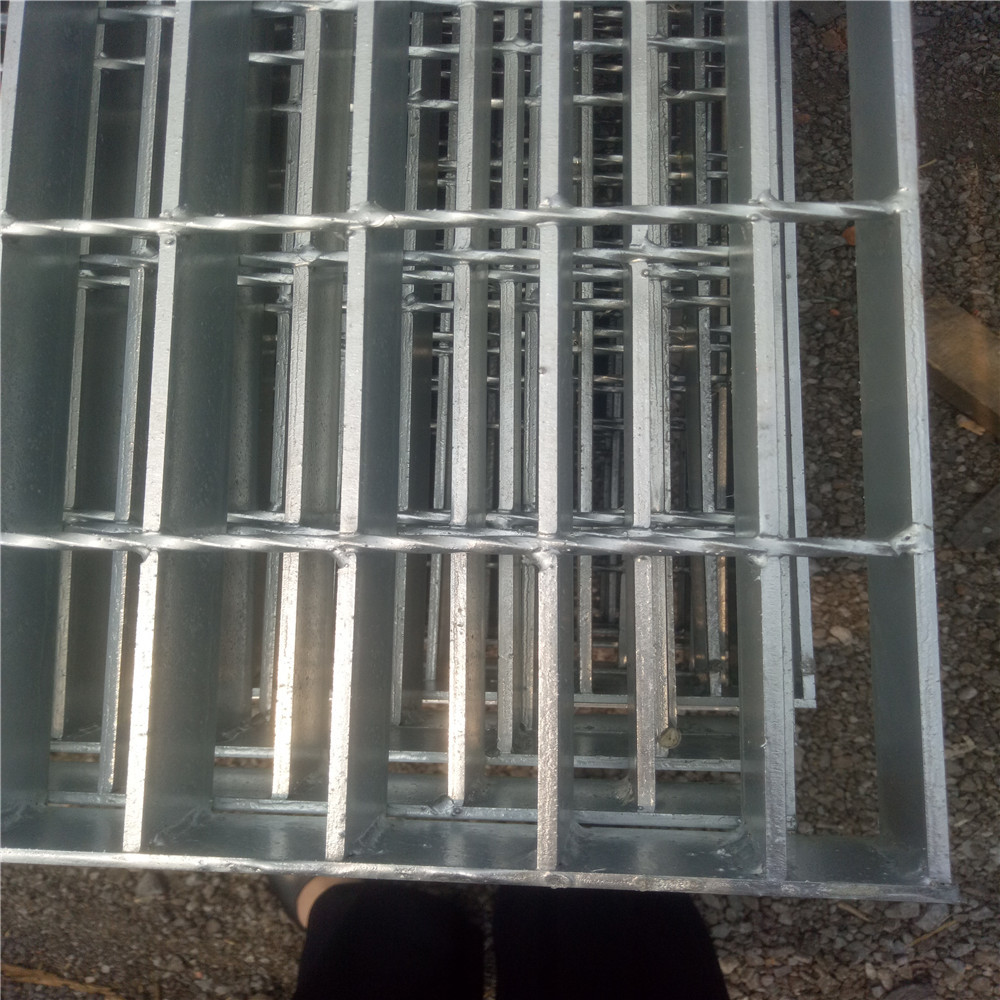
Understanding the Different Types of Steel Grating Available
When it comes to construction and design, steel grating plays a pivotal role in ensuring safety, functionality, and aesthetics. This extensive guide will delve into the various types of steel grating available, highlighting their unique features, benefits, and applications. Whether you are a contractor, architect, or a DIY enthusiast, understanding the intricacies of steel grating will empower you to make informed decisions tailored to your specific needs.
Table of Contents
- What is Steel Grating?
- Types of Steel Grating
- Benefits of Steel Grating
- Applications of Steel Grating
- Selecting the Right Steel Grating
- Maintenance and Care for Steel Grating
- Frequently Asked Questions
What is Steel Grating?
Steel grating refers to a type of flooring material that consists of a series of parallel bars or meshes created from steel. It is designed to provide strength, support, and safe passage while allowing the free flow of air, light, and water. Steel grating is widely used in various industries, including construction, manufacturing, and decorative applications, due to its durability and versatility.
Types of Steel Grating
Steel grating comes in several forms, each designed to meet specific needs and preferences. Below we explore the most common types of steel grating available in the market today.
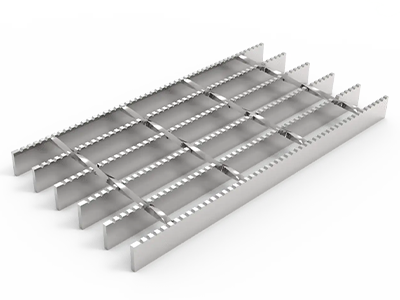
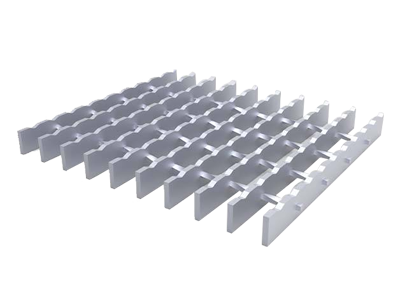
1. Bar Grating
Bar grating is perhaps the most recognizable type of steel grating. It consists of a series of parallel bars that are spaced evenly apart. This design allows for excellent drainage and ventilation. Bar grating is available in various configurations, including:
- Standard Grating: This type uses a fixed bar spacing for applications where load support is critical.
- Heavy-Duty Grating: Designed to withstand higher loads, heavy-duty grating is ideal for industrial applications.
- Light-Duty Grating: Often used for pedestrian walkways and light traffic areas.
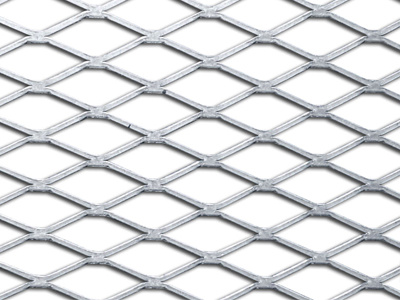
2. Expanded Metal Grating
Expanded metal grating is formed by cutting and stretching metal sheets to create a diamond pattern. This type of grating offers several advantages, including:
- Slip Resistance: The diamond shape enhances grip, making it ideal for walkways and stairs.
- Lightweight Yet Strong: Despite its lightweight nature, expanded metal grating maintains structural integrity.
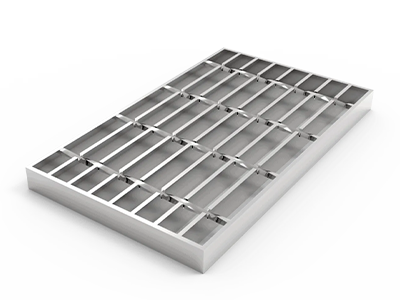
3. Welded Grating
Welded grating is constructed by welding the bars at intersections, resulting in a robust and durable product. This type is particularly favored for its strength and stability, making it suitable for demanding applications. Key features include:
- High Load-Bearing Capacity: Ideal for heavy machinery and equipment.
- Corrosion Resistance: Available in galvanized options for enhanced durability.
4. Forged Grating
Forged grating is manufactured through a process that involves heating and shaping steel to create a dense and compact structure. It is known for its exceptional strength and load-bearing capabilities. Key characteristics include:
- Maximized Durability: Perfect for extreme environments, such as chemical plants or offshore platforms.
- Custom Designs: Can be tailored to specific project requirements.
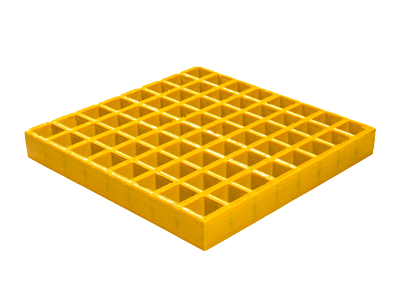
5. Plastic Grating
While not metallic, plastic grating is often included in discussions about steel grating due to its lightweight and corrosion-resistant properties. It is made from durable polymers and is suitable for specific applications. Benefits include:
- Resistance to Chemicals: Ideal for environments where steel may corrode.
- Low Maintenance: Easy to clean and requires minimal upkeep.
Benefits of Steel Grating
Steel grating offers numerous advantages that make it a popular choice across various industries:
- Durability: Steel grating is built to withstand heavy loads and resist wear over time.
- Cost-Effectiveness: Its longevity reduces the need for frequent replacements, saving money in the long run.
- Versatility: Available in various designs and materials, it can be adapted to meet diverse project needs.
- Safety: Slip-resistant surfaces enhance safety in industrial and commercial settings.
Applications of Steel Grating
The versatility of steel grating allows it to be used in numerous applications, including:
- Industrial Flooring: Provides a strong and durable surface for factories and warehouses.
- Walkways and Platforms: Used for pedestrian pathways, ensuring safety and accessibility.
- Drainage Systems: Allows water and debris to flow through while supporting weight.
- Architectural Features: Enhances the aesthetic appeal of buildings and structures.
Selecting the Right Steel Grating
Choosing the appropriate steel grating involves considering multiple factors:
- Load Requirements: Assess the weight that the grating will need to support.
- Environment: Consider the corrosive nature of the environment to select the right material.
- Slip Resistance: Determine the level of slip resistance needed for safety.
- Cost: Balance quality and budget to find the best option.
Maintenance and Care for Steel Grating
Maintaining steel grating ensures its longevity and performance. Here are some essential maintenance tips:
- Regular Inspection: Check for signs of wear, corrosion, or damage periodically.
- Cleaning: Remove debris and dirt to prevent buildup that can affect performance.
- Protective Coatings: Consider applying protective coatings to enhance corrosion resistance.
Frequently Asked Questions
1. What is the weight capacity of steel grating?
The weight capacity depends on the type of grating, the material used, and the spacing of the bars. Heavy-duty grating can support significantly higher loads.
2. Can steel grating be customized?
Yes, many manufacturers offer customization options for size, spacing, and finish to meet specific project requirements.
3. Is steel grating resistant to chemicals?
Standard steel grating may not be resistant to all chemicals. However, galvanized and stainless steel options offer enhanced corrosion resistance.
4. How do I install steel grating?
Installation involves securing the grating to the supporting structure using clips or brackets. It’s essential to follow the manufacturer's guidelines for proper installation.
5. What are the advantages of using plastic grating over steel grating?
Plastic grating is lightweight, corrosion-resistant, and often more economical for specific applications, particularly in harsh chemical environments.
Conclusion
Understanding the different types of steel grating available equips you with the knowledge needed to select the best option for your construction and decorative projects. With its outstanding durability, versatility, and safety features, steel grating remains an invaluable asset in various applications. By carefully considering the type of grating, its benefits, and maintenance requirements, you can ensure that your investment serves your project well for years to come.
Contact Us
Phone/WhatsApp
Address
B1213 Global Centre, No.226 Zhonghua North Street, Shijiazhuang, China


WhatsApp / Wechat
TEL / FAX
Address
B1213 Global Centre, No.226 Zhonghua North Street, Shijiazhuang, China