

-
Grating Series
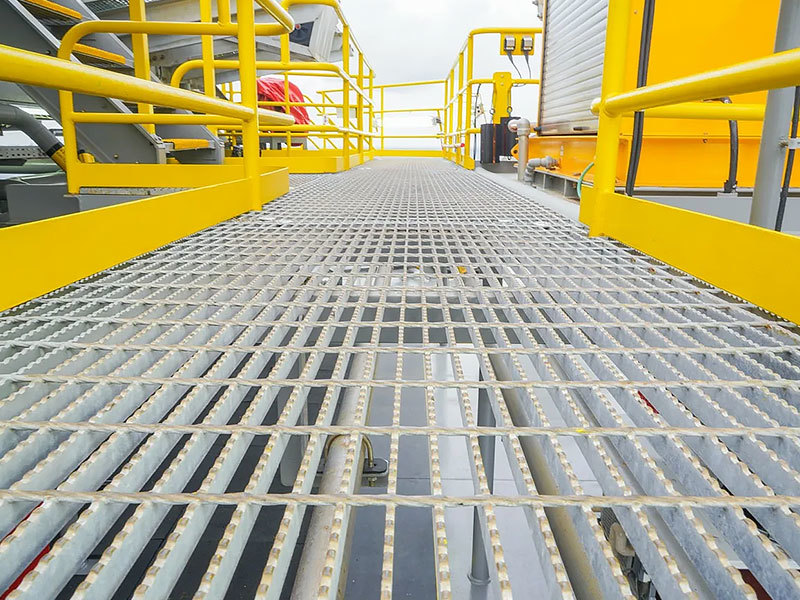
View Products
Wire Mesh Series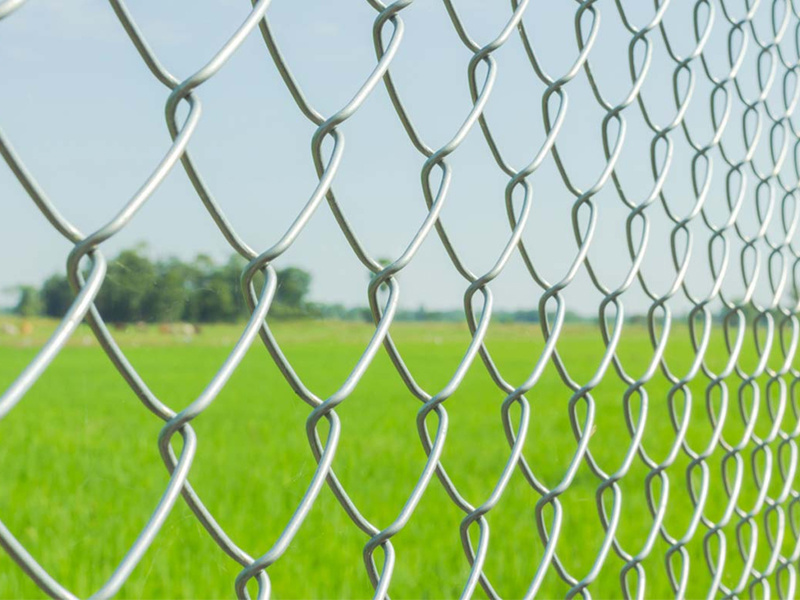
View Products
Wire Mesh Fence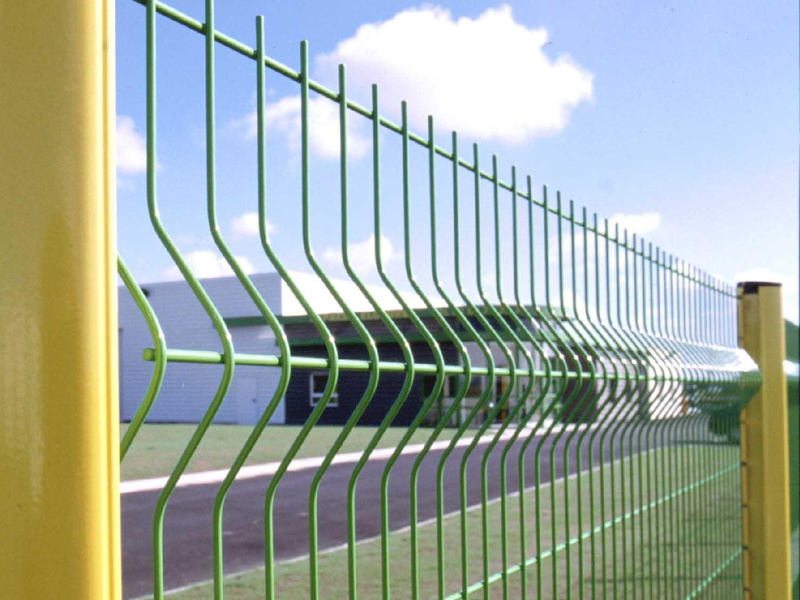
View Products
Barbed Wire Series
View Products
Gabion Basket Series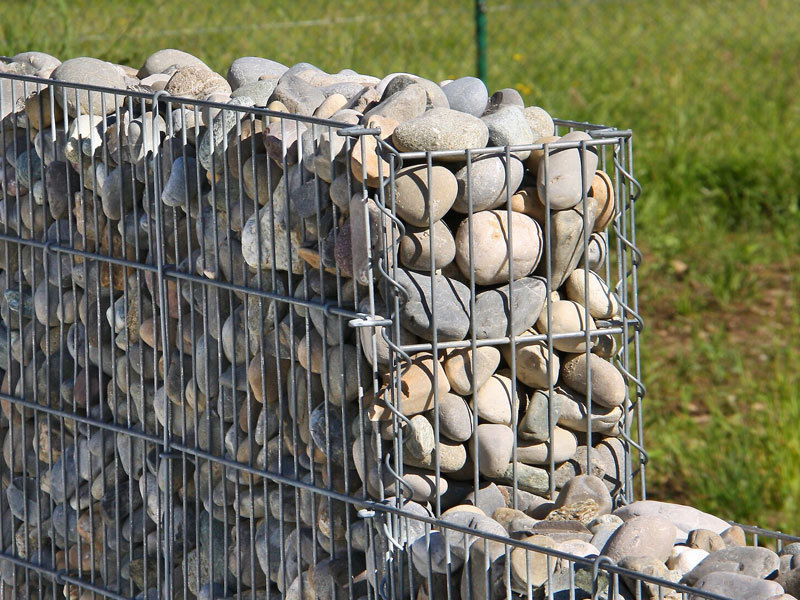
View Products
Steel Pipe Series
View Products
Steel Sheet Series
View Products
Steel Coil Series
View Products
-
-
-
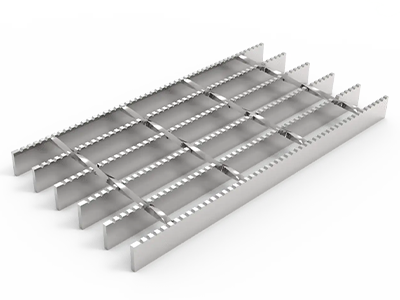



The Connection Between Steel Grating and Energy Efficiency: A Comprehensive Analysis
Dec 24,2025
The Connection Between Steel Grating and Energy Efficiency
Table of Contents
1. Introduction
2. Understanding Steel Grating
2.1 Types of Steel Grating
2.2 Common Applications of Steel Grating
3. Energy Efficiency Benefits of Steel Grating
3.1 Thermal Insulation Properties
3.2 Lightweight Structure and Its Impact
3.3 Durability and Lifespan
The Connection Between Steel Grating and Energy Efficiency
Table of Contents
- 1. Introduction
- 2. Understanding Steel Grating
- 3. Energy Efficiency Benefits of Steel Grating
- 3.1 Thermal Insulation Properties
- 3.2 Lightweight Structure and Its Impact
- 3.3 Durability and Lifespan
- 4. Eco-Friendly Solutions with Steel Grating
- 5. Innovative Designs and Technology
- 6. Case Studies: Steel Grating in Action
- 7. FAQs About Steel Grating and Energy Efficiency
- 8. Conclusion
1. Introduction
In the realm of modern construction, **energy efficiency** has become a crucial consideration for architects, builders, and environmentalists alike. As we strive to minimize our carbon footprint, materials that contribute to sustainability are gaining prominence. One such material is **steel grating**, a versatile option that plays a pivotal role in enhancing energy efficiency across various sectors. This article aims to dissect the connection between steel grating and energy efficiency, highlighting its benefits, applications, and innovative uses that contribute to a more sustainable future.
2. Understanding Steel Grating
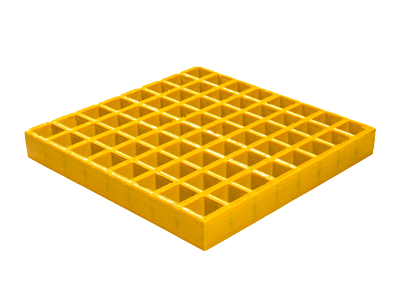
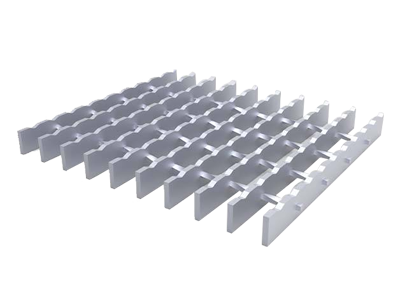
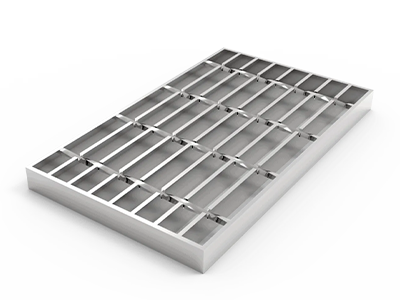
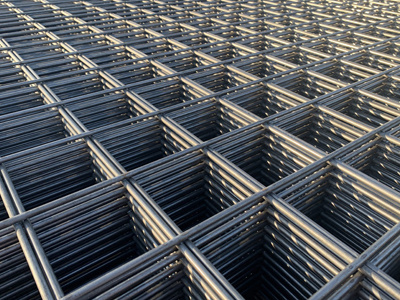
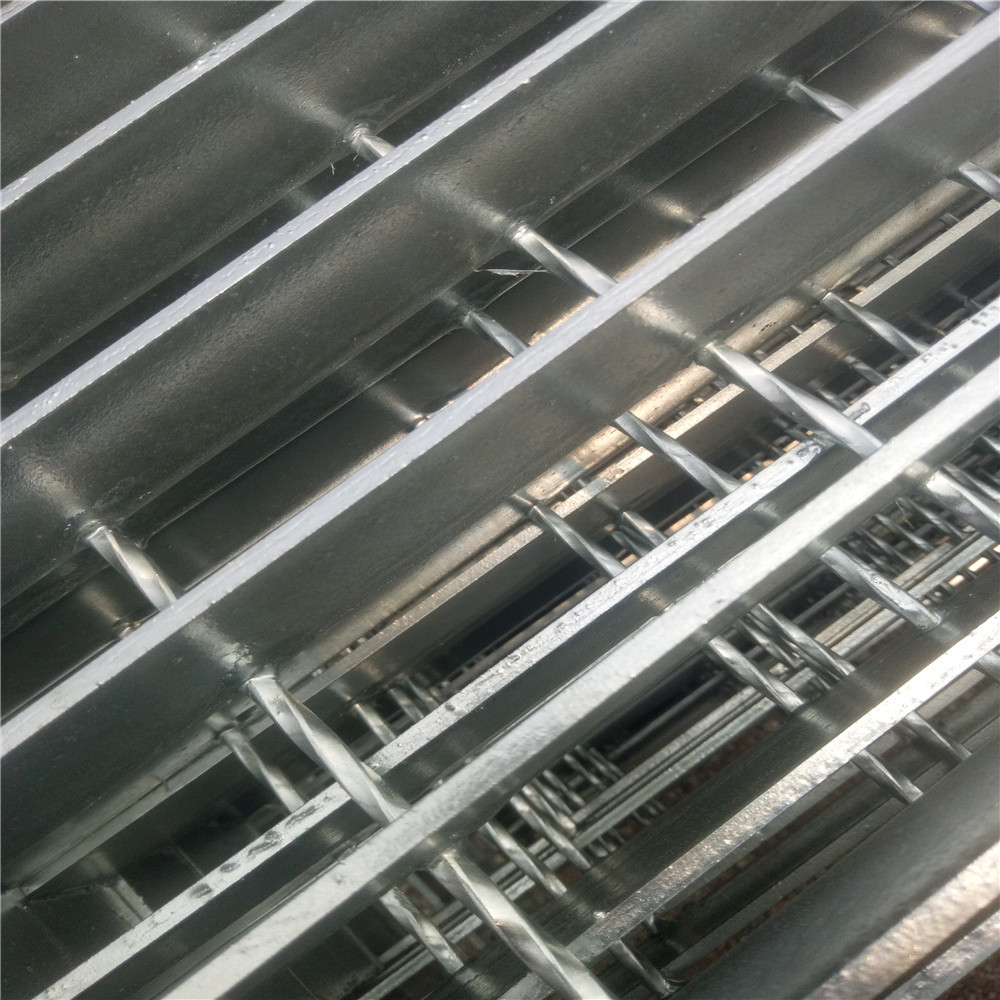
Steel grating is a type of flooring material made from steel bars that are welded together to form a grid-like structure. It is known for its strength, durability, and versatility, making it suitable for a wide range of applications, including industrial, commercial, and residential projects.
2.1 Types of Steel Grating
Several types of steel grating are available, each tailored to specific needs and requirements. The most common types include:
- **Heavy-duty grating**: This type is designed for high-load applications, such as bridges and industrial platforms.
- **Light-duty grating**: Generally used for walkways and pedestrian access, this grating type is lightweight yet sturdy.
- **Bar grating**: Consists of parallel bars with spaces in between, allowing for drainage and ventilation.
- **Safety grating**: Features a non-slip surface, ideal for areas prone to wet and slippery conditions.
Understanding these types is essential for choosing the right steel grating for specific applications.
2.2 Common Applications of Steel Grating
Steel grating finds its application in various sectors, including:
- **Industrial flooring**: Used in factories and warehouses for safe and efficient movement.
- **Walkways and platforms**: Provides a safe passage in outdoor and indoor settings.
- **Drainage systems**: Facilitates effective water drainage in urban environments.
- **Stairways**: Enhances safety with non-slip surfaces and visibility.
Each application showcases the adaptability and utility of steel grating in modern construction.
3. Energy Efficiency Benefits of Steel Grating
The integration of steel grating in construction significantly contributes to energy efficiency. Here are some of the key benefits:
3.1 Thermal Insulation Properties
Steel grating can be designed with thermal insulation properties that reduce heat loss and gain in buildings. This insulation helps maintain comfortable indoor temperatures, reducing the reliance on heating and cooling systems, and thus lowering energy consumption.
3.2 Lightweight Structure and Its Impact
The lightweight nature of steel grating means that it can be used to create structures that require less support. This characteristic allows for the design of more efficient buildings that consume less energy during the construction process and throughout their life cycle.
3.3 Durability and Lifespan
Steel grating is known for its robustness and long lifespan. Materials that last longer equate to fewer replacements and repairs, ultimately resulting in reduced energy expenditure related to manufacturing, transporting, and installing new materials. This durability makes steel grating a sustainable choice for energy-efficient construction.
4. Eco-Friendly Solutions with Steel Grating
Incorporating steel grating into building designs can lead to **eco-friendly solutions**. For instance, when combined with green roofing systems, steel grating allows for better water drainage and plant growth, contributing to urban biodiversity and reducing the heat island effect in cities.
Innovative designs, such as using steel grating in combination with solar panels, can further enhance a building’s energy efficiency. The grating allows for optimal sunlight exposure while providing a sturdy foundation for the panels.
5. Innovative Designs and Technology
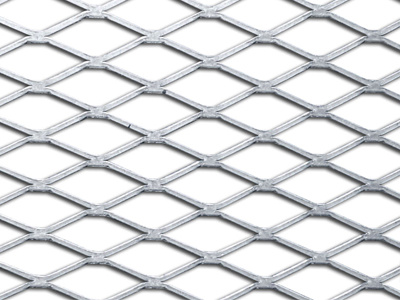
Advancements in technology have led to innovative designs in steel grating that enhance its energy efficiency. For instance, **perforated steel grating** allows natural light to filter through while providing a sturdy walking surface. This not only reduces the need for artificial lighting during the day but also contributes to the aesthetic appeal of buildings.
Additionally, the integration of smart technologies with steel grating can monitor energy consumption in real time, providing valuable data for optimizing energy usage in commercial buildings.
6. Case Studies: Steel Grating in Action
To illustrate the energy efficiency of steel grating, we can look at several noteworthy case studies:
- **Industrial Facility Example**: A factory that installed steel grating for flooring reduced its energy costs by 15% by improving air circulation and reducing heat accumulation.
- **Commercial Building Project**: A new office complex utilized steel grating in its design, leading to a 20% improvement in energy efficiency due to enhanced natural lighting and reduced energy consumption for heating and cooling.
These case studies showcase the practical applications and benefits of steel grating in real-world scenarios.
7. FAQs About Steel Grating and Energy Efficiency
What is steel grating?
Steel grating is a flooring material made from steel bars arranged in a grid-like pattern, providing strength and durability for various applications.
How does steel grating improve energy efficiency?
Steel grating enhances energy efficiency through thermal insulation, lightweight construction, and durability, which reduces energy consumption during the building's life cycle.
Can steel grating be used in outdoor applications?
Yes, steel grating is commonly used in outdoor applications, including walkways, drainage systems, and platforms due to its strength and resistance to environmental factors.
What are the environmental benefits of using steel grating?
Steel grating supports eco-friendly construction by enhancing drainage systems, supporting green roofs, and reducing the need for frequent replacements.
How long does steel grating last?
The lifespan of steel grating can vary, but it is generally known for its durability, often lasting for several decades with minimal maintenance.
8. Conclusion
Steel grating is more than just a construction material; it is a vital component in the quest for energy efficiency in modern architecture. Its unique properties, including thermal insulation, lightweight structure, and durability, position it as a sustainable choice for builders and architects. By leveraging the advantages of steel grating, we can pave the way toward a more energy-efficient future, reducing our environmental impact while enhancing the functionality and safety of our structures. Embracing innovative designs and applications of steel grating not only improves energy efficiency but also contributes to the overall sustainability of the construction industry.
TAG:
Contact Us
Phone/WhatsApp
Address
B1213 Global Centre, No.226 Zhonghua North Street, Shijiazhuang, China


WhatsApp / Wechat
TEL / FAX
Address
B1213 Global Centre, No.226 Zhonghua North Street, Shijiazhuang, China