

-
Grating Series
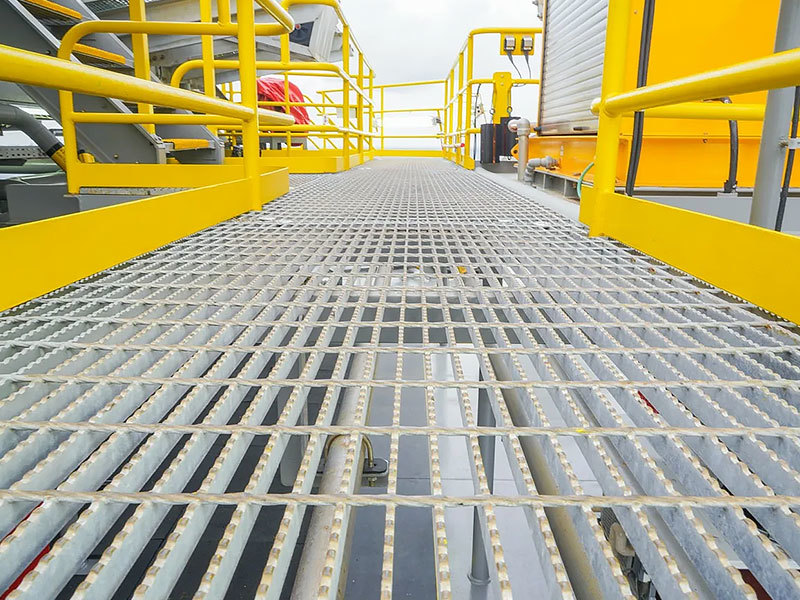
View Products
Wire Mesh Series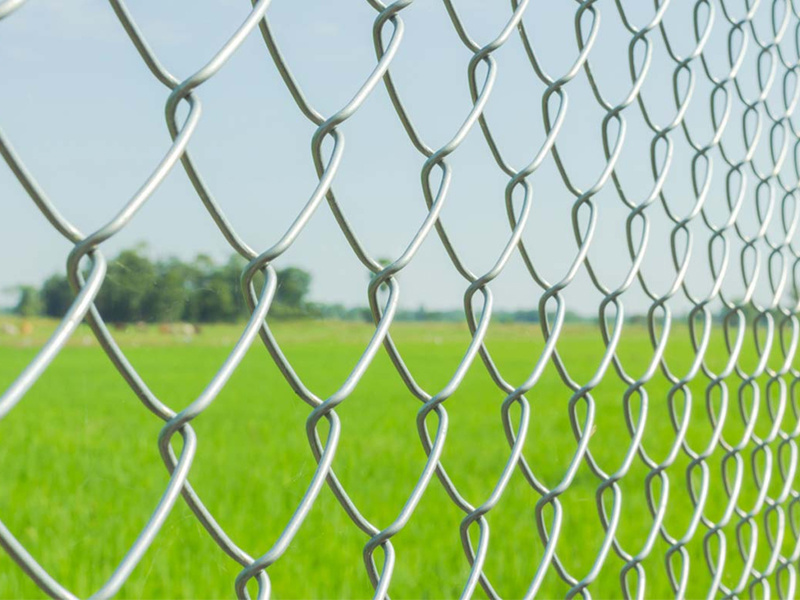
View Products
Wire Mesh Fence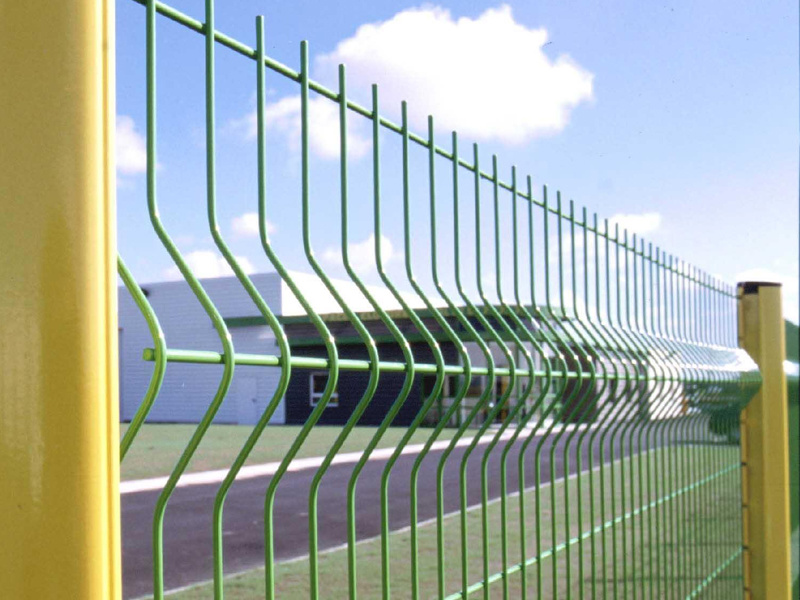
View Products
Barbed Wire Series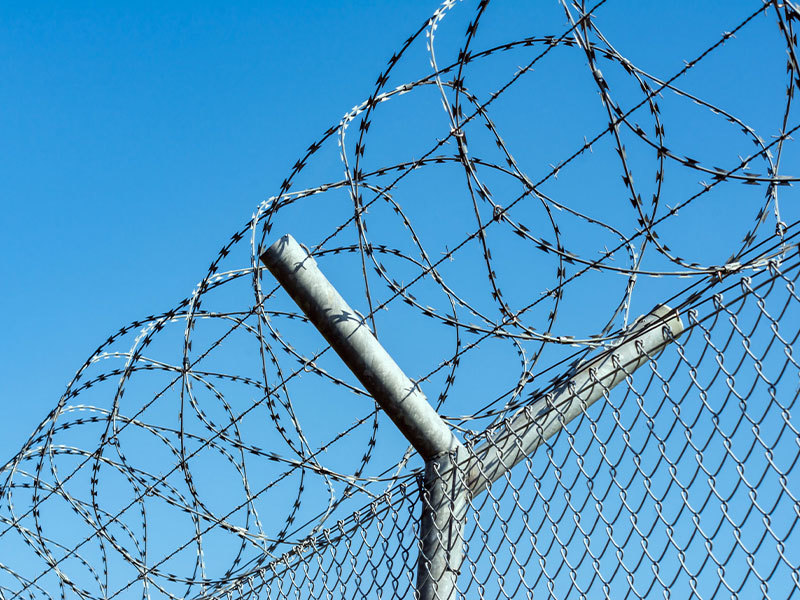
View Products
Gabion Basket Series
View Products
Steel Pipe Series
View Products
Steel Sheet Series
View Products
Steel Coil Series
View Products
-
-
-




The Role of Barbed Wire in Agricultural Property Protection: Ensuring Security and Safety
Oct 08,2026
The Role of Barbed Wire in Agricultural Property Protection
Introduction to Barbed Wire and Its Importance in Agriculture
Barbed wire has long been a staple in agricultural property protection, serving as a robust barrier against intruders and wildlife. This fencing material plays a crucial role in safeguarding crops, livestock, and personal property. With its sharp edges designed to deter penetra

The Role of Barbed Wire in Agricultural Property Protection
Introduction to Barbed Wire and Its Importance in Agriculture
Barbed wire has long been a staple in agricultural property protection, serving as a robust barrier against intruders and wildlife. This fencing material plays a crucial role in safeguarding crops, livestock, and personal property. With its sharp edges designed to deter penetration, barbed wire fencing is both practical and economical for farmers and landowners alike.
Understanding Barbed Wire: Composition and Types
What is Barbed Wire Made Of?
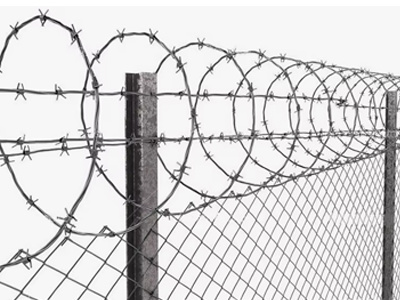
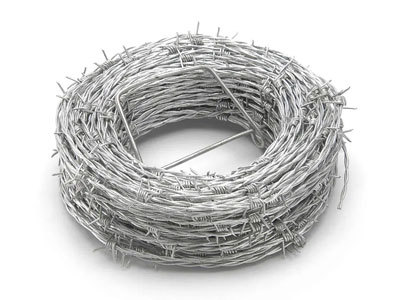
Barbed wire typically consists of high-tensile steel, which is known for its durability and strength. The wire is twisted together to form a strong core, with barbs that are strategically spaced along its length. These barbs can vary in size and shape, contributing to the wire's effectiveness as a defensive barrier.
Different Types of Barbed Wire for Agricultural Use
1. **Standard Barbed Wire**: This is the most common type, featuring two strands of wire twisted together with barbs spaced evenly apart.
2. **High-Tensile Barbed Wire**: Made from stronger materials, this type can withstand greater tension, making it ideal for larger agricultural areas.
3. **Electrified Barbed Wire**: Incorporating electric currents, this variant offers an additional deterrent for both animals and humans.
4. **Galvanized Barbed Wire**: Coated with zinc to prevent rust, galvanized wire is perfect for regions with high humidity or frequent rainfall.
5. **Barbless Wire**: While not traditional, barbless wire can be used in specific situations where safety concerns outweigh the need for deterrence.
The Benefits of Using Barbed Wire on Agricultural Properties
Enhancing Security and Protection
Barbed wire serves as a formidable barrier, helping to keep out unauthorized individuals and potential threats. With its sharp barbs, it discourages trespassing and theft, thereby protecting valuable assets on agricultural land.
Deterring Wildlife Intrusion
Farmers often face challenges from wildlife, including deer, rabbits, and other animals that can damage crops. Barbed wire effectively prevents such intrusions by creating an obstacle that is difficult for animals to breach.
Cost-Effectiveness and Longevity
Compared to other fencing materials, barbed wire is relatively inexpensive and has a long lifespan. Its durability means that once installed, it requires minimal maintenance and replacement, making it a cost-effective choice for agricultural landowners.
Installation Techniques for Barbed Wire Fencing
Planning Your Barbed Wire Fence
Before installation, it is essential to plan your fence layout. Identify property lines, areas requiring protection, and any potential obstacles. Proper planning ensures optimal use of materials and prevents future issues.
Gathering Necessary Materials
To install a barbed wire fence, you will need:
- Barbed wire rolls
- Fence posts (wood or metal)
- Post drivers
- Wire cutters
- Tensioning tools
- Safety gear (gloves and goggles)
Step-by-Step Installation Guide
1. **Setting the Fence Posts**: Begin by marking the location of your fence posts, placing them approximately 10-12 feet apart. Use a post driver to secure them in the ground at least two feet deep.
2. **Attaching the Barbed Wire**: Starting at one end, unroll the barbed wire and attach it to the first post using wire clips or staples. Ensure it is taut before moving to the next post.
3. **Creating Tension**: Use tensioning tools to tighten the wire as you move along the fence. This prevents sagging and maintains the integrity of the barrier.
4. **Securing the End Posts**: Once you've reached the end, secure the wire to the last post, ensuring it is tightly fastened to withstand pressure.
5. **Finishing Touches**: Trim any excess wire and double-check the entire fence for stability and tension.
Maintenance Tips for Barbed Wire Fencing
Regular Inspections
Conduct routine inspections to check for signs of wear, damage, or sagging. Identifying issues early can prevent larger problems down the line.
Repairing Damaged Sections
If you notice broken or loose sections of wire, repair them promptly. Use wire cutters to remove damaged segments and splice in new wire as needed.
Rust Prevention Strategies
If using non-galvanized wire, apply rust-resistant coatings or paints to extend the life of your fence. Keeping the wire clean from debris and moisture can also help reduce rust formation.
Barbed Wire vs. Other Fencing Options: A Comparative Analysis
Wooden Fencing vs. Barbed Wire
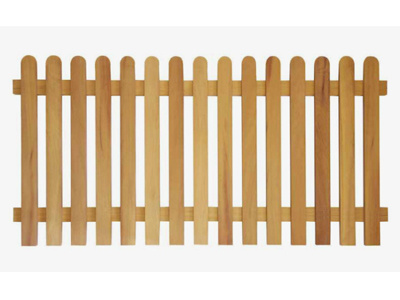
While wooden fences offer aesthetic appeal and can deter animals, they require more maintenance and are prone to decay. Barbed wire, on the other hand, is more durable and cost-effective for large agricultural areas.
Electric Fencing vs. Barbed Wire
Electric fencing provides a strong deterrent but can be more expensive to install and maintain. Barbed wire is a simpler solution that doesn’t require a power source, making it more accessible for many farmers.
Legal Considerations and Best Practices
Understanding Local Regulations
Before installing barbed wire, it is crucial to familiarize yourself with local laws and regulations regarding fencing, especially concerning height and placement. Some areas may have restrictions that could impact your installation.
Best Practices for Fencing Safety
To ensure safety, especially if children or livestock are present, consider using barbless wire in areas where accidental contact might occur. Additionally, clearly marking the fence line can prevent accidental breaches.
Frequently Asked Questions (FAQs)
1. How effective is barbed wire for keeping out wildlife?
Barbed wire is highly effective for deterring wildlife due to its sharp edges, which make it difficult for animals to breach the barrier.
2. Can I install barbed wire fencing myself?
Yes, with proper planning and materials, barbed wire fencing can be a DIY project. However, consider hiring a professional for large or complex installations.
3. How long does barbed wire fencing last?
With proper care and maintenance, barbed wire can last 20 years or more, depending on environmental conditions and material quality.
4. Is barbed wire safe to use near livestock?
While effective, barbed wire can pose risks to livestock. Consider using barbless wire in areas frequented by animals to minimize injury.
5. What maintenance is required for barbed wire fencing?
Regular inspections for damage, rust prevention, and tension adjustments are essential for maintaining the integrity of barbed wire fencing.
Conclusion
Barbed wire remains a vital element in agricultural property protection, providing a practical solution to deter both human intruders and wildlife. Its cost-effectiveness, durability, and ease of installation make it a preferred choice for many farmers. Understanding the installation process and maintenance requirements is crucial for maximizing its effectiveness. By leveraging this versatile fencing option, agricultural landowners can ensure the security and safety of their valuable crops and livestock, allowing for peace of mind in their daily operations.
TAG:
PREVIOUS:
Contact Us
Phone/WhatsApp
Address
B1213 Global Centre, No.226 Zhonghua North Street, Shijiazhuang, China


WhatsApp / Wechat
TEL / FAX
Address
B1213 Global Centre, No.226 Zhonghua North Street, Shijiazhuang, China