

-
Grating Series
View Products
Wire Mesh Series
View Products
Wire Mesh Fence
View Products
Barbed Wire Series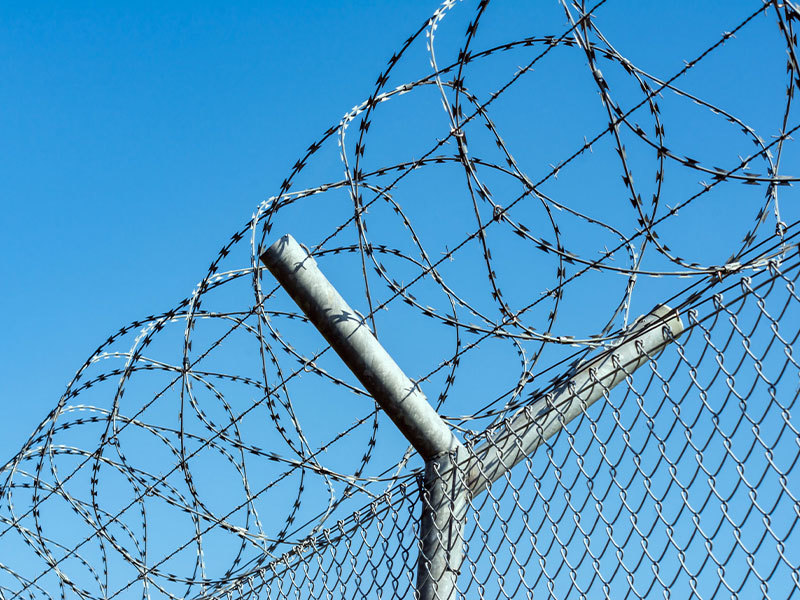
View Products
Gabion Basket Series
View Products
Steel Pipe Series
View Products
Steel Sheet Series
View Products
Steel Coil Series
View Products
-
-
-






Barbed Wire: History, Applications, and Modern Uses
Jan 20,2026

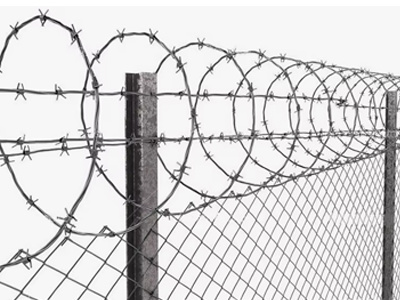
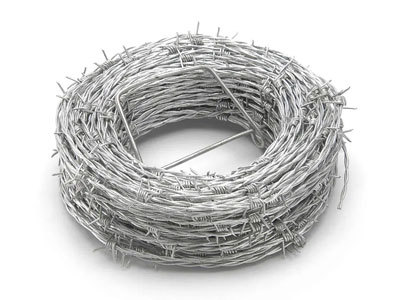
Barbed wire, also known as barb wire, is a type of fencing material constructed with sharp edges or points arranged at intervals along the strands of wire. Since its invention in the late 19th century, barbed wire has revolutionized fencing methods, offering a cost-effective, durable, and highly efficient solution for controlling boundaries, protecting property, and managing livestock. Its simple yet effective design has made it one of the most widely used fencing materials worldwide.
The history of barbed wire dates back to the 1860s and 1870s in the United States, a period when farmers and ranchers were seeking affordable ways to protect their land and livestock. Prior to its invention, fences were often made from timber or stone, which were expensive, labor-intensive, and difficult to maintain over large areas. Joseph F. Glidden, an American inventor, patented the first practical barbed wire in 1874. His design featured twisted wire with sharp barbs, which provided both deterrence and durability. Glidden’s invention quickly gained popularity and spread across the American Midwest, significantly transforming agriculture and land management practices.
Barbed wire is primarily used for fencing in agriculture and livestock management. Its sharp points discourage animals from crossing boundaries, reducing the risk of livestock straying and crop damage. It allows for the construction of long fences with relatively low material costs compared to traditional wooden or stone fences. Farmers and ranchers can establish extensive perimeters efficiently, which is particularly valuable in large-scale cattle or sheep operations. Barbed wire fences are also adjustable, allowing farmers to create temporary enclosures or manage rotational grazing systems effectively.
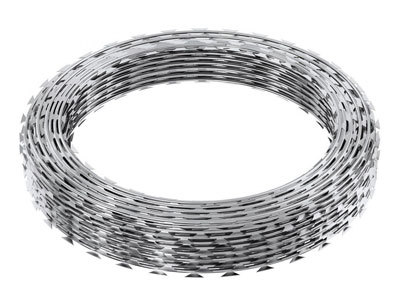
Beyond agriculture, barbed wire is widely used for security and property protection. It is installed atop walls, fences, or gates to deter intruders and enhance perimeter security for residential, commercial, and industrial sites. High-security facilities such as prisons, military bases, and warehouses frequently employ barbed wire to prevent unauthorized access. In combination with other security measures such as CCTV cameras, motion sensors, and security patrols, barbed wire remains a highly effective deterrent against trespassing and theft.
Barbed wire is also utilized in environmental management and conservation. It is used to create boundaries that protect sensitive habitats from human intrusion or prevent wildlife from entering hazardous areas such as highways, construction sites, or agricultural fields. By clearly demarcating protected zones, barbed wire helps to balance human activity with ecological preservation, minimizing conflicts between wildlife and humans.
Modern barbed wire comes in various types, coatings, and designs to enhance performance and longevity. Galvanized steel is commonly used to prevent rust and corrosion, extending the life of the fence even under harsh weather conditions. PVC-coated and high-tensile barbed wires are available for specialized applications where extra strength or flexibility is required. Installation methods have also improved, with tools and equipment allowing for quicker deployment and more secure fastening of wires to posts and supports.
Despite its effectiveness, barbed wire requires careful handling and safety precautions due to its sharp points. Protective gloves, clothing, and appropriate tools are essential during installation or maintenance to prevent injuries. Additionally, local regulations may restrict the use of barbed wire in certain residential or public areas, requiring compliance with safety and zoning standards.
Economically, barbed wire is an attractive option due to its low cost, ease of installation, and long service life. It reduces labor and material expenses, particularly in large-scale agricultural or security projects. Its durability ensures minimal maintenance over years of use, providing a reliable solution for property delineation and livestock management.
In conclusion, barbed wire is a versatile, cost-effective, and durable fencing material with a rich history and a wide range of applications. From agricultural fencing and livestock control to property security and environmental protection, its impact on land management and safety practices has been profound. Modern innovations in materials, coatings, and installation techniques continue to enhance the functionality and lifespan of barbed wire, ensuring it remains a key component in fencing and security solutions worldwide.
Contact Us
Phone/WhatsApp
Address
B1213 Global Centre, No.226 Zhonghua North Street, Shijiazhuang, China


WhatsApp / Wechat
TEL / FAX
Address
B1213 Global Centre, No.226 Zhonghua North Street, Shijiazhuang, China